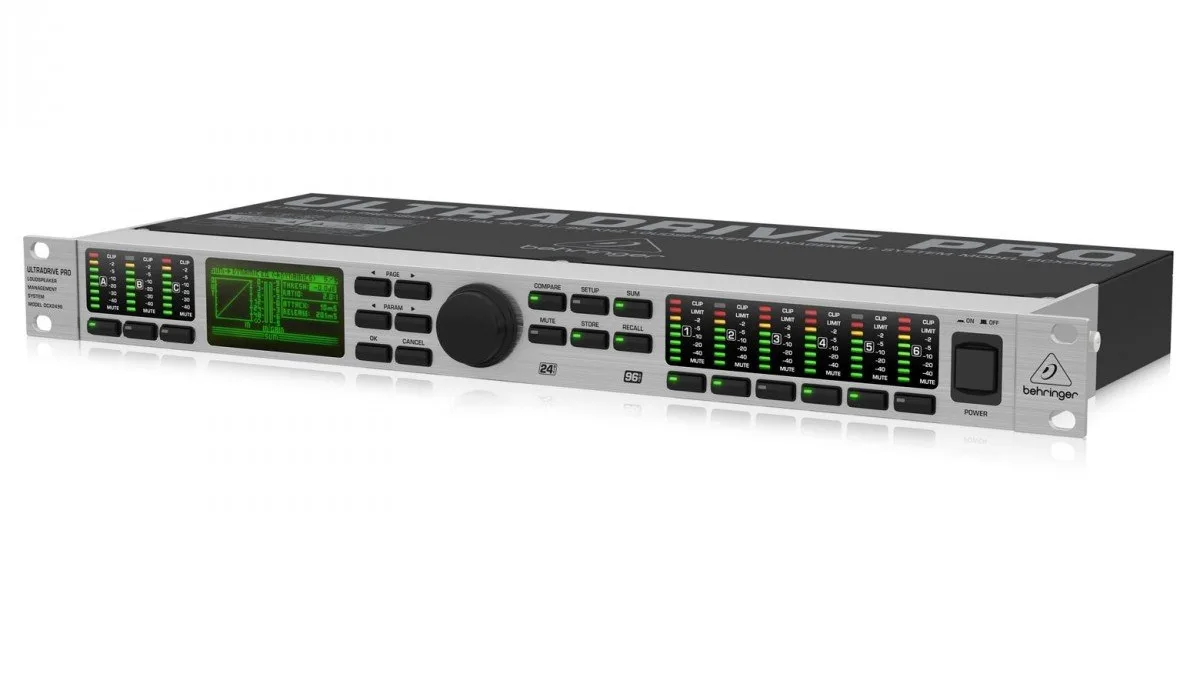
For audio engineers, rental companies, and system integrators working across the CIS, Middle East, South America, and Africa, used speaker management processors are a smart way to add reliable system control without stretching the budget. These units handle crossover, EQ, limiting, delay, and routing for loudspeaker systems, and in professional rental and install environments they are often the unsung backbone of a rig. Buying used lets you access proven platforms from brands like dbx, BSS, XTA, Lake, and Klark Teknik at a fraction of new cost, but the wholesale market rewards buyers who know exactly what to check. Whether you are outfitting a fixed install or building a rental inventory, the key is matching processor capability to the loudspeakers and amplifiers you already own.
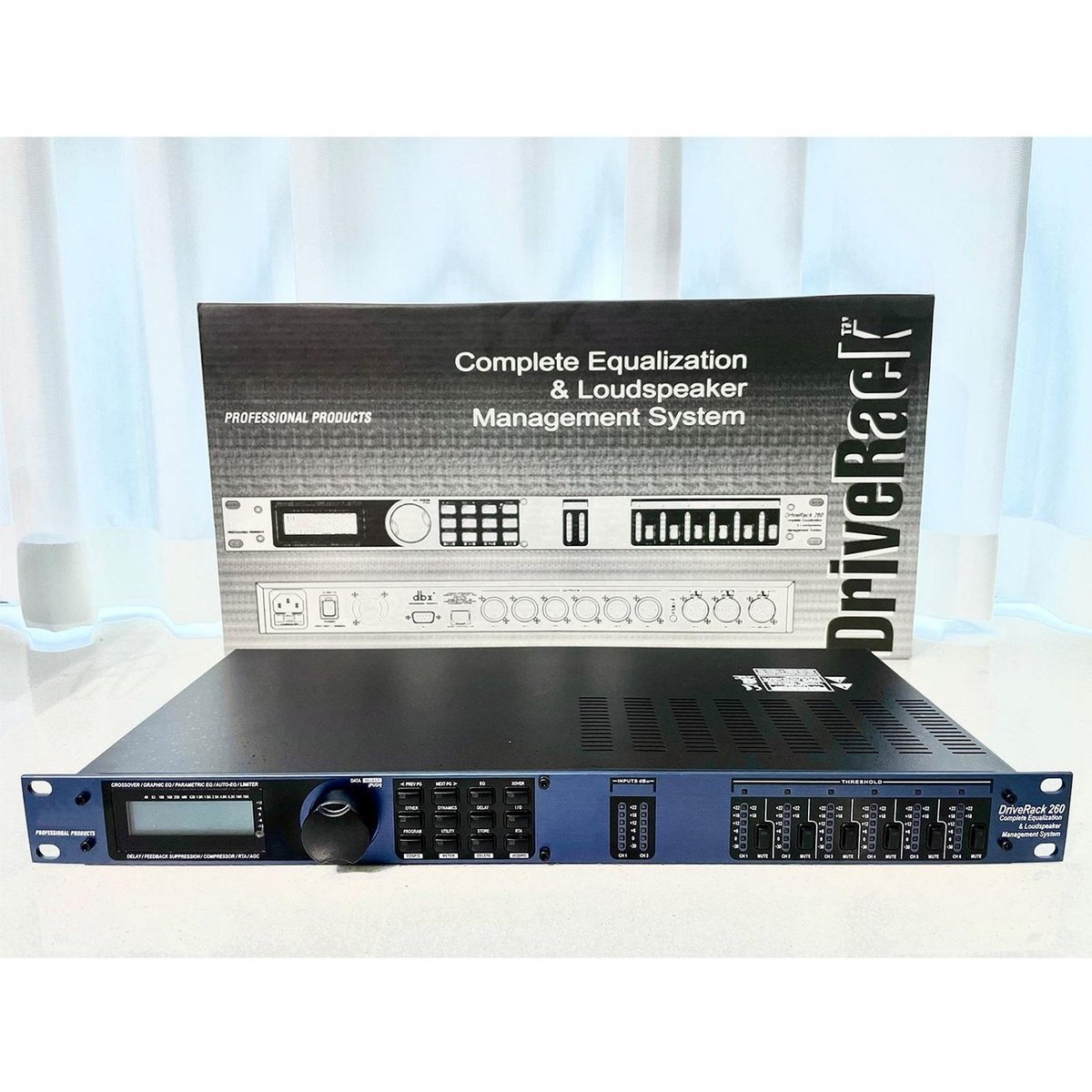
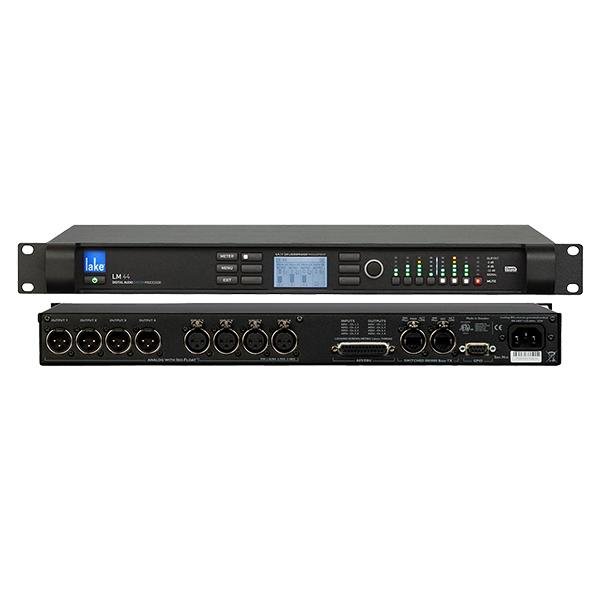
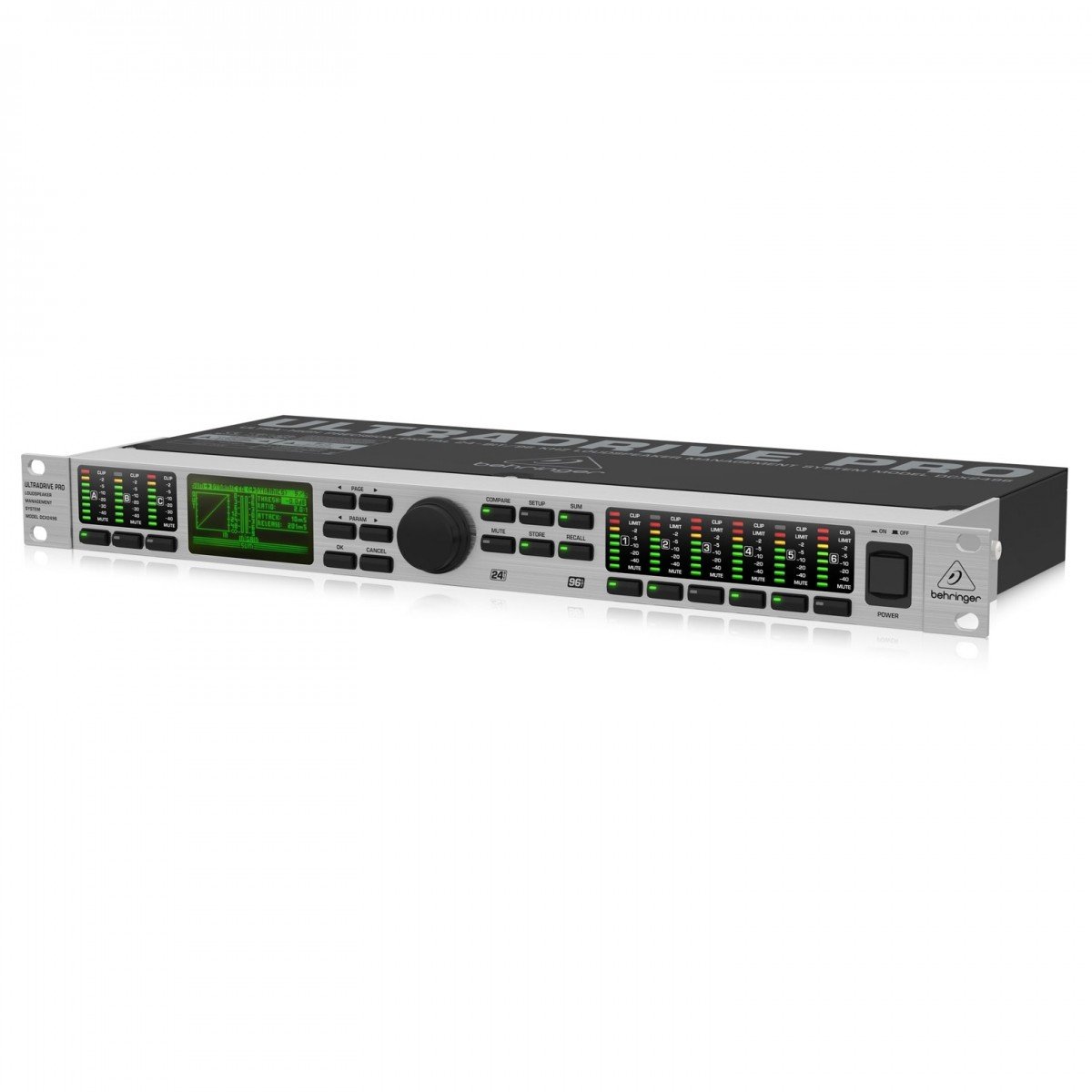
When comparing used speaker management processors, start with channel count and I/O format. A 2-in/4-out unit such as the dbx DriveRack PA2 suits small active systems, while 4-in/8-out models like the BSS BLU-100 or XTA DP448 give you more flexibility for multi-way passive rigs. Look for balanced XLR or Euroblock connectivity, and confirm whether the unit offers digital inputs (AES/EBU, Dante, or CobraNet) if your signal chain is networked. Processing depth matters too: parametric EQ bands, crossover filter types (Linkwitz-Riley, Butterworth, Bessel), limiter quality, and delay resolution all affect how well the processor protects and tunes your speakers. A fixed ranking for most wholesale buyers would be: 1) BSS BLU series for networked installs, 2) Lake LM series for touring-grade dynamics and Dante, 3) XTA DP series for straightforward, rugged rental use, 4) dbx DriveRack for budget-conscious small systems, and 5) Klark Teknik for basic multi-way control. Confirm firmware version and whether the unit requires proprietary software that may be hard to license secondhand.
Inspection is where used gear deals are won or lost. Ask for photos of the rear panel and confirm every connector is intact and not corroded, especially XLR shells and Euroblock terminals. Test that the unit powers on, that all outputs pass signal, and that the LCD or front-panel controls respond without dead buttons or encoder skipping. For networked models, verify that the Ethernet port and any expansion cards are present and functional, and request a screenshot of the device being recognized by its control software. Check the internal battery on older units that store presets in RAM, and ask whether presets were wiped or retained. Listen for fan noise and inspect for signs of heat stress or previous repair. Finally, confirm the voltage and plug type match your region, and ask for the serial number to check service history where possible.
Your next step is to shortlist two or three models that match your loudspeaker count and signal format, then request a bulk quote with condition notes, included accessories, and test evidence from the seller. Ask about return policy and warranty on used processors, and confirm that the units ship with the correct power cables and any needed rack ears. For rental fleets, standardizing on one or two processor families reduces training and spare-parts headaches. If you are buying for a fixed install, verify that the processor's software is still supported by the manufacturer. Ready to source? Send your spec list and quantity to the marketplace and compare verified offers from wholesale sellers.