Skip to content
Lake LM44
Lake LM44 01Lake LM44 02

Used Processors

Lake LM44

Grade A In stock

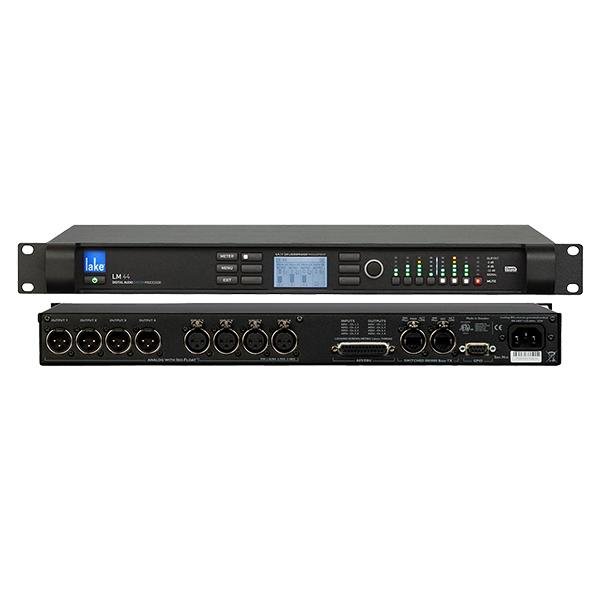
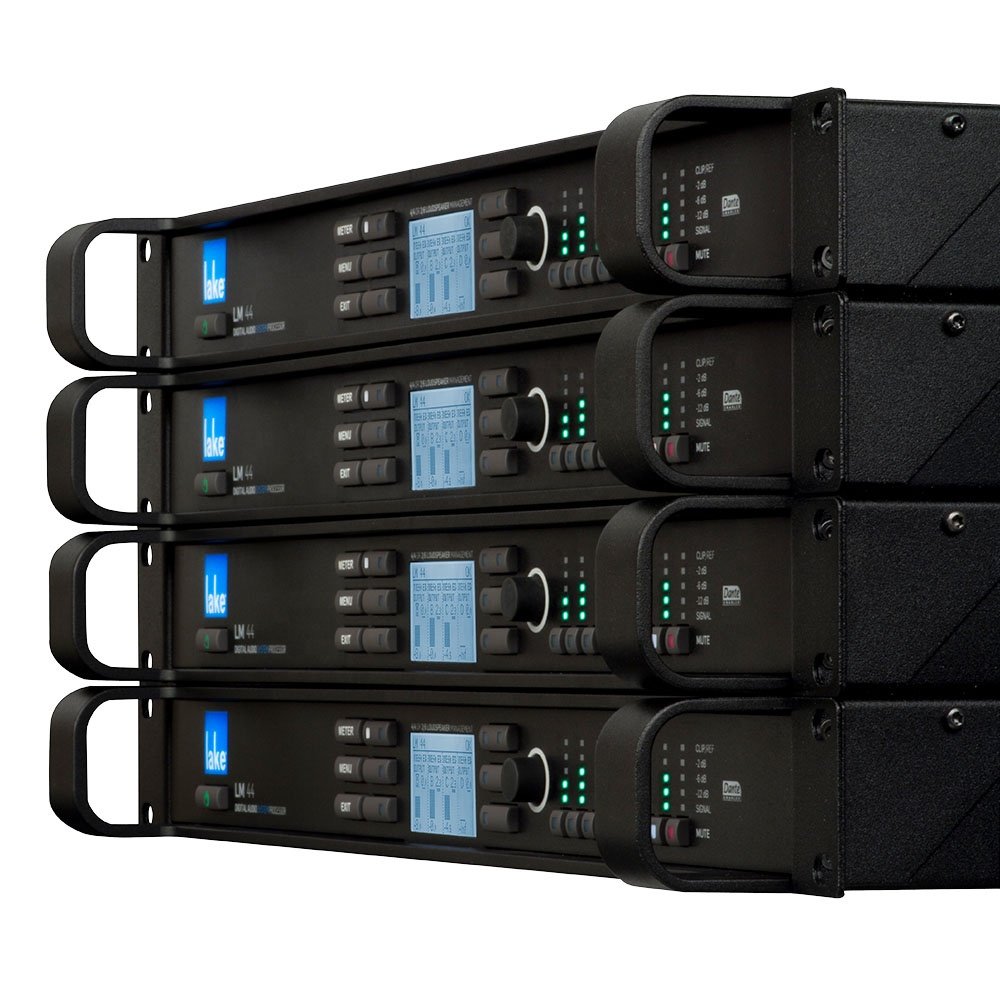
4x4 digital audio processor with Lake Processing and Dante, ideal for line array system alignment. Touring-grade, rack ears and PSU included.

I/O
4 in / 4 out
Network
Dante
Processing
Lake EQ+limiter
— Common buyer questions

Common buyer questions

What condition is the Lake LM44 in?

Grade A — near-mint, fully tested.

Is the LM44 covered by warranty?

Yes — every unit ships with a 90-day functional warranty; returns are accepted on tested failures.

What is the minimum order for the LM44?

MOQ 2 units, with B2B pricing and proforma within 24 hours.

Will the LM44 work in my country?

Every unit is bench-tested for mains voltage, connectors, CE/UL fit and regional requirements; we ship to 60+ countries with customs support.

— Similar equipment

Best Used Audio Processors Ranking: An Integrator's Expansion Playbook

Similar units in stock →
— Knowledge

Technical notes and buyer guidance

Used Lake LM44 for Sale: A Practical Review for Pro Audio Buyers

When you're specifying a used Lake LM44 for sale, you're looking at a processor that has earned its place in rental racks and integration projects worldwide. The LM44 is a 4-in/4-out loudspeaker management processor with Lake's renowned Mesa EQ and linear-phase FIR filtering, and it remains a benchmark for system optimization in touring and installed sound. For buyers in CIS, the Middle East, South America, and Africa, the used market offers a way to access this level of processing without the new-unit price tag—but only if you know what you're getting and how to evaluate it.

In the current used market, the LM44 typically sits alongside the LM26 and the newer LM44+ as the go-to Lake options. The LM44 offers four analog inputs and four analog outputs, with AES/EBU digital I/O on some versions, and it supports Lake's Contour and Mesa EQ algorithms. Compared to the LM26, the LM44 provides more I/O flexibility and is better suited to multi-way systems or dual-zone setups. When ranking used Lake processors by value for money, the LM44 often comes first for rental firms needing a compact, rider-friendly unit; the LM26 is a close second for simpler two-way systems; and the LM44+ is the premium choice if you need the latest firmware and Dante compatibility. Always confirm the exact model variant and firmware version before purchase.

What to inspect on a used LM44: first, check the front panel display and encoder for wear or dead pixels, as these are common failure points. Second, verify all analog and digital I/O by running signal through every channel—look for noisy pots, intermittent connectors, or channel imbalance. Third, confirm the firmware version and whether it can be updated; older units may need a firmware refresh to work with current Lake Controller software. Fourth, inspect the power supply and internal boards for signs of heat damage or recap work. Finally, ask for the unit's service history and, if possible, a test report from a qualified tech.

Lake LM44 Price Used: What Buyers Actually Pay in 2024

If you are sourcing a Lake LM44 on the secondary market, the first question is always the same: what does a used Lake LM44 actually cost right now? Across wholesale channels serving the CIS, Middle East, South America, and Africa, clean LM44 units typically trade between $2,800 and $4,200 depending on condition, firmware version, and whether the original rack ears, power cable, and calibration certificate are included. Units with cosmetic wear but verified DSP functionality sit at the lower end, while late-production units with current firmware and full accessories command the top of that range. Be wary of anything priced far below $2,500 — it usually signals a missing I/O card, a locked or corrupted firmware state, or a unit pulled from a fixed install with heavy rack rash.

The LM44 is a 4-in / 4-out loudspeaker processor with Lake's classic Mesa EQ, linear-phase crossovers, and Dante networking on later revisions. When comparing listings, rank them in this order: first, confirmed Dante card presence and firmware version (v4.x or later is strongly preferred for compatibility with Lake Controller 6); second, physical condition of the front panel encoder and XLR connectors; third, inclusion of the original power supply and rack hardware; fourth, service history — units that have been recapped or had the DSP board replaced by an authorized service center are worth a premium. A unit with Dante and current firmware is worth roughly 20–30% more than an early non-Dante LM44 in similar cosmetic shape, so always confirm the network option before negotiating.

Inspection is where deals are won or lost. Ask for high-resolution photos of the rear panel to verify all XLR shells are intact and that the Dante port (if present) is not damaged. Request a screenshot of the Lake Controller device list showing the unit online with its firmware version and serial number. Confirm that the front-panel encoder turns smoothly without skipping and that the LCD shows no dead pixels. For rental firms and integrators, insist on a bench test report showing all four inputs and outputs passing signal at unity gain with no noise floor anomalies. If the seller cannot provide a Controller screenshot or a test report, treat the price as a project unit and budget for a service inspection.

Lake LM44 vs Alternatives: A Buyer's Guide for Used Professional Audio Gear

When you're sourcing a used loudspeaker management processor for a rental fleet, integration project, or touring rig, the Lake LM44 is often at the top of the shortlist. Its reputation for reliable Dante networking, 4-in/4-out processing, and the intuitive Lake Controller software makes it a staple in professional audio. But in the secondary market, availability and price fluctuate, and buyers in CIS, the Middle East, South America, and Africa need to weigh the LM44 against other proven options. This comparison breaks down the key alternatives—Lab.gruppen LM44 (same platform), XTA DP448, BSS BLU-806, and dbx DriveRack VENU360—so you can make an informed decision based on specs, condition, and total cost of ownership.

In terms of core specifications, the Lake LM44 offers 4 analog inputs and 4 analog outputs, plus Dante networking, AES3 I/O, and a 96 kHz sample rate. The Lab.gruppen LM44 is essentially the same unit under a different badge, so it's a direct substitute if you find one at a better price. The XTA DP448 provides 4 in/8 out with analog and AES3, but lacks native Dante; it's a solid choice for pure analog systems. The BSS BLU-806 offers 12x8 analog I/O, Dante, and BLU link, making it more flexible for larger installations, though its learning curve is steeper. The dbx DriveRack VENU360 is a budget-friendly 3-in/6-out unit with analog and AES3, but no Dante—ideal for smaller rigs. Ranking by overall versatility for networked systems: 1) Lake LM44 / Lab.gruppen LM44, 2) BSS BLU-806, 3) XTA DP448, 4) dbx DriveRack VENU360. For pure analog simplicity, XTA and dbx move up.

When inspecting a used unit, focus on the points that matter most for longevity and performance. Check the Dante card for proper network detection and firmware version—older firmware may lack features or compatibility. Test all analog inputs and outputs for noise, distortion, and channel imbalance; use a signal generator and analyzer if possible. Verify the AES3 ports and word clock sync. Inspect the front panel encoders and buttons for wear, and confirm the LCD display is bright without dead pixels. Ask for the service history—Lake units are robust, but power supply recapping may be needed after years of use. For the BSS BLU-806, ensure the BLU link ports are functional and the unit has the correct software license. For XTA and dbx, check for any unauthorized modifications or missing expansion cards. Always request photos of the rear panel and a video of the unit powering up and passing signal.