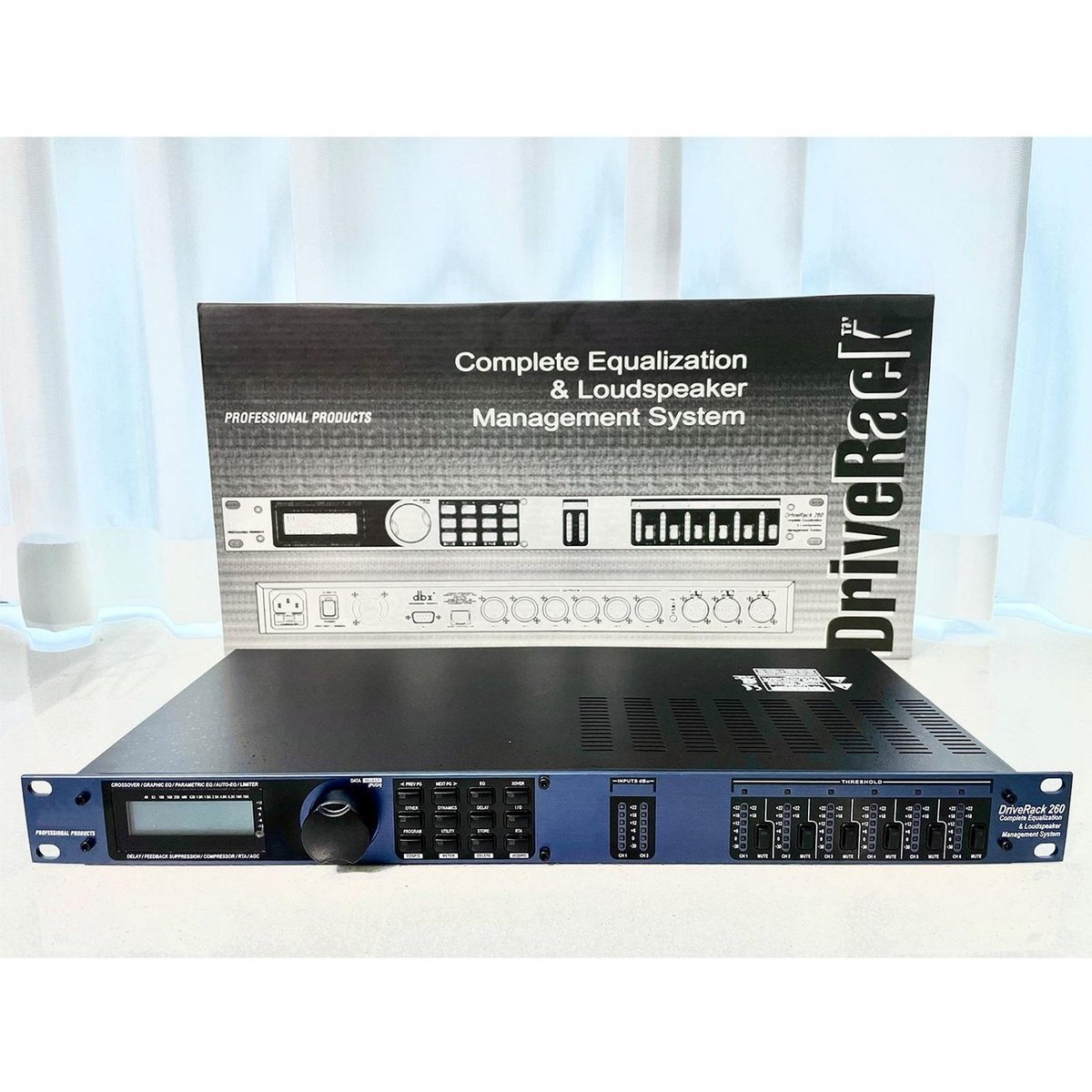
If you run an AV integration firm and want to add a used-gear offer, start with loudspeaker management processors: they are easy to bench-test, carry predictable margins, and the best used audio processors ranking below tells you exactly what to stock, certify, and charge. Buy Grade B dbx DriveRack 260 at $620, hold a 90-day warranty, and target a 35–45% markup over landed cost.
Stock the dbx DriveRack 260 first because it is the safest category entry for an integrator. With 24 units in stock at $620, MOQ 4, and Grade B condition, you get 2-in/6-out processing with GEQ, crossovers, limiters, and per-output delay—enough to handle most install and rental jobs without a laptop. These are ex-rental units reset to factory presets, so your bench tech can verify every output channel and limiter threshold in under an hour. For a new category, that speed matters: you can certify and list faster than you can learn a digital console platform.
Avolites Tiger Touch Plus at position two is your lighting-control bridge if you already serve venues. It is not an audio processor, but integrators who bundle audio and lighting see higher average order values, and used Tiger Touch consoles move well in CIS and Middle East rental markets. Stock one or two only after you have a service partner who can verify faders and touch panels; the certification cost is higher than a DriveRack, so price accordingly.
Electro-Voice Xp200A at three is a reminder that powered processors and system controllers need voltage checks before you list them. For CIS, Middle East, South America, and Africa, confirm 110/220V mains compatibility, connector types, and CE/UL marks. A unit that passes the 52-point bench test but lacks the right plug or voltage label becomes a return risk. Charge a 10–15% premium for units you have already converted and labeled for the destination region.
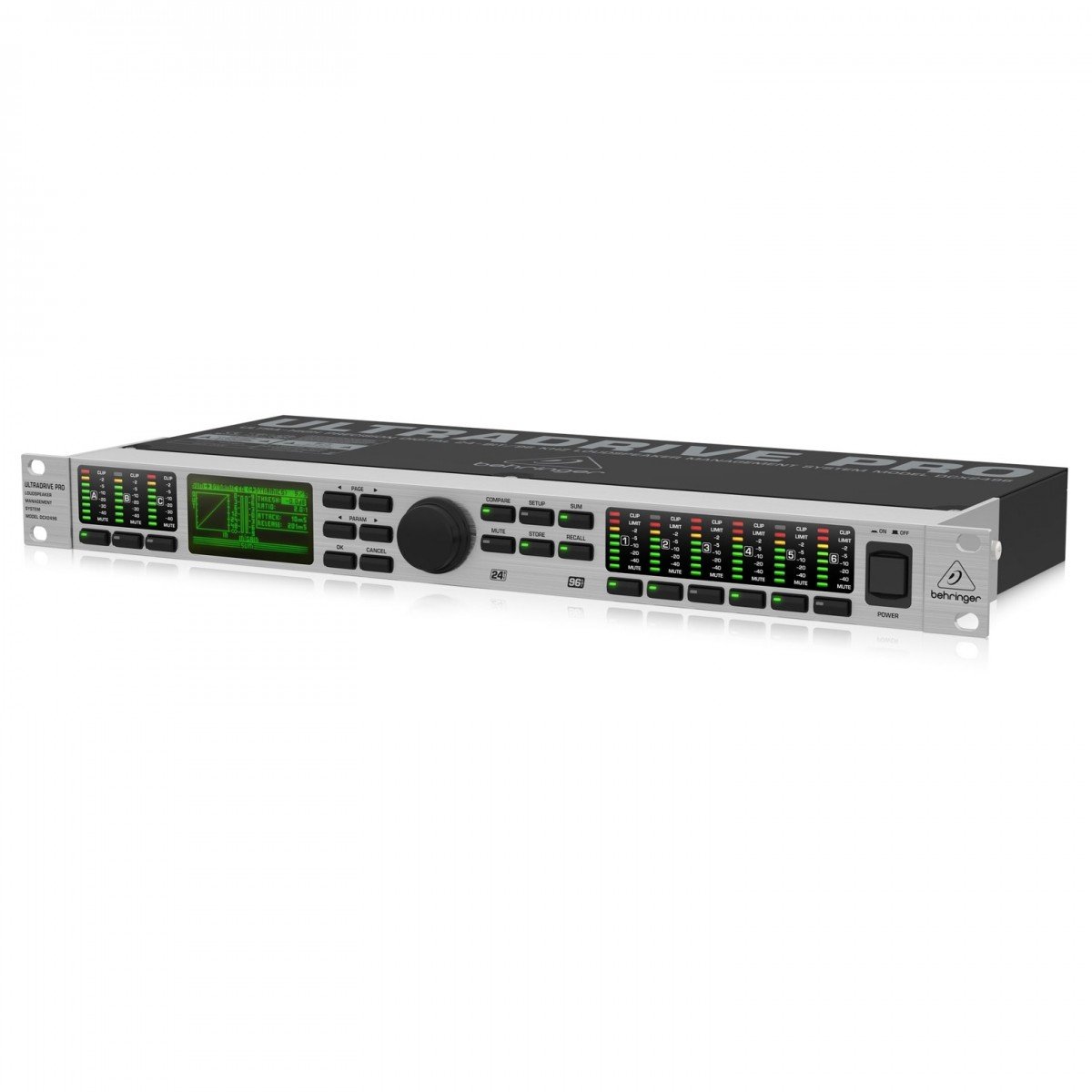
Telex MT-800 and U.S. Audio whirlwind PressPower 2 round out the ranking as niche, low-volume items. Keep one or two for buyers who need legacy compatibility, but do not build your expansion around them. The real playbook is depth in one or two proven models, not a long tail of oddball processors. If a buyer asks "Is a used processor still worth it in 2026?", the answer is yes when the unit is Grade A or B, bench-tested, and backed by a 90-day warranty—not when it is an untested Grade C box.
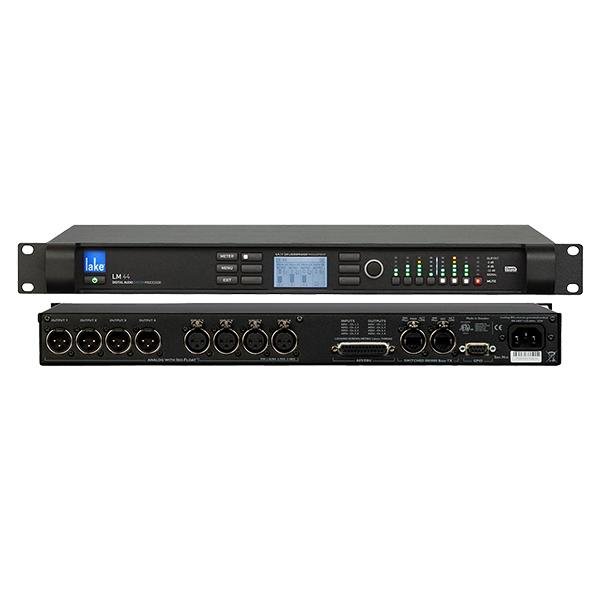
Compare the economics side by side. A new dbx DriveRack 260 typically lists well above $1,000, while our Grade B used unit is $620 with 24 in stock and MOQ 4. A Grade A Lake LM44 at $2,100 with Dante and Lake EQ is a different tier—6 units, MOQ 2—and suits line-array alignment jobs where the client needs networked processing. Grade C units cost less but need service; if a replacement board or recone eats the margin, you lose the deal. For most integrators, Grade B at 60–70% of new price is the sweet spot.
Certify before you charge. Every unit passes a 52-point bench test: powered test, channel test, and cosmetic vs functional grading. Publish the grade, the year, and the test result on the listing. That transparency is what lets you charge a 35–45% markup over landed cost and still close deals against new-gear quotes. With 12,400+ units sold across 60+ countries, the model is proven—copy it rather than inventing your own.
Closing takeaway: start with the dbx DriveRack 260, add Avolites Tiger Touch Plus only when you have service support, and keep legacy items like Telex MT-800 and U.S. Audio whirlwind PressPower 2 as fill-in stock. Test 52 points, grade honestly, warrant 90 days, and price by region—that is how a used-gear offer becomes a repeatable category instead of a one-off gamble.