If you run an AV integration shop and you're thinking about bolting on a used-gear offer, the first thing to understand is that pro audio effects and processing aren't a side hustle — they're a category with its own rules for stock, certification, and margin. You're not just reselling boxes; you're underwriting reliability for clients who can't afford a dead processor on show day. The playbook below is what I'd hand a systems integrator in Dubai, Warsaw, or São Paulo who wants to add a used processing line without torching their reputation.
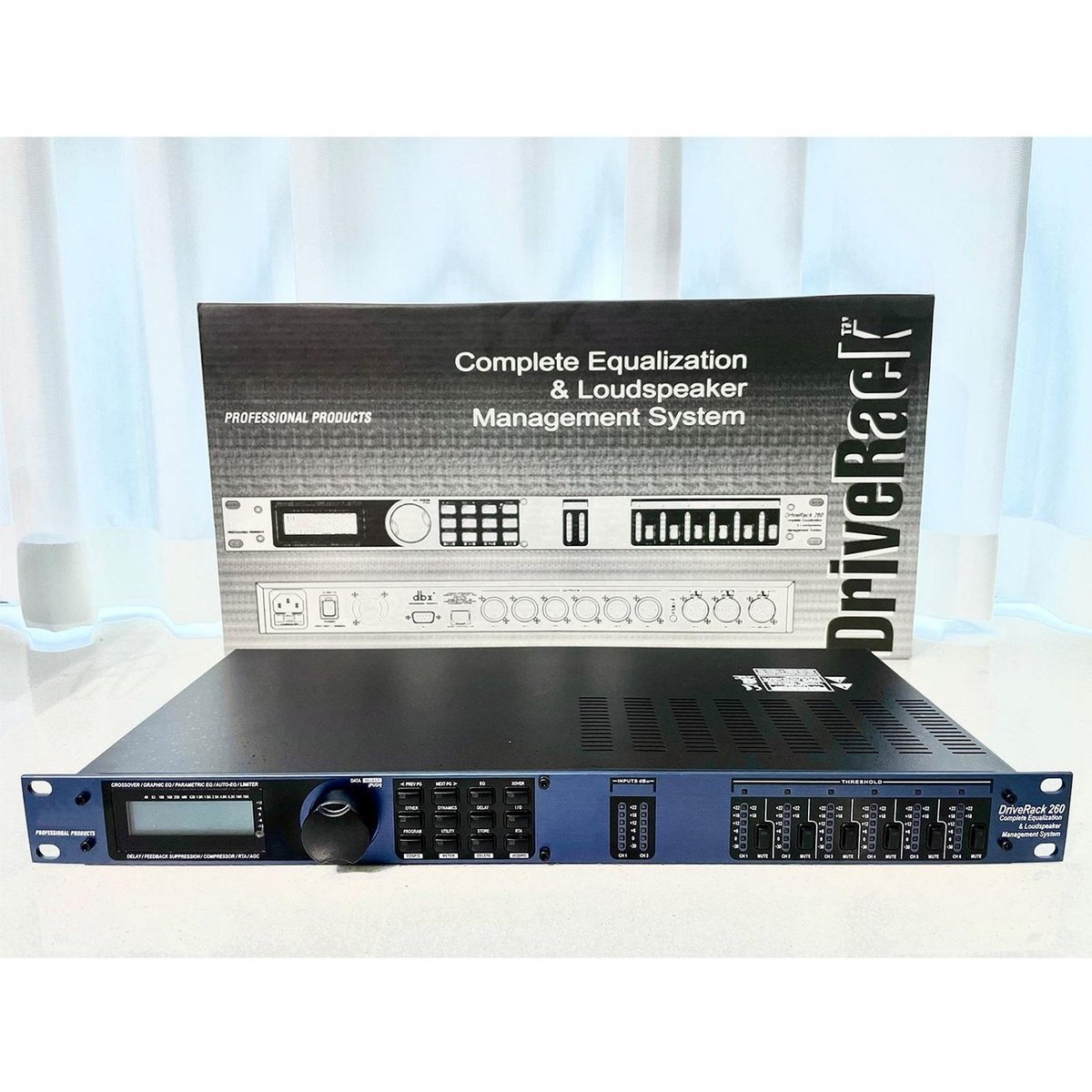
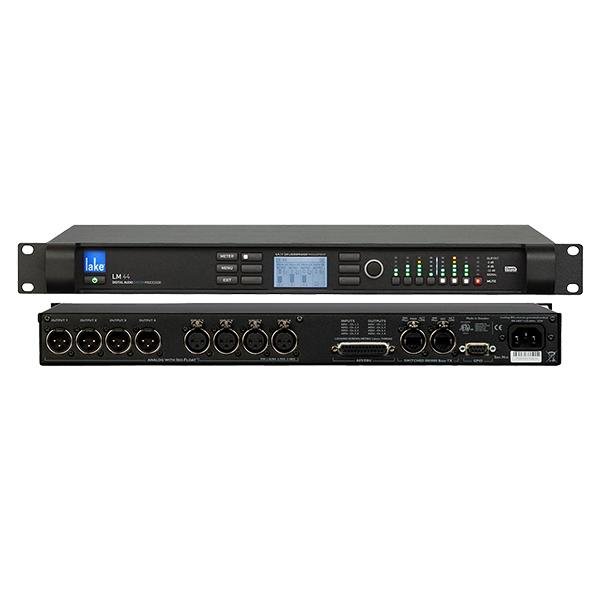
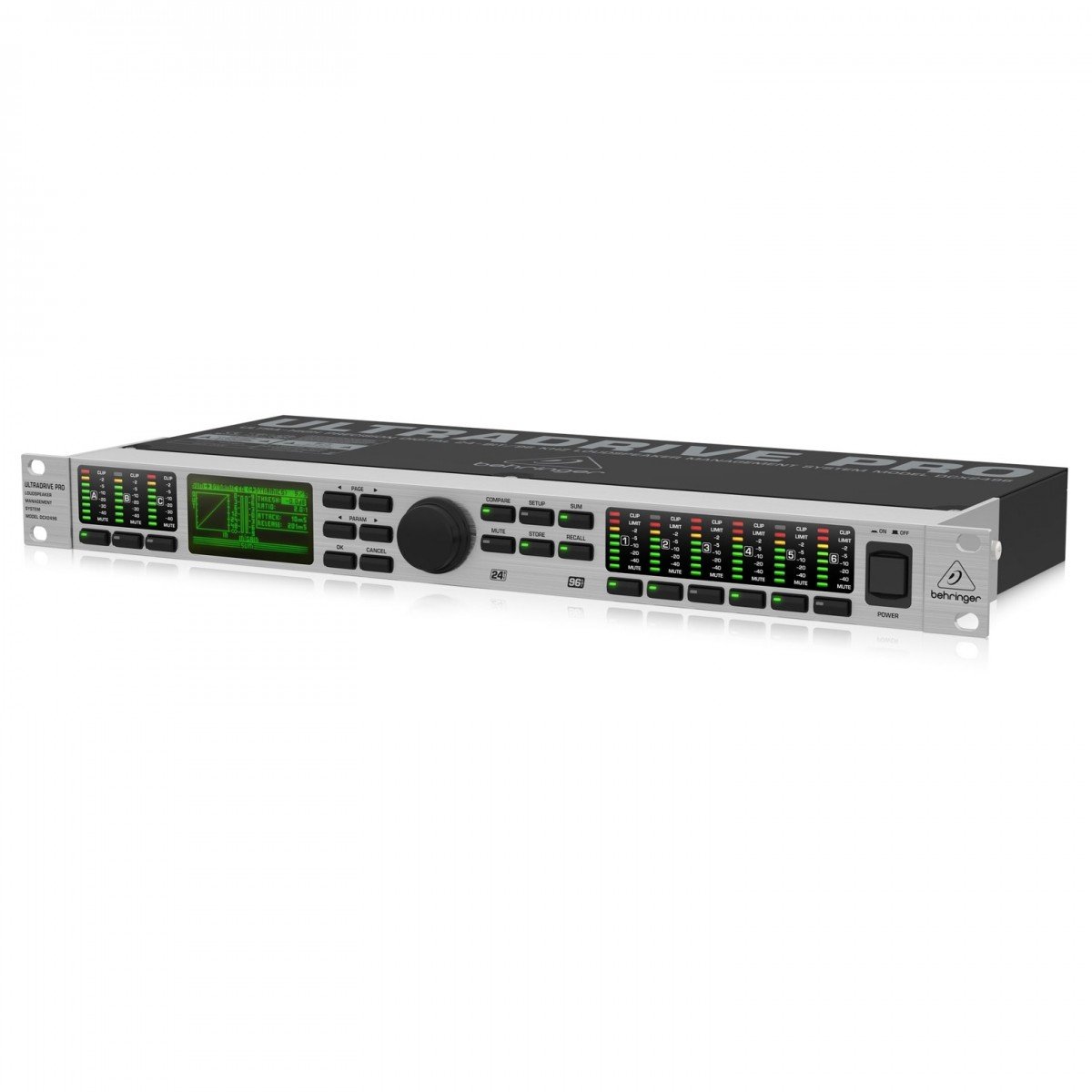
Start with the stock list, because used processing is where integrators either make a clean 35–50% margin or eat a 100% loss on a bricked unit. The safe core is rack DSP that rental houses and installers actually recognize: a dbx DriveRack 260 is the classic entry point — plentiful, well-documented, and easy to bench-test. Above that, a Lake LM44 is the unit that separates you from the guy flipping Behringer DCX2496s on marketplace apps; it's a tour-grade loudspeaker processor with real resale depth. Stock two tiers: workhorse units you can certify in-house, and premium units you only buy with service history. Avoid orphaned one-offs unless you have a donor unit for boards.
Certification is the part most new entrants skip, and it's exactly what buyers ask about. On LinkedIn procurement threads and r/livesound, the recurring question is: "How do I check a used digital processor before buying?" The honest answer is a bench protocol — verify every input and output, run pink noise through each channel, check for scratchy encoders, confirm firmware version, and load a known preset. For a DriveRack 260, that means testing the front-panel navigation and the RS-232 port; for a Lake LM44, it means checking the Dante card and the redundant PSU. Publish the test sheet with the unit. That single PDF is why an integrator can charge 15–20% over marketplace pricing and still close.
Then there's the service reality, which decides what you can actually promise. Processors are mostly surface-mount boards; you're not reconing a woofer here, you're swapping PSUs, cleaning faders, and reflashing firmware. Keep a small spares shelf: one spare PSU per model family, a couple of encoder boards, and a known-good reference unit. If you stock a Behringer DCX2496, budget for the fact that its display and encoders are the usual failure points — buy units with intact screens and test the jog wheel. For premium stock like the Lake LM44, get a service quote from an authorized bench before you list it; a $200–$400 service bill is cheap insurance against a return from a rental firm in Riyadh.
Industry context matters more than most integrators admit. Rental demand for processed PA is steady in the CIS and Middle East, where new-equipment lead times and import costs push buyers toward used. In South America and Africa, the calculus is duty and voltage: a 120V unit shipped into a 230V market needs a transformer or a PSU swap, and customs can add 20–35% on top of freight. That's why your listing should state mains voltage, original region, and whether the PSU is switchable. A used processor that's correctly specified for the region sells in days; the same unit with vague voltage info sits for months.
Policy and paperwork are your moat. CE/UL marks matter to integrators who are signing off on installed systems, and a missing mark can kill a deal at the tender stage. Keep the original declaration of conformity where you have it, and be honest when you don't. For cross-border sales, build a simple customs pack: commercial invoice, HS code for audio processing equipment, and a statement of origin. If you're shipping into the GCC or CIS, factor in that buyers will ask for a warranty — offer 90 days on certified units and price it in. That's not generosity; it's what separates an integrator's used offer from a marketplace flip.
Closing takeaway: treat used pro audio effects as a certified, documented product line, not a bargain bin. Stock two tiers, bench-test and publish results, keep spares for the models you list, and be explicit about voltage and compliance. Do that, and the used category becomes a margin engine that feeds your integration business instead of a liability.