Skip to content
XMON Unit-37574 1 / 9
XMON Unit-37574 01XMON Unit-37574 02XMON Unit-37574 03XMON Unit-37574 04XMON Unit-37574 05XMON Unit-37574 06XMON Unit-37574 07XMON Unit-37574 08XMON Unit-37574 09

Used Processors

XMON Unit-37574

XMON · Unit-37574

Price on request
Grade A In stock

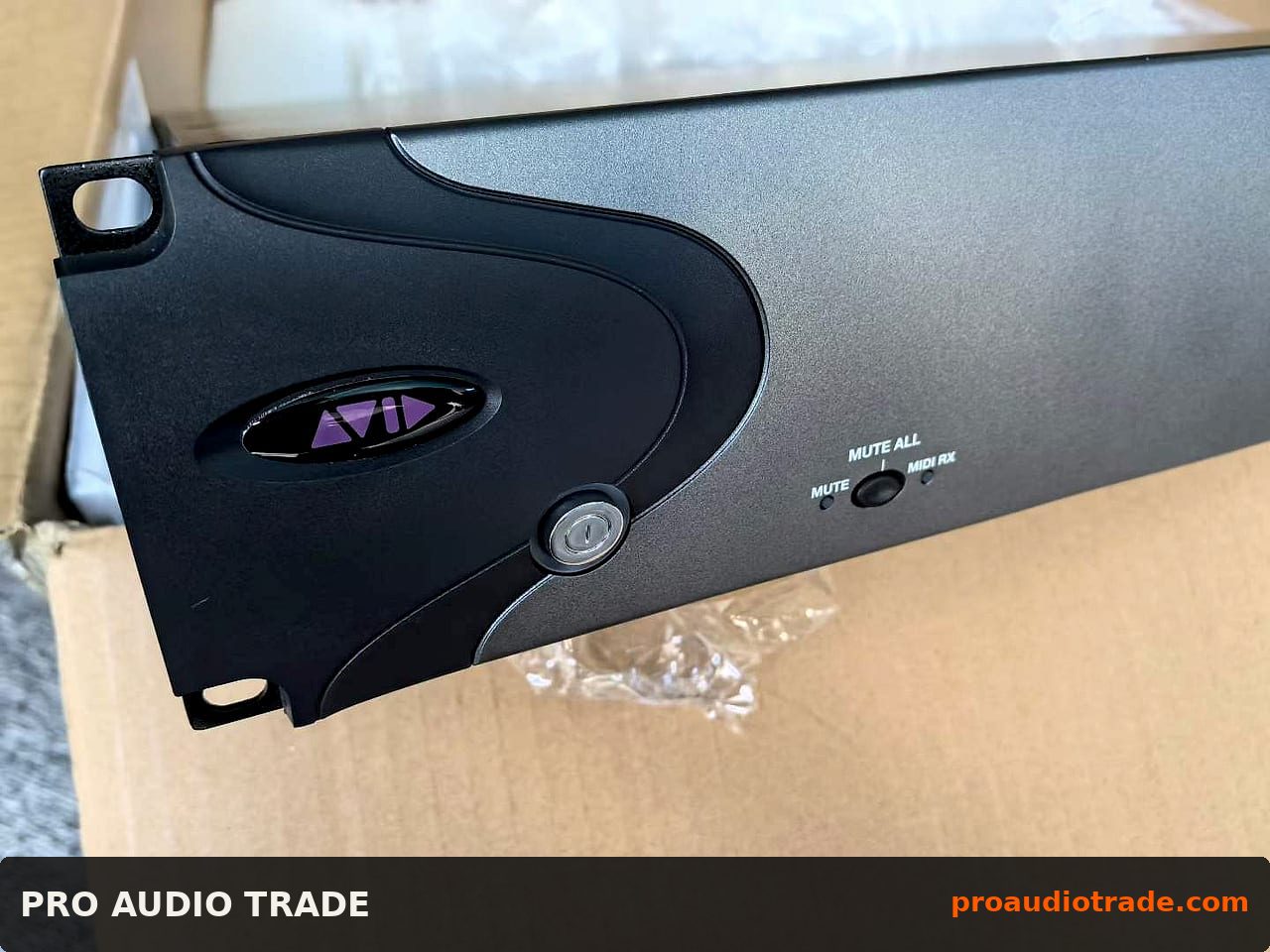
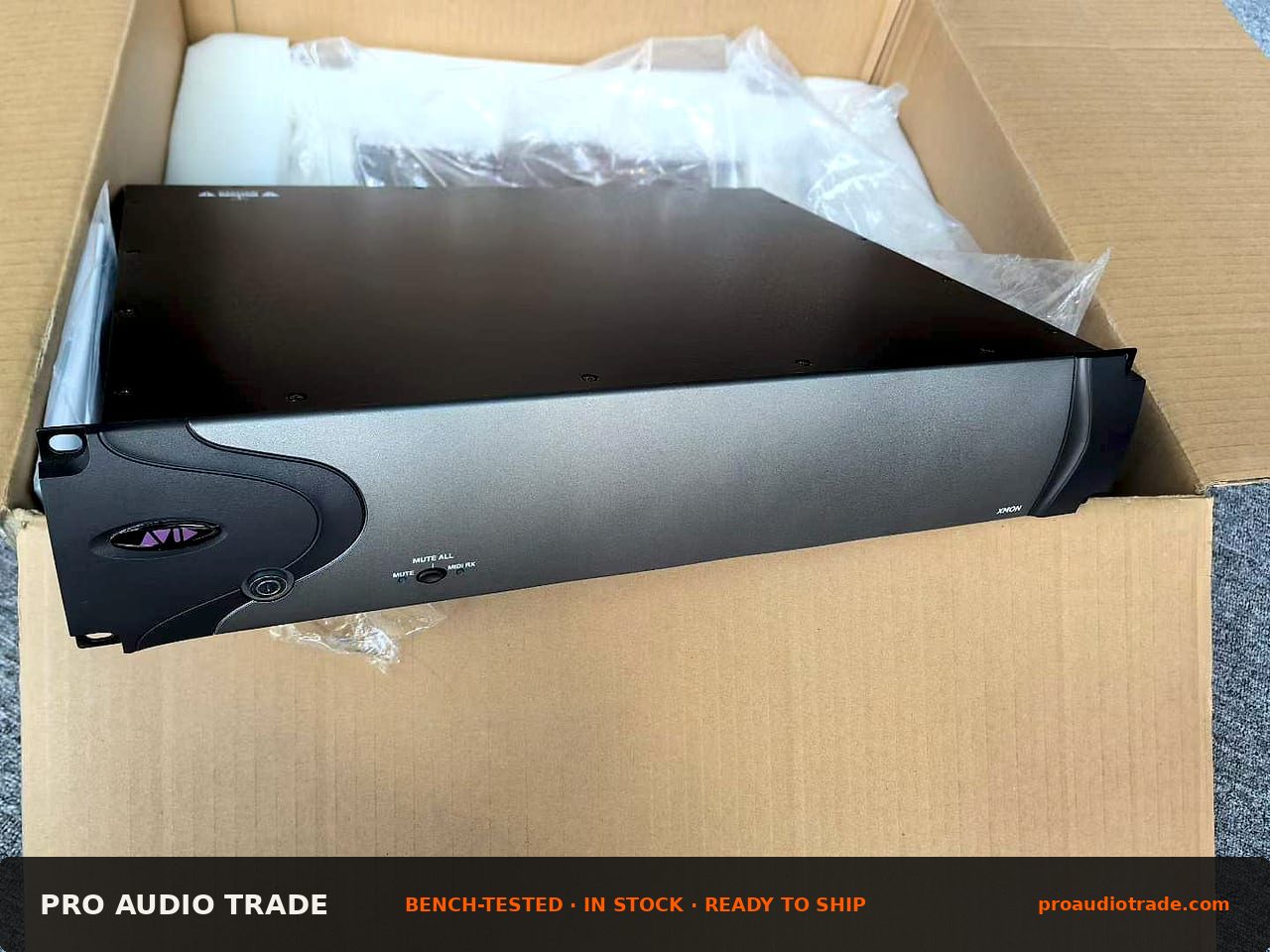
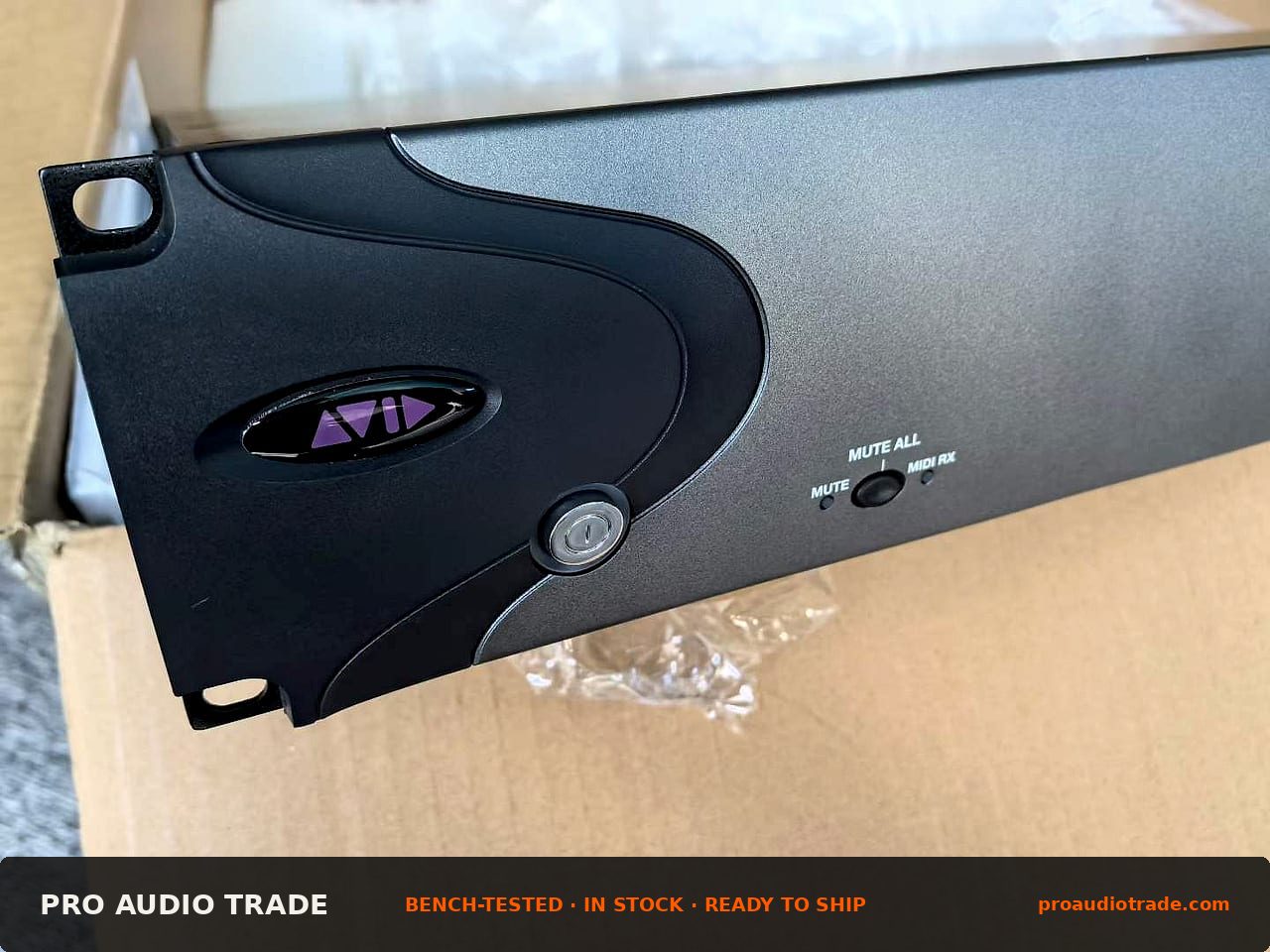
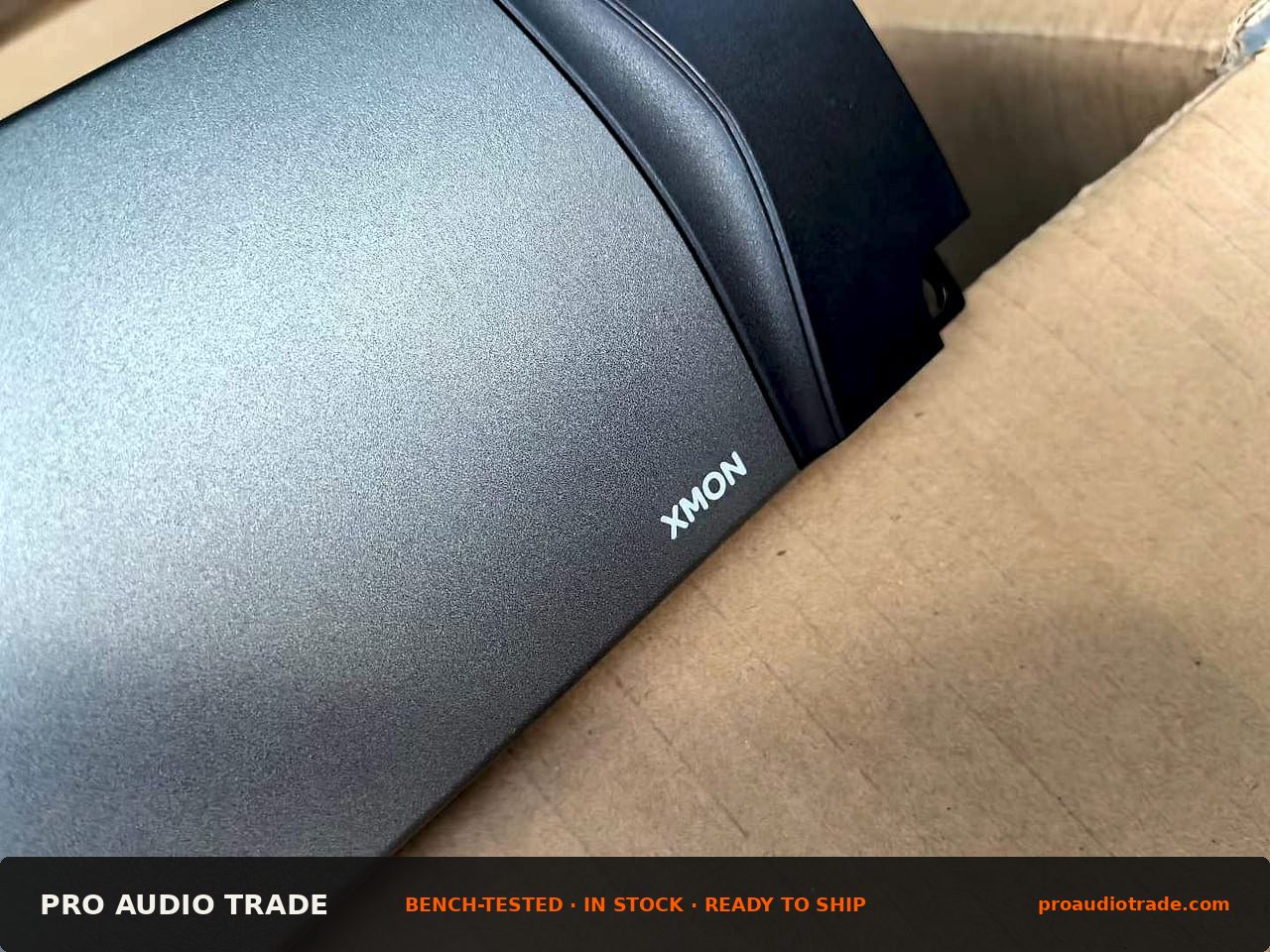
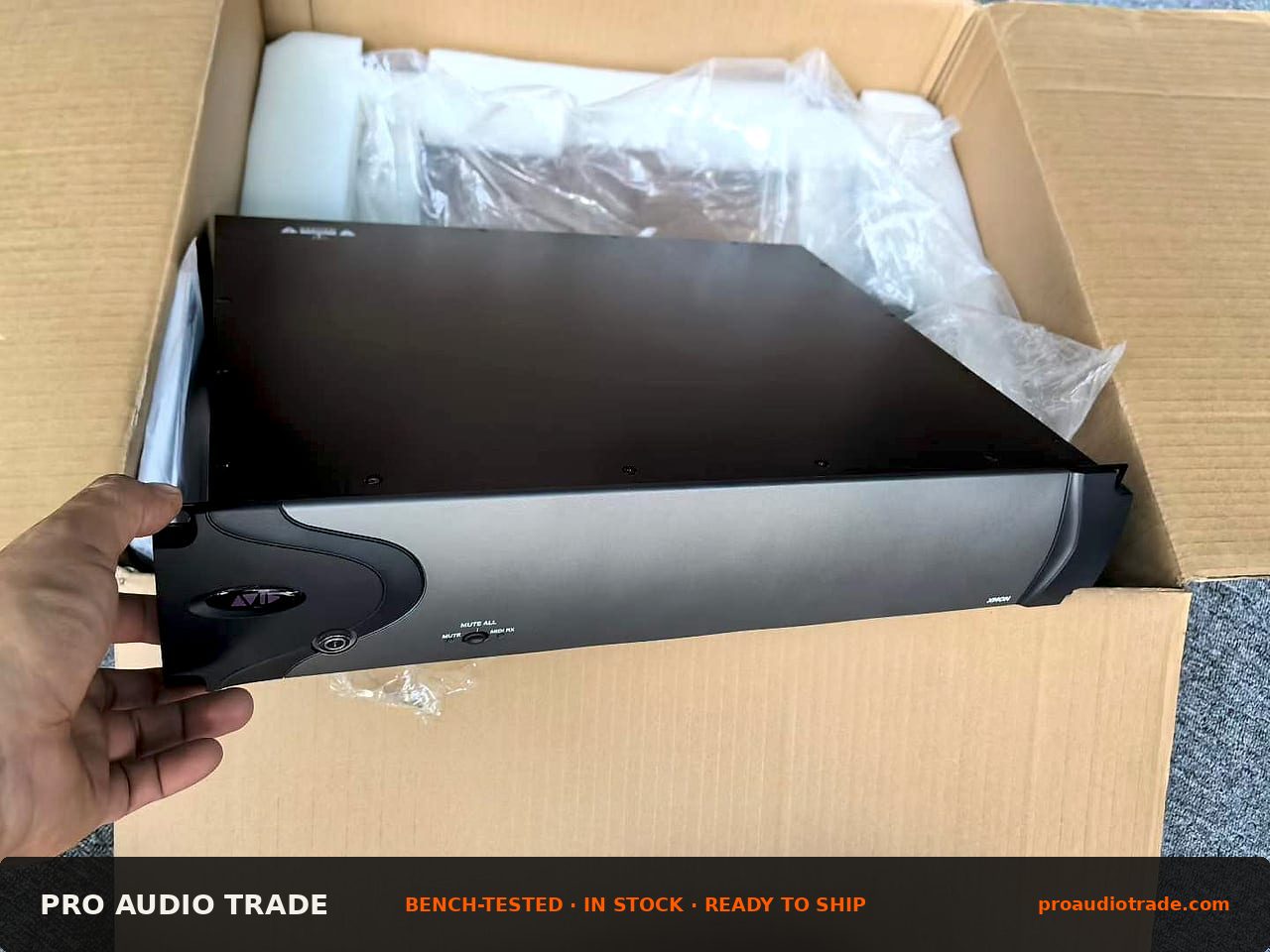
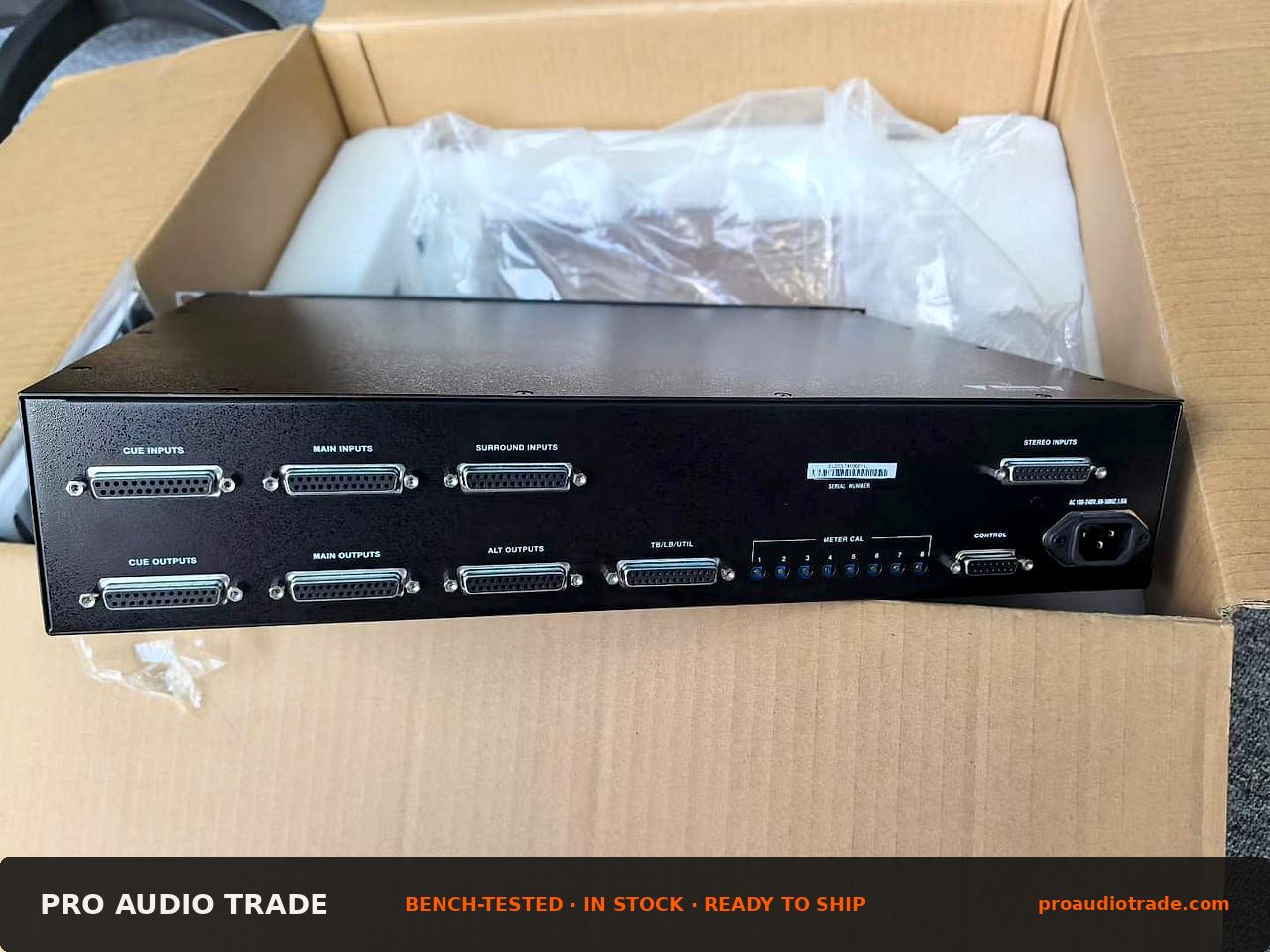
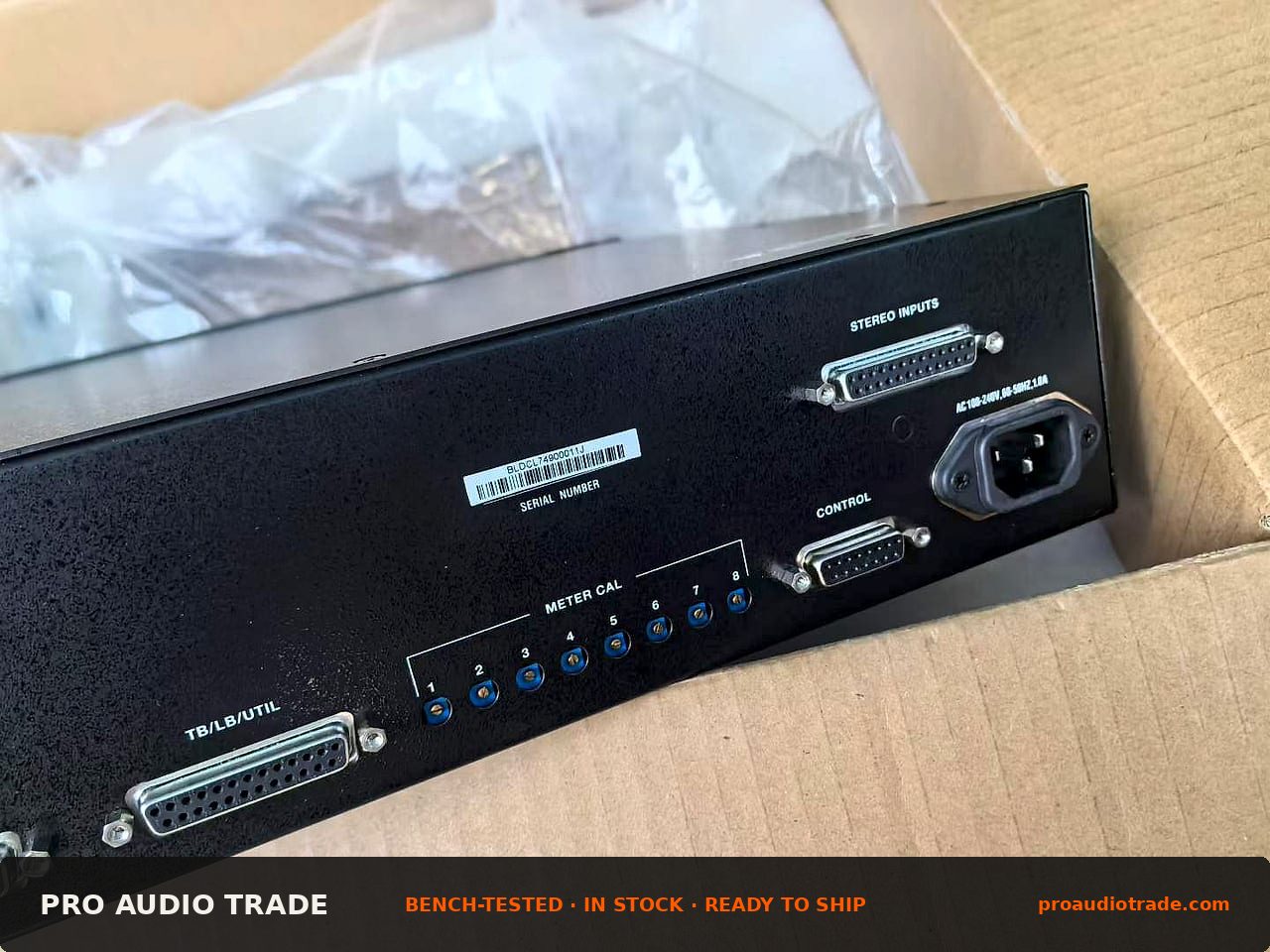
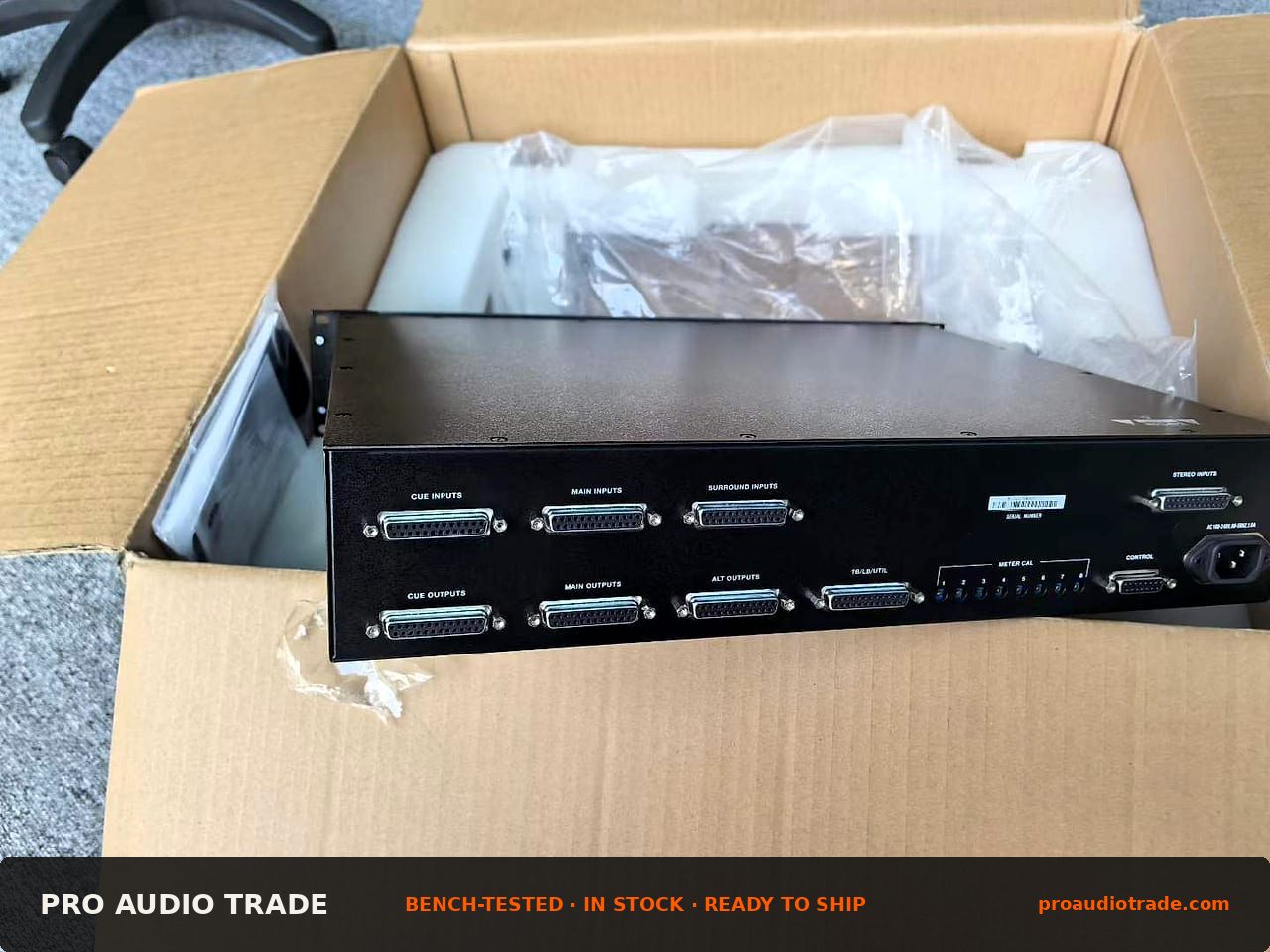
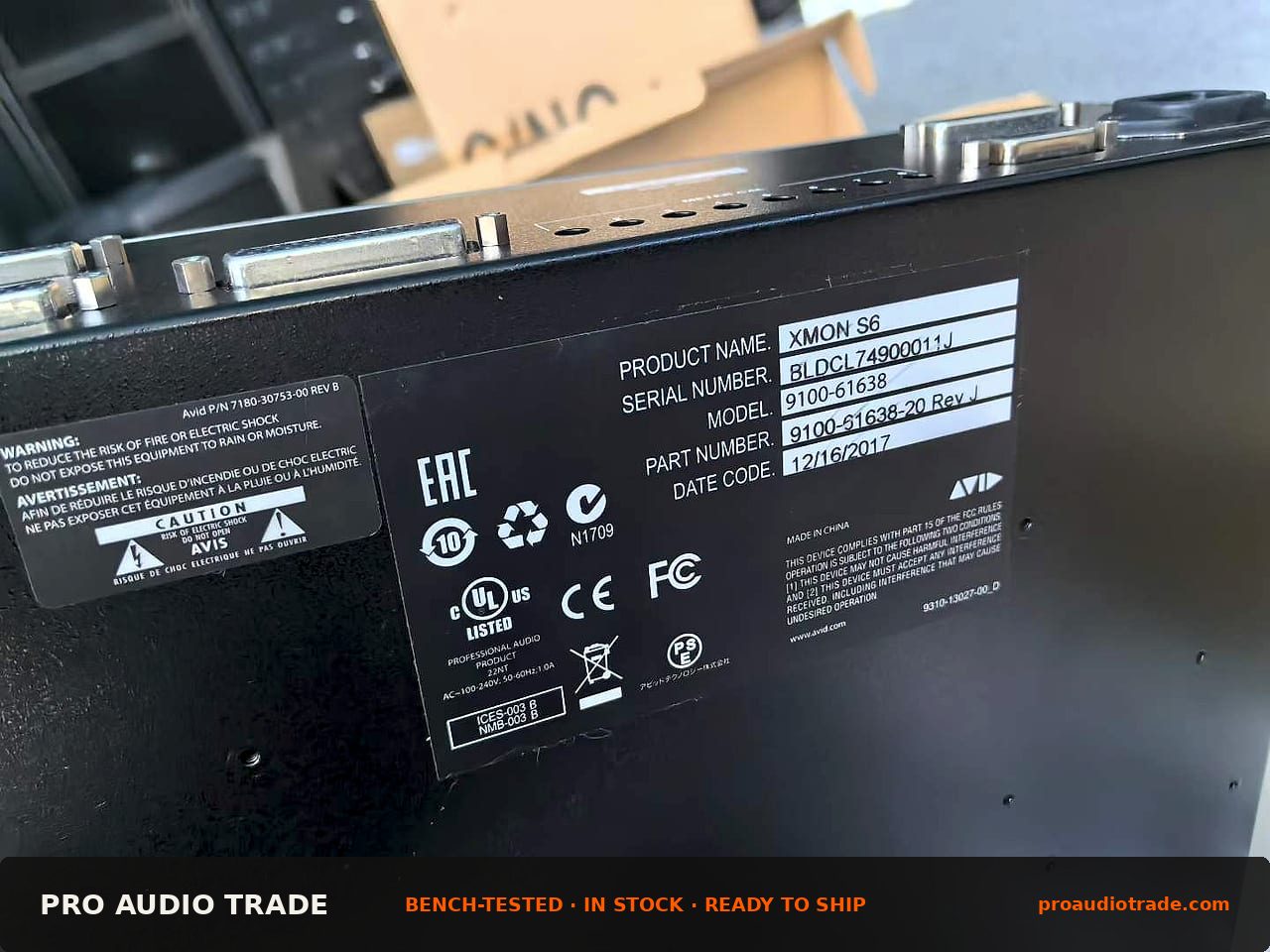
This is a used XMON studio monitor controller in like-new condition, presented in its original packaging. The unit features a dark grey chassis with a distinctive front panel logo and a rear panel populated with multiple DB25 connectors for cue, main, surround, and stereo inputs/outputs. It shows no visible cosmetic wear and includes the original box and protective wrapping.

Type
Studio monitor controller
Connectors
DB25 inputs/outputs, MIDI, IEC power
Grille
—
Condition
A
Included
Original box, protective packaging
— Similar equipment

Best Used Audio Processors Ranking: dbx DriveRack 260, Lake LM44, Behringer DCX2496

Similar units in stock →
— Knowledge

Technical notes and buyer guidance

Used XMON Unit-37574 for Sale: A Practical Review for Pro Audio Buyers

If you are sourcing a used XMON Unit-37574 for a rental fleet, a fixed install, or a broadcast rack, you already know this piece of gear occupies a very specific niche: it is the monitor control and communications hub that ties together a console, a stage rack, and a set of engineer and artist listen paths. The question is not whether a used unit can work — plenty do, for years — but whether the specific unit you are looking at has been tested in a way that matches how you will deploy it. This review walks through where the XMON fits in real inventories, which specs actually matter for integration, what to inspect before you wire a penny, how pricing and total cost of ownership shake out, and how a B2B order typically moves from grade to freight.

The XMON is not a glamorous line item, but it is a load-bearing one. In a rental house it usually lives in the monitor world: it takes console monitor outputs, handles engineer cue and artist cue switching, and provides talkback and listen mic routing so that a monitor engineer can flip between wedges, IEMs, and the artist's talkback without repatching. In a venue it is often the fixed hub between a FOH console and a stage box, giving the house engineer a stable monitor control point that does not depend on a laptop being open.

What makes the XMON attractive on the used market is that its job is relatively stable. It is not a DSP-heavy box that gets outrun by firmware; it is a routing and control unit. That means a well-kept unit from a rental fleet can still be a first-call piece in a 2025 inventory, especially for CIS, Middle East, South America, and Africa buyers who need proven hardware without new-unit lead times. The catch is that rental fleets are hard on connectors and switches, so the used unit you buy is only as good as the inspection behind it.

XMON Unit-37574 Price Used: What B2B Buyers Should Know

When you search for a used XMON Unit-37574 price, you're likely trying to budget for a monitor controller that fits into a rental rack, a fixed install, or a mobile rig without blowing the capex. The XMON is a known quantity in professional audio: it's the dedicated monitor section for Digidesign/Avid ICON consoles, and it also shows up in post-production suites and broadcast facilities where a compact, reliable monitor controller is needed. But the used market for this unit is not as straightforward as buying a new one from a dealer. Pricing varies wildly based on condition, revision, included cabling, and whether the unit has been tested on a real system. This article breaks down what drives the price, what to inspect, and how to buy a used XMON Unit-37574 through a B2B wholesale channel without getting burned.

The XMON is not a generic monitor controller; it's a purpose-built unit designed to work with ICON-series consoles (D-Control, D-Command) and Pro Tools|HD systems. In a rental company's inventory, it's often kept as a spare or as part of a complete ICON package. For integrators, it's a useful problem-solver when a client needs a compact monitor section that can handle multiple sources, speaker sets, and talkback in a post or broadcast room. Because it's a niche item, demand is steady but not high-volume. That means used prices can be surprisingly low when a facility decommissions an ICON rig, and surprisingly high when a single unit is needed to complete a system and supply is thin. For a venue or rental firm, the XMON is the kind of unit you buy when you already have the console ecosystem and need a tested spare, not when you're building a system from scratch. Its value is in compatibility and uptime, not in features you can compare on a spec sheet.

The XMON Unit-37574 is a 2U rackmount monitor controller with multiple analog inputs, speaker outputs, and a talkback section. For integration work, the critical specs are the connector types (DB-25, XLR, TRS), the impedance and level matching for your console and monitors, and the power supply requirements. The unit is designed to interface directly with the ICON console's monitor section, so if you're using it outside that ecosystem, you'll need to verify that the input and output levels are compatible with your gear. The talkback and dim functions are also important in broadcast and post environments, where a monitor controller must handle cue mixes and communication reliably. Another spec that matters is the revision: early and later units may have different firmware or component changes, and some revisions are more desirable for certain console models. When buying used, always ask for the exact revision number and confirm it matches your console's requirements. The physical condition of the DB-25 connectors is also critical, as bent pins can cause intermittent channel dropouts that are hard to diagnose.

XMON Unit-37574 vs Alternatives: A Used-Gear Buyer's Guide

When you're specifying a monitor controller for a rental rack, a post-production suite, or a fixed install, the XMON Unit-37574 often surfaces in used listings alongside a handful of other compact, remote-ready units. This comparison is written for audio engineers, rental firms, and systems integrators who need to decide whether a tested used XMON Unit-37574 makes sense versus the usual alternatives—and what to check before you commit budget.

The XMON Unit-37574 is typically deployed as a remote monitor-control surface for consoles and DAWs where the operator needs talkback, cue switching, and monitor level control away from the main desk. In rental inventories it earns its place because it is compact, rugged enough for flightcase life, and familiar to freelance engineers who move between rooms. For integrators, it is a practical choice when the client wants a dedicated monitor section without rebuilding the console footprint. Compared with alternatives such as the SPL MTC series, Dangerous Music Monitor ST, or the Crane Song Avocet, the XMON Unit-37574 is less about audiophile monitoring and more about workflow: fast source selection, reliable talkback, and predictable behavior under show conditions. That positioning matters when you are buying used—you are not chasing the lowest noise floor, you are buying a tool that has to survive load-in, load-out, and a dozen different operators.

For integration, the specs that actually affect the install are connector types, remote-control protocol, power requirements, and physical depth. The XMON Unit-37574 is usually specified with balanced analog I/O on XLR or TRS, a remote link to the host unit, and a straightforward external PSU. Check that the unit you are buying includes the correct remote cable and PSU—these are the parts that go missing in rental fleets and are expensive to source separately. Latency and transparency are rarely the deciding factors at this price point; what matters is whether the talkback mic input has enough gain for the dynamic mics typically used in control rooms, and whether the monitor output can drive both nearfields and a sub without fuss. If you are integrating into a Dante or AES67 plant, the XMON Unit-37574 is an analog-domain device, so plan for conversion at the host console rather than expecting native network audio. That is a key difference versus newer alternatives that offer networked control.