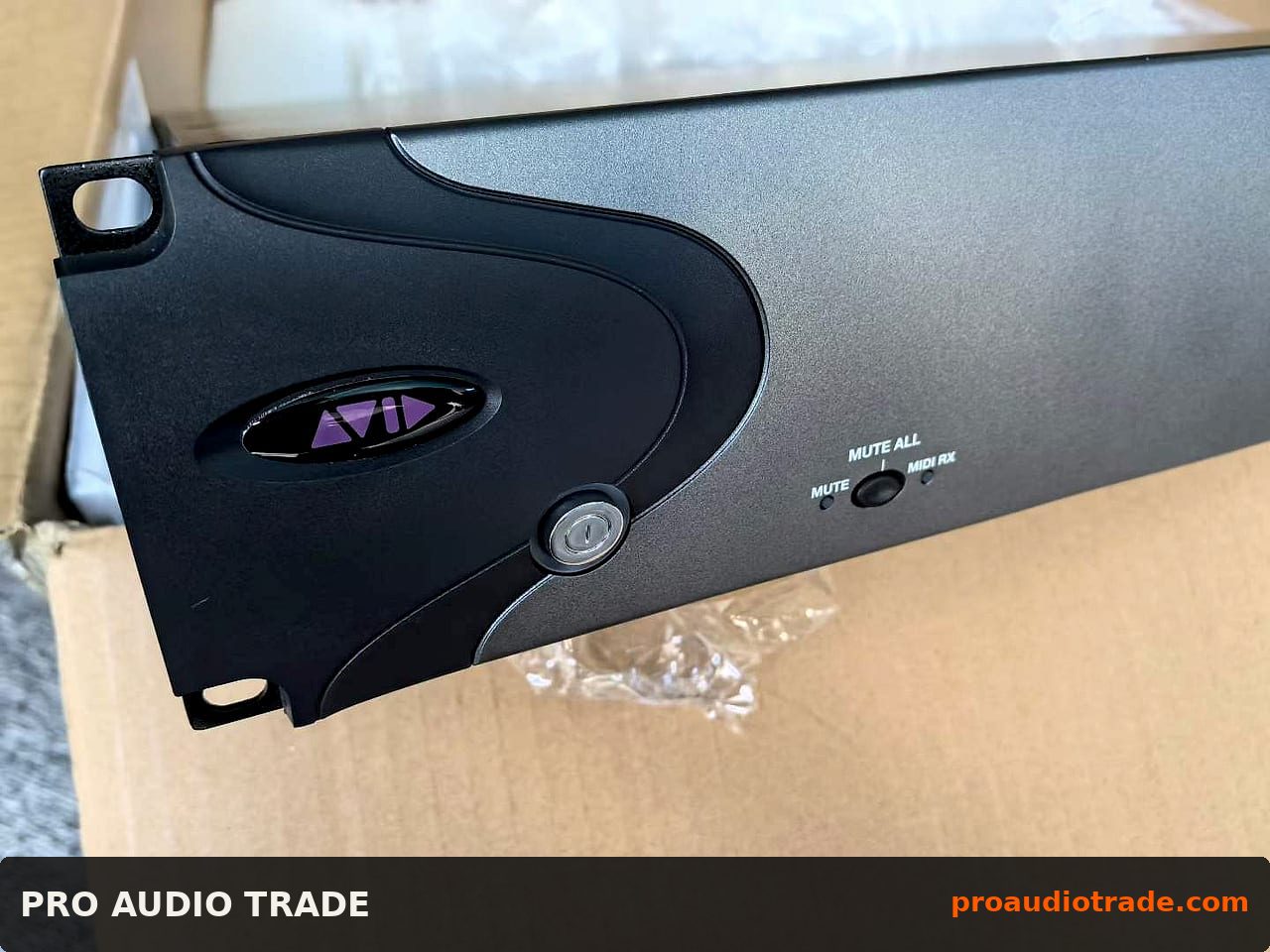
When you search for a used XMON Unit-37574 price, you're likely trying to budget for a monitor controller that fits into a rental rack, a fixed install, or a mobile rig without blowing the capex. The XMON is a known quantity in professional audio: it's the dedicated monitor section for Digidesign/Avid ICON consoles, and it also shows up in post-production suites and broadcast facilities where a compact, reliable monitor controller is needed. But the used market for this unit is not as straightforward as buying a new one from a dealer. Pricing varies wildly based on condition, revision, included cabling, and whether the unit has been tested on a real system. This article breaks down what drives the price, what to inspect, and how to buy a used XMON Unit-37574 through a B2B wholesale channel without getting burned.
Where the XMON Unit-37574 fits in a rental or venue inventory
The XMON is not a generic monitor controller; it's a purpose-built unit designed to work with ICON-series consoles (D-Control, D-Command) and Pro Tools|HD systems. In a rental company's inventory, it's often kept as a spare or as part of a complete ICON package. For integrators, it's a useful problem-solver when a client needs a compact monitor section that can handle multiple sources, speaker sets, and talkback in a post or broadcast room. Because it's a niche item, demand is steady but not high-volume. That means used prices can be surprisingly low when a facility decommissions an ICON rig, and surprisingly high when a single unit is needed to complete a system and supply is thin. For a venue or rental firm, the XMON is the kind of unit you buy when you already have the console ecosystem and need a tested spare, not when you're building a system from scratch. Its value is in compatibility and uptime, not in features you can compare on a spec sheet.
Key specs that matter for integration work
The XMON Unit-37574 is a 2U rackmount monitor controller with multiple analog inputs, speaker outputs, and a talkback section. For integration work, the critical specs are the connector types (DB-25, XLR, TRS), the impedance and level matching for your console and monitors, and the power supply requirements. The unit is designed to interface directly with the ICON console's monitor section, so if you're using it outside that ecosystem, you'll need to verify that the input and output levels are compatible with your gear. The talkback and dim functions are also important in broadcast and post environments, where a monitor controller must handle cue mixes and communication reliably. Another spec that matters is the revision: early and later units may have different firmware or component changes, and some revisions are more desirable for certain console models. When buying used, always ask for the exact revision number and confirm it matches your console's requirements. The physical condition of the DB-25 connectors is also critical, as bent pins can cause intermittent channel dropouts that are hard to diagnose.
Used-buying checklist: what to inspect and what to ask
Before you commit to a used XMON Unit-37574, ask the seller for a test report that includes a signal pass-through on all channels, a talkback test, and a check of the dim and mono functions. A reputable B2B seller will have this on file. If they can't provide it, factor in the cost of a bench test. Physically, inspect the DB-25 connectors for bent pins, the XLR and TRS jacks for loose contacts, and the front-panel switches for smooth operation. The power supply is a common failure point on older units, so ask whether the PSU has been recapped or replaced. Also check the rear panel for signs of overheating or modifications. Ask for the serial number and revision, and confirm that the unit was pulled from a working system rather than a salvage lot. If the seller offers a grading system (A, B, C), ask what each grade means in terms of cosmetic and functional condition. Finally, request photos of the actual unit, not stock images, and ask about the history: was it in a smoke-free, climate-controlled facility? Units from touring rigs may have more wear on the connectors and switches.
Price context and total cost of ownership
Used XMON Unit-37574 prices typically range from a few hundred to just over a thousand USD, depending on condition, revision, and included accessories. A tested, grade-A unit with a warranty from a B2B seller will sit at the higher end, while as-is units from decommissioned facilities can be significantly cheaper. But the purchase price is only part of the story. Factor in the cost of a bench test if the seller doesn't provide one, the cost of replacement DB-25 cables if the originals are missing, and the potential cost of a PSU recap. For rental firms, downtime is the real cost: a unit that fails mid-show is far more expensive than a slightly higher purchase price for tested stock. That's why many B2B buyers prefer to pay a premium for tested used gear with a return policy. In terms of total cost of ownership, a tested XMON with a 30-day warranty often works out cheaper than a cheap untested unit that needs repair. Also consider the shipping cost and any import duties, especially if you're buying from a different region.
How a B2B order works: grade, freight, MOQ
In a B2B wholesale marketplace, the XMON Unit-37574 is typically sold as a single unit or as part of a lot. MOQ is usually one, but some sellers may offer discounts for multiple units. Grading is important: ask for the seller's definition of cosmetic and functional grades, and request a test report. Freight is usually arranged by the buyer or through the marketplace's logistics partners. For international orders, confirm that the seller can provide the necessary export documentation and that the unit is packed properly for transit. Insurance is recommended, as DB-25 connectors and front-panel switches can be damaged in shipping. Payment terms vary: some sellers require prepayment, while others offer net terms for established buyers. Always clarify the return policy and warranty period before you pay. If you're buying from a different region, ask about voltage compatibility and whether the unit comes with the correct power cable. A good B2B seller will walk you through the process and provide references from other buyers in your region.
A used XMON Unit-37574 can be a smart purchase for a rental firm or integrator who needs a tested, compatible monitor controller without the new-unit price. The key is to buy from a seller who provides real test data, clear grading, and a warranty. Focus on the revision, the connector condition, and the power supply, and factor in the total cost of ownership rather than just the sticker price. With the right due diligence, you can add a reliable unit to your inventory at a fraction of the new cost.