Skip to content
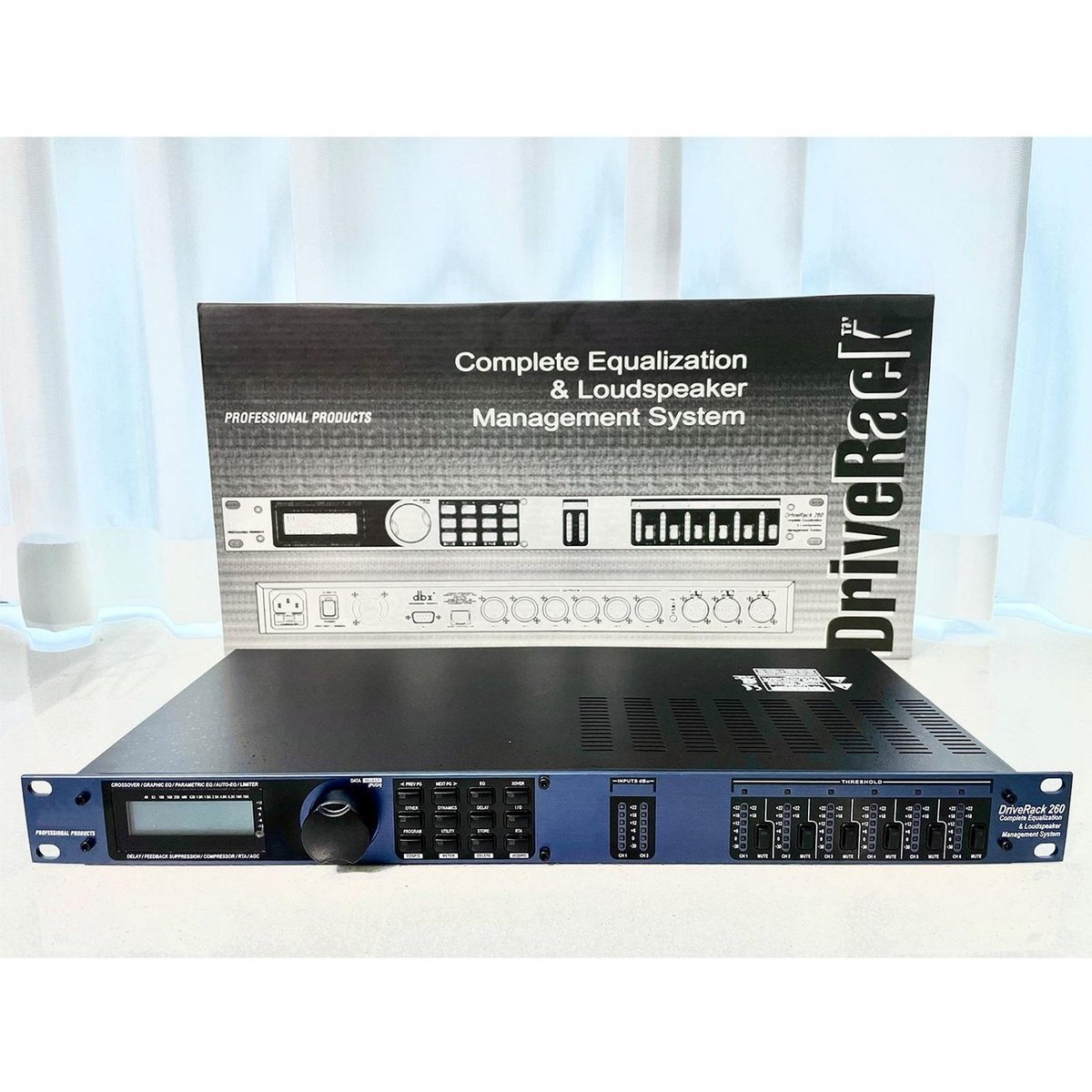
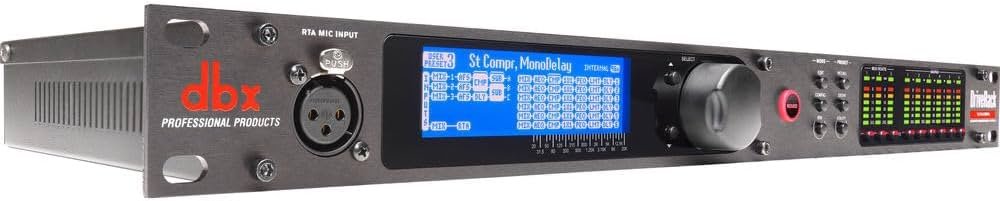
dbx DriveRack 260
dbx DriveRack 260 01dbx DriveRack 260 02

Used Processors

dbx DriveRack 260

Grade B In stock

Loudspeaker management processor with 2 inputs, 6 outputs, EQ, crossovers and limiters. Reliable install-grade units, reset to factory presets.

I/O
2 in / 6 out
Processing
GEQ, xover, limiter
Delay
Per output
— Common buyer questions

Common buyer questions

What condition is the dbx DriveRack 260 in?

Grade B — fully functional with visible wear.

Is the DriveRack 260 covered by warranty?

Yes — every unit ships with a 90-day functional warranty; returns are accepted on tested failures.

What is the minimum order for the DriveRack 260?

MOQ 4 units, with B2B pricing and proforma within 24 hours.

Will the DriveRack 260 work in my country?

Every unit is bench-tested for mains voltage, connectors, CE/UL fit and regional requirements; we ship to 60+ countries with customs support.

— Similar equipment

Best Used Audio Processors Ranking: An Integrator's Expansion Playbook

Similar units in stock →
— Knowledge

Technical notes and buyer guidance

Used dbx DriveRack 260 for Sale: A Practical Buyer’s Review

If you are searching for a used dbx DriveRack 260 for sale, you are likely a rental company, integrator, or engineer who needs reliable loudspeaker management without paying for features you will never use. The DriveRack 260 is a workhorse: 2 inputs, 6 outputs, 24-bit converters, and dbx’s classic compression, limiting, and EQ algorithms. In the wholesale used market, it remains one of the most requested processors because it is simple to deploy, well documented, and parts are still available. For B2B buyers in CIS, the Middle East, South America, and Africa, the 260 is often the sweet spot between the older 240 and the more complex 4800.

Compared to the DriveRack PA2 or the 4800, the 260 offers a fixed 2-in/6-out architecture that suits most bi-amp or tri-amp PA systems. The PA2 is cheaper but lacks the 260’s balanced XLR I/O and advanced feedback suppression; the 4800 adds more I/O and routing but costs significantly more and requires deeper setup knowledge. In our ranking of used dbx processors for wholesale buyers, the 260 sits at #1 for value, #2 for connectivity (behind the 4800), and #1 for ease of use. Key specs to confirm: 24-bit/48 kHz processing, +20 dBu max input, XLR inputs and outputs, and the ability to run the classic DriveRack Wizard via front panel or PC. Units with the optional dbx DriveRack 260 control software license are more desirable.

When inspecting a used DriveRack 260, start with the power supply and front-panel encoders—these are the most common failure points. Test all six outputs individually with a signal generator and check for distortion or channel dropouts. Verify that the LCD backlight is bright and that the unit accepts and retains presets after a power cycle. Look for evidence of rack rash, missing knob caps, or a tampered rear panel. Ask the seller for a photo of the serial number and, if possible, a short video showing the unit booting and passing audio. Units that have been in fixed installs are generally safer than those from touring racks.

dbx DriveRack 260 Price Used: What Buyers Actually Pay in 2024

If you are sourcing a dbx DriveRack 260 on the secondary market, the first question is always the same: what does a used unit actually cost? Across wholesale channels serving CIS, the Middle East, South America, and Africa, street prices for a working DriveRack 260 typically land between $180 and $320 depending on condition, accessories, and whether the original power supply and manual are included. Units with cosmetic wear but verified DSP function sit at the lower end; clean units with rack ears, original box, and a recent firmware check command the upper end. Be wary of anything under $150 — it usually signals a missing display, a dead backlight, or a unit pulled from a fixed install with no test history.

The DriveRack 260 remains a benchmark 2-in/6-out loudspeaker management processor: 24-bit converters, 110 dB dynamic range, parametric EQ, crossover, limiter, and delay on every output, plus the classic dbx feedback suppression. Compared with the DriveRack PA2 (simpler, cheaper, but fewer outputs) and the DriveRack 4800 (far more capable but 2–3× the price), the 260 is the sweet spot for rental firms and integrators who need reliable 6-output processing without paying for flagship features. In fixed ranking order by typical used price: DriveRack PA2 (lowest), DriveRack 260 (mid), DriveRack 4800 (highest). For most B2B buyers, the 260 is the best value per output channel.

Inspection matters more than price. Ask the seller for a photo of the LCD powered on — dim or missing segments are common and expensive to fix. Confirm all six outputs pass signal and that the front-panel encoders respond without skipping. Check the rear XLR and Euroblock connectors for bent pins or corrosion, and verify the unit holds settings after a power cycle. Request the serial number and, if possible, a short video of the unit running a factory preset. Units from touring racks often have rack rash but solid electronics; units from installs may have been running 24/7 for years, so ask about hours of use and whether the internal battery has been replaced.

dbx DriveRack 260 vs Alternatives: Which Used Loudspeaker Management Processor Should You Buy?

The dbx DriveRack 260 is a veteran of the loudspeaker management world, and for good reason: it packs a 2-in/6-out configuration, 28-band graphic EQs, parametric EQs, crossovers, limiters, and dbx's proprietary Advanced Feedback Suppression into a single 1U rack unit. For rental firms and integrators in CIS, the Middle East, South America, and Africa, it remains a familiar, rider-friendly workhorse that is easy to source used and simple to operate. But the used market is full of alternatives that may offer better value, more modern connectivity, or features the 260 lacks. This comparison looks at the most common used alternatives—the dbx DriveRack PA2, the Behringer DCX2496, the BSS BLU-100, and the Xilica XP-8080—to help you decide where your money is best spent.

In terms of key specs, the DriveRack 260 offers 2 analog inputs and 6 analog outputs, 24-bit/48kHz processing, and a full suite of dynamics and EQ tools. The DriveRack PA2 is a newer 2-in/6-out unit with a simplified front-panel wizard, but it drops the 260's advanced feedback suppression and offers less flexible routing. The Behringer DCX2496 is a 3-in/6-out processor with 24-bit/96kHz converters and excellent value, though its user interface and build quality are a step below the dbx. The BSS BLU-100 is a 12-in/8-out networked processor with Dante and BLU link, ideal for installed systems but overkill for simple rental racks. The Xilica XP-8080 is an 8-in/8-out unit with Ethernet control and excellent sound quality, but it is less common on riders and may require a learning curve. For most used buyers, the 260 strikes the best balance of familiarity, features, and price.

Ranking these alternatives for a used B2B buyer, the dbx DriveRack 260 comes first for its proven reliability, rider acceptance, and comprehensive feature set at a low used price. The Behringer DCX2496 is a strong second for budget-conscious rental firms that need more outputs and higher sample rates, provided they can accept a less rugged build. The dbx DriveRack PA2 is third: it is newer and easier to use, but less capable for complex systems. The BSS BLU-100 is fourth, best suited to fixed installations with networked control rather than mobile rental. The Xilica XP-8080 is fifth, a premium choice for integrators who need more I/O and Ethernet, but it is harder to find used and less familiar to visiting engineers.