Skip to content
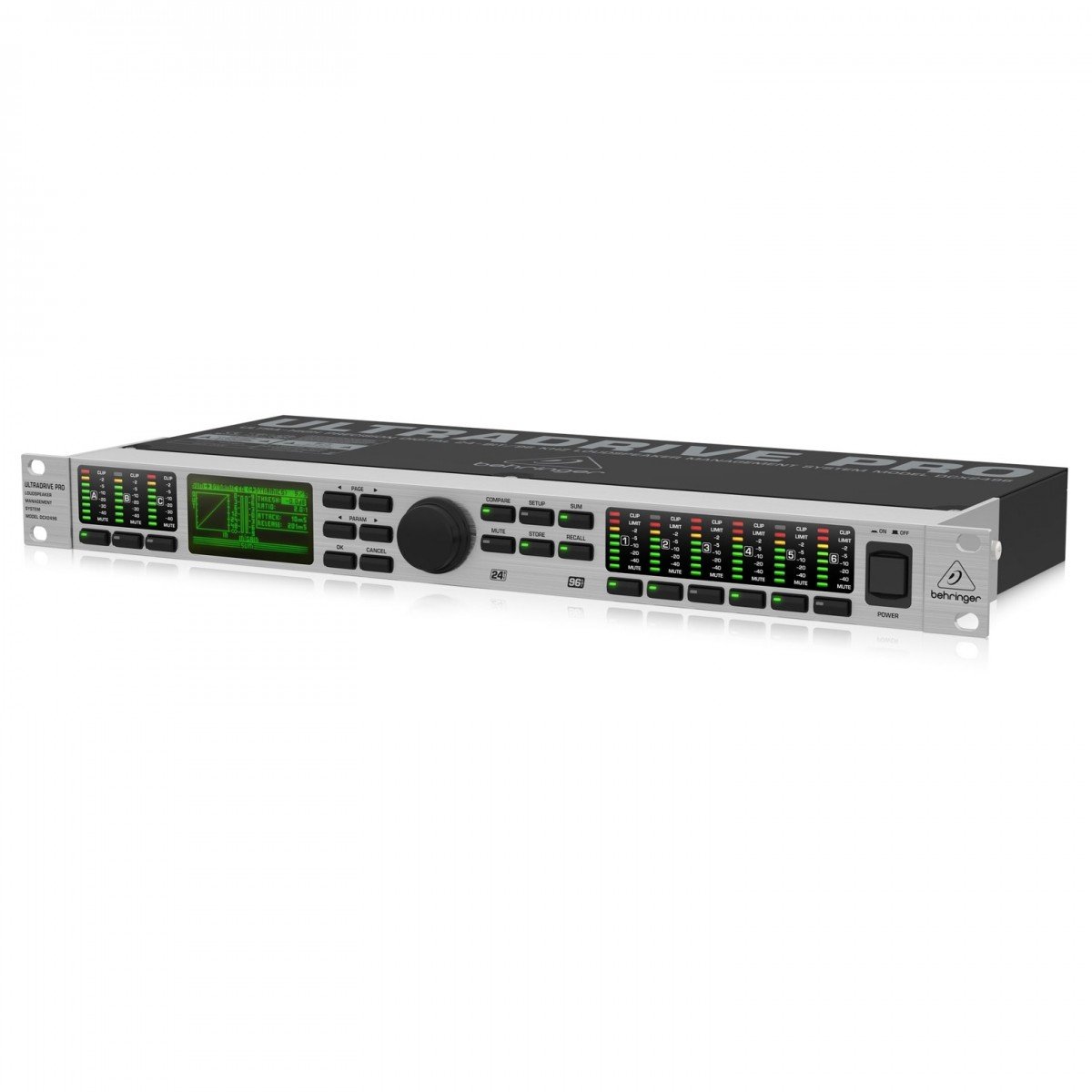
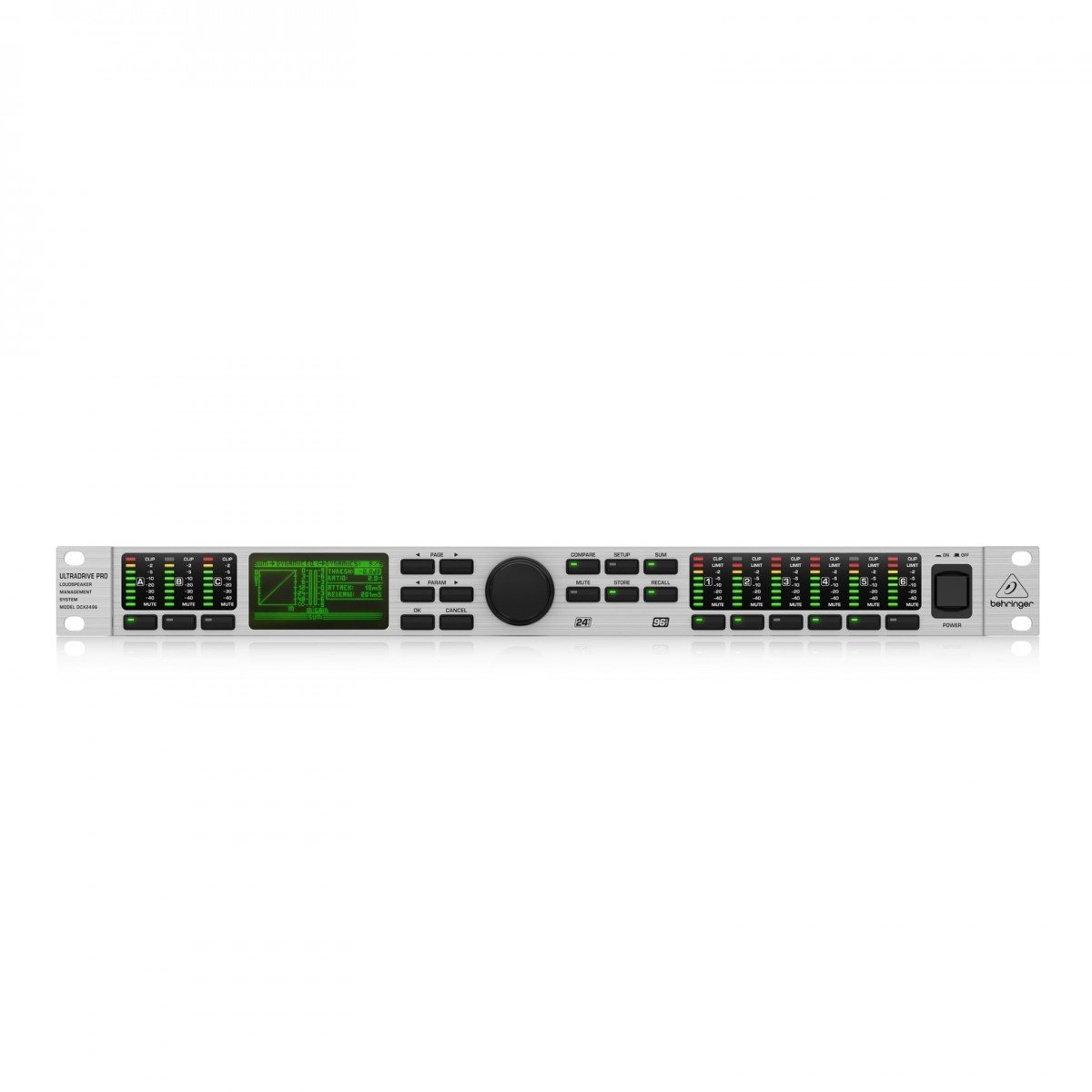
Behringer DCX2496
Behringer DCX2496 01Behringer DCX2496 02

Used Processors

Behringer DCX2496

Grade B In stock

Ultradrive digital 24-bit/96 kHz loudspeaker management, 3 inputs and 6 outputs with parametric EQ and limiters. Budget-friendly install lots.

I/O
3 in / 6 out
Resolution
24-bit / 96 kHz
Processing
PEQ, xover, delay
— Common buyer questions

Common buyer questions

What condition is the Behringer DCX2496 in?

Grade B — fully functional with visible wear.

Is the DCX2496 covered by warranty?

Yes — every unit ships with a 90-day functional warranty; returns are accepted on tested failures.

What is the minimum order for the DCX2496?

MOQ 6 units, with B2B pricing and proforma within 24 hours.

Will the DCX2496 work in my country?

Every unit is bench-tested for mains voltage, connectors, CE/UL fit and regional requirements; we ship to 60+ countries with customs support.

— Similar equipment

Best Used Audio Processors Ranking: An Integrator's Expansion Playbook

Similar units in stock →
— Knowledge

Technical notes and buyer guidance

Used Behringer DCX2496 for Sale: A Practical Review for Pro Audio Buyers

If you are searching for a used Behringer DCX2496 for sale, you are likely looking for an affordable, flexible loudspeaker management system that can handle crossover, EQ, delay, and limiting duties without breaking the budget. The DCX2496 (also known as the Ultradrive Pro) is a 3-in/6-out digital processor that has been a staple in rental inventories, small installs, and mobile rigs for years. Its appeal is simple: three analog inputs, six analog outputs, 24-bit/96 kHz converters, and a full suite of processing tools in a single 1U rack unit. For engineers in CIS, the Middle East, South America, and Africa, where access to premium brands can be costly, a used DCX2496 often represents the most practical way to get reliable system control.

Key specs and comparison: The DCX2496 offers 3 analog inputs (XLR) and 6 analog outputs (XLR), with optional AES/EBU digital input. Each output channel includes parametric EQ, graphic EQ, delay, limiter, and crossover filters (Butterworth, Bessel, Linkwitz-Riley) with slopes up to 48 dB/oct. Compared to its common alternatives, the DBX DriveRack PA2 has a more intuitive interface but fewer outputs (only 6 with 2 inputs), while the Behringer DCX2496 gives you an extra input for flexible routing (e.g., mono sub + stereo mains). The Ashly Protea 3.6SP is more robust but typically costs significantly more on the used market. In a fixed ranking of value-for-money used processors, the DCX2496 consistently ranks near the top for budget-conscious buyers who need 3-in/6-out capability. However, note that early units had known issues with the power supply and display, so condition matters more than age.

What to inspect before buying: First, check the display and encoder knob—these are common failure points on older units. Ask the seller for a photo of the LCD powered on and confirm that the knob responds smoothly without skipping. Second, verify all six outputs and three inputs work by requesting a test report or a short video showing signal passing through each channel. Third, inspect the rear panel for bent XLR pins or damaged connectors, and confirm the unit includes the original power cable (IEC). Fourth, ask about firmware version—later firmware (v1.3 or higher) fixes some bugs and is preferable. Finally, consider the unit's history: units from rental fleets may have cosmetic wear but are often well-maintained, while studio units may be cleaner but less tested under load. If possible, buy from a seller who offers a return policy or a short warranty.

Behringer DCX2496 Price Used: What Buyers Actually Pay in 2024

If you are sourcing a Behringer DCX2496 on the secondary market, the first question is always the same: what is a realistic used price? Across wholesale channels in the CIS, Middle East, South America, and Africa, the DCX2496 typically trades between $180 and $320 depending on condition, firmware revision, and whether the original box and manual are included. Units with the latest firmware and clean XLR connectors sit at the top of that range, while units with cosmetic wear or missing rack ears fall to the bottom. For rental firms and integrators, the DCX2496 remains a popular budget workhorse because it packs three inputs, six outputs, and a full suite of EQ, delay, and crossover functions into a single 1U rack unit.

When comparing used listings, keep the DCX2496's key specs in mind: 24-bit/96 kHz processing, three analog inputs (XLR), six analog outputs (XLR), AES/EBU digital input, and a front-panel interface with a rotary encoder. The unit is often compared to the dbx DriveRack PA2 and the t.racks DSP 4x4 Mini. In fixed ranking order by typical used price, the DCX2496 sits below the DriveRack PA2 (which usually commands $350–$500 used) and above the t.racks DSP 4x4 Mini (often $120–$180 used). That middle position makes the DCX2496 a strong value pick for small-to-mid rental inventories and fixed installations where budget matters but output count cannot be compromised.

Before you commit to a used DCX2496, inspect the following: the firmware version (v1.1a or later is preferred for stability), the condition of the XLR connectors (look for bent pins or loose shells), the rotary encoder (it should click and scroll smoothly without skipping), and the LCD backlight (dim or flickering displays are common on older units). Ask the seller for a photo of the rear panel and a short video of the unit powering on and navigating menus. Also check whether the unit has been rack-mounted with screws that damaged the faceplate, and confirm that the power supply is the correct voltage for your region—DCX2496 units were sold in both 100–120 V and 220–240 V variants.

Behringer DCX2496 vs Alternatives: A Buyer's Guide for Used Pro Audio Gear

When you're sourcing a used loudspeaker management system for rental fleets, installs, or touring racks, the Behringer DCX2496 is often the first name that comes up. It's a 3-in/6-out digital crossover and processor with 24-bit/96 kHz converters, parametric EQ, delays, limiters, and preset memory — all in a single rack space. For buyers in CIS, Middle East, South America, and Africa, the DCX2496's appeal is obvious: it delivers a lot of DSP for very little money on the secondary market. But before you commit a batch of units to your inventory, it's worth comparing it against the alternatives that show up in the same used-price bracket. This guide breaks down the real-world trade-offs so you can buy with confidence.

Key specs and comparison ranking. The DCX2496 offers 3 analog inputs, 6 analog outputs, 24-bit/96 kHz processing, and a familiar front-panel interface with rotary encoder. In fixed order of what most buyers prioritize for used gear: (1) Behringer DCX2496 — best value per channel, widely available, easy to find spares and community presets; (2) dbx DriveRack PA2 — more polished limiters and AutoEQ wizard, but typically 30–50% more expensive used and less common in bulk lots; (3) BSS BLU-100 or Soundweb London series — pro-grade networking and reliability, but far higher cost and steeper learning curve; (4) Xilica XP-series — strong DSP and good build, though service network is thinner in some regions; (5) Ashly Protea or ne24.24M — solid analog-style workflow, but older units may lack USB and modern preset management. For most rental and integration buyers, the DCX2496 wins on availability and price-to-performance, while the DriveRack PA2 is the step-up pick when budget allows.

What to inspect on a used unit. The DCX2496 has known wear points: the rotary encoder can become jumpy, the LCD backlight may dim, and the internal power supply capacitors are aging on early production runs. Ask for photos of the rear panel to check for bent XLR pins or missing screws, and request a short video showing boot-up, preset recall, and output metering on all six channels. Confirm firmware version and whether the unit has the latest EPROM — older firmware lacks some preset features. On alternatives, check the DriveRack PA2 for a working USB port and the BSS units for network card health. Always verify that the seller includes the power cable and, where applicable, the rack ears.