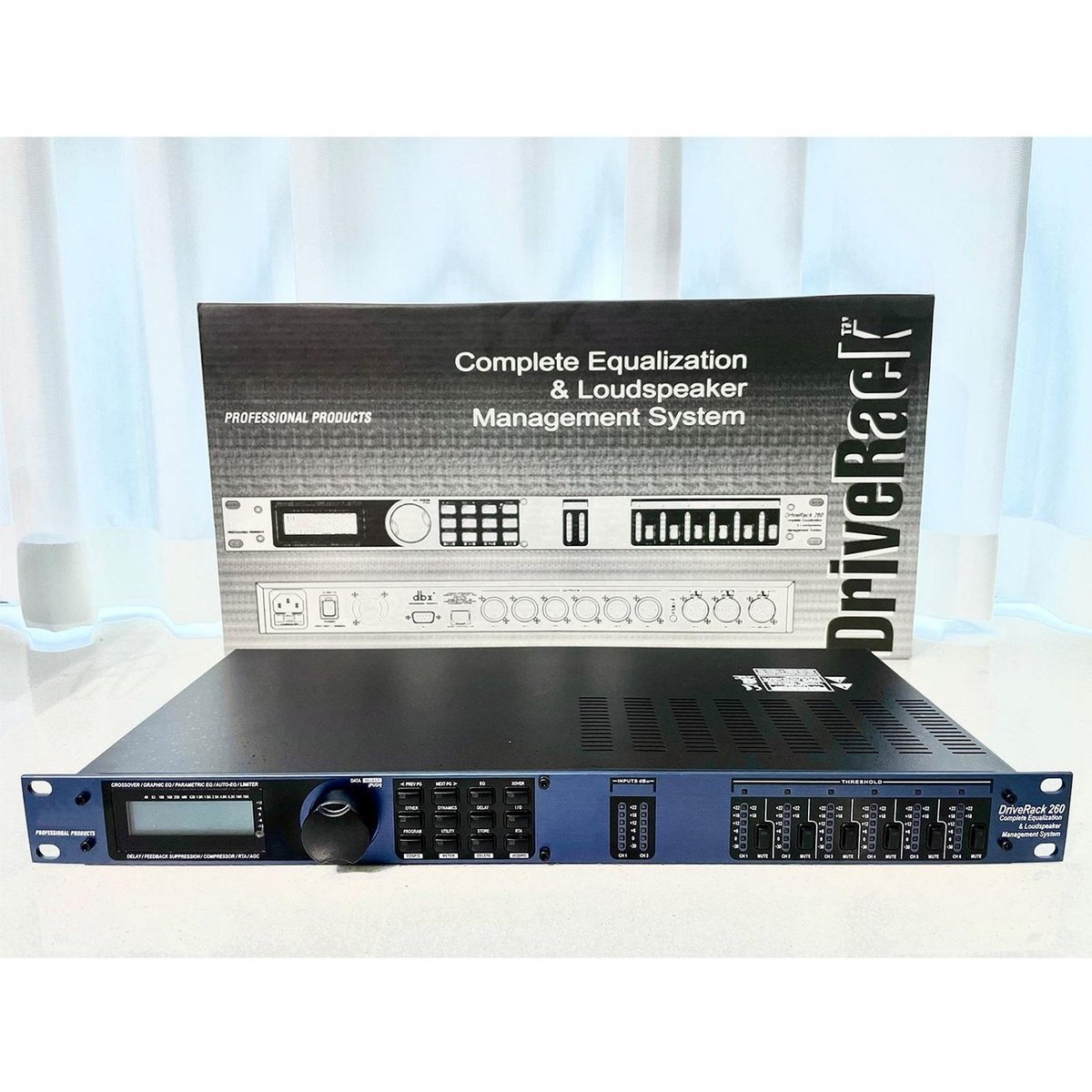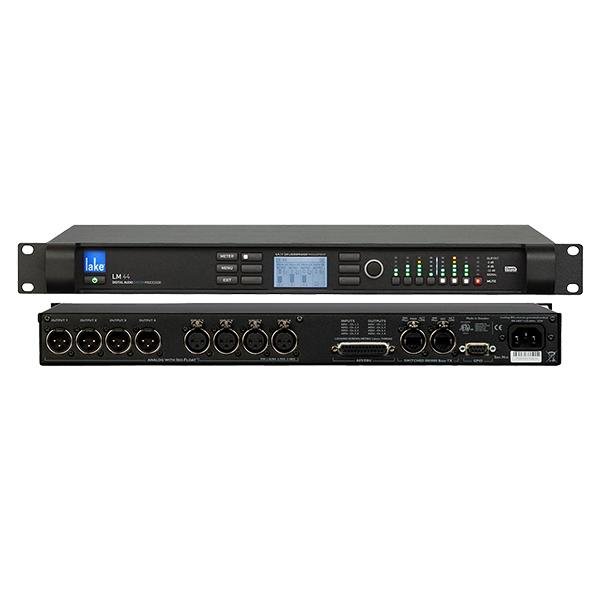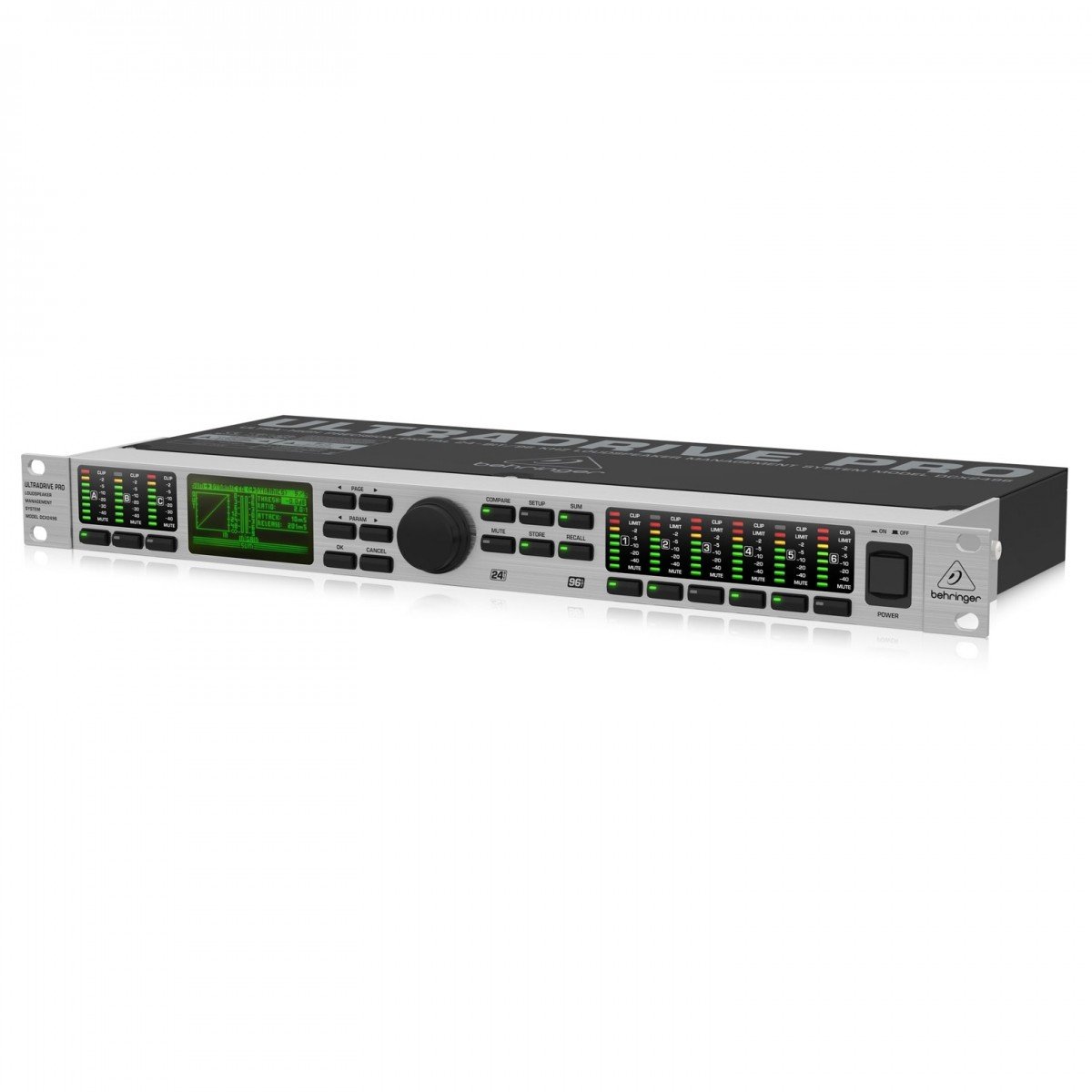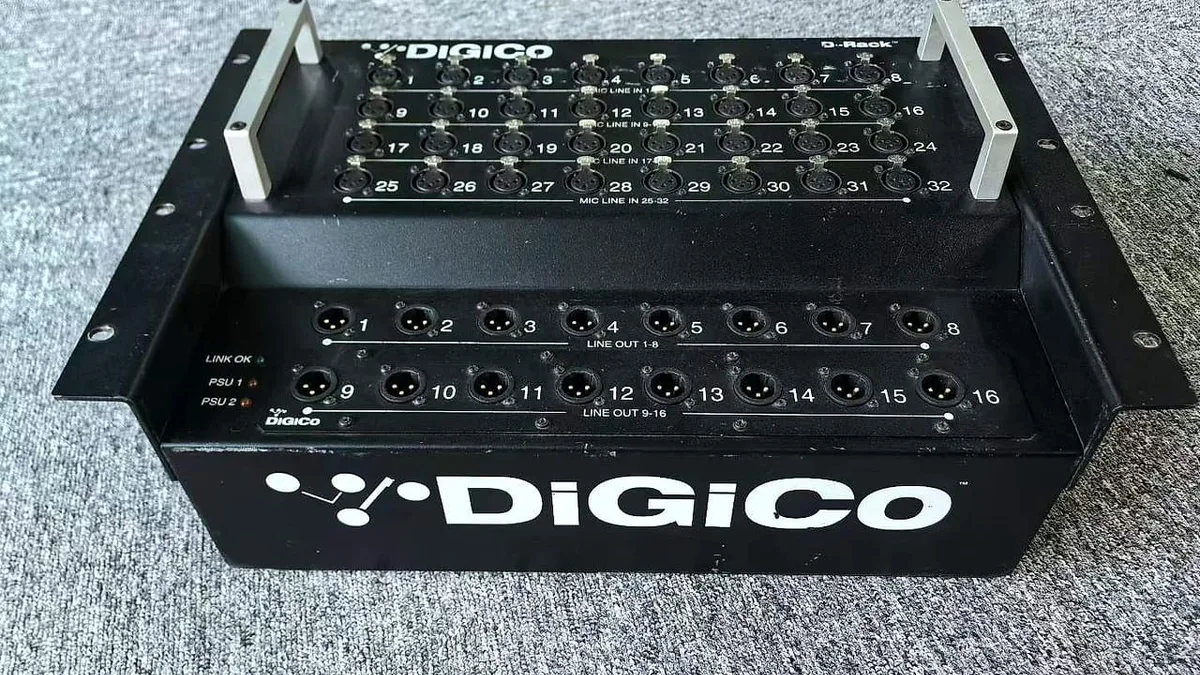
For audio engineers, rental firms, and system integrators sourcing pre-owned gear, used networked audio processors are the backbone of modern signal routing, zone mixing, and DSP-heavy installations. Unlike legacy analog crossovers or fixed-architecture DSPs, networked processors—such as the Biamp TesiraFORTÉ, QSC Q-SYS Core, BSS BLU-100, Symetrix Radius, and Allen & Heath AHM-64—combine matrix mixing, EQ, delay, dynamics, and Dante/AES67 networking in a single rack unit. Buying used lets you deploy premium processing at 40–60% below new list, but only if you understand the spec sheet and the risks. This guide explains what matters when evaluating these units for resale or integration projects across CIS, Middle East, South America, and Africa, where mixed-voltage environments and long duty cycles are common.
When comparing used networked audio processors, focus on four spec pillars: channel count and matrix size (e.g., 64x64 vs. 128x128), network protocol support (Dante, AES67, AVB, or proprietary like Q-SYS), onboard DSP capacity (number of AEC channels, delay taps, and filter blocks), and control/management interfaces (Ethernet, RS-232, GPIO, and software version compatibility). A fixed ranking order helps buyers prioritize: 1) Dante/AES67 interoperability—critical for multi-vendor systems; 2) AEC performance and channel count—essential for conferencing rooms; 3) redundant power and network ports—vital for rental and 24/7 installs; 4) software licensing and firmware upgrade path—often the hidden cost in used units. For example, a used Biamp TesiraFORTÉ AI with 12 AEC channels and Dante is a stronger long-term buy than a cheaper proprietary unit with no AES67 support, especially if you serve clients who standardize on Dante.
What to inspect on a used networked audio processor: first, verify the firmware version and whether it can be updated to the latest release without a paid license—some manufacturers tie major features to subscription or entitlement. Second, test all network ports for link stability and PoE (if applicable), and confirm Dante card presence and channel count via Dante Controller. Third, check the power supply for bulging capacitors or fan noise, and ask for a service history—units from rental fleets often have thousands of hours. Fourth, inspect the front-panel display, encoders, and GPIO for wear, and request a screenshot of the device's web interface showing active channels, temperature, and error logs. Finally, confirm the unit is not locked to a dealer account or cloud tenant; factory reset procedures vary, and some Q-SYS or Tesira units require dealer-level access to clear prior configurations.
Your next step: request a live video demo or a 48-hour bench test before committing to a wholesale lot. Ask the seller for the serial number to check warranty transferability and firmware eligibility, and confirm that rack ears, terminal blocks, and any Dante or AVB cards are included—missing accessories can add 15–25% to your total cost. For bulk orders, negotiate a mixed pallet with at least one spare unit per 10 pieces, since networked processors are often the single point of failure in an install. If you are sourcing for projects in regions with unstable power, prioritize models with redundant PSUs and wide-input voltage (100–240V). With the right checklist, used networked audio processors deliver professional-grade DSP at a fraction of new cost—just verify the network, licensing, and physical condition before you buy.