If you run an AV integration shop and you're thinking about adding a used-gear offer, used powered mixers for sale are one of the easiest categories to test. They move fast, they don't need a showroom, and rental firms and small venues buy them on price and availability. But the margin isn't in the box — it's in what you stock, what you certify, and what you charge for the service behind it.
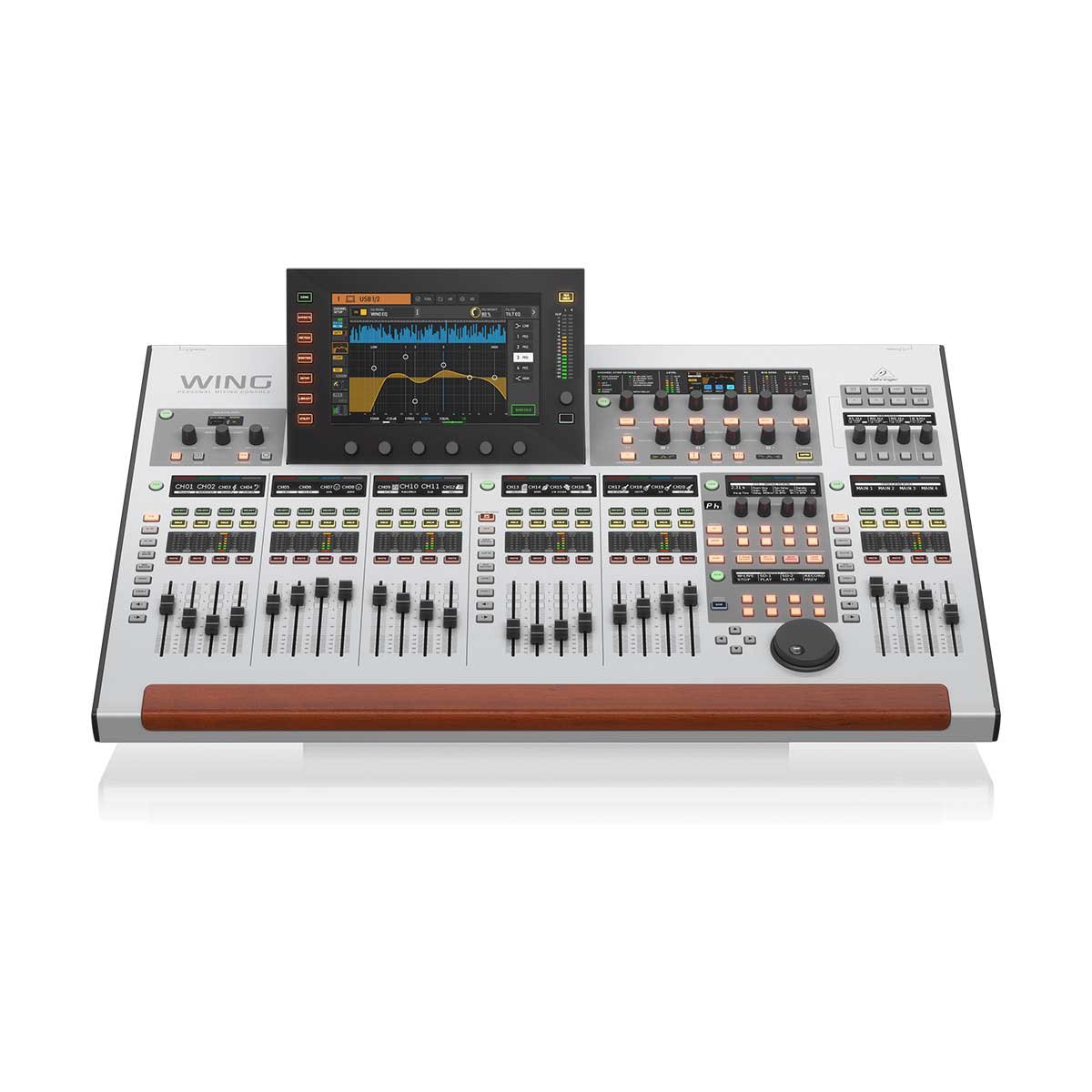
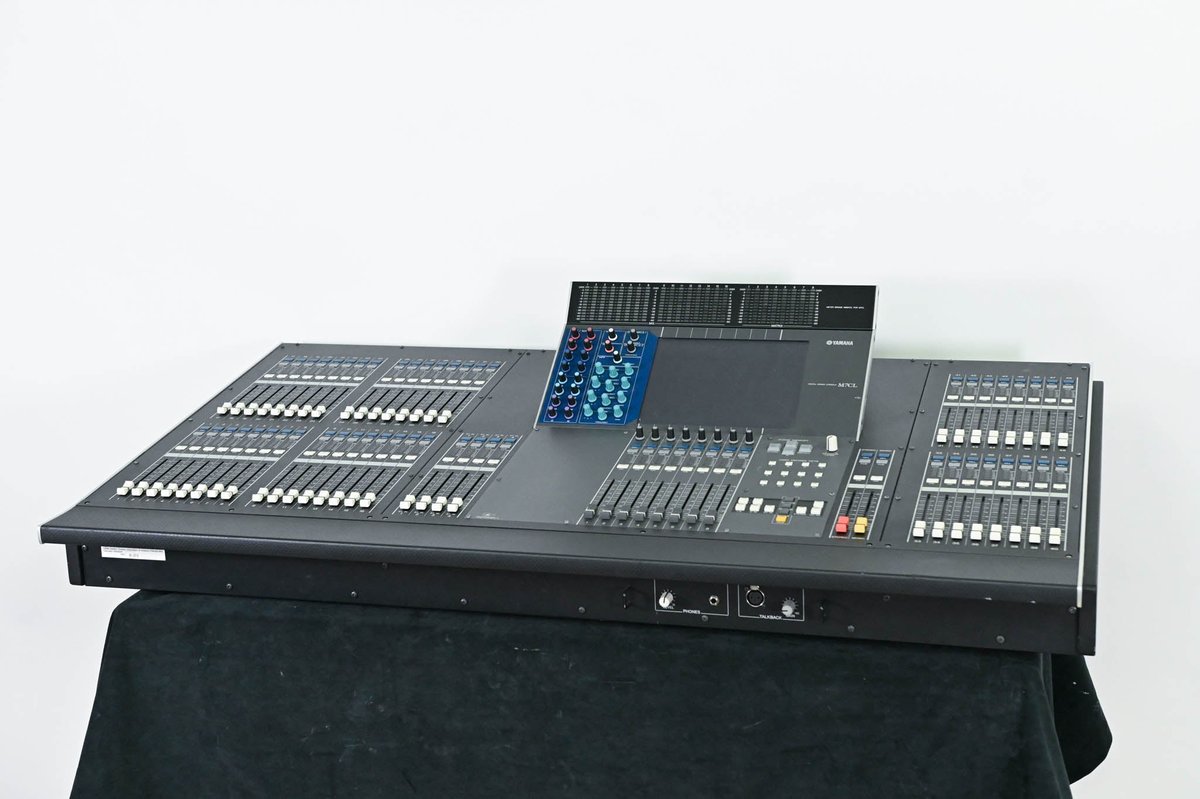
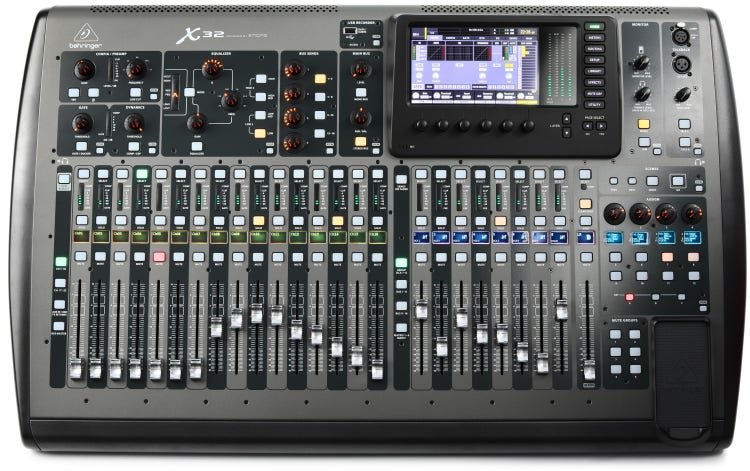
Start with what actually turns. In the CIS and Middle East, the sweet spot is 16–32 channel digital consoles that rental companies already know. A used Behringer X32 in good condition with a working screen and fresh faders typically lands at $1,200–$1,800 depending on region and accessories, and it sells because every freelance engineer has a show file for it. The Behringer Wing is the step-up play — more channels, more routing, but buyers ask harder questions about firmware and touchscreen condition. On the analog side, a Yamaha M7CL-48 still moves to houses of worship and small touring outfits that want familiar workflow without a digital learning curve. Stock two or three of each rather than one of everything; depth lets you bundle cases, snakes, and spare PSUs.
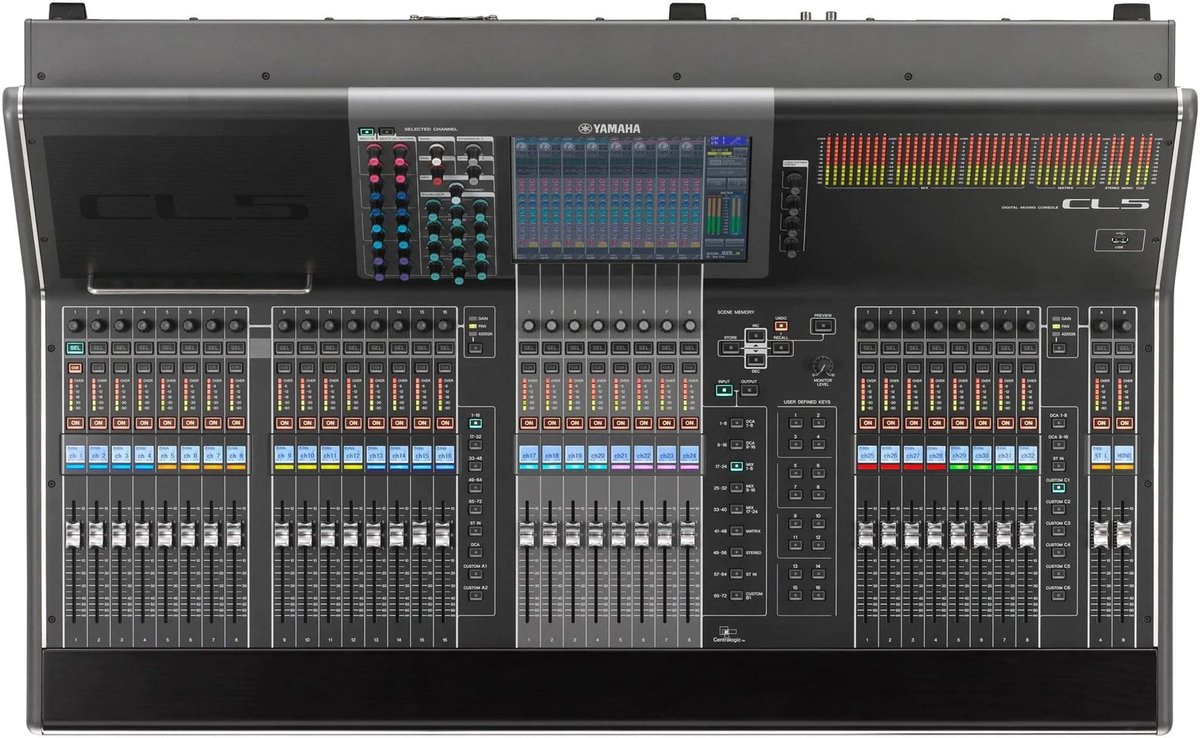
What do buyers actually ask before they commit? The most common question we see is some version of "How do I check a used digital console before buying?" The honest answer: ask for a video of every fader moving, every input tested with a signal generator, and the console booting from cold. On a Yamaha CL5, insist on seeing the Dante card recognized and the touchscreen responding across all pages — a dead CL5 screen is a $900+ repair and a deal-breaker. For an Aviom A360 Personal Mixer, ask the seller to show channel labels and preset recall working, because those units get abused on stages and the encoders wear out before anything else. If a seller can't produce a boot video, price it as a parts unit.
Certification is where you separate yourself from the guy selling out of a van. Every powered mixer you resell should get a PAT-style safety check, a mains voltage verification, and a burn-in of at least four hours under load. In the Middle East and parts of Africa, 230V/50Hz is standard, but you'll still see 120V units pulled from US tours — either re-tag them clearly or don't stock them. CE and UL markings matter to integrators who have to sign off on an install; a console without a visible CE mark is a paperwork problem on a tender. Charge for this: a $150–$250 certification fee per console is normal, and buyers pay it because it saves them a site visit.
Parts and service reality needs to be priced into your model. Digital consoles are board-swap repairs, not component-level — a replacement fader board for an X32 runs $80–$150, and a full fader bank swap is a two-hour job. Analog mixers like the M7CL-48 are more serviceable but heavier to ship; a 48-channel console crated for export can cost $400–$700 to move from Europe to the Gulf. Keep a small spares shelf: PSUs, fader boards, and a couple of known-good screens. When a buyer asks "Is a used digital console still worth it in 2026?" the answer is yes — but only if you can support it for 12 months. Offer a 90-day functional warranty and you'll close deals that the auction sites can't.
Pricing strategy should reflect the region and the risk. In South America, import duties on used audio gear can run 20–35% depending on country, so your landed price has to include that or buyers will ghost you. In the CIS, customs clearance on used professional gear is workable but documentation-heavy — build a 10–15% buffer into your quote for brokerage. Don't chase the cheapest listing; chase the unit with a service history. A used Yamaha CL5 with a verified Dante card and a recent service record commands $6,000–$8,000 in good markets, and integrators pay it because a new one is triple and lead times are long.
The takeaway: treat used powered mixers as a service business, not a box-shifting business. Pick three or four models your region already knows, certify every unit, publish a clear warranty, and price the shipping and duty honestly. Do that and the category pays for itself inside two quarters.