Skip to content
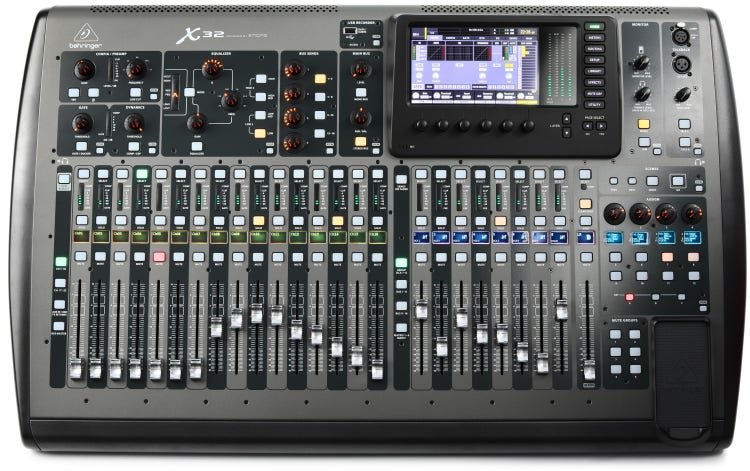
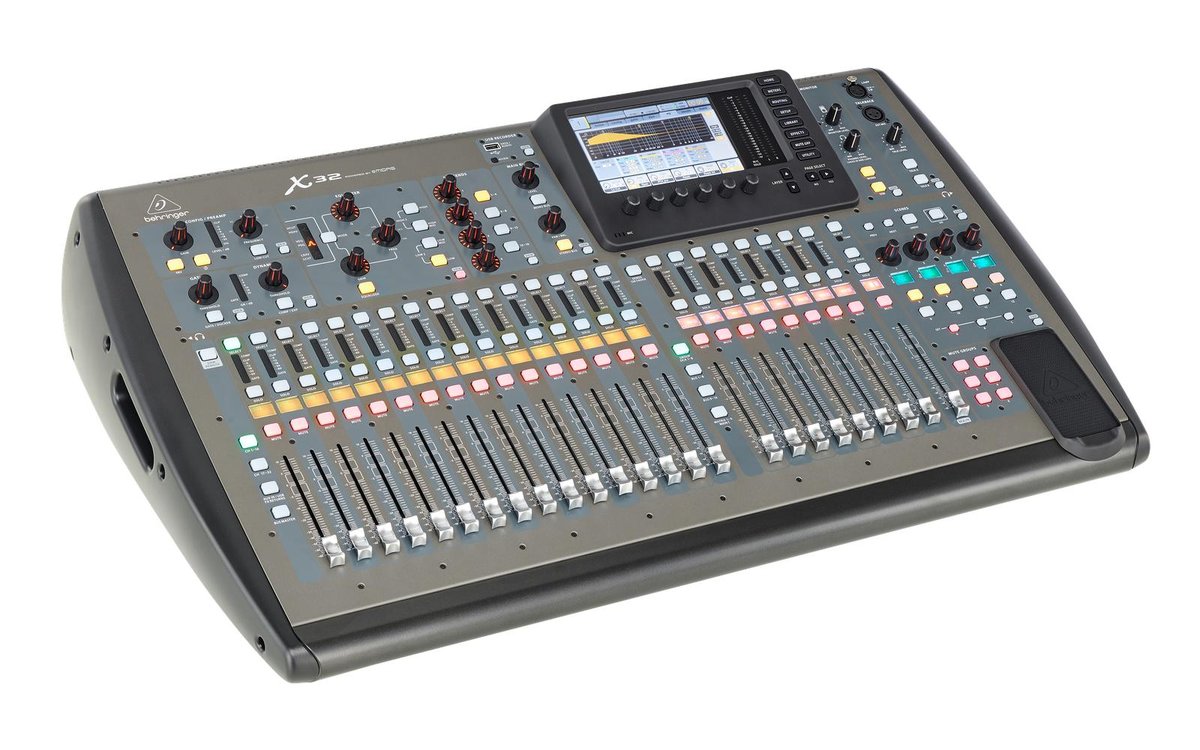
Behringer X32
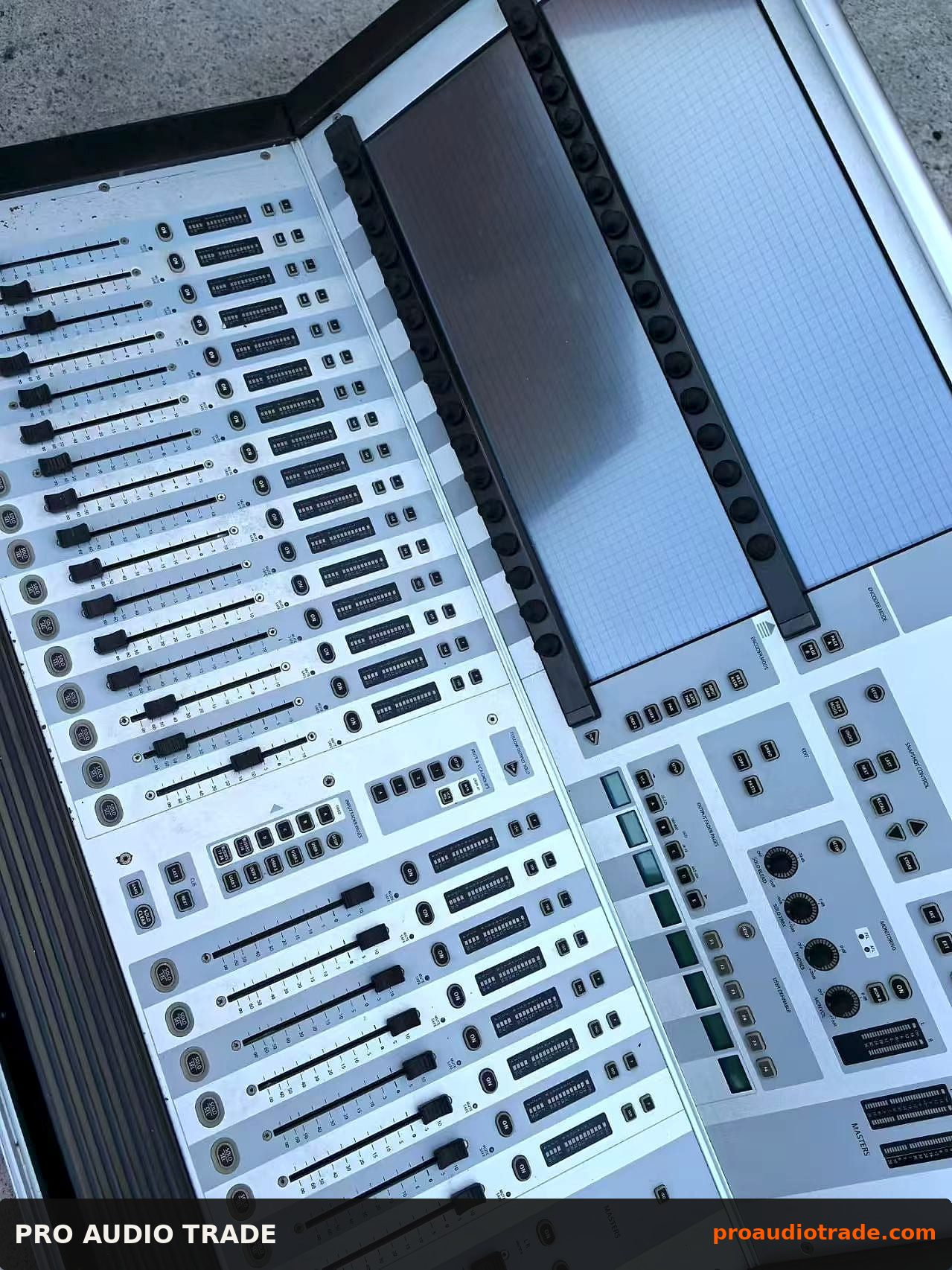
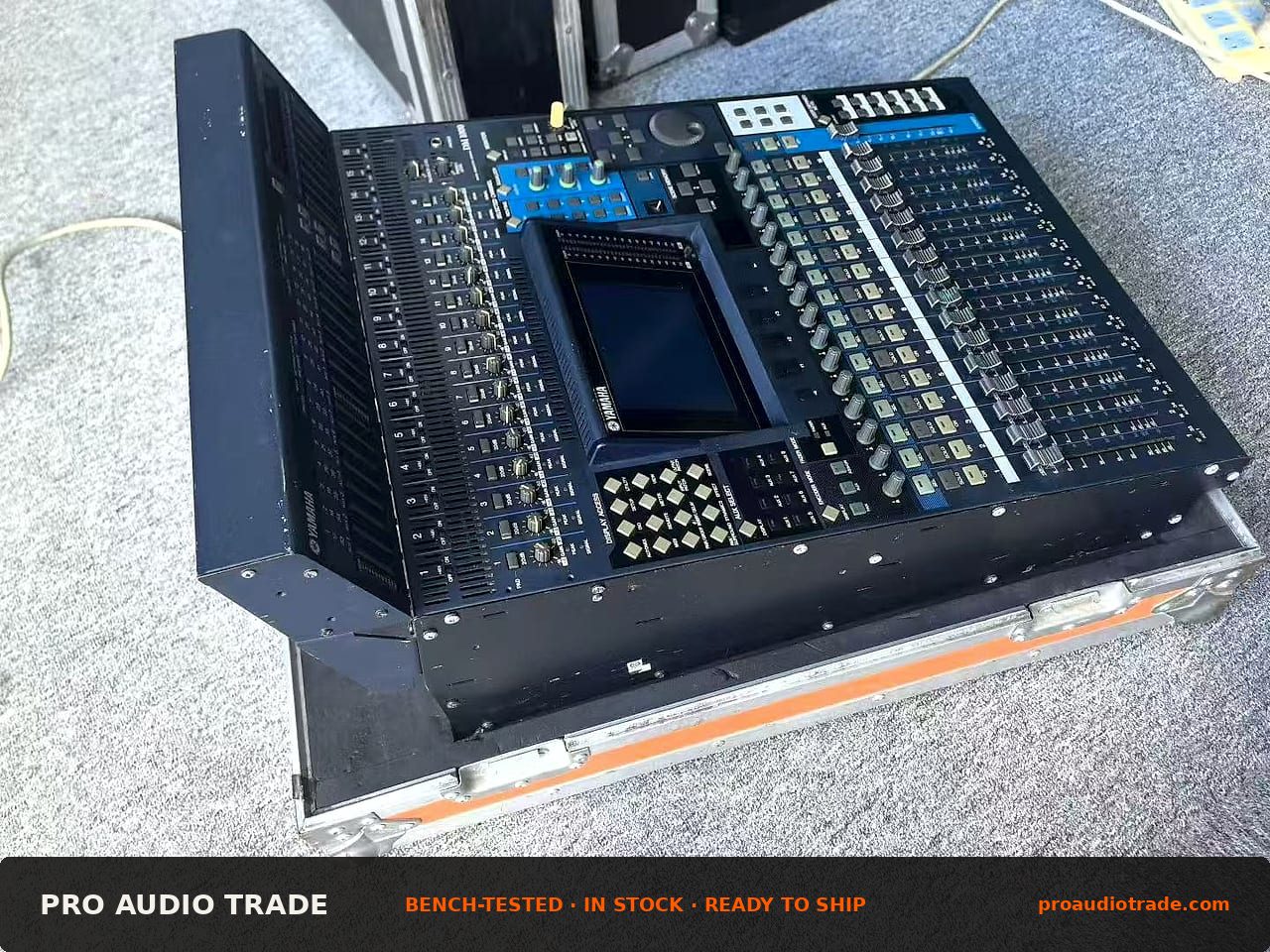
Behringer X32 01Behringer X32 02

Used Mixers

Behringer X32

Grade B In stock

32-channel digital mixer with 16 mix buses, dynamics and FX on every channel. Rental workhorses, fully tested, latest firmware, flight-ready.

Inputs
32 mic preamps
Buses
16 mix buses
Faders
25 motorized
— Common buyer questions

Common buyer questions

What condition is the Behringer X32 in?

Grade B — fully functional with visible wear.

Is the X32 covered by warranty?

Yes — every unit ships with a 90-day functional warranty; returns are accepted on tested failures.

What is the minimum order for the X32?

MOQ 1 units, with B2B pricing and proforma within 24 hours.

Will the X32 work in my country?

Every unit is bench-tested for mains voltage, connectors, CE/UL fit and regional requirements; we ship to 60+ countries with customs support.

— Similar equipment

Best Used Digital Mixers Ranking: How Condition Grading Sets the Real Price

Similar units in stock →
— Knowledge

Technical notes and buyer guidance

Used Behringer X32 for Sale: Voltage, Power and Regional Fit Before You Buy

When you're shopping for a used Behringer X32 for sale, the first thing to verify isn't the fader count — it's whether the console's power and compliance profile matches your destination market. A 110V unit shipped to a 220V region without a proper step-down transformer or PSU swap is a dead mixer waiting to happen. This guide covers mains voltage, connector standards, CE/UL compliance, and customs reality for CIS, Middle East, South America, and Africa buyers.

Start with the PSU. The Behringer X32 uses a switch-mode power supply that is typically auto-ranging 100–240V, but early production runs and some regional variants shipped with fixed-voltage boards. Ask the seller for a photo of the PSU label and confirm the input voltage range before you commit. Our Grade B 2016 units are bench-tested on both 110V and 220V feeds as part of the 52-point check, and each listing states the actual PSU variant. If you're importing into a 220V market like Kazakhstan or Nigeria, a fixed-110V unit needs either a quality step-down transformer (budget 5–10% of the console price) or a PSU board swap — factor that into your landed cost.

Connector standards matter as much as voltage. The X32's IEC inlet is universal, but the supplied mains cable is not: EU Schuko, UK BS1363, and US NEMA 5-15 plugs are not interchangeable. More importantly, check the output connectors — XLR pinout is standardized, but some ex-rental units arrive with worn XLR shells or missing locking tabs. Our ex-rental Grade B stock often carries service history, which is a plus, but always request a close-up of the rear panel. For a step up in channel count, the Behringer Wing offers 48 full channels and 28 mix buses on a 2023 Grade A unit at $4,200 — its newer PSU design is fully auto-ranging and CE/UL marked, which simplifies multi-region deployment.

Behringer X32 Price Used: What Buyers Actually Pay in 2024

If you are sourcing a Behringer X32 on the secondary market, the first question is always the same: what does a used X32 actually cost right now? Across wholesale channels serving the CIS, Middle East, South America, and Africa, the Behringer X32 price used typically lands between $1,200 and $1,800 for a standard console in good working condition, with the compact X32 Compact hovering around $1,000–$1,500 and the X32 Rack often available for $800–$1,200. These figures move with region, condition, included accessories, and whether the seller is a rental house clearing inventory or a broker flipping units. For B2B buyers, the spread matters more than the headline: a $1,300 unit with a road case, working faders, and a clean service history is usually a better deal than a $1,050 unit missing the power supply and showing encoder drift.

The X32 family shares the same 40-input, 25-bus architecture, 32 MIDI-capable faders on the full-size model, and dual AES50 ports for stage boxes, so the price difference between variants is mostly about form factor and I/O, not core processing. In fixed ranking order by typical used price: the full-size X32 sits highest because it offers the most faders and a built-in screen; the X32 Compact follows with 16 faders and a smaller footprint; the X32 Rack is the cheapest entry point for installers who control it via tablet or laptop. When comparing listings, check whether the seller includes the original power cable, a dust cover, and any expansion cards (like the X-USB or X-Dante), because those add-ons can shift the effective price by $150–$300 and are often stripped out by brokers to maximize margin.

Inspection is where B2B buyers protect their margin. Ask for photos of every fader and encoder, a video of the console booting and passing audio on at least four channels, and the firmware version. Common issues on used X32 units include sticky or noisy faders, dead backlight segments on the display, and worn USB ports; none are deal-breakers if reflected in the price, but they are expensive to fix if missed. For rental firms, confirm the unit has not been used in a fixed install with heavy smoke exposure, and request the serial number to check against any known service bulletins. Integrators should verify AES50 port integrity, since stage-box connectivity is the most common failure point in touring units.

Behringer X32 vs Alternatives: A Buyer’s Guide for Used Professional Audio Gear

When you’re shopping for a used digital mixing console for rental, installation, or touring work, the Behringer X32 is often the first name that comes up. It’s popular for good reason: 32 channels, 16 mix buses, built-in effects, and a mature ecosystem of stage boxes and personal monitoring. But in the secondary market, the X32 competes with several credible alternatives that may better fit your budget, rider requirements, or long-term serviceability. This comparison is written for audio engineers, rental firms, and integrators sourcing used gear across the CIS, Middle East, South America, and Africa, where parts availability and local support matter as much as the spec sheet.

Key specs to compare: the Behringer X32 offers 32 input channels, 16 mix buses, 6 matrix outputs, 40-bit floating-point processing, and AES50 networking for digital snakes. Alternatives like the Midas M32 (same platform, upgraded preamps and build), Allen & Heath SQ-5 (96kHz, 48 channels, strong workflow), Yamaha DM3 (compact, Dante-ready), and Soundcraft Si Impact (64 channels, Lexicon effects) each bring different trade-offs. Fixed ranking for most used-gear buyers: 1) Behringer X32 for value and ecosystem; 2) Midas M32 for build and preamp quality; 3) Allen & Heath SQ-5 for modern processing and rider acceptance; 4) Yamaha DM3 for compact installs; 5) Soundcraft Si Impact for channel count on a budget. Rank by your actual needs—rider compliance, channel count, and service network—not by brand hype.

What to inspect on a used X32 or alternative: check fader and encoder response across all layers, test every input preamp for noise and gain consistency, verify AES50 ports and stage-box sync, confirm firmware version and whether the console has been serviced, inspect the power supply and fan health, and look for screen delamination or dead pixels. On alternatives, pay attention to proprietary stage-box compatibility, card slot options (Dante, MADI, USB), and whether replacement parts are locally available. Ask for a service history, run a full channel pass with a signal generator, and test scene recall and show files. In hot or humid climates, check for corrosion on connectors and internal dust buildup.