The best used digital mixers ranking isn't about specs alone — it's about condition grading. A Grade A Yamaha CL5 at $9,800 and a Grade B Behringer X32 at $1,500 both pass a 52-point bench test, but the grade determines whether you're buying a road-ready workhorse or a service project. Buy the grade, not just the model.
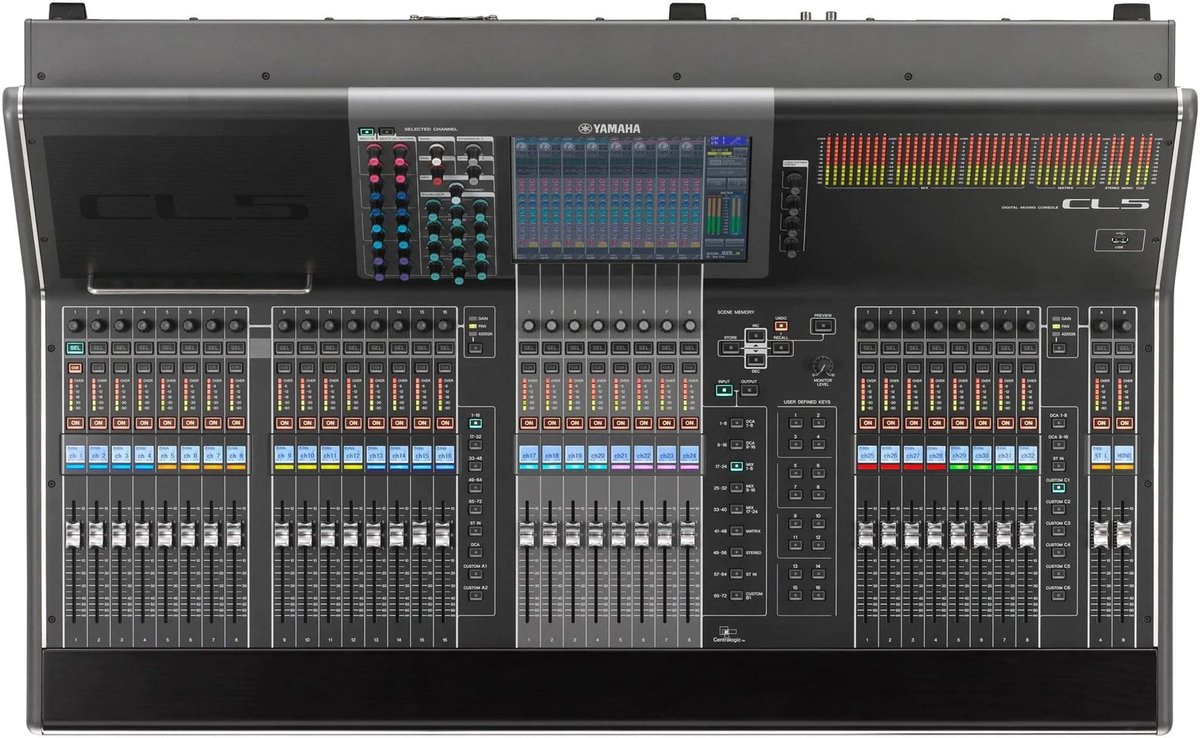
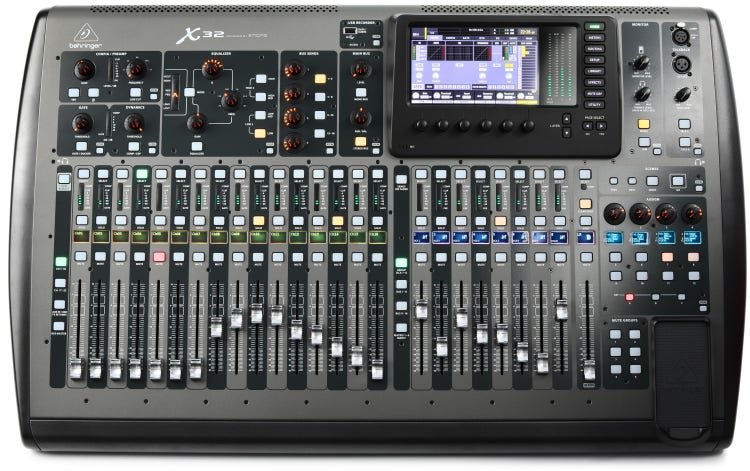
Start with what Grade A actually means on a console. Grade A units are near-mint and fully tested: every fader, encoder, preamp and PSU has been exercised under load. A Grade A Yamaha CL5 from 2018, for example, arrives with faders calibrated, PSU checked, meter bridge and road case included — that's $9,800 for a 72-channel Dante desk that would cost multiples new. Grade B is fully functional with visible wear: scuffs, faded legends, maybe a stiff fader, but it passes the same powered test. A Grade B Behringer X32 at $1,500 with 32 mic preamps and 16 mix buses is the rental workhorse sweet spot — fully tested, latest firmware, flight-ready. Grade C is functional but needs service; expect to budget for repairs.
The powered test is where grading earns its keep. Every unit gets a 52-point bench test: power-on under load, channel-by-channel signal pass, phantom power check, fader sweep, and a cosmetic-vs-functional audit. Ask any seller for the test sheet. On a used digital console, a dead channel or noisy preamp is a functional defect that drops the grade; a scratched chassis is cosmetic and shouldn't. That distinction is exactly how grading should set price — a Grade B with one scratch and zero functional faults should sit close to Grade A, while a Grade A with an intermittent fader is misgraded.
How do I check a used digital console before buying? Insist on a powered test video or bench report, confirm firmware version, and verify every fader and preamp. On a Yamaha CL5, check Dante network stability and PSU health; on a Behringer X32, confirm all 25 motorized faders track and the 16 mix buses route cleanly. Ex-rental units often carry service history — inventory mostly comes from rental liquidation and venue refreshes, so ask for it. A console with documented service beats a cosmetically perfect one with no history.
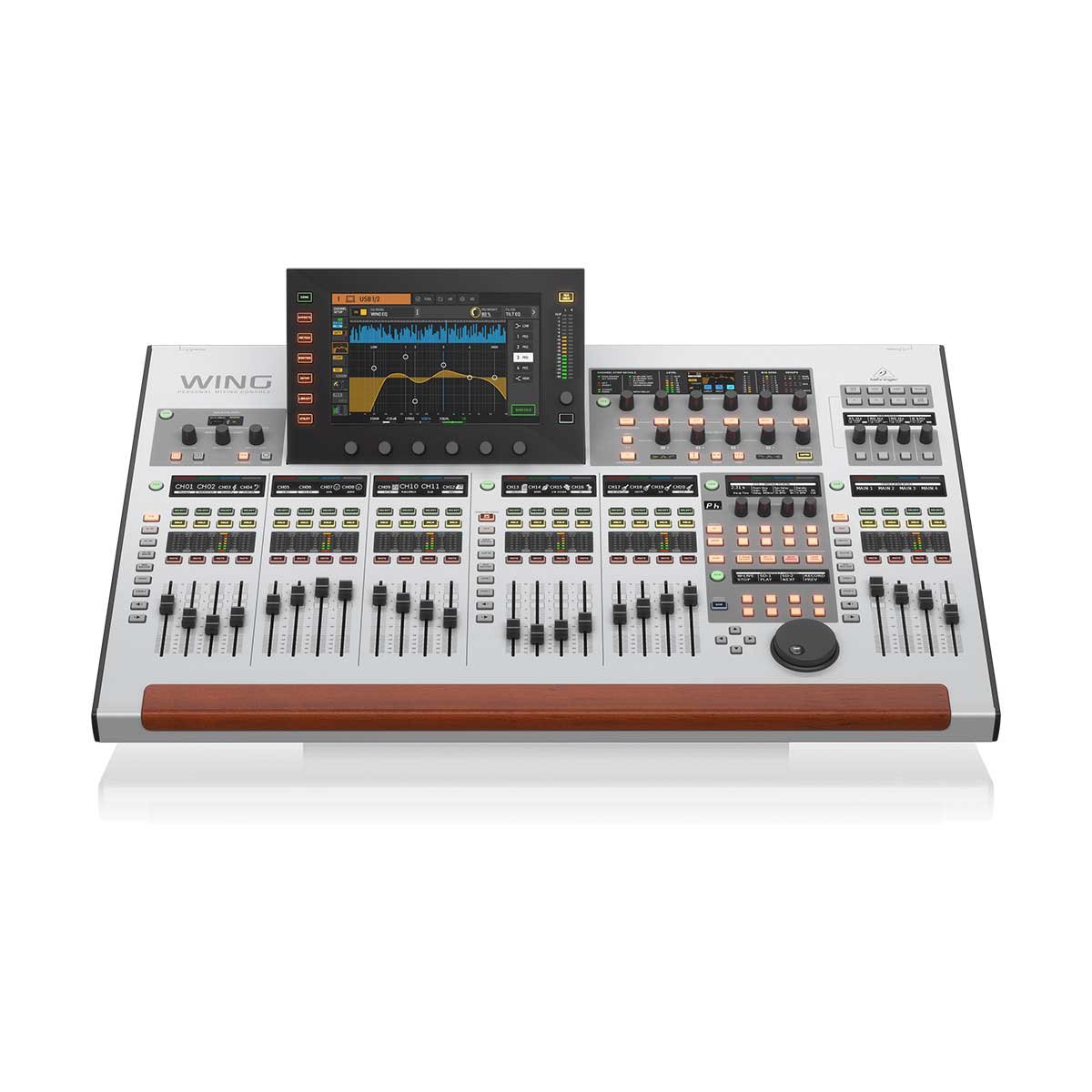
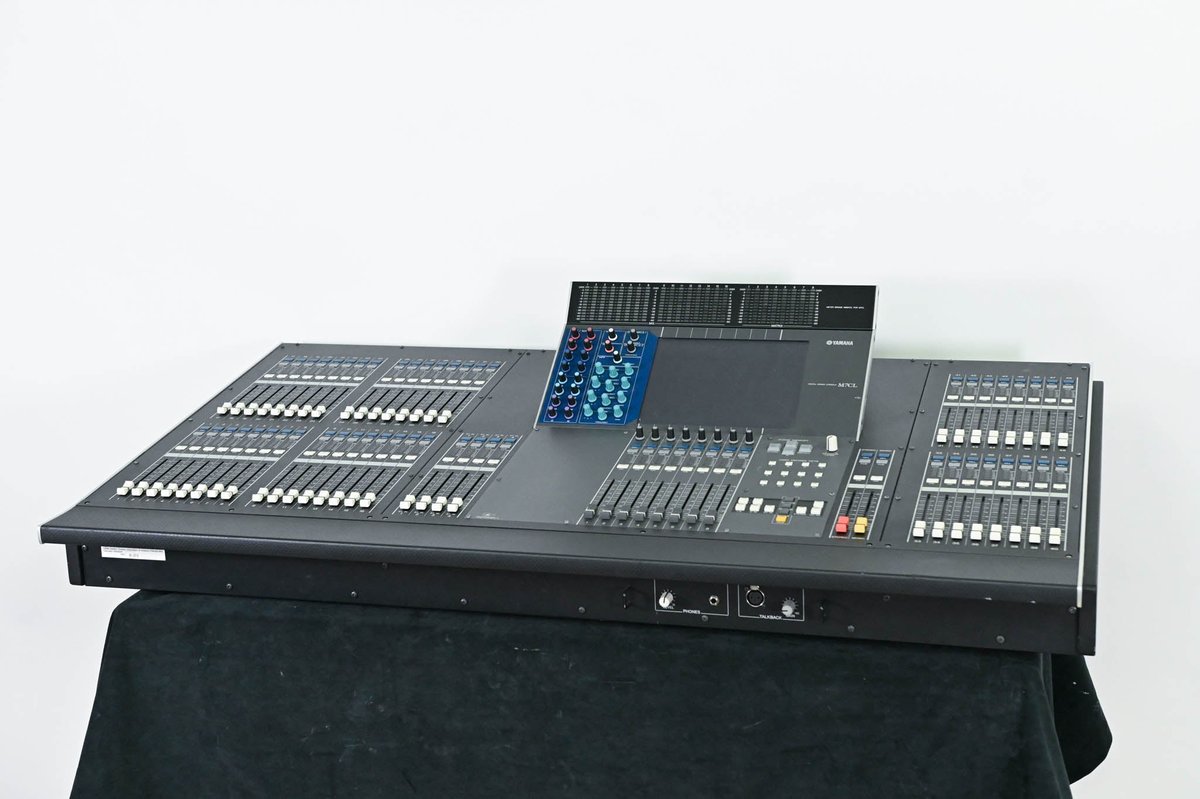
Side-by-side, the numbers tell the story. A Grade A Yamaha CL5 at $9,800 (stock 2) versus a Grade B Yamaha M7CL-48 at $3,600 (stock 3): the CL5 gives 72 mono + 8 stereo inputs and 64x64 Dante; the M7CL-48 gives 48 mono + 4 stereo with a Dante option and 24 motorized faders, faders serviced, flight case included. Grade B X32 at $1,500 (stock 7) versus Grade A Behringer Wing at $4,200 (stock 3): the Wing offers 48 full channels, 28 mix buses and 48 motorized faders — nearly triple the fader count for under three times the price. Grade C isn't listed here for a reason: on a ranking of best used digital mixers, service projects rarely earn a top slot unless the discount is steep.
Regional fit changes the math. Mains voltage matters — 110V vs 220V units need confirmation before shipping to CIS, Middle East, South America or Africa. CE/UL marking affects customs clearance, and duty typically runs 5–20% depending on country and HS code. A Grade A Roland M-480 or Soundcraft Vi1 sourced from an EU rental house may carry CE but still need a voltage check for your region. Always confirm connector types and ask for the test sheet alongside the invoice.
Closing takeaway: use the grade as your price anchor. Grade A commands a premium because it's fully tested and near-mint; Grade B is the value play if the wear is cosmetic; Grade C only makes sense with a known repair budget. Every unit here passes a 52-point bench test and carries a 90-day warranty with returns accepted on tested failures — 12,400+ units sold across 60+ countries. Buy the grade, verify the powered test, and the model choice becomes easy.