Skip to content
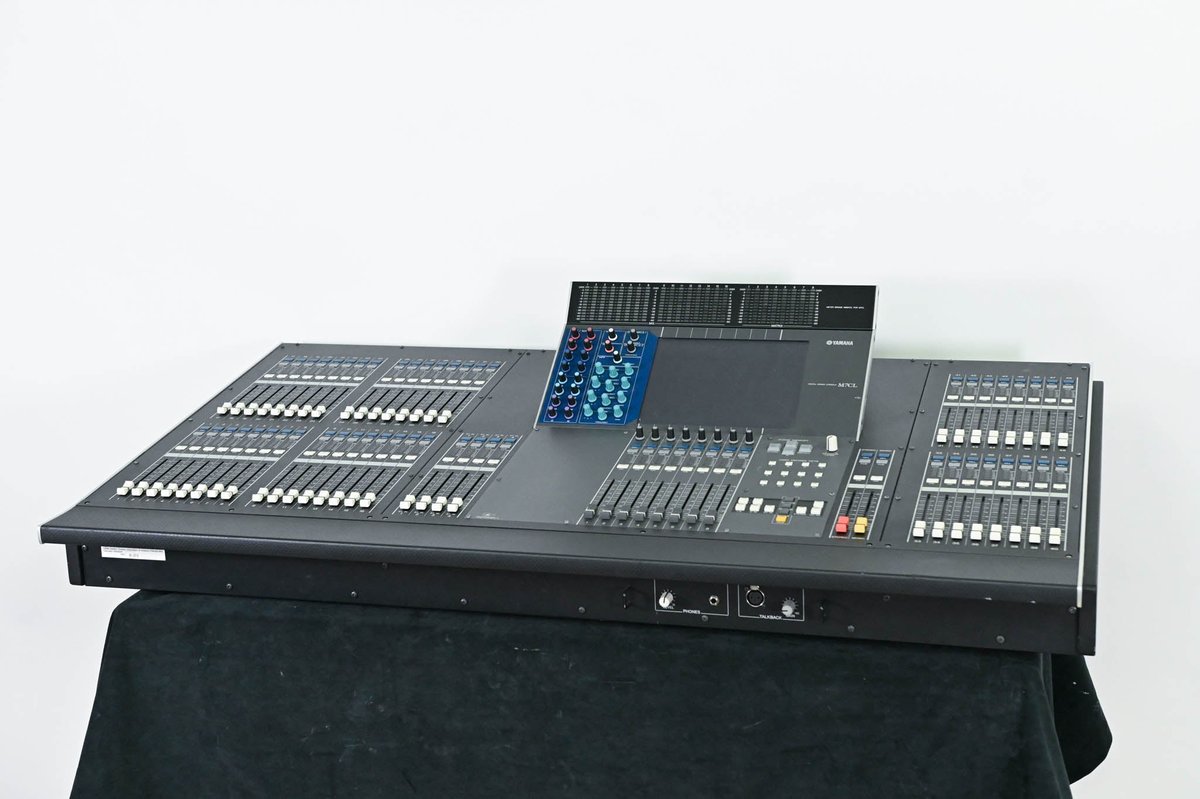
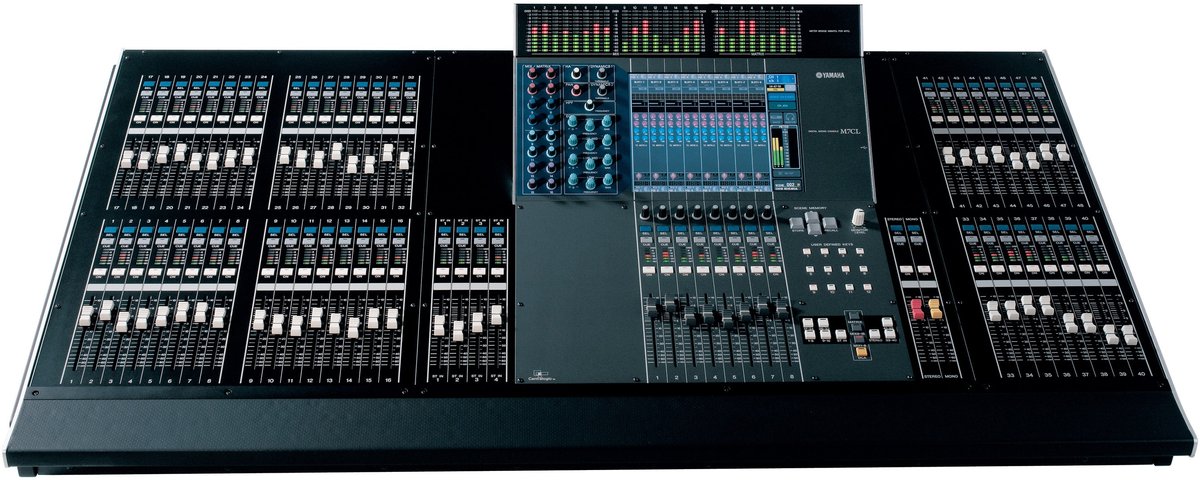
Yamaha M7CL-48
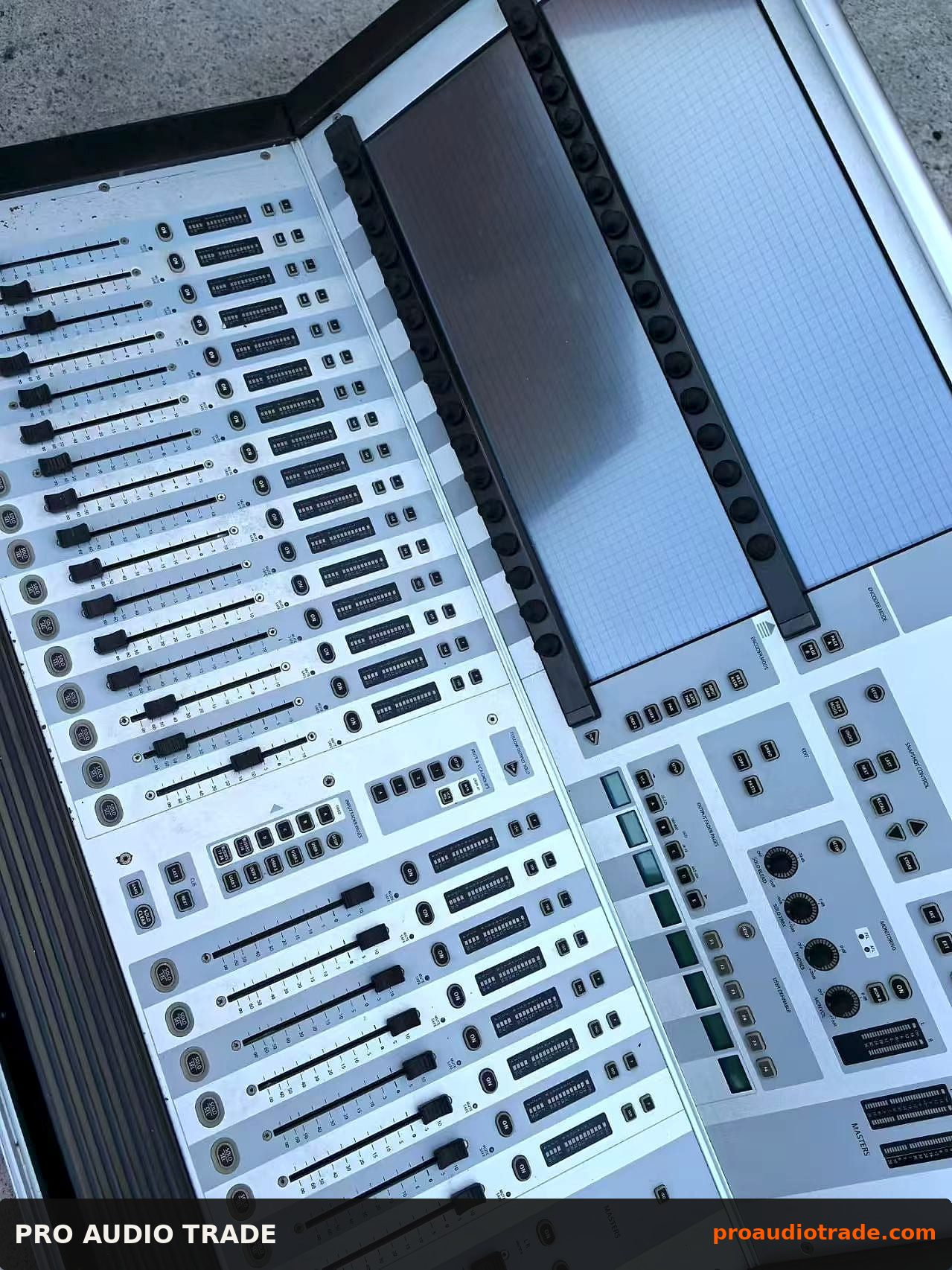
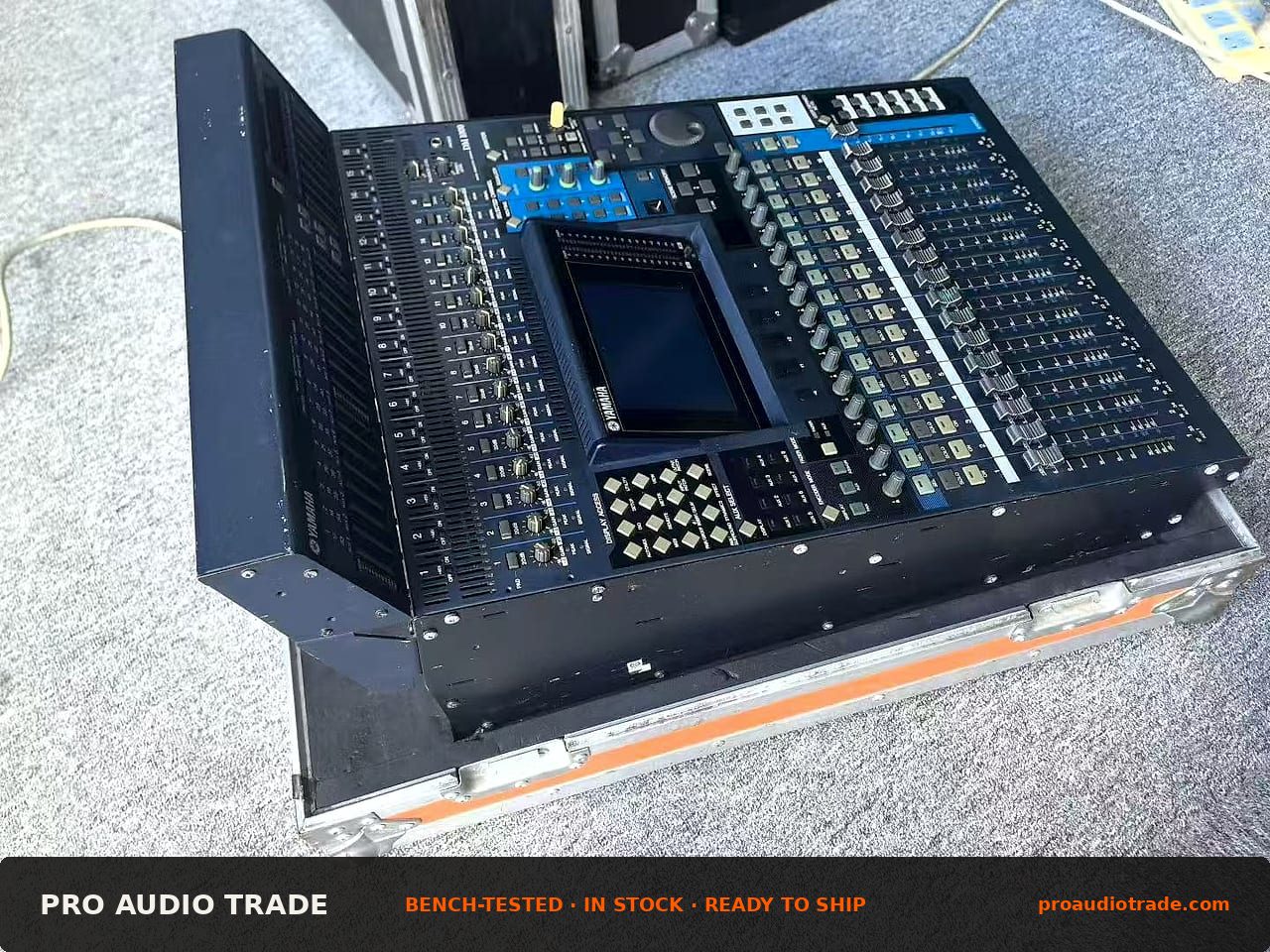
Yamaha M7CL-48 01Yamaha M7CL-48 02

Used Mixers

Yamaha M7CL-48

Grade B In stock

48-channel digital console with built-in I/O and Dante option cards. Reliable festival mixer, faders serviced, includes flight case and lamp.

Inputs
48 mono + 4 stereo
Network
Dante option
Faders
24 motorized
— Common buyer questions

Common buyer questions

What condition is the Yamaha M7CL-48 in?

Grade B — fully functional with visible wear.

Is the M7CL-48 covered by warranty?

Yes — every unit ships with a 90-day functional warranty; returns are accepted on tested failures.

What is the minimum order for the M7CL-48?

MOQ 1 units, with B2B pricing and proforma within 24 hours.

Will the M7CL-48 work in my country?

Every unit is bench-tested for mains voltage, connectors, CE/UL fit and regional requirements; we ship to 60+ countries with customs support.

— Similar equipment

Best Used Digital Mixers Ranking: How Condition Grading Sets the Real Price

Similar units in stock →
— Knowledge

Technical notes and buyer guidance

Used Yamaha M7CL-48 for Sale: A Practical Review for Wholesale Buyers

If you are sourcing a used Yamaha M7CL-48 for sale, you are looking at one of the most road-proven digital consoles ever built for live sound. The M7CL-48 offers 48 mono plus 4 stereo input channels, 16 mix buses, 8 matrix outputs, and the familiar Centralogic interface that lets engineers work fast without deep menu diving. For rental firms and integrators across CIS, the Middle East, South America, and Africa, it remains a cost-effective workhorse for houses of worship, corporate AV, and mid-size touring where rider acceptance still matters.

Compared with newer entry-level digital desks, the M7CL-48 wins on channel count, tactile control, and expandability via Mini-YGDAI slots for Dante, MADI, or analog expansion. It sits above the Yamaha LS9-32 in I/O and bus count, and below the CL5 in processing flexibility—making it the sweet spot for buyers who need 48 inputs without paying flagship prices. Ranking by buyer priority: first, the M7CL-48 for its 48-fader surface and dual power supplies; second, the M7CL-32 for smaller footprints; third, the LS9-32 for budget-limited rigs. Always confirm the console includes the meter bridge and that the touchscreen responds accurately across the full display.

Inspection is where wholesale deals are won or lost. Power the console for at least 30 minutes and check every fader for motor noise and smooth travel; test all 48 input channels with a signal generator or known source, and verify phantom power on each preamp. Examine the touchscreen for dead spots, delamination, or calibration drift, and confirm both internal power supplies engage—redundant PSU failure is common on high-hour units. Check the Mini-YGDAI card slots for bent pins, verify the firmware version, and ask for a service history. Cosmetic wear is acceptable; intermittent encoders and failing backlights are not.

Yamaha M7CL-48 Price Used: What to Expect and How to Buy Smart

When you're shopping for a used Yamaha M7CL-48, the price you see can vary wildly—from suspiciously cheap to nearly new-old-stock levels. The M7CL-48 was a workhorse digital console for years, and it remains a solid choice for rental companies, houses of worship, and integrators who need 48 channels of reliable mixing without breaking the bank. But what should you actually pay? In this guide, we break down typical used prices, what affects them, and how to avoid buying someone else's problem.

First, know the baseline. A used Yamaha M7CL-48 in average working condition typically ranges from $4,500 to $7,500 USD on the international market, depending on region, condition, and included accessories. Units with road cases, flight cases, and expanded I/O cards (like the MY16-AE or MY8-ADDA96) command higher prices—sometimes up to $9,000. Conversely, consoles with cosmetic damage, missing fader caps, or outdated firmware can dip below $4,000. Compare that to the M7CL-32 (32 channels), which usually sells for $3,000–$5,500, and the newer CL5, which is a different league entirely. The M7CL-48 sits in a sweet spot for mid-sized venues and rental fleets that need channel count without the premium of current-generation desks.

When inspecting a used M7CL-48, focus on the parts that fail with age. The most common issues are fader wear (test every fader for smooth travel and accurate position), touchscreen responsiveness (the LCD can develop dead spots or delamination), and power supply health (listen for fan noise and check for any recap work). Also verify that all input and output cards are seated properly and that the console has been stored in a dry, temperature-controlled environment—humidity damage is a real risk in some regions. Ask for a service history if available, and always test the console with a known-good source before committing. If you're buying remotely, request a video walkthrough showing fader calibration, screen response, and a full channel check.

Yamaha M7CL-48 vs Alternatives: Which Used Digital Console Fits Your Inventory?

If you are sourcing a used digital mixing console for rental, installation, or resale, the Yamaha M7CL-48 remains a familiar name. Its 48 mono inputs, 4 stereo inputs, and 16 mix buses make it a workhorse for medium-sized live events, houses of worship, and corporate AV. But in 2025, the used market offers strong alternatives that may better suit your clients' needs—especially if they demand newer workflows, lighter weight, or expanded I/O. This comparison ranks the M7CL-48 against three common used alternatives: DiGiCo SD9, Allen & Heath dLive C3500, and Midas M32. We focus on what matters to B2B buyers: channel count, bus architecture, weight, reliability, and long-term parts availability.

Key specs and fixed ranking order (from most to least recommended for general B2B resale): 1) Allen & Heath dLive C3500 – 128 inputs, 64 mix buses, FPGA-based processing, lightweight, strong current firmware support. 2) DiGiCo SD9 – 48 flexi channels, 24 buses, excellent sound quality, but heavier and more expensive to service. 3) Yamaha M7CL-48 – 48 mono + 4 stereo inputs, 16 mix buses, proven reliability, but older DSP and limited expandability. 4) Midas M32 – 32 inputs, 16 buses, very affordable, but lower channel count and less rider acceptance. The M7CL-48 still wins on brand recognition and rider familiarity in CIS and Middle East rental fleets, but the dLive C3500 offers better future-proofing for integrators. For pure budget rentals, the M32 is the volume seller. Choose based on your client base: if they need 48+ inputs and rider acceptance, M7CL-48 or SD9; if they want modern processing and lower weight, dLive C3500.

What to inspect on a used M7CL-48: check the touchscreen for dead pixels or delamination (common on older units), test all faders for motor noise or failure, verify the rear I/O cards (especially the MY16-AT or Dante card) are seated and functional, and confirm the power supply has no bulging capacitors. On the dLive C3500, inspect the gigaACE link ports and screen responsiveness; on the SD9, check the optical MADI ports and fader banks; on the M32, test the USB recorder and preamp gain pots. Always request a service history and run a full self-test if possible. For B2B buyers, ask for a 30-day warranty and confirm that firmware is updatable to the latest stable version.