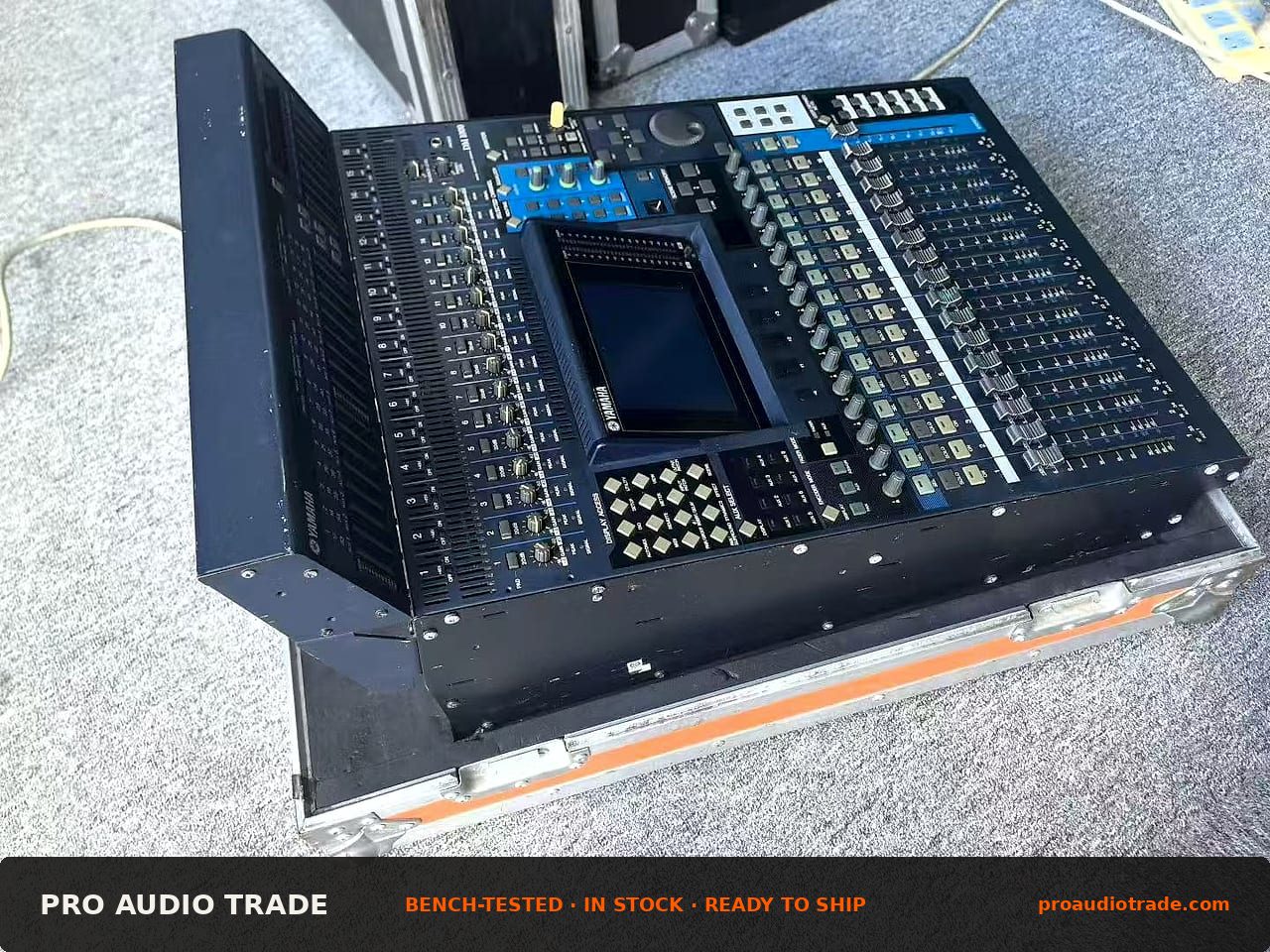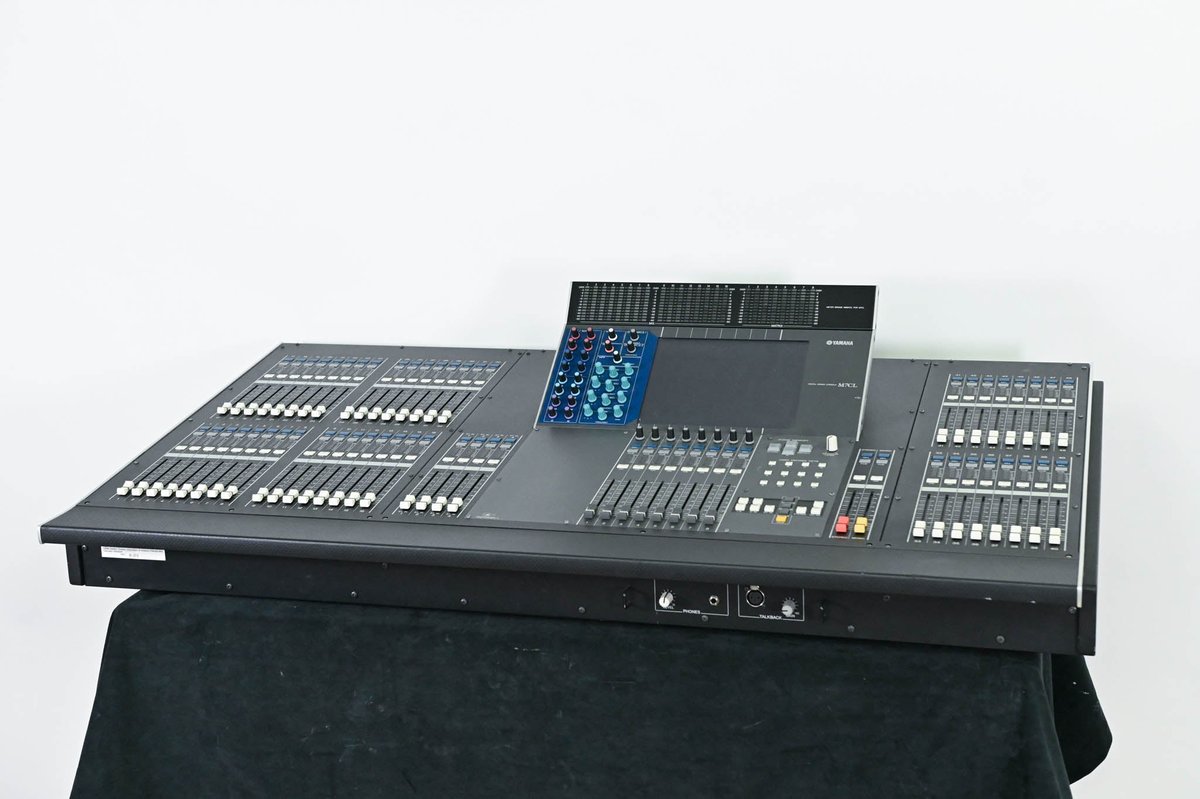
If you are sourcing a used digital mixing console for rental, installation, or resale, the Yamaha M7CL-48 remains a familiar name. Its 48 mono inputs, 4 stereo inputs, and 16 mix buses make it a workhorse for medium-sized live events, houses of worship, and corporate AV. But in 2025, the used market offers strong alternatives that may better suit your clients' needs—especially if they demand newer workflows, lighter weight, or expanded I/O. This comparison ranks the M7CL-48 against three common used alternatives: DiGiCo SD9, Allen & Heath dLive C3500, and Midas M32. We focus on what matters to B2B buyers: channel count, bus architecture, weight, reliability, and long-term parts availability.
Key specs and fixed ranking order (from most to least recommended for general B2B resale): 1) Allen & Heath dLive C3500 – 128 inputs, 64 mix buses, FPGA-based processing, lightweight, strong current firmware support. 2) DiGiCo SD9 – 48 flexi channels, 24 buses, excellent sound quality, but heavier and more expensive to service. 3) Yamaha M7CL-48 – 48 mono + 4 stereo inputs, 16 mix buses, proven reliability, but older DSP and limited expandability. 4) Midas M32 – 32 inputs, 16 buses, very affordable, but lower channel count and less rider acceptance. The M7CL-48 still wins on brand recognition and rider familiarity in CIS and Middle East rental fleets, but the dLive C3500 offers better future-proofing for integrators. For pure budget rentals, the M32 is the volume seller. Choose based on your client base: if they need 48+ inputs and rider acceptance, M7CL-48 or SD9; if they want modern processing and lower weight, dLive C3500.
What to inspect on a used M7CL-48: check the touchscreen for dead pixels or delamination (common on older units), test all faders for motor noise or failure, verify the rear I/O cards (especially the MY16-AT or Dante card) are seated and functional, and confirm the power supply has no bulging capacitors. On the dLive C3500, inspect the gigaACE link ports and screen responsiveness; on the SD9, check the optical MADI ports and fader banks; on the M32, test the USB recorder and preamp gain pots. Always request a service history and run a full self-test if possible. For B2B buyers, ask for a 30-day warranty and confirm that firmware is updatable to the latest stable version.
Next step: shortlist based on your clients' rider requirements and budget. If you need 48 inputs with broad rider acceptance, a used Yamaha M7CL-48 is a safe bet—but verify screen and fader condition. If you want lighter weight and modern processing for installation projects, the dLive C3500 is the stronger long-term investment. Request a demo unit or video walkthrough from your supplier, and always confirm spare parts availability (faders, screens, power supplies) before committing to a bulk order.