Skip to content
Yamaha CL5
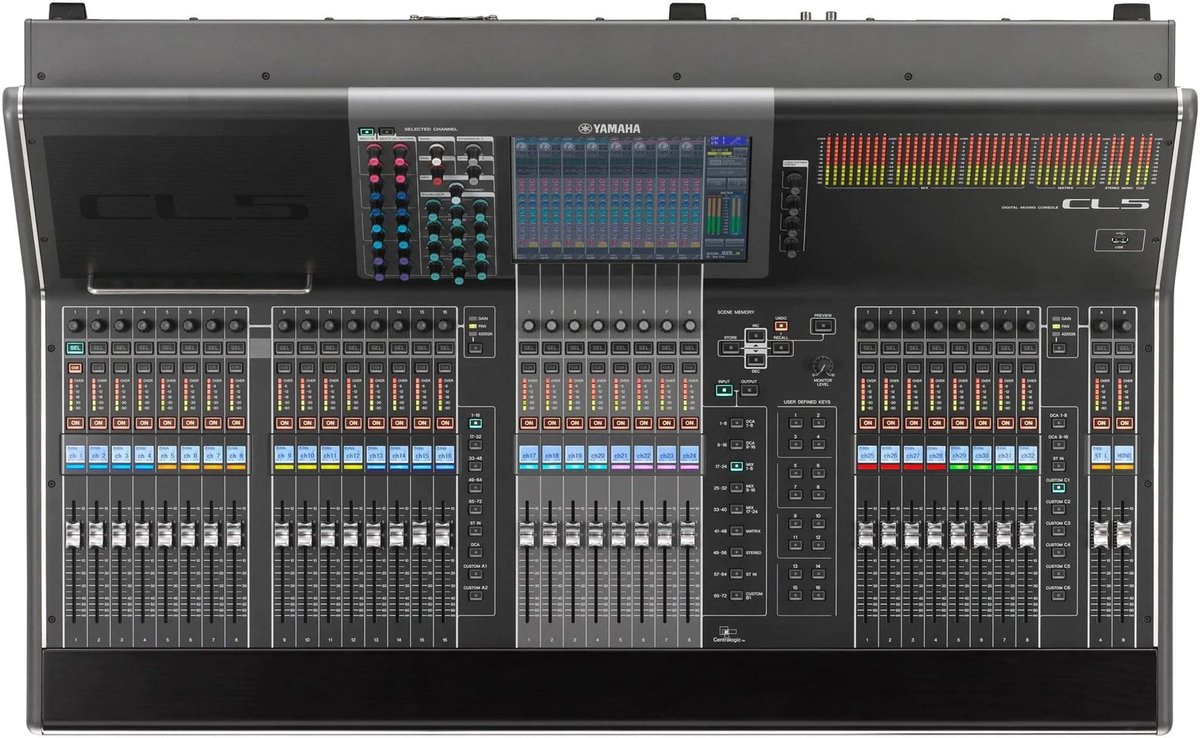
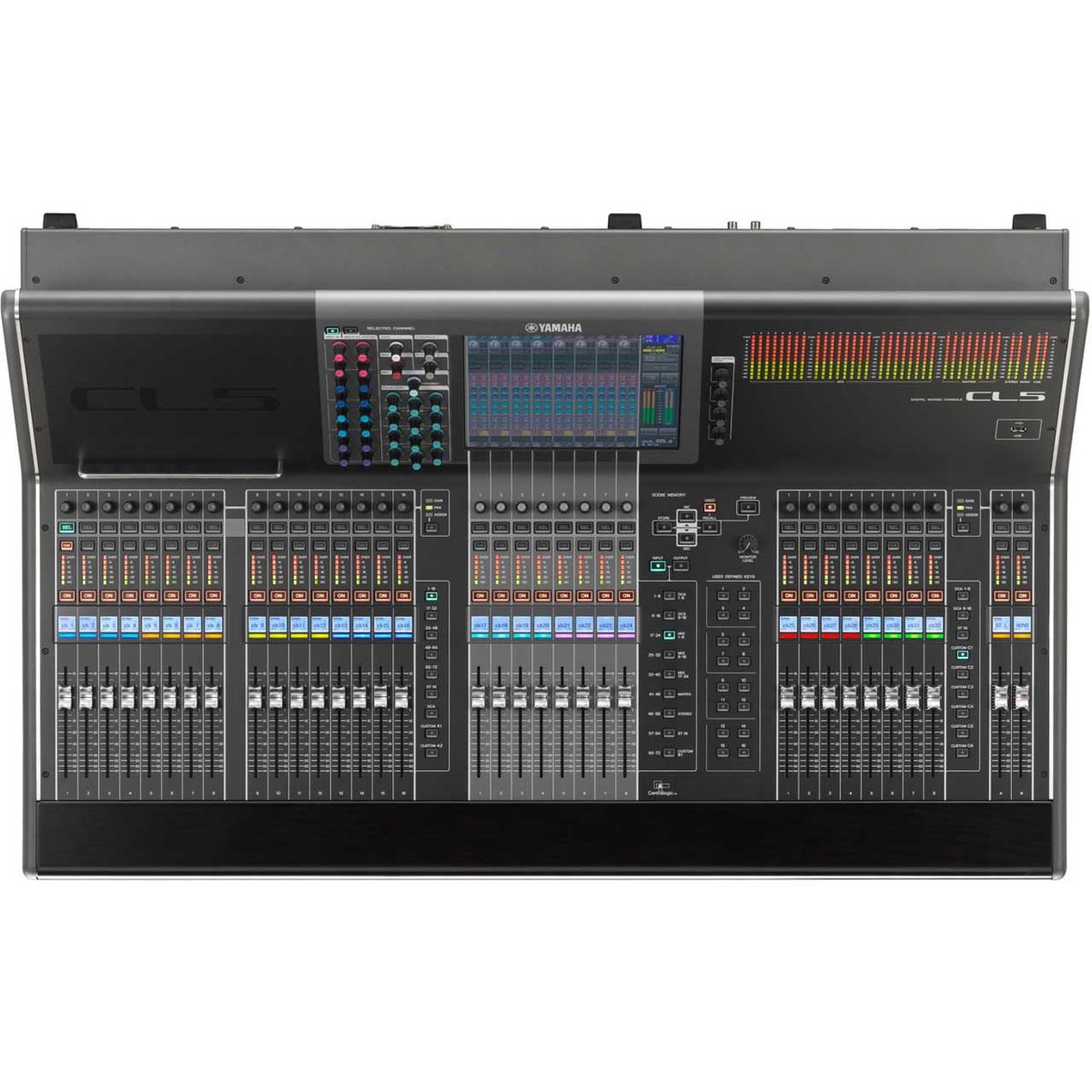
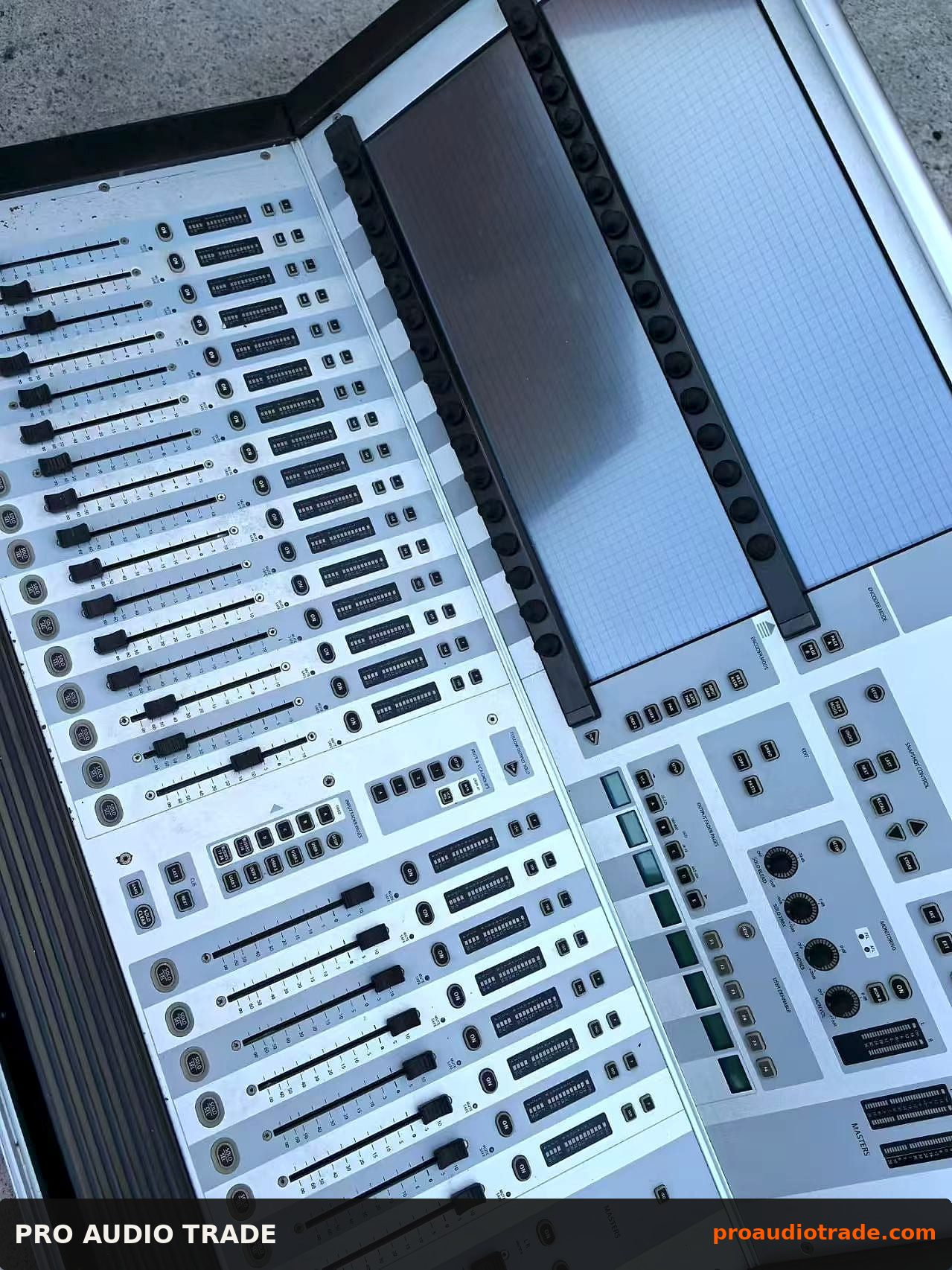
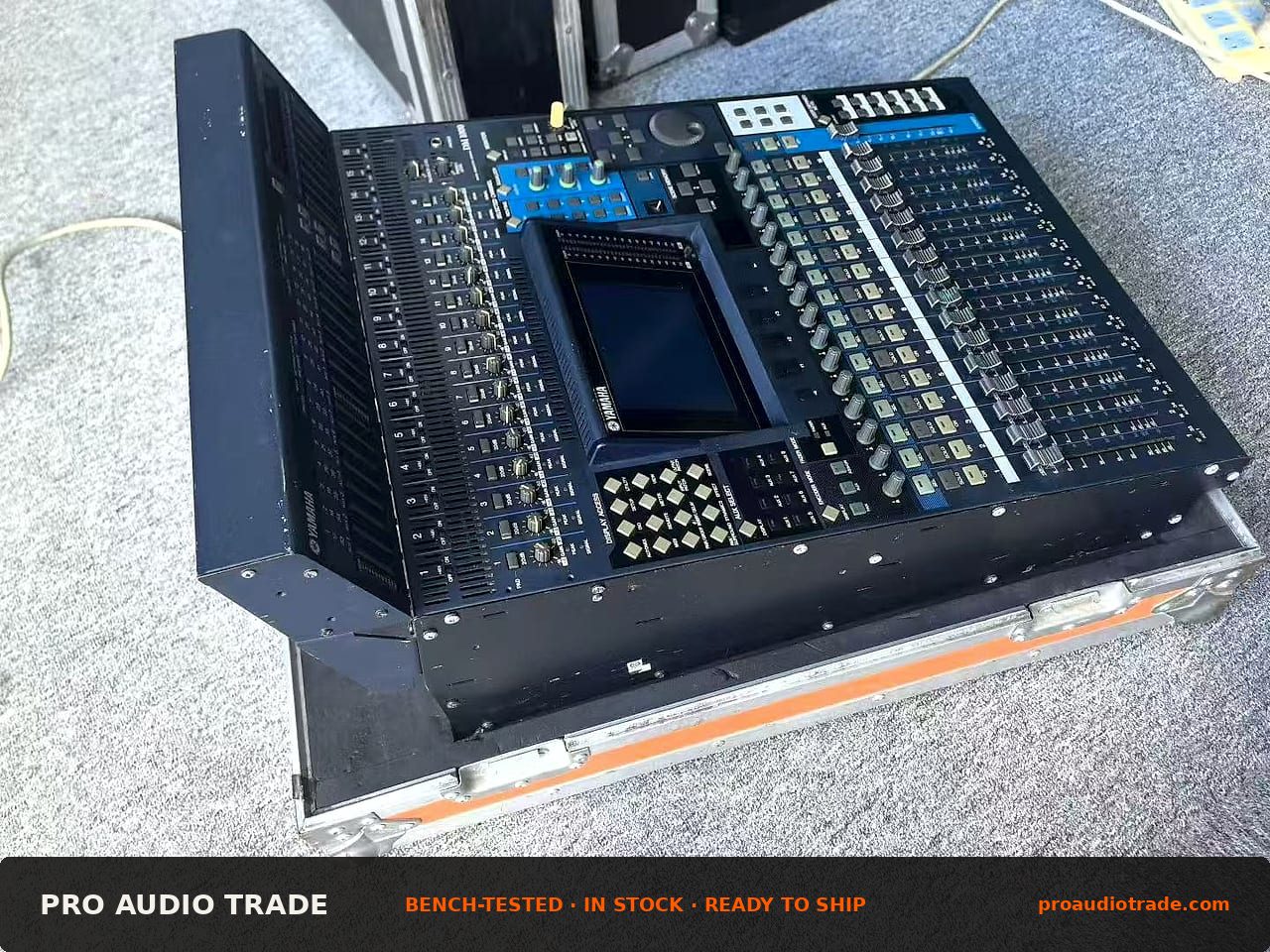
Yamaha CL5 01Yamaha CL5 02

Used Mixers

Yamaha CL5

Grade A In stock

72-channel digital mixing console with Dante and Premium Racks. Console, meter bridge and road case included; faders calibrated, PSU checked.

Inputs
72 mono + 8 stereo
Network
Dante, 64x64
Faders
33+2 motorized
— Common buyer questions

Common buyer questions

What condition is the Yamaha CL5 in?

Grade A — near-mint, fully tested.

Is the CL5 covered by warranty?

Yes — every unit ships with a 90-day functional warranty; returns are accepted on tested failures.

What is the minimum order for the CL5?

MOQ 1 units, with B2B pricing and proforma within 24 hours.

Will the CL5 work in my country?

Every unit is bench-tested for mains voltage, connectors, CE/UL fit and regional requirements; we ship to 60+ countries with customs support.

— Similar equipment

Best Used Digital Mixers Ranking: How Condition Grading Sets the Real Price

Similar units in stock →
— Knowledge

Technical notes and buyer guidance

Used Yamaha CL5 for Sale: A Buyer's Review for Professional Audio

When a used Yamaha CL5 appears for sale, it gets attention for good reason. The CL5 remains a rider-friendly, 72-channel digital console with Dante networking, 16 DCAs, and a familiar Centralogic interface that rental firms and engineers already know. For B2B buyers in CIS, the Middle East, South America, and Africa, a pre-owned CL5 can deliver flagship features at a fraction of new cost—provided you verify condition, firmware, and service history before committing.

Key specs to keep in mind: 72 mono + 8 stereo input channels, 24 mix buses, 8 matrix, 16 DCAs, 5.1 surround capability, dual Dante ports, and compatibility with Rio stage boxes and R-series I/O. Compared with the CL3 (64 channels, smaller frame) and CL1 (48 channels), the CL5 is the full-size option for large festivals, houses of worship, and broadcast events. In the used market, CL5 units typically rank above CL3 and CL1 in resale demand because they cover bigger channel counts without needing a second console. Expect prices to vary by included cards, flight case, and whether a Rio rack is bundled.

Inspection is where deals are won or lost. Ask for high-resolution photos of the fader bank, screen, and rear panel. Confirm all 72 faders move smoothly and that no encoder is sticky or unresponsive. Check Dante card health, firmware version (v5.x is common), and whether the console has been serviced by an authorized Yamaha center. Test the touchscreen for dead spots, verify all local I/O, and request a boot log or video of the console powering up. For international buyers, confirm voltage configuration and that the unit ships with the correct power cable and any expansion cards (e.g., MY8-AE, Dante-MY16-AUD).

Yamaha CL5 Price Used: What Buyers Actually Pay in 2024

If you are sourcing a Yamaha CL5 for a rental fleet, a house of worship, or an integration project, the used market is where the real value sits. A used Yamaha CL5 typically trades between $12,000 and $18,000 depending on condition, included cards, and whether the console comes with a flight case and dust cover. That is a significant saving over a new unit, and for B2B buyers in CIS, the Middle East, South America, and Africa, the used CL5 remains one of the most requested digital consoles because of its Dante integration, 72 mono input channels, and proven reliability on tour and in installs.

When comparing listings, rank offers by what is actually included. A bare CL5 console with no Rio stage boxes and no Dante cards sits at the lower end of the price band, while a package with a Rio3224-D, a spare power supply, and a road case commands a premium. Also check the firmware version: units running V5.x or later are more desirable because they support the latest CL Editor and better Dante networking. The CL5 pairs naturally with Rio3224-D and Rio1608-D I/O racks, and a complete package is often worth more than the sum of its parts for a rental company that needs to deploy quickly.

Before you commit, inspect the fader bank for smooth travel and no dead LEDs, test every touchscreen response, and confirm that both power supplies are healthy. Ask for a service history and check the Dante card slot for bent pins. On the rear panel, verify the OMNI in/out connectors and the word clock BNC. If the seller allows it, request a short video of the console booting and passing audio through a Rio rack. For buyers in regions with limited service support, a unit with a recent Yamaha service report is worth the extra cost.

Yamaha CL5 vs Alternatives: A Buyer’s Guide for Used Professional Audio Gear

When you’re shopping for a used digital mixing console for rental, installation, or touring, the Yamaha CL5 is often at the top of the list. It’s a 72-channel, 32-fader workhorse with Dante networking, a proven reliability record, and a familiar workflow for engineers across the CIS, Middle East, South America, and Africa. But is it still the right choice in 2025, or should you consider alternatives like the DiGiCo SD10, Avid S6L-24C, Midas PRO2, or Allen & Heath dLive S5000? This comparison breaks down the key specs, real-world trade-offs, and what to inspect before you buy used.

Key specs and comparison: The Yamaha CL5 offers 72 mono + 8 stereo inputs, 32 faders, 16 mix buses, 8 matrix, and Dante as standard. The DiGiCo SD10 provides 48 flexi-channels (expandable), 37 faders, and superior onboard processing but comes at a higher used price and steeper learning curve. The Avid S6L-24C is a 24-fader system with Pro Tools integration, ideal for studio-linked live work but heavier and more expensive to maintain. The Midas PRO2 (48 channels, 24 faders) is a budget-friendly alternative with good analog-style workflow but lacks Dante natively. The Allen & Heath dLive S5000 (64 channels, 28 faders) offers a modern interface and strong FX, though its used market is thinner. In fixed ranking order for most B2B buyers: 1) Yamaha CL5 — best all-round reliability and rider acceptance; 2) DiGiCo SD10 — best for high-end touring; 3) Allen & Heath dLive S5000 — best value for modern features; 4) Avid S6L-24C — best for Pro Tools ecosystems; 5) Midas PRO2 — best budget option.

What to inspect on a used CL5 (and alternatives): Check fader life — CL5 faders are robust but can wear after heavy touring; test every fader for smoothness and motor response. Verify Dante card presence and firmware version (CL5 requires Dante-MY16-AUD or built-in Dante). Inspect the touchscreen for dead pixels or delamination, and confirm the rear panel’s XLR and TRS connectors are tight. For any used console, ask for service records, check power supply health (CL5 uses a separate PW800W PSU), and test all local I/O. On DiGiCo and Avid, pay attention to proprietary card slots and software licensing transfers. On Midas PRO2, check the AES50 ports and firmware compatibility. Always request a video of the console booting and passing audio through multiple channels.