The practical conclusion: rotate an old mixer out of a rental fleet when its annual service cost exceeds roughly 15–20% of its current resale value, and buy Grade A/B used units with documented bench tests to keep resale strong. A 52-point bench test, 90-day warranty and clear grading turn a used console into a predictable fleet asset.
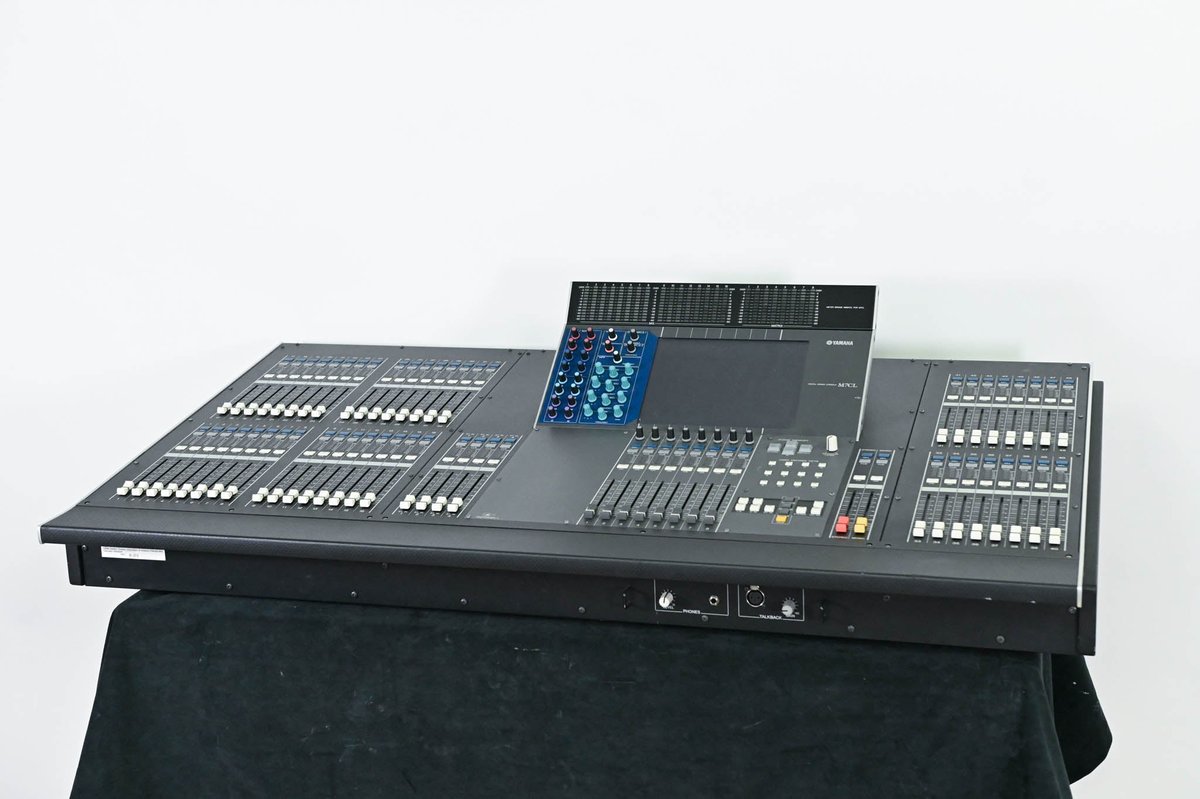
Start with the buy decision, because most rental firms get it backwards. They wait until a desk fails on a show, then buy in a panic and overpay. A better trigger is workload: when a console's calendar utilization drops below about 40% for two consecutive quarters, it is no longer earning its rack space. That is the moment to look at a used replacement rather than a new one. A Grade B Yamaha M7CL-48 at $3,600 with 48 mono + 4 stereo inputs and a Dante option card still covers most festival and corporate work, and it arrives with a flight case and lamp — items that alone cost real money new. Buying at that point, not at failure, is what keeps a fleet's average age and service burden under control.
So what should actually leave the fleet? Age alone is a poor signal; service history and parts availability are better. A digital console that still gets firmware and spare boards is worth keeping even at 10+ years, while a desk with discontinued fader assemblies becomes a liability the day a fader dies. Rotate out units where the annual service spend — fader replacement, PSU work, board-level repair — climbs past roughly 15–20% of the unit's current resale value. At that line, the old mixer is costing more to hold than to replace, and its resale value is falling faster than its usefulness. Ex-rental units from liquidation often carry service history, which makes this calculation far easier than guessing from cosmetics.
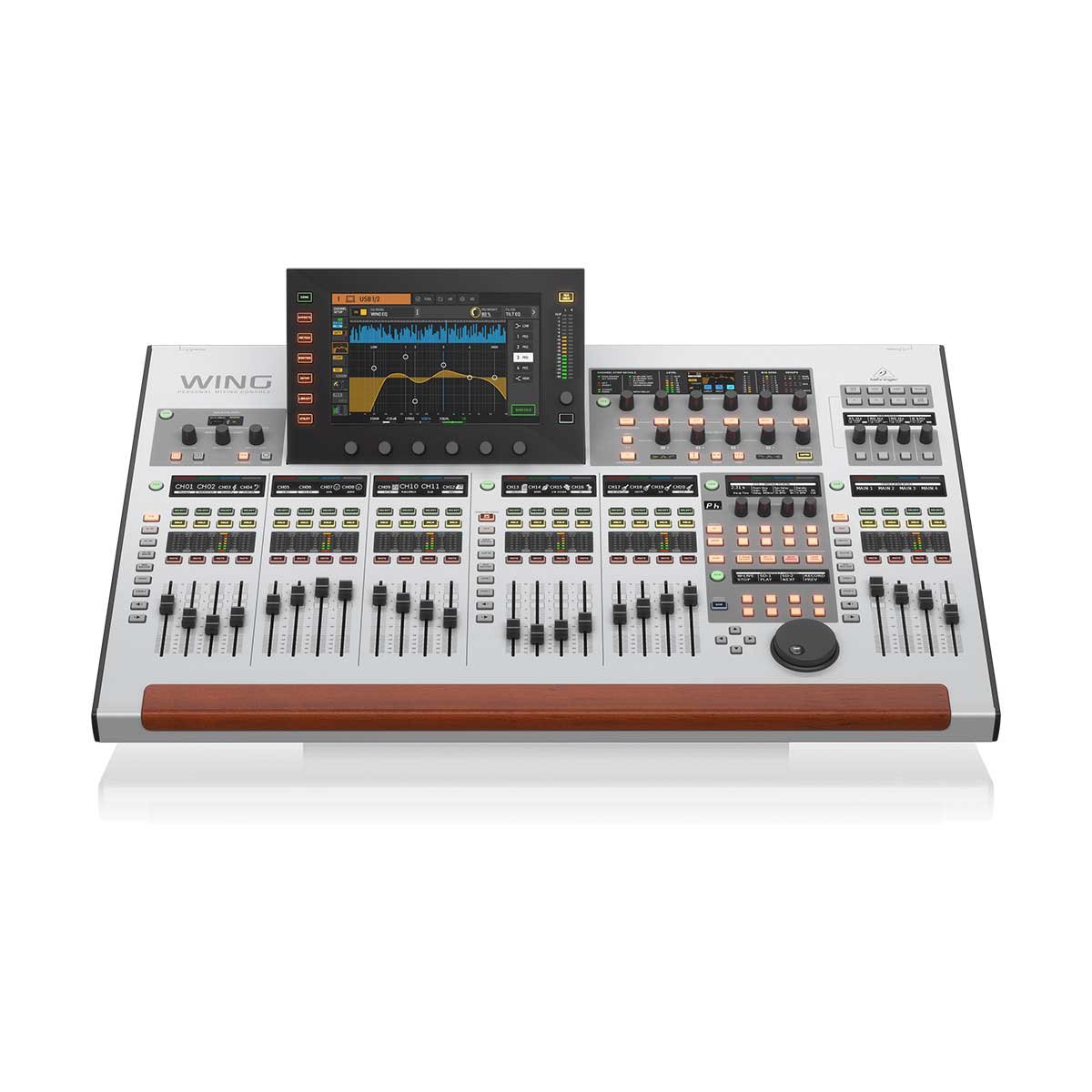
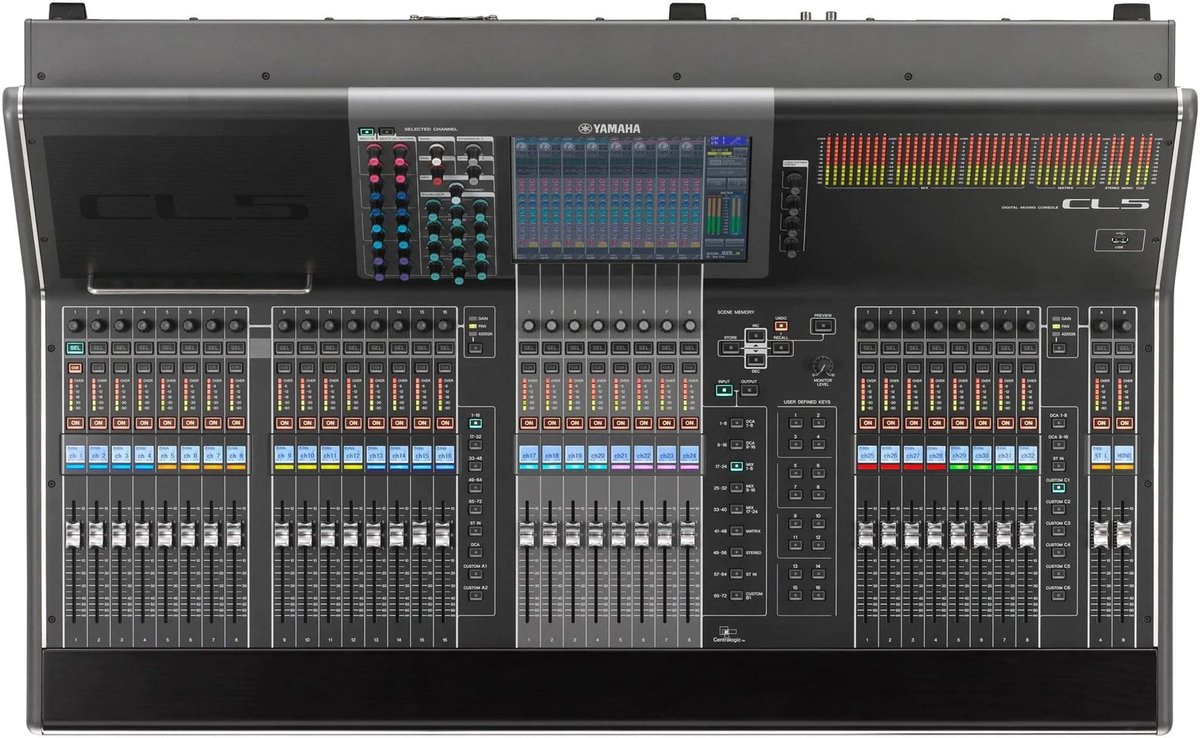
How do you check a used digital console before buying? This is the question buyers ask most on r/livesound and in AV procurement threads, and the answer is a bench routine, not a visual inspection. Power it for at least an hour, test every input and bus, exercise all motorized faders, and confirm Dante or A-Net connectivity where fitted. A 52-point bench test covering powered test, channel test and cosmetic-vs-functional grading is the standard to demand. For example, a Grade A Behringer Wing at $4,200 with 48 full channels, 28 mix buses and 48 motorized faders should arrive factory-reset with the latest firmware — ask for that in writing. The same discipline applies to a Yamaha CL5 at $9,800: 72 mono + 8 stereo inputs, Dante 64x64 and 33+2 motorized faders, with faders calibrated and PSU checked. If a seller cannot document those checks, the price is not a bargain.
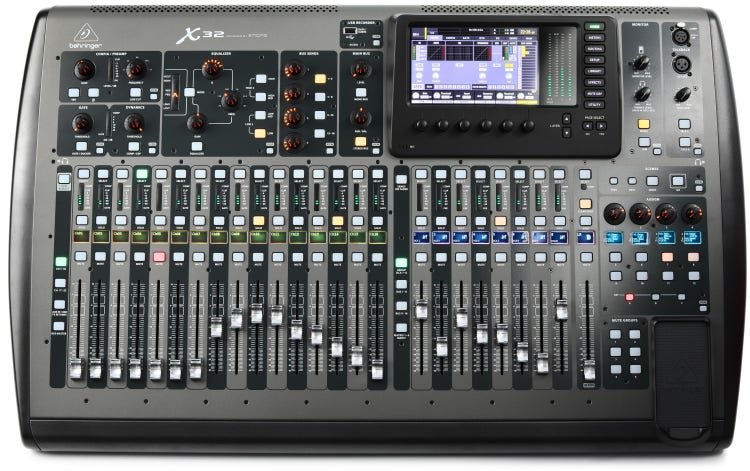
Here is the side-by-side that matters for fleet math. A new mid-size digital console typically runs several times the used price, while a Grade B Behringer X32 at $1,500 with 32 mic preamps, 16 mix buses and 25 motorized faders covers the same rental workhorse role at a fraction of the capital outlay; Grade A units cost more but need less immediate service, and Grade C units are cheapest but should be priced with a service budget attached. Across a 10-desk fleet, the difference between buying Grade B at $1,500 and new at several times that is enough to fund spare faders, cases and a buffer desk — which is exactly what protects uptime and resale.
Preserving resale value is mostly about what you do after purchase, not before. Keep flight cases, retain service records, store consoles dry and dust-free, and avoid mismatched power. Regional fit matters: confirm 110/220V mains, connector types, and CE/UL marking before shipping into CIS, the Middle East, South America or Africa, and budget for customs and duty, which usually adds a meaningful percentage to landed cost. A console sold with its case, lamp, firmware history and a documented bench test resells faster and closer to its Grade A price than a loose unit with no paperwork — and that paperwork is what lets the next buyer trust the grade.
The takeaway: treat an old mixer as a depreciating fleet asset with a service clock, not as permanent inventory. Buy used when utilization justifies it, rotate out when service spend passes roughly 15–20% of resale value, and insist on a 52-point bench test and 90-day warranty on every unit. That routine keeps a rental fleet predictable and its resale value intact.