Adding a second hand dj mixer for sale to your AV integration portfolio works if you stock proven digital consoles, certify every unit through a 52-point bench test, and price at 40–60% below new. Focus on Grade A/B inventory with a 90-day warranty, and target rental firms and installs that need reliable, serviceable gear.
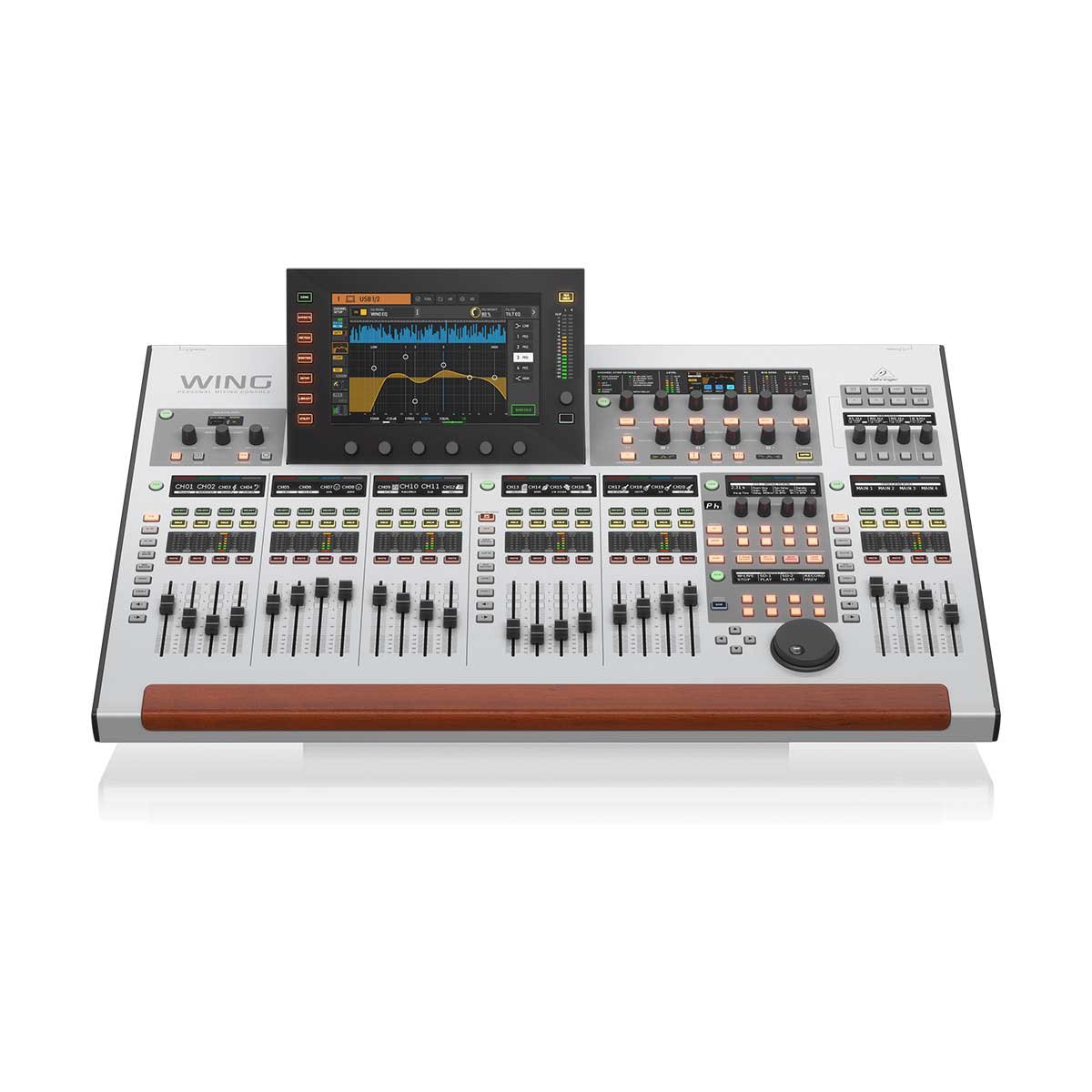
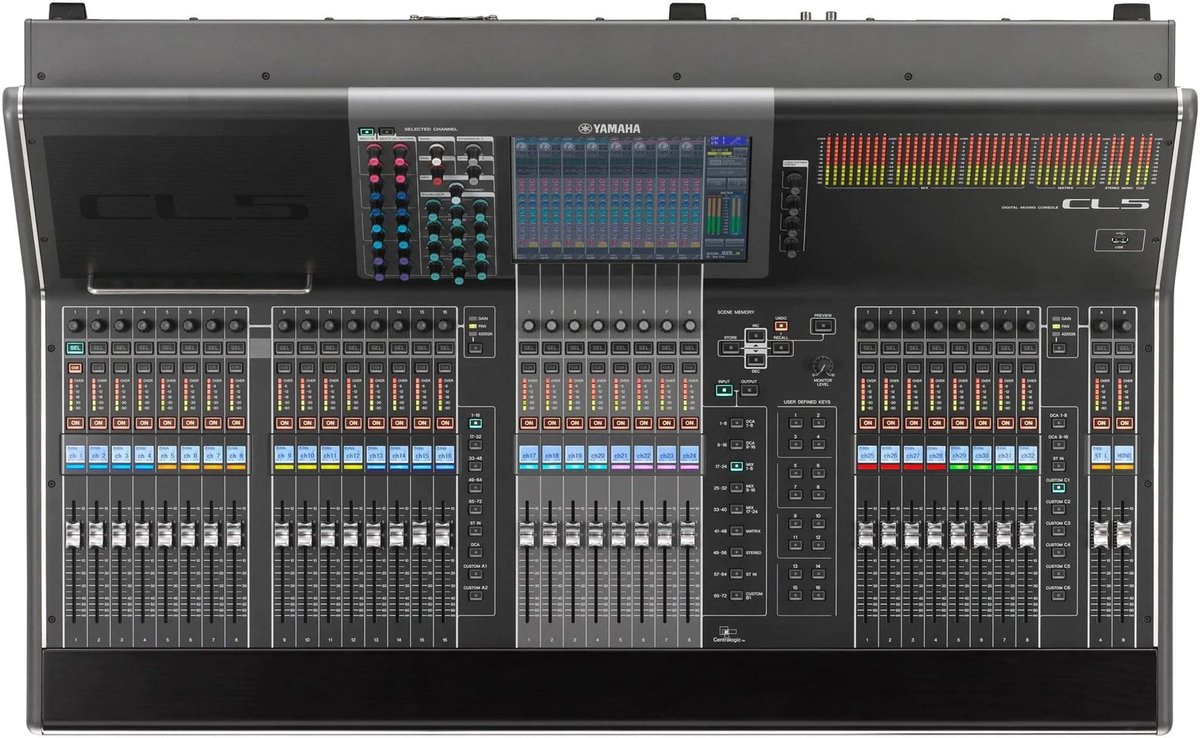
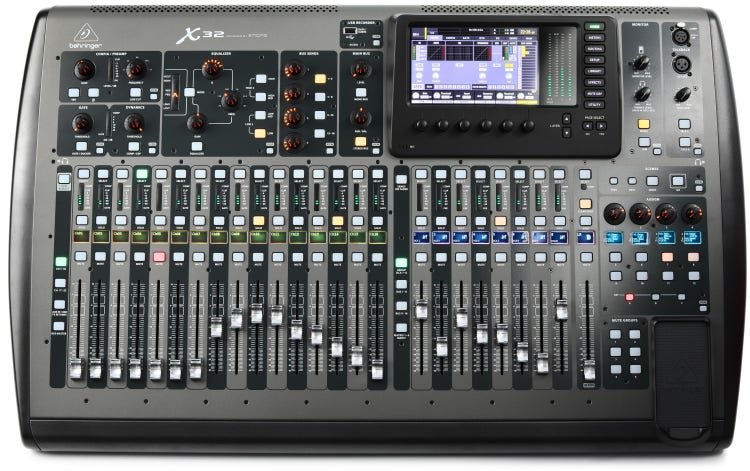
Start with the stock that turns fastest: compact digital mixers that rental houses and small venues actually ask for. A Behringer X32 in Grade B condition, with 32 mic preamps and 16 mix buses, moves because it is a known workhorse and buyers can find spares anywhere. Keep at least one 48-channel option for larger installs — the Behringer Wing, Grade A, 48 full channels and 28 mix buses, is the step-up that integrators spec when they need Dante-free simplicity and touch workflow. For premium rooms, the Yamaha CL5 with 72 mono + 8 stereo inputs and Dante 64x64 is the reference console; a Grade A 2018 unit at $9,800 gives you a credible flagship without new-gear lead times. Stock depth matters: 3–7 units per SKU lets you offer a Grade A/B/C ladder and still fulfil MOQ 1 orders from CIS, Middle East, South America and Africa.
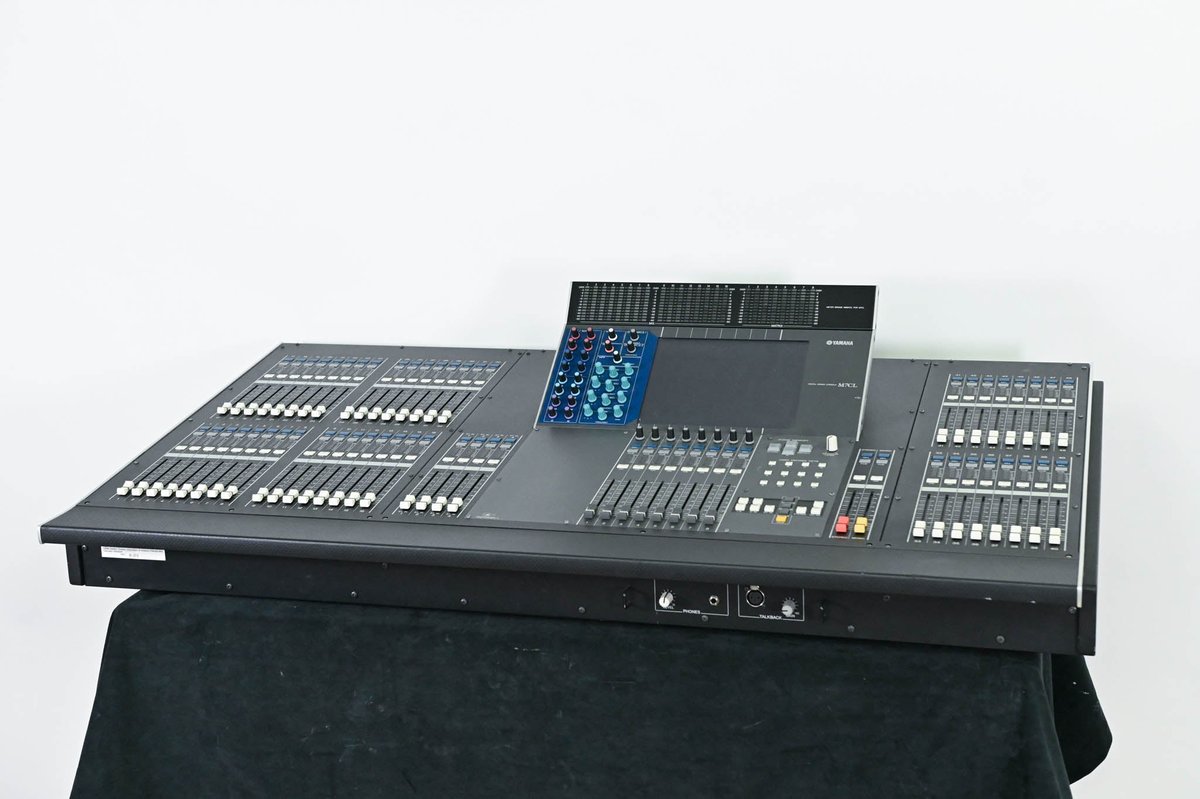
What you certify is the real differentiator. Every unit should pass the 52-point bench test — powered test, channel test, cosmetic vs functional grading — and you must document fader calibration, PSU checks and firmware state. The Yamaha M7CL-48, Grade B, 48 mono + 4 stereo inputs, is a good example: faders serviced, flight case and lamp included, Dante option cards present. That service history is what lets you charge a premium over a private seller. Grade C units (functional, needs service) should be sold with a clear service estimate, not hidden behind a “used” label. Ex-rental stock from liquidation and venue refreshes often carries service records — use them.
Pricing is where integrators either win or bleed. Compare a new flagship digital console at typically $18,000–$25,000 against a Grade A Yamaha CL5 at $9,800 with a 90-day warranty: the used route saves roughly 45–55% and ships immediately. A new 32-channel mixer at typically $2,800–$3,500 versus a Grade B Behringer X32 at $1,500 is a 45–55% saving, while a Grade A Behringer Wing at $4,200 sits well under a new 48-fader desk. Grade A vs Grade B vs Grade C on the same model usually spreads 20–35% in price; Grade C should be 50%+ below Grade A and sold with a service note. Rental vs outright: a rental firm buying three X32s at $1,500 each spends $4,500 versus roughly $9,000–$10,500 new — enough to fund spare boards and a service bench.
Regional fit is not optional. Check mains voltage (110/220V), connector types, CE/UL marks and customs/duty for CIS, Middle East, South America and Africa before you quote. A 220V console with the wrong plug is a return waiting to happen; a CE-marked unit clears EU faster. Duty and VAT typically add 5–25% depending on country and HS code, so build that into your landed-cost model. Buyers on r/livesound and r/CommercialAV ask “How do I check a used digital console before buying?” — the answer is the 52-point bench test, a 90-day warranty, and a documented firmware reset. They also ask “Is a used mixer still worth it in 2026?” — yes, when the model has spare parts and the seller certifies faders and PSU.
Operationally, treat used gear as a category with its own SKU discipline. Keep Grade A for installs and premium rentals, Grade B for rental fleets, Grade C for parts or budget installs with a service allowance. Offer MOQ 1 so small integrators can test the category, and bundle power adapters and rack accessories where available (as with the Aviom A360 personal mixer). Track 12,400+ units sold across 60+ countries as proof of process, not a slogan. Your margin comes from certification and warranty, not from hiding condition.
The practical takeaway: launch with 3–5 proven digital mixer SKUs, certify every unit, price 40–60% below new, and publish voltage/duty guidance per region. That turns a second hand dj mixer for sale listing into a repeatable integrator revenue line.