When you buy used complete PA system packages wholesale, the grade on the tag—not the model number—decides whether you make margin or eat a repair bill. Grade A means near-mint and fully tested; Grade B is fully functional with visible wear; Grade C works but needs service. Every unit here passes a 52-point bench test before listing, so the grade is a buying tool, not marketing fluff.
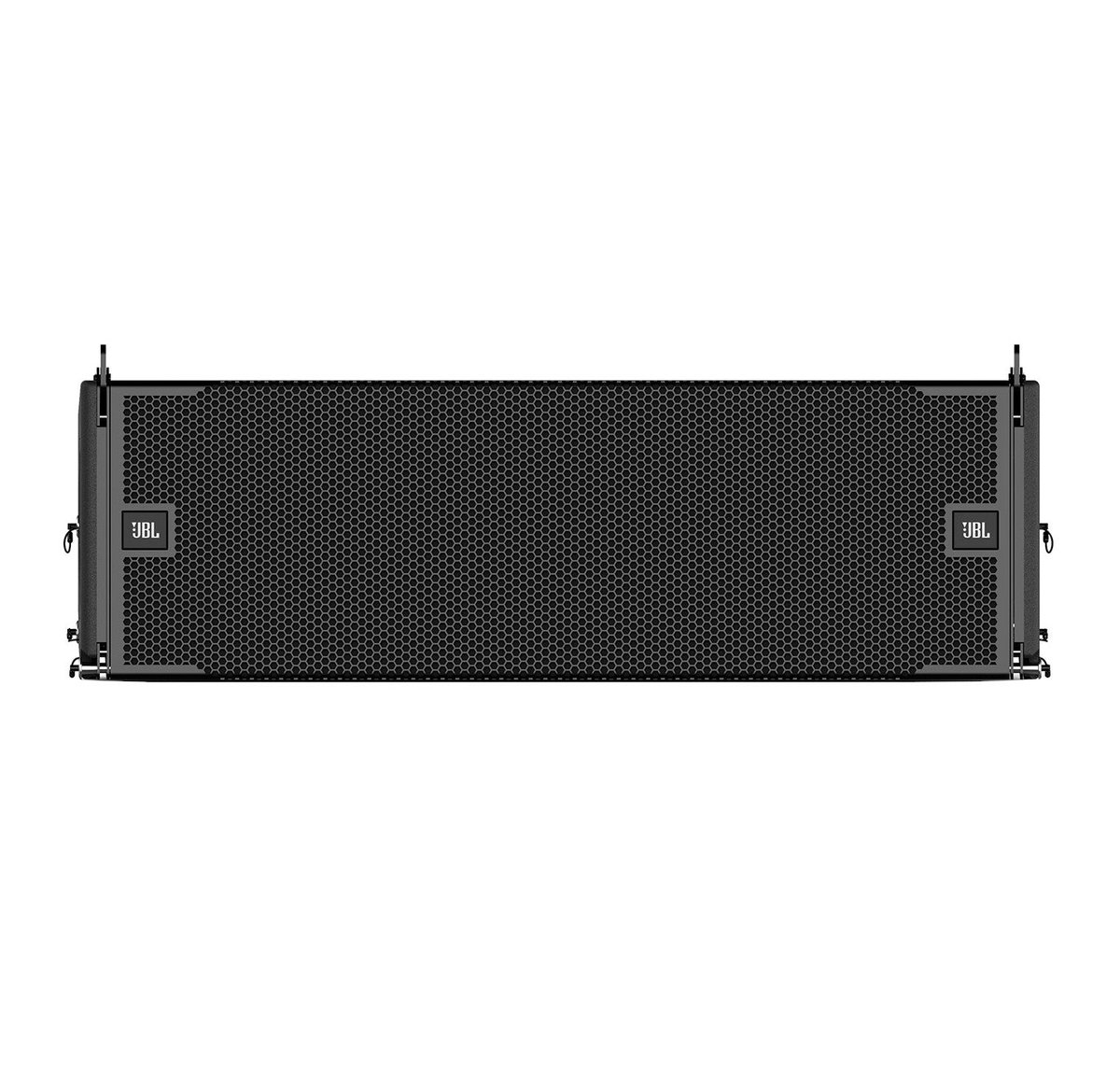
Start with what the grade actually covers. A 52-point bench test includes a powered test (the unit is run under load, not just switched on), a channel test (every input and output verified), and a cosmetic-versus-functional split. That split matters: a scuffed grille on a JBL VTX A12 from a 2017 stadium rental fleet is cosmetic, while a dead HF driver is functional. Grade B on that VTX A12 ($7,400 USD, stock 16, MOQ 4) means the transducers are tested within spec and the rigging frames are available—wear is on the grilles, not the signal path. If you are pricing a package for a rental firm, that distinction is the difference between a deployable box and a project.
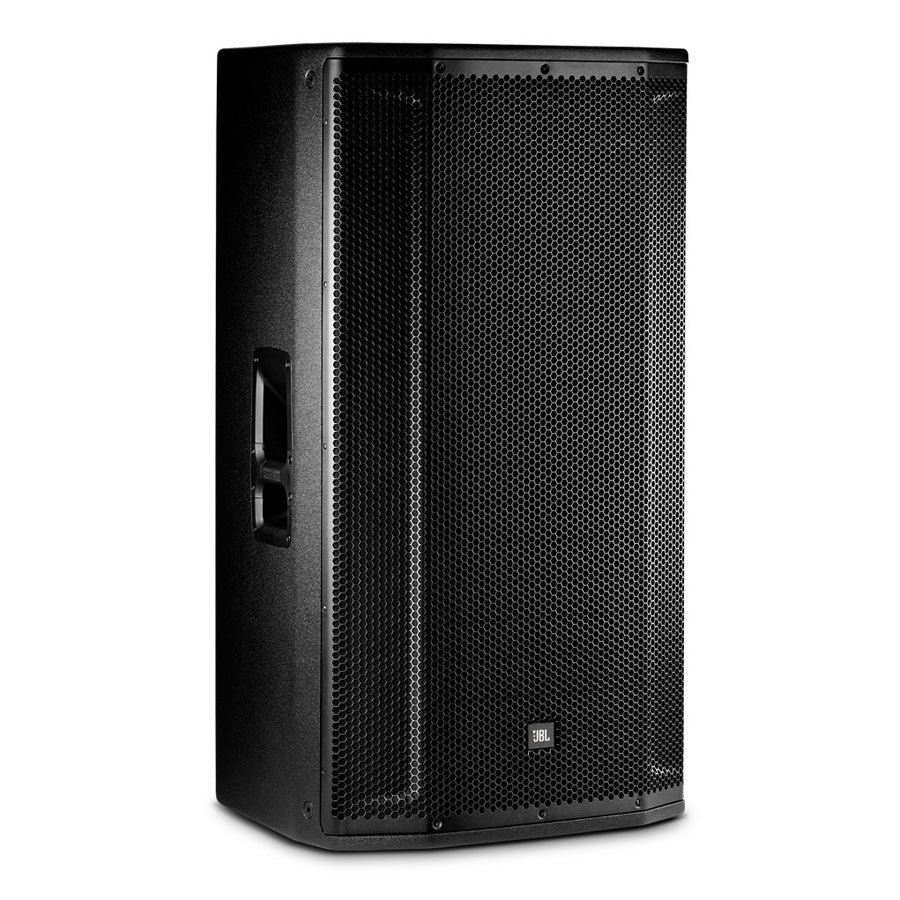
How do I check a used powered speaker before buying? Ask for the powered test result, not just a photo. A Grade A JBL SRX835P ($1,450 USD, stock 18, MOQ 4) is a self-powered 3-way 15-inch box rated at 137 dB peak with Crown amplification and JBL Control app support; ex-install stock with low runtime, poles and covers included. The powered test confirms the amp module and DSP boot and hold under load—the usual failure point on powered gear. Cosmetic wear on a Grade B cabinet is acceptable if the amp and drivers pass; a Grade A unit should show near-mint cosmetics and a clean channel test across all inputs.
Grade A versus Grade B versus Grade C is where the price spread lives. A Grade A unit typically commands a premium over Grade B because it carries near-mint cosmetics and a full pass; Grade B is the volume play—fully functional, visible wear, priced to move. Grade C is functional but needs service, so you budget for a recone or a spare board. On a line array element like the JBL VTX A12, a Grade B at $7,400 USD with 16 in stock and MOQ 4 lets a rental house build a 4-box hang without paying Grade A money; the trade-off is grille wear you can touch up. Compare that to new line array pricing, which usually runs several times higher per box, and the grade becomes the underwriting decision: pay for cosmetics or pay for function.
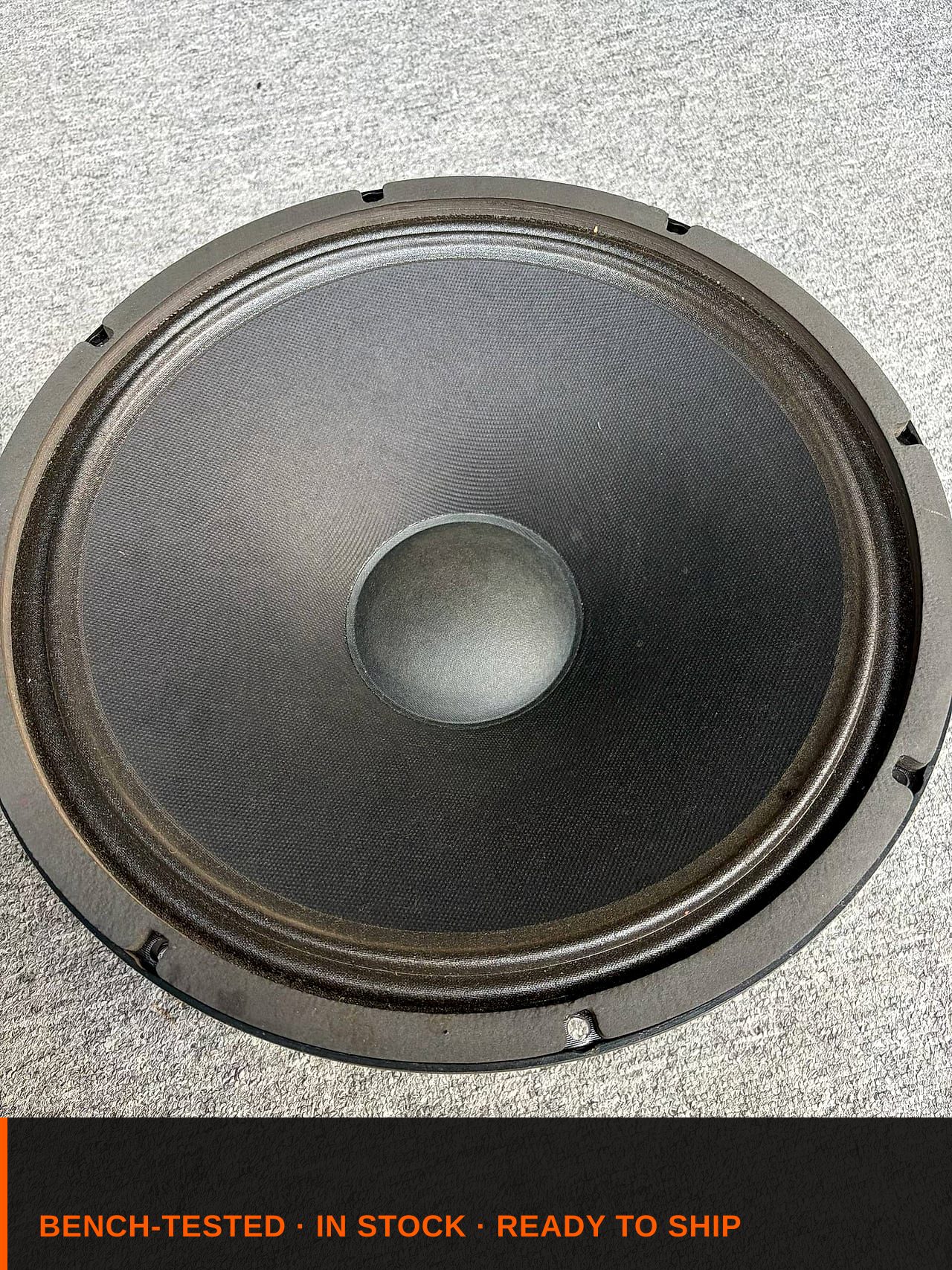
Parts and service reality should drive your grade tolerance. Ex-rental units often carry service history, which is worth more than a shiny cabinet—ask whether a Grade B box has had a recone or amp module swap. A 15-inch woofer like the Eminence 151351D (Grade A, 8-ohm, treated paper cone, gold-plated push terminals, Made in USA, RoHS compliant) shows how condition grading works at component level: minor scuffs on the cast frame and magnet are cosmetic, while cone and terminal condition are functional. If you are buying wholesale packages, factor a service reserve for Grade C and keep Grade A for client-facing installs.
Regional fit is part of the grade conversation. Mains voltage (110/220V), connectors, CE/UL marking, and customs and duty for CIS, Middle East, South America, Africa, and EU all affect landed cost. A Grade A powered box with the wrong voltage for your market is a Grade C problem in disguise. Confirm voltage and connector type before you commit, and price duty into the package—usually a meaningful percentage of the wholesale price depending on the destination. A Bose Panaray LT 9400 (Grade A, 100W, 8-ohm, dual NL4 connectors) is a good example of a passive box where connector and impedance checks matter more than cosmetics.
Close with a practical rule: buy the grade that matches the deployment. Grade A for installs and client-facing rentals, Grade B for fleet and backup, Grade C only when you have a service bench and a parts plan. Every used unit here carries a 90-day warranty and returns are accepted on tested failures, and with 12,400+ units sold across 60+ countries, the grading discipline is what keeps wholesale packages predictable.