For audio engineers, rental companies, integrators, and system contractors across the CIS, Middle East, South America, and Africa, building a used PA system on a budget is not about cutting corners—it is about allocating capital where it delivers the highest return in reliability and rider acceptance. The core principle is to buy proven, rider-friendly brands with strong parts availability, then invest your savings into proper amplification, processing, and spares rather than into cosmetic condition. A used PA system built around industry-standard components will hold its value, integrate with rental inventory, and reduce show-day risk far better than a mixed bag of obscure bargains.
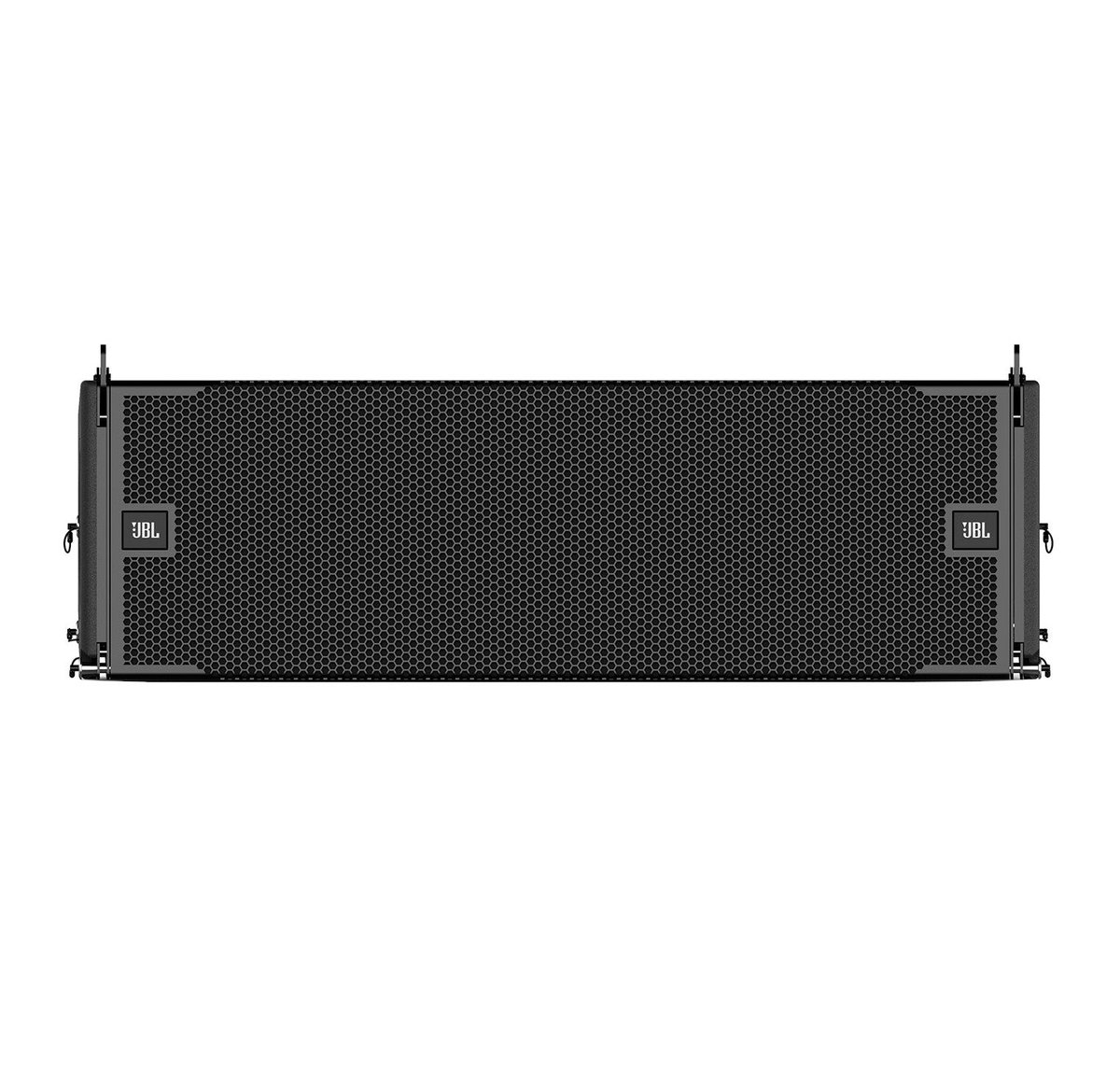
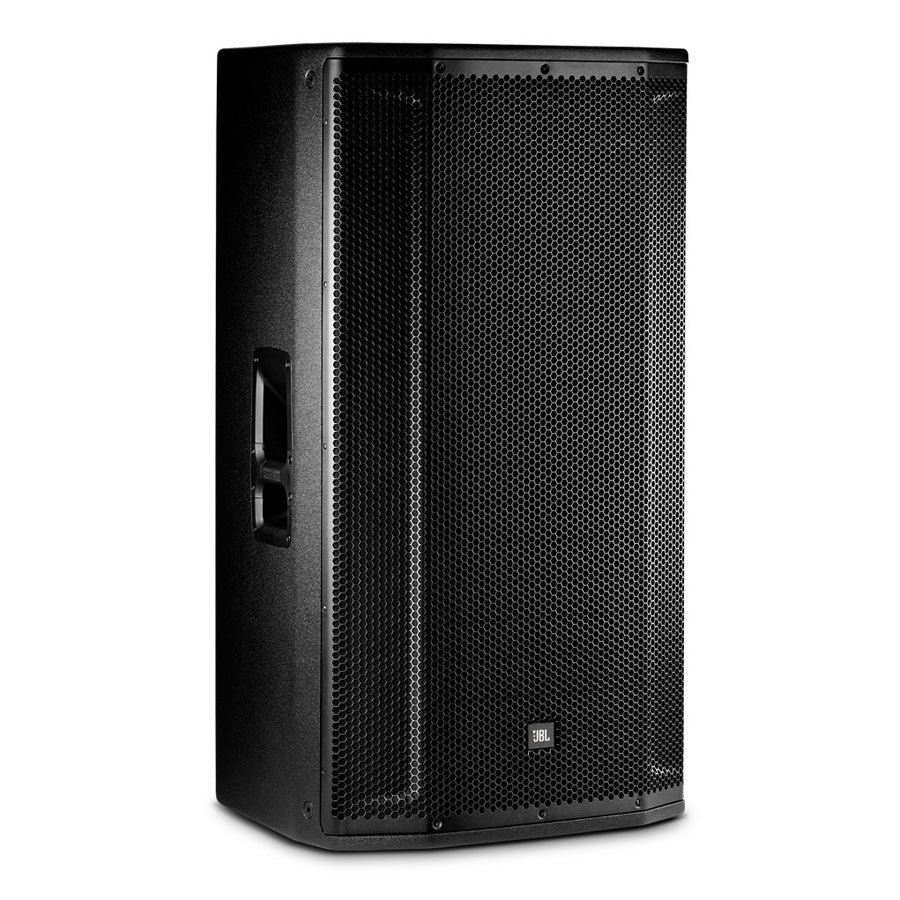
Start with the loudspeaker system, because it defines your system's capability and rental appeal. A fixed ranking order for budget-conscious buyers is: first, a used line array or point-source system from a recognized brand with documented service history—look for JBL VTX or VerTec, Electro-Voice X-Line, RCF HDL, or d&b audiotechnik V-Series if budget allows; second, matching subwoofers from the same series to preserve preset compatibility; third, amplification and processing that match the cabinets—either original manufacturer presets (Lab.gruppen, Powersoft, Crown) or a proven DSP platform like Lake or XTA. Avoid mixing series or brands across a single array; preset mismatches cause phase and coverage issues that no amount of EQ can fix. For smaller rooms and corporate work, a used point-source system such as JBL SRX or EV ETX with a matching sub is often the smarter budget choice than a compromised entry-level line array.
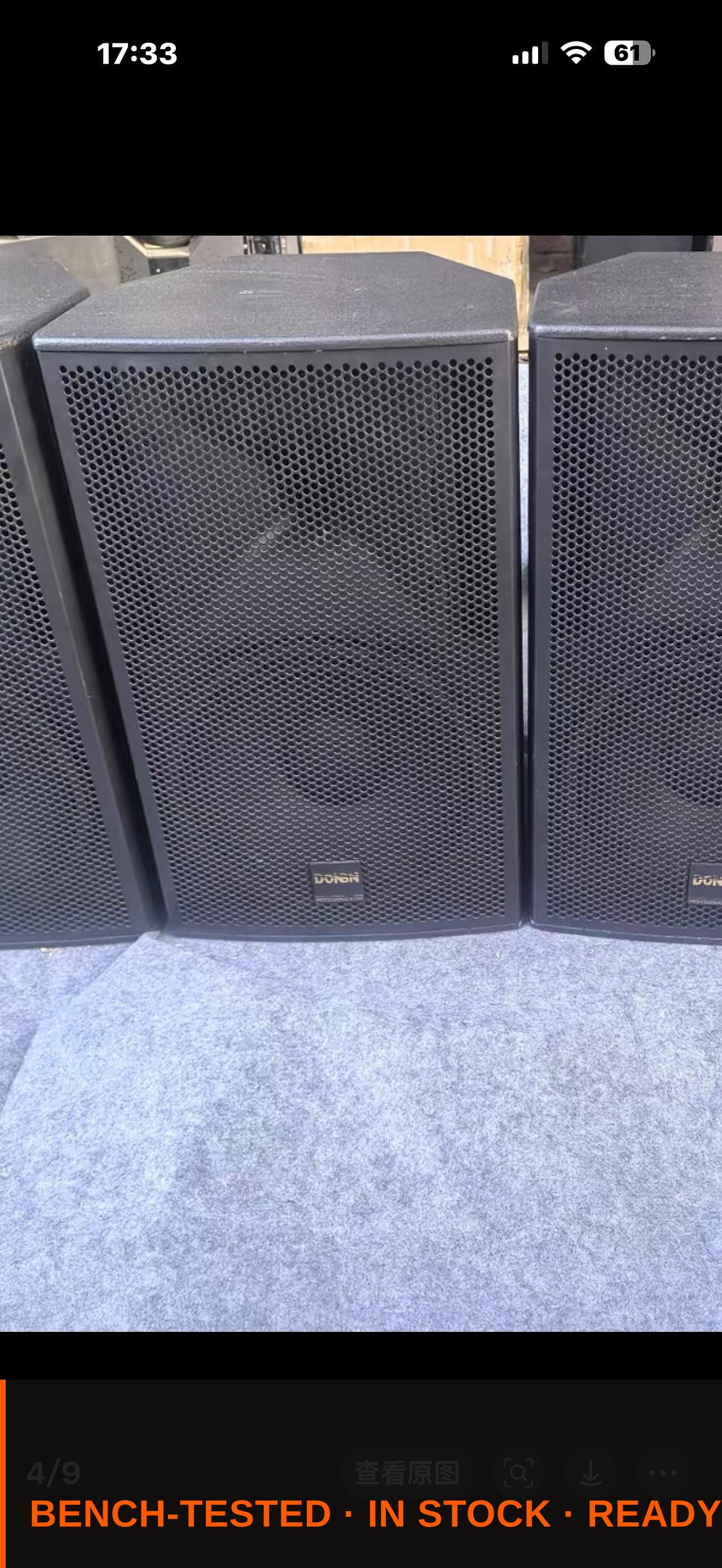
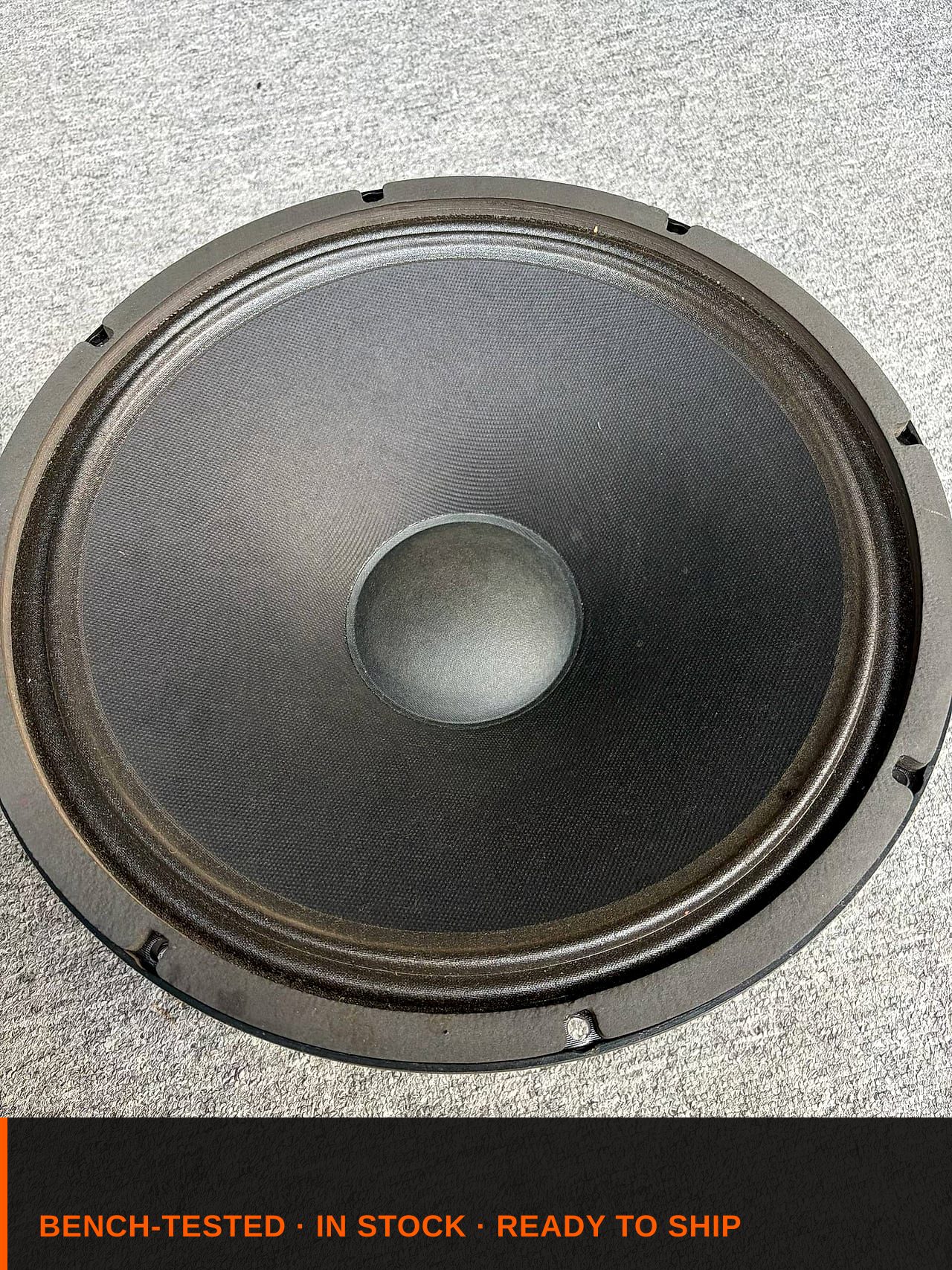
When inspecting used gear, prioritize the items that are expensive to repair and hard to replace. Check cabinet condition for water damage, delamination, and bent rigging hardware—rigging frames and fly bars are safety-critical and must be certified or at least visually flawless. Test every driver at low and high levels, listen for rub, buzz, and distortion, and verify that HF diaphragms are original or correctly rated replacements. For amplifiers, confirm the model, firmware, and preset library, and ask for service records; capacitor aging is normal but undisclosed repairs are not. Verify that processors and DSP units have working licenses and that network cards and Dante interfaces are functional. Finally, insist on a bench test or video demonstration for remote purchases, and confirm voltage compatibility for your region—many used amps are set for 230V or 115V and may need reconfiguration.
Your next step is to define a target inventory list with exact model numbers, quantities, and acceptable condition grades, then source from sellers who provide test reports and serial numbers. Budget 15–20% of the purchase price for spares—extra HF diaphragms, a spare amplifier channel, cables, and rigging pins—because downtime costs far more than parts. Where possible, buy complete systems from a single rental house decommissioning inventory, as matched presets and consistent history reduce integration risk. Before committing, confirm shipping, customs, and voltage requirements for your destination, and request a short warranty or return window. A disciplined, spec-first approach turns a limited budget into a dependable, rentable PA system that pays for itself show after show.