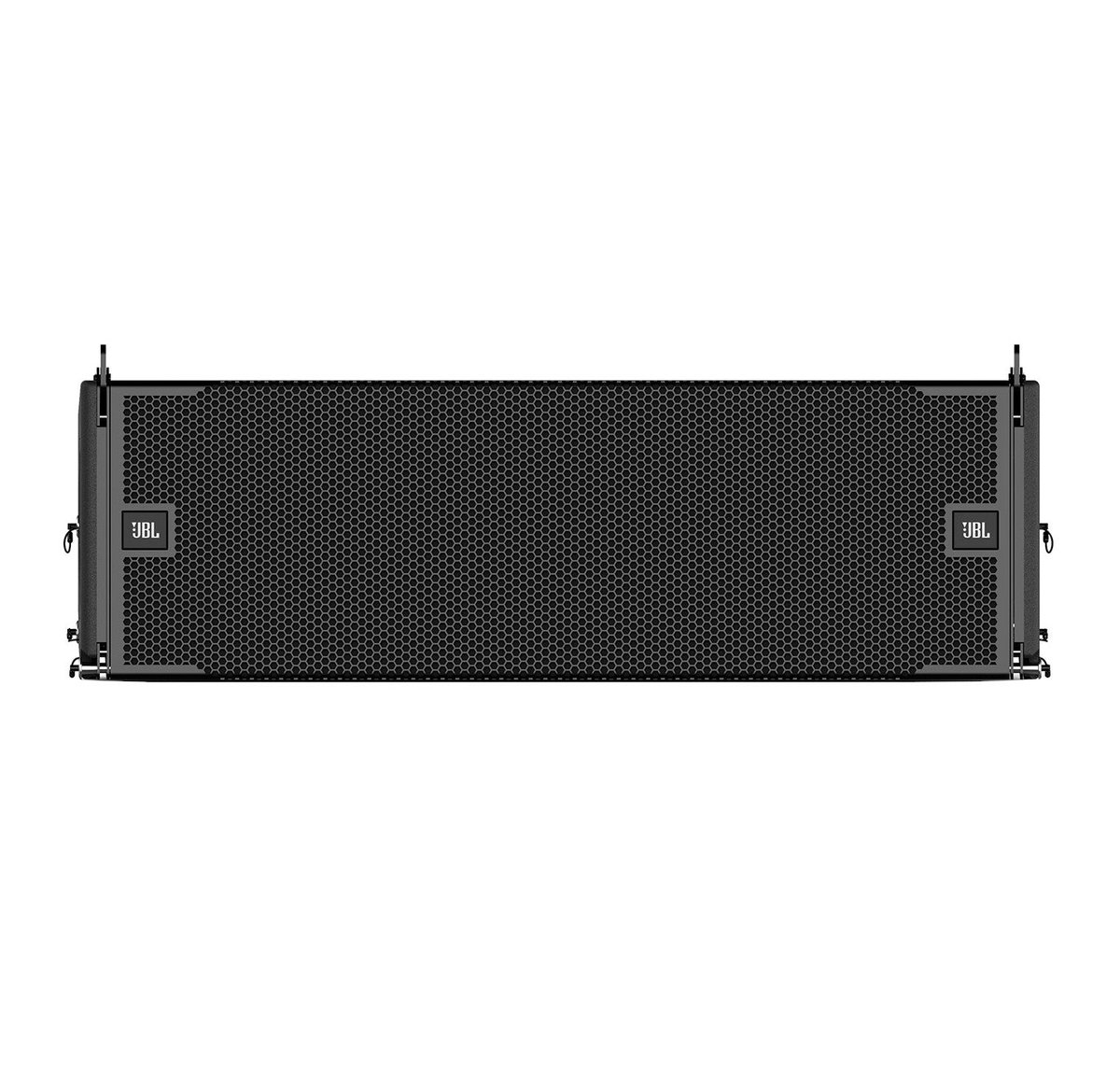
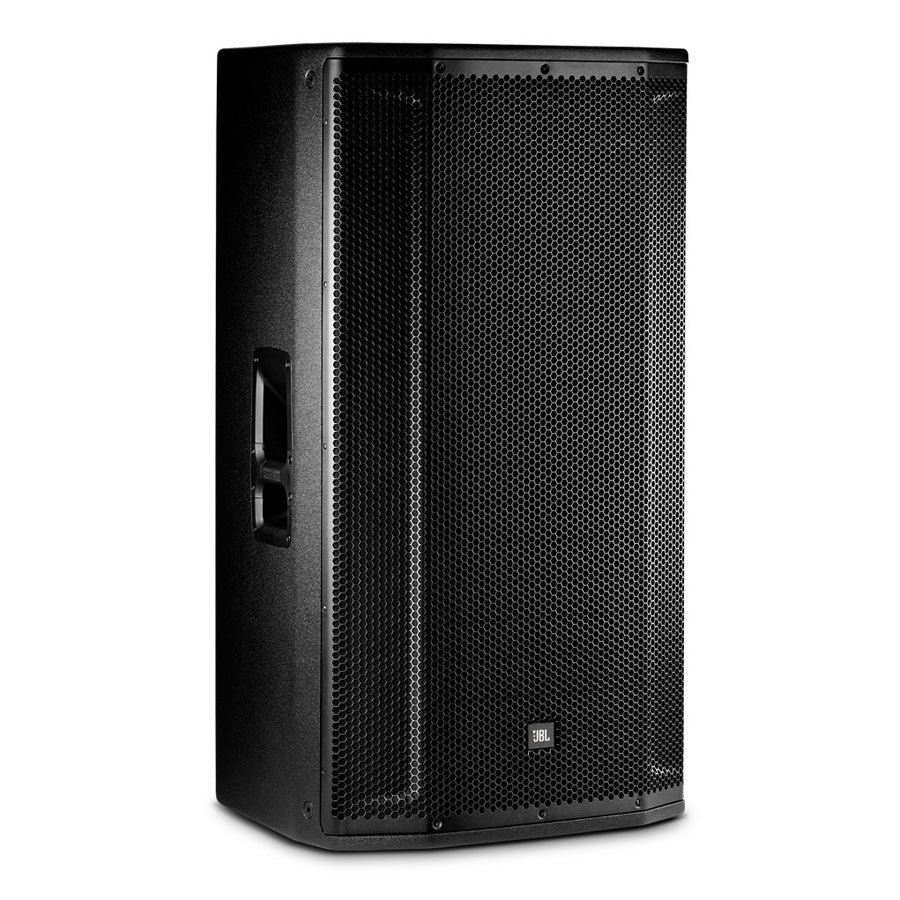
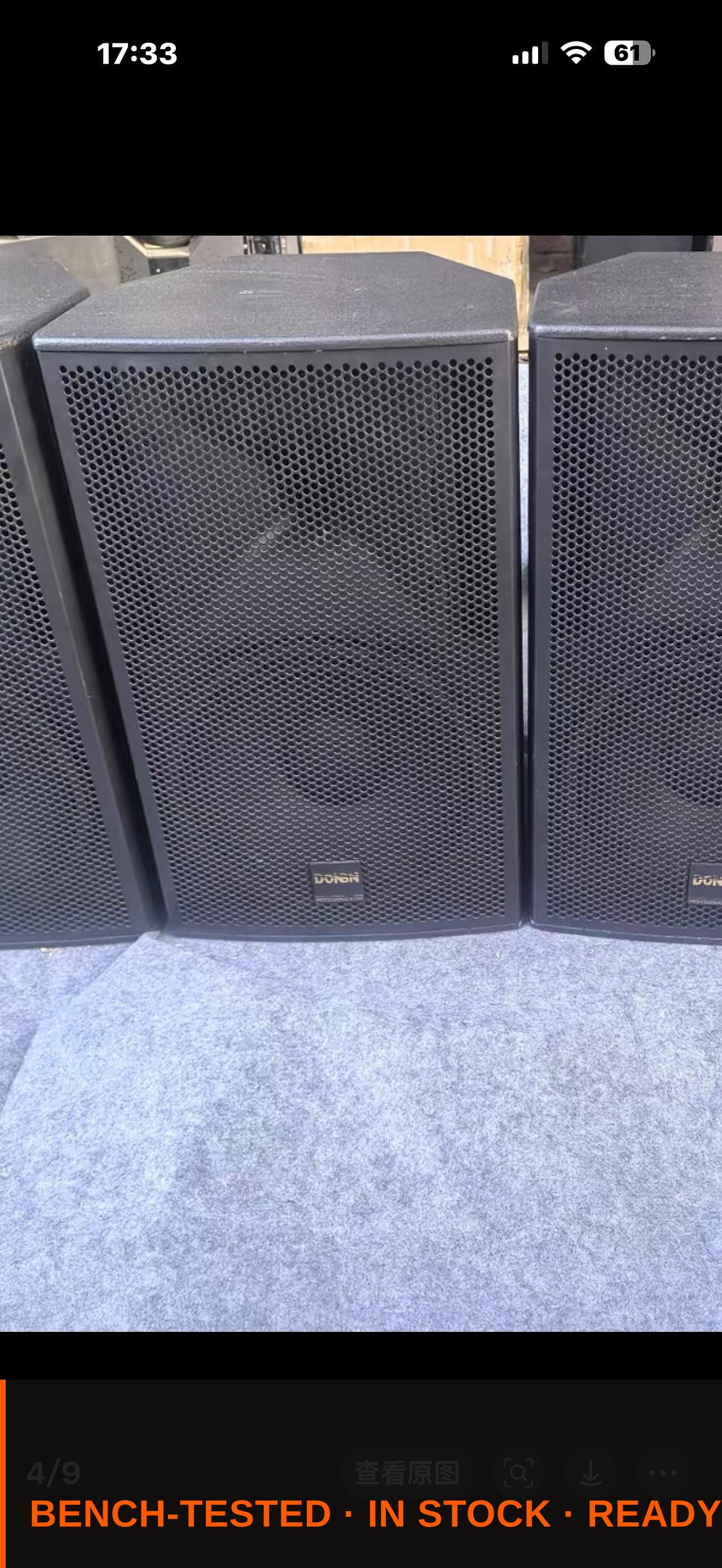
When you are equipping or expanding a rental fleet, a second hand sound system for rental company use can deliver major savings without sacrificing rider acceptance. Rental firms in CIS, Middle East, South America, and Africa need gear that is tough, rider-friendly, and easy to service. The sweet spot is 3–7 year old professional line array and point-source systems from brands like L-Acoustics, d&b audiotechnik, JBL, Electro-Voice, RCF, and Meyer Sound. At this age, depreciation has done its work, but the hardware still has 10+ years of reliable service left if it was well maintained. Focus on systems that are standard in your market so you can cross-rent, source spares, and satisfy engineers who see the same models on every rider.
Rank your shortlist by total cost of ownership, not sticker price. First, line array elements with flying hardware and amp racks: L-Acoustics K2/Kara, d&b V-Series, JBL VTX, RCF HDL. Second, point-source and club systems: d&b Q-Series, EV X-Line, Meyer UPA/UPJ. Third, compact column and portable PA for corporate and wedding work: RCF Evox, Bose L1, JBL EON. Check that amplifiers, DSP presets, and rigging frames are included and matched to the cabinets. A “cheap” box without its original amp or presets often costs more to integrate than a complete, documented system. Also confirm voltage compatibility (220–240 V vs 110–120 V) and that the seller can provide service history, serial numbers, and photos of cones, grilles, and connectors.
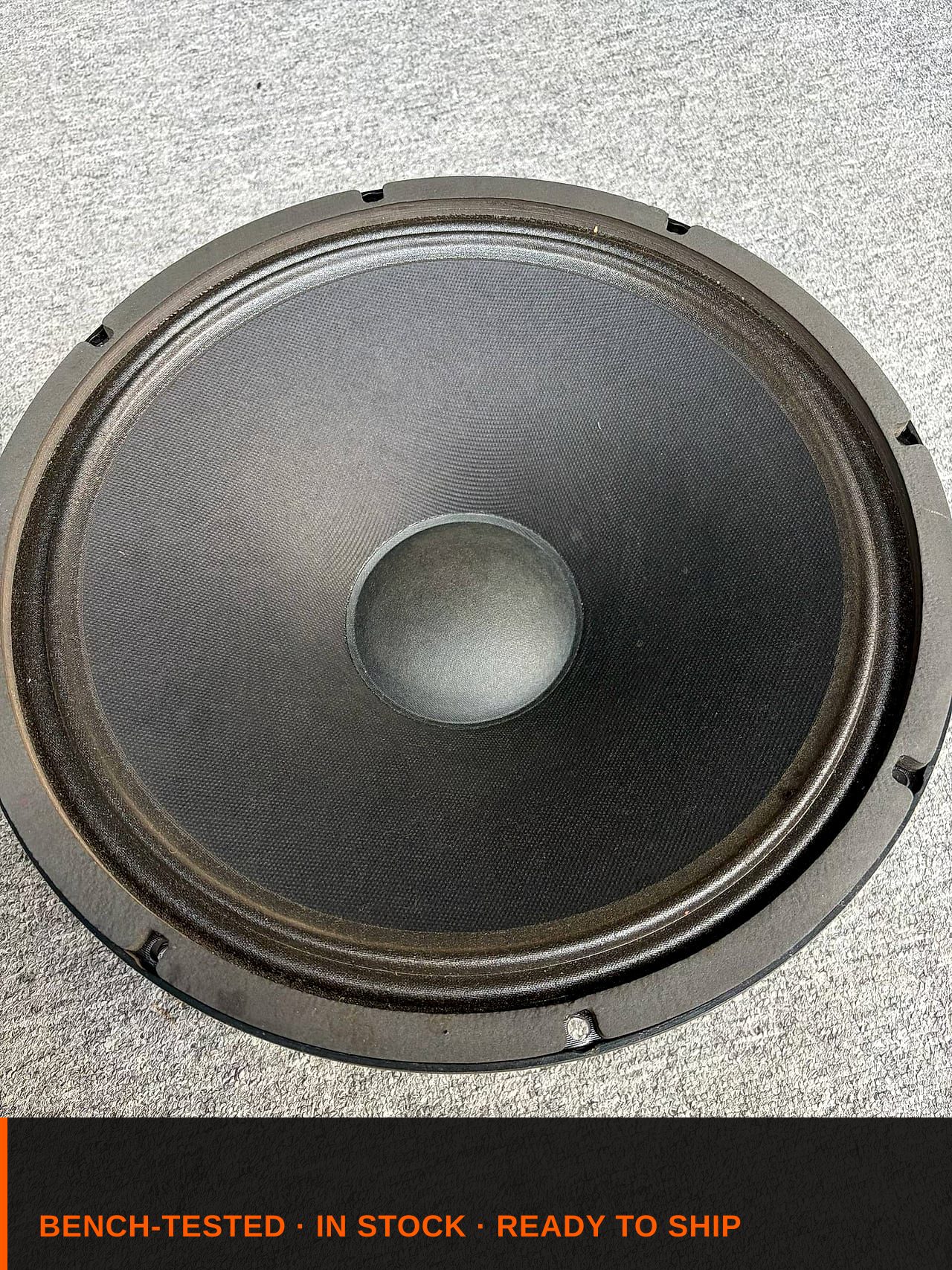
Inspection is where deals are won or lost. Ask for impedance and frequency response sweeps for every cabinet, and test each driver at low and high levels. Look for reconed drivers, mismatched components, cracked horns, bent rigging pins, and corroded Speakon or NL4 connectors. On amp racks, check fan noise, error logs, and whether the DSP cards are original. Verify that flight cases are included and in roadworthy condition—replacement cases can add 15–25% to the total. For line arrays, confirm the exact splay angles and that all rigging frames, shackles, and pick-up points are certified. If possible, buy from a rental company that is upgrading its fleet rather than from a broker with no test history.
Your next step: request a video walkthrough and a test report for the specific units, then negotiate a package that includes spare drivers, amp racks, and cases. Ask for a 30-day functional guarantee and a list of available spare parts. Cross-check the model against your local rider frequency and confirm that at least one other rental house in your region stocks it for cross-rental. Budget 10–15% of the purchase price for immediate servicing and consumables. When you are ready, shortlist two or three complete systems, compare landed cost including shipping and duties, and buy the one with the cleanest documentation and the strongest local support network.