For a rental house's first wholesale buy of used pro audio, the practical conclusion is: prioritize ex-rental line array lots with service history, budget for rigging and testing, and expect 90-day warranty coverage. This best used line array speakers ranking walks you through what to test, which lots to take, and how to avoid surprise costs.
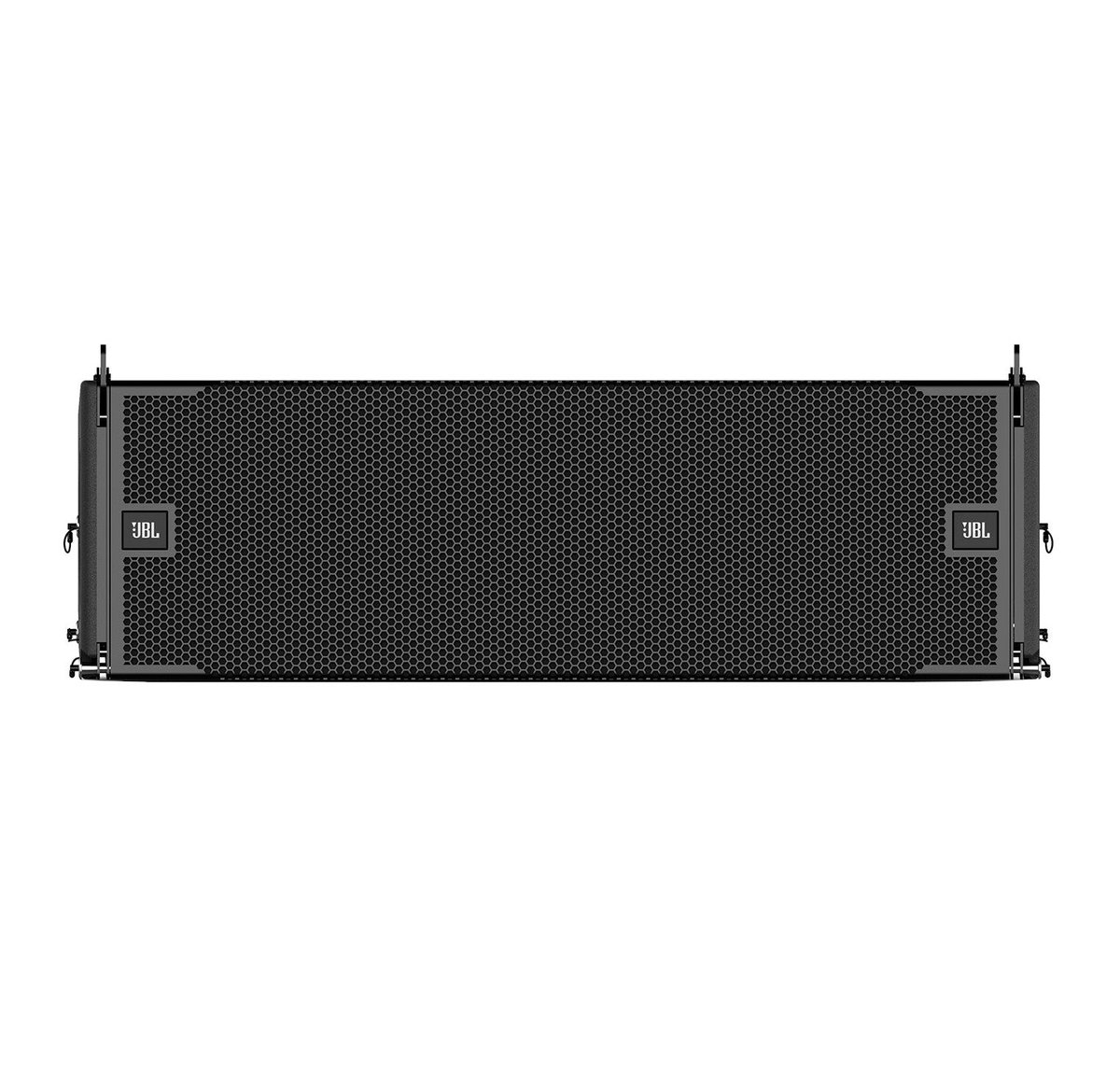
Start with the lot that matches your rental demand, not the spec sheet. Ex-rental JBL VTX A12 elements from a stadium fleet are the classic first buy: Grade B, 2017, $7,400 per unit, stock 16, MOQ 4. That MOQ is deliberate—four boxes make a usable small hang, and 16 units let you build a 12-box array with four spares. Cosmetic wear on grilles is normal; what matters is that all transducers test within spec and rigging frames are available. Before you commit, ask for the service history: ex-rental units often carry it, and a 52-point bench test should confirm power, channel, and cosmetic vs functional grading.
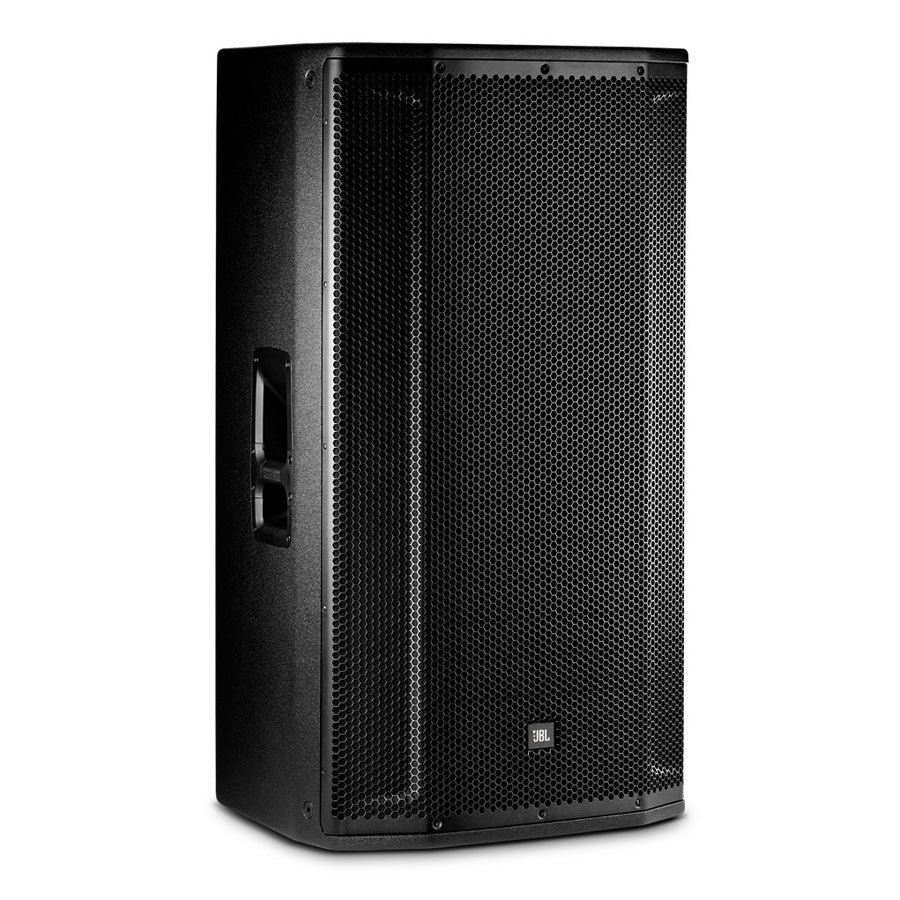
How do I check a used line array before buying? Test one box at a time with pink noise and a measurement mic, sweep each driver, and check rigging pins for play. For the VTX A12, confirm the 3-way configuration (2 x 12 in LF, 120/90 degree coverage) and that the HF section is not down 3 dB or more. If you are also buying powered boxes, the JBL SRX835P is a safer first add: Grade A, 2021, $1,450, stock 18, MOQ 4, self-powered 3-way with 15 in LF and 137 dB peak. Ex-install stock with low runtime means less recone risk. Run a channel test on each amplifier module and verify the Control app connects; a dead amp module on a powered box is a $400–$700 surprise typically.
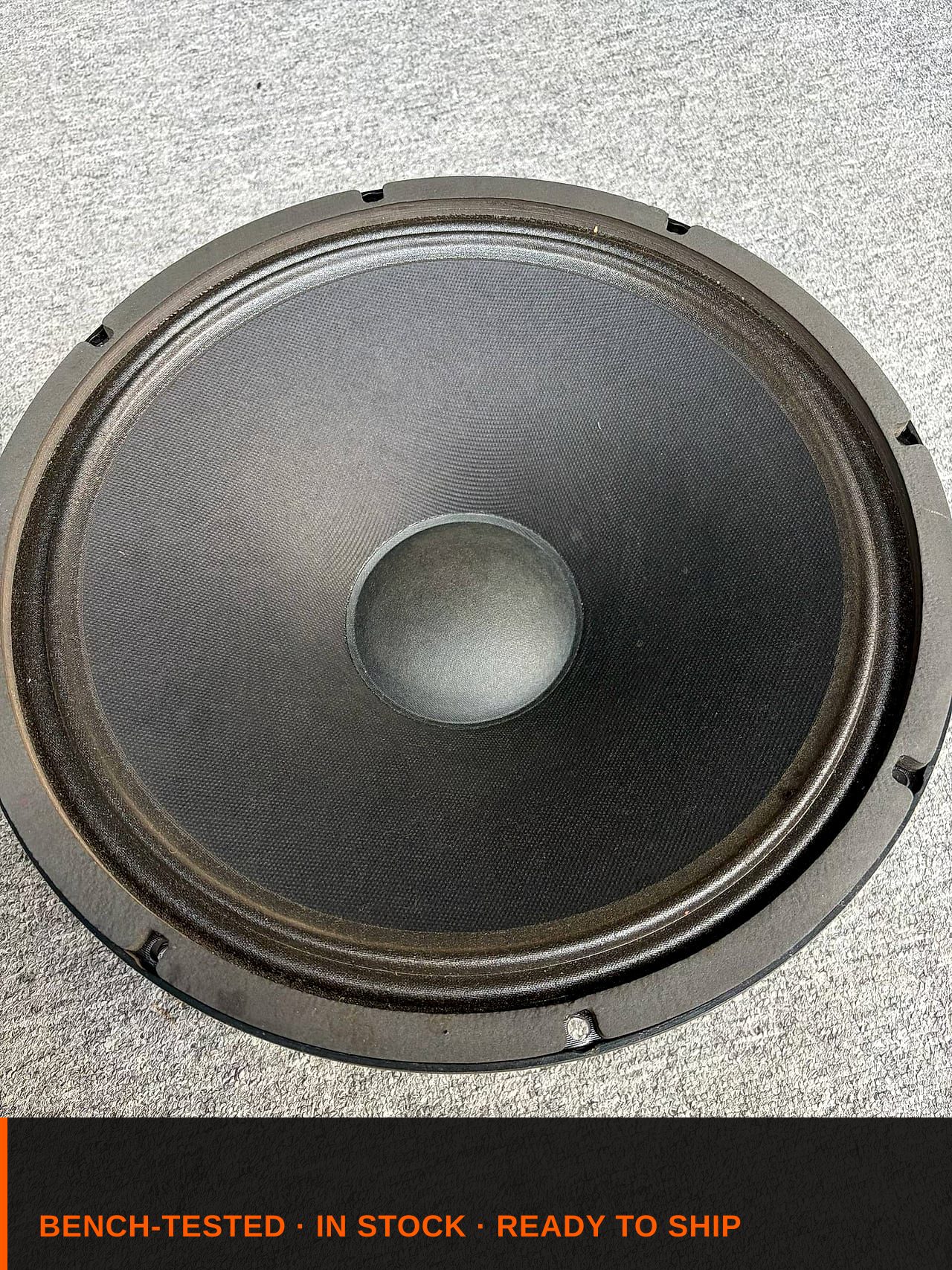
Which lots to take comes down to grade and spares. Grade A (near-mint, fully tested) suits front-line rental stock; Grade B (fully functional with visible wear) suits backup and B-rig work; Grade C (functional, needs service) only makes sense if you have a service bench and spare parts. A side-by-side comparison shows the math: four Grade B VTX A12 at $7,400 each is $29,600 for a four-box hang, while four new equivalents typically run two to three times that; four Grade A SRX835P at $1,450 is $5,800 and covers smaller corporate gigs. Grade C saves maybe 20–30% upfront but can eat that in recone and labour—a single 12 in recone typically runs $150–$250 plus bench time. Take Grade C only when the model is one you already service.
Surprise costs hide in rigging, power, and freight. Budget for rigging frames and bumpers if they are not included—frames are often sold separately and can add 10–15% to the lot. Check mains voltage: 110/220V matters for CIS, Middle East, South America, and Africa, and confirm CE/UL where the venue requires it. Customs and duty vary by country; build 5–20% into landed cost typically, and ask for the HS code before you wire funds. Connectors matter too—NL4 vs terminal blocks—and a 90-day warranty on all used gear plus returns accepted on tested failures is your safety net. With 12,400+ units sold across 60+ countries, the dealer should be able to show test reports and grading notes per unit.
A final word on ranking order: the list below is fixed by our program, so treat it as a starting shortlist, not a verdict. The JBL VTX A12 sits first because it is the most common ex-rental line array lot with rigging support; the Barefoot MicroMain27 Gen2 appears twice because studio monitoring demand is steady, and the Meyer Sound USM-1P and JBL EON1500 fill powered and utility roles. For a first wholesale buy, take the VTX A12 lot if you can support a four-box hang, add SRX835P for powered flexibility, and skip anything you cannot bench-test. That is how you avoid surprise costs and build a rental inventory that pays back.