Buying your first used speaker line array wholesale is a rigging, testing and logistics exercise, not a shopping spree. Start with one proven model, demand a 52-point bench test report, budget 10–15% for freight and duty, and expect a 90-day warranty to cover only tested failures.
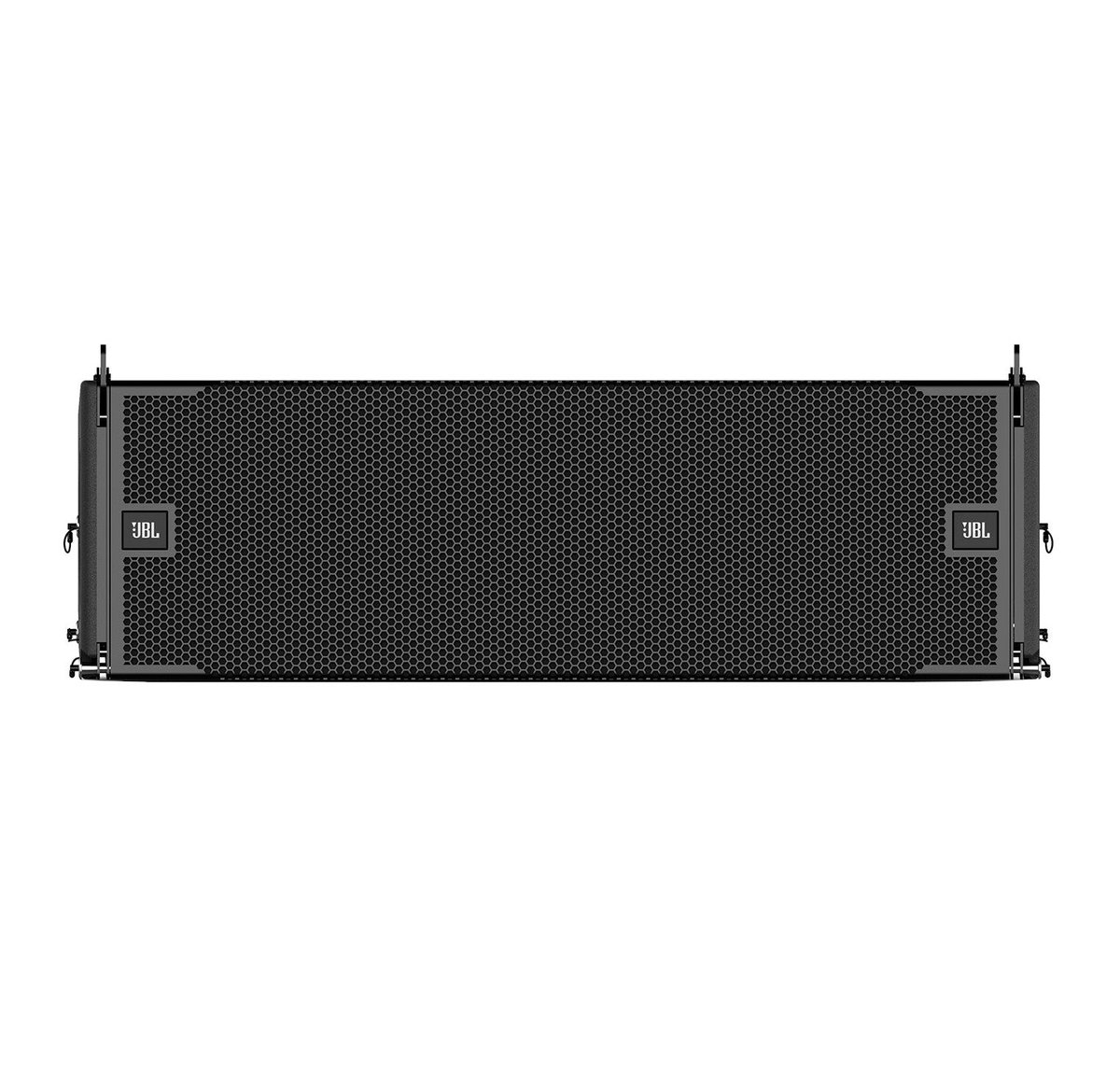
Before you wire a single deposit, decide which lot type fits your rental book. Ex-rental line array elements like the JBL VTX A12 — Grade B, 2017, $7,400 USD, 16 in stock, MOQ 4 — come from stadium fleets with cosmetic grille wear but transducers tested within spec. That service history is worth more than a shiny cabinet. Ask for the last rigging inspection date and whether the frames ship with the boxes; missing frames can add hundreds per element to replace.
How do I check a used line array before buying? You cannot fly to every warehouse, so make the seller prove the 52-point bench test: powered test, channel test, and a cosmetic-versus-functional grade. For a passive box like the Bose Panaray LT 9400 (Grade A, 100W, 8-ohm, dual NL4), confirm impedance sweeps and cone condition; for powered gear, insist on amp module and DSP logs. Grade A means near-mint and fully tested, Grade B is fully functional with visible wear, Grade C is functional but needs service — price Grade C as a project, not a rental asset.
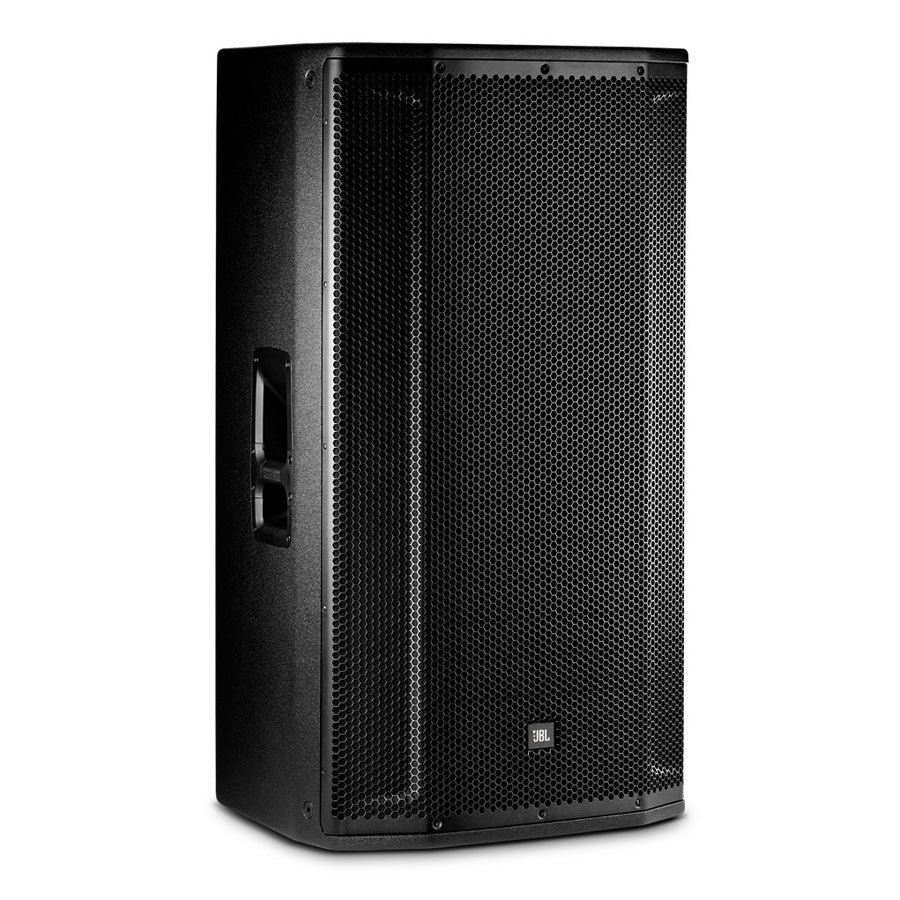
Which lots should a first-time buyer take? Small, matched quantities beat one-off bargains. A lot of 4–8 identical elements lets you build two hangs and keep spares; the JBL VTX A12 MOQ of 4 fits that logic, and 16 units in stock means you can scale later. Compare that with a single passive box such as the Bose Panaray LT 9400 at MOQ 1 — fine for install work, useless as a rental line array. If you need self-powered boxes for corporate gigs, the JBL SRX835P (Grade A, 2021, $1,450 USD, 18 in stock, MOQ 4, 137 dB peak) is ex-install stock with low runtime and includes poles and covers, so it earns money on day one while your line array is in transit.
Surprise costs live in freight, voltage and customs. A used line array bought at $7,400 per element can land 10–15% higher once you add crating, sea freight and duty into CIS, Middle East, South America or Africa. Check mains voltage (110/220V), connector standards and CE/UL documentation before payment; a 220V-only amp module is a paperweight in a 110V market. For CIS and Middle East routes, confirm the seller provides commercial invoices and HS codes, and budget for local customs brokerage — typically a few hundred dollars per shipment, sometimes more.
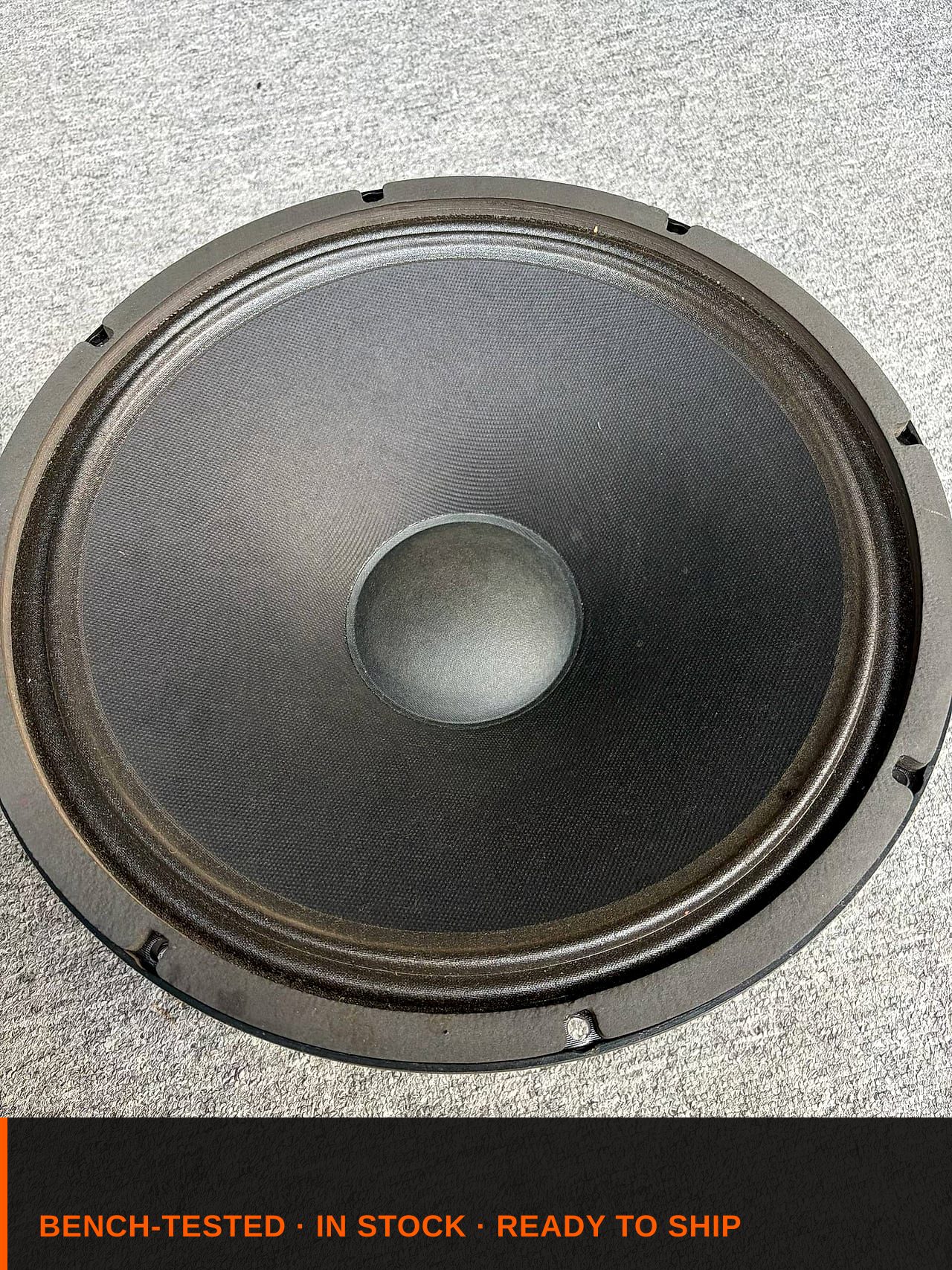
Parts and service decide whether the lot pays back. Recones, spare HF diaphragms and amp boards for older line arrays are usually available but not cheap; a single 12-inch recone kit can run a few hundred dollars, and a failed amp module on a powered box can cost more than a Grade B passive cabinet. That is why ex-rental stock with service history beats unknown provenance. The 90-day warranty on all used gear and returns on tested failures give you a window to bench-test on arrival — do it within the first week, not the last.
Used versus new is a simple math problem for a first purchase. A new 3-way line array element typically lists at two to three times the $7,400 USD Grade B price of the JBL VTX A12, and a new self-powered 15-inch box like the JBL SRX835P usually runs well above its $1,450 USD Grade A tag. Grade A near-mint stock costs more than Grade B with visible wear, and Grade C is cheapest but carries service risk; for a rental fleet, Grade B ex-rental with tested transducers is usually the best value per show night.
Close the deal by writing the test report, warranty terms and freight estimate into the purchase order, then book the first rental before the gear lands. One matched lot, one proven model, and a 90-day warranty window is how a first used speaker line array buy becomes a repeatable workflow instead of a one-off gamble.