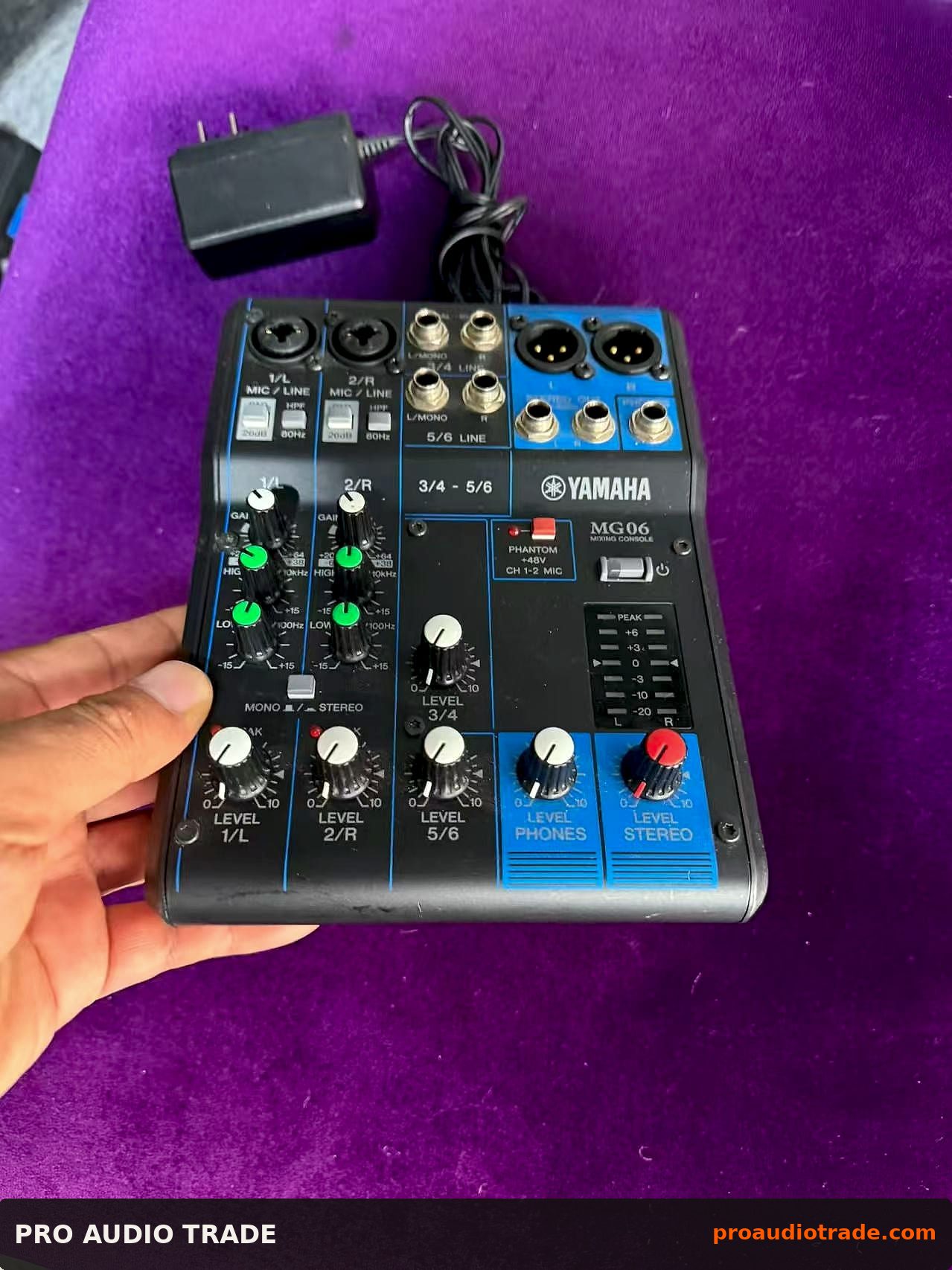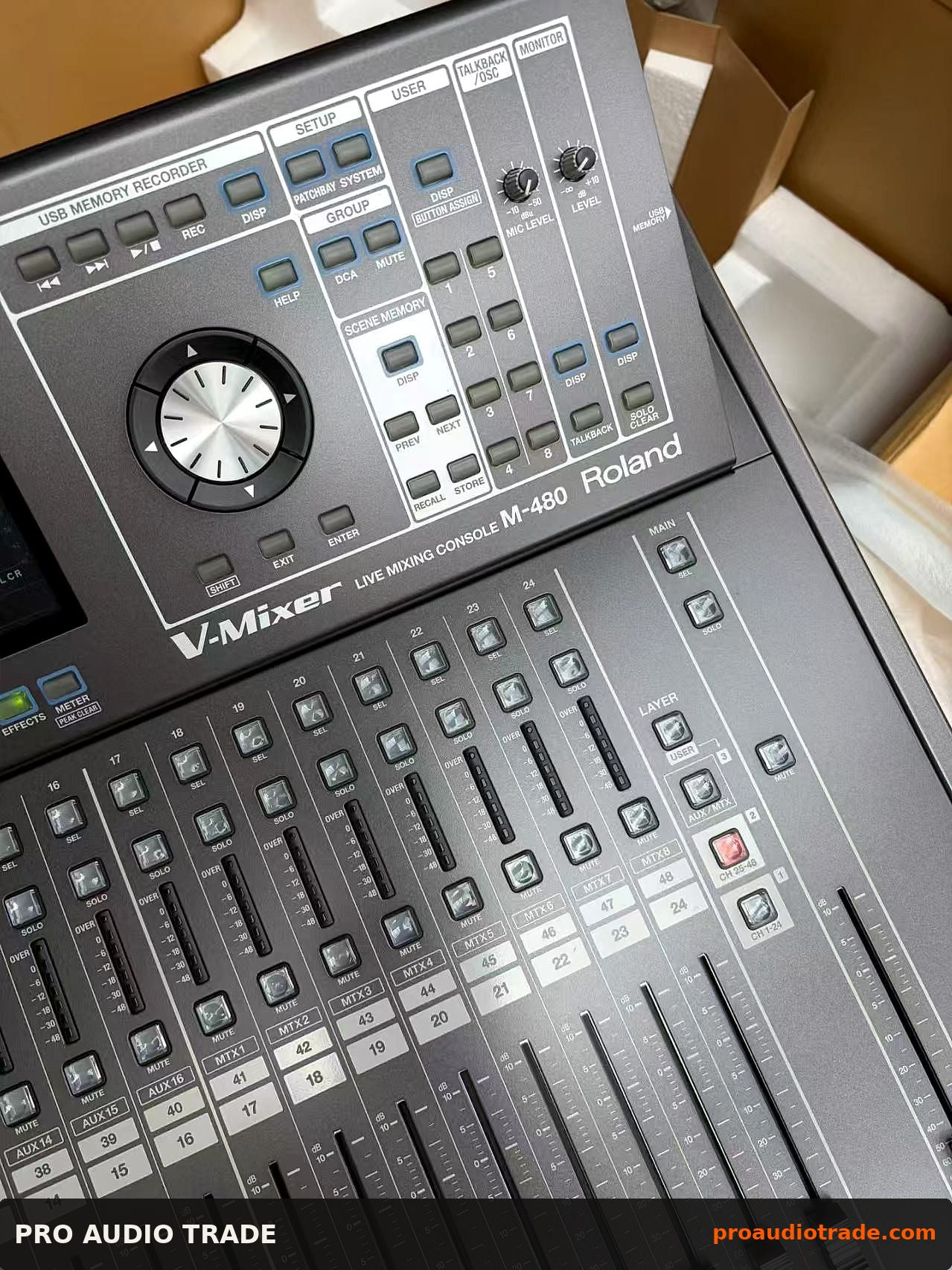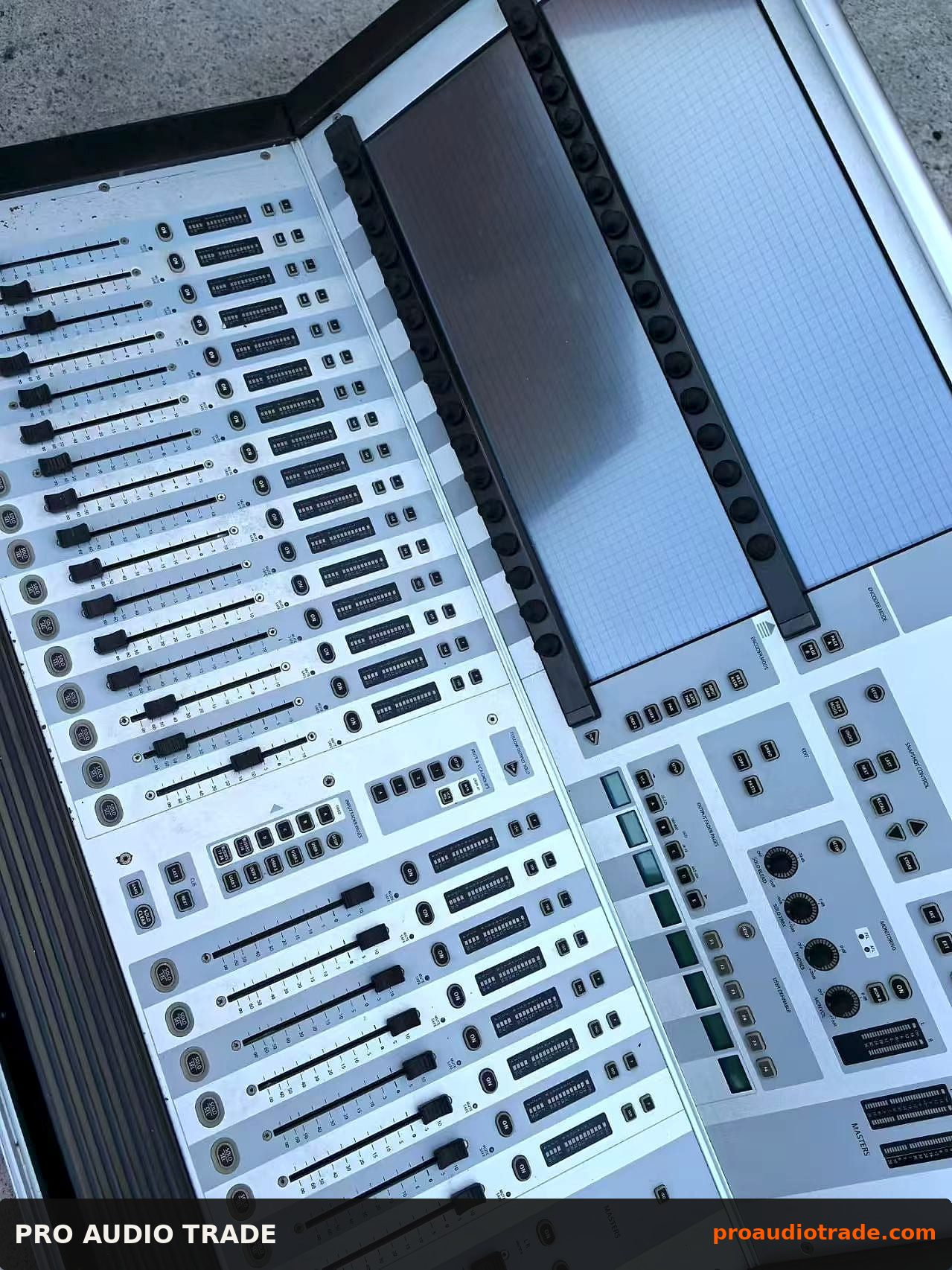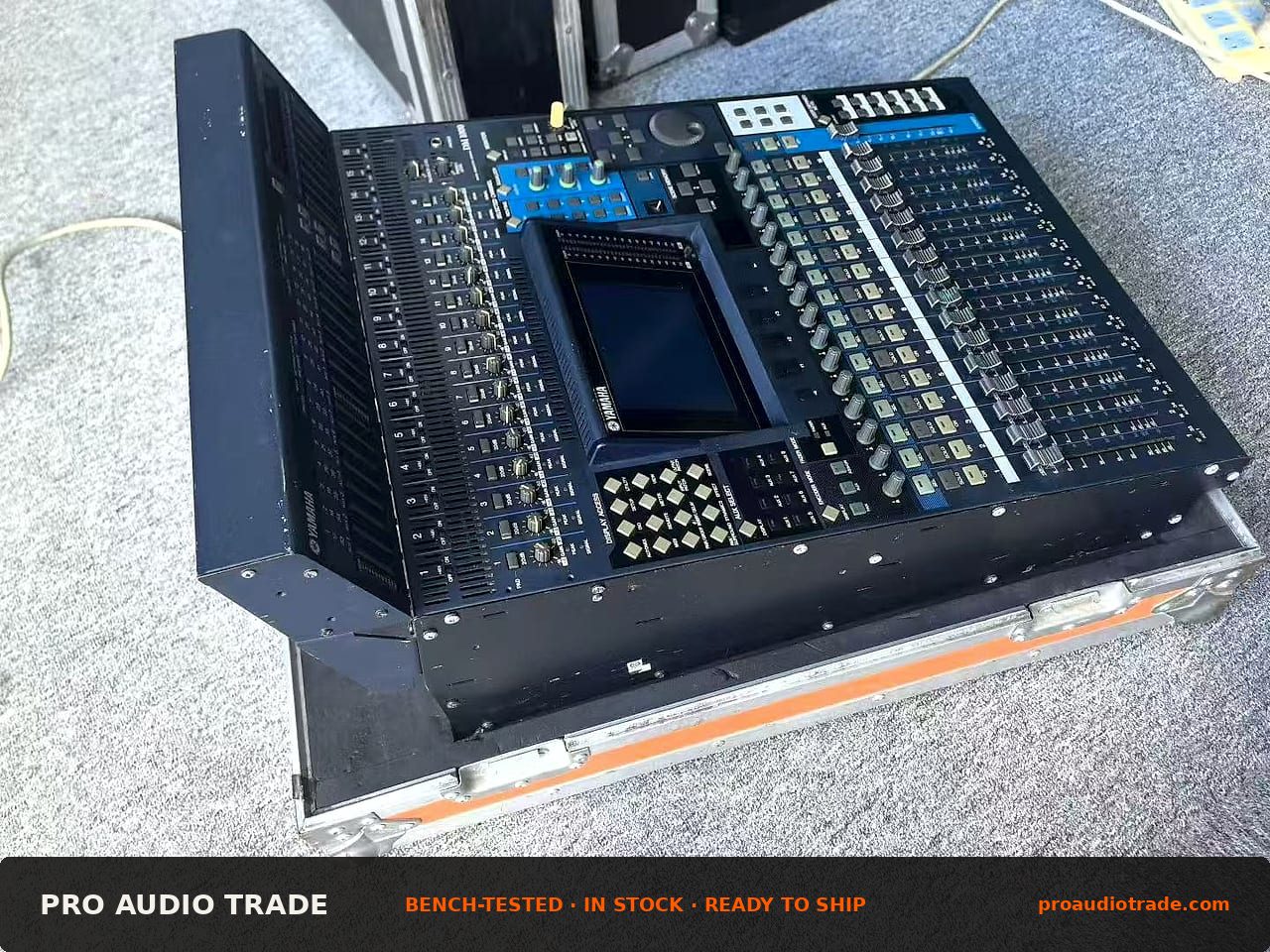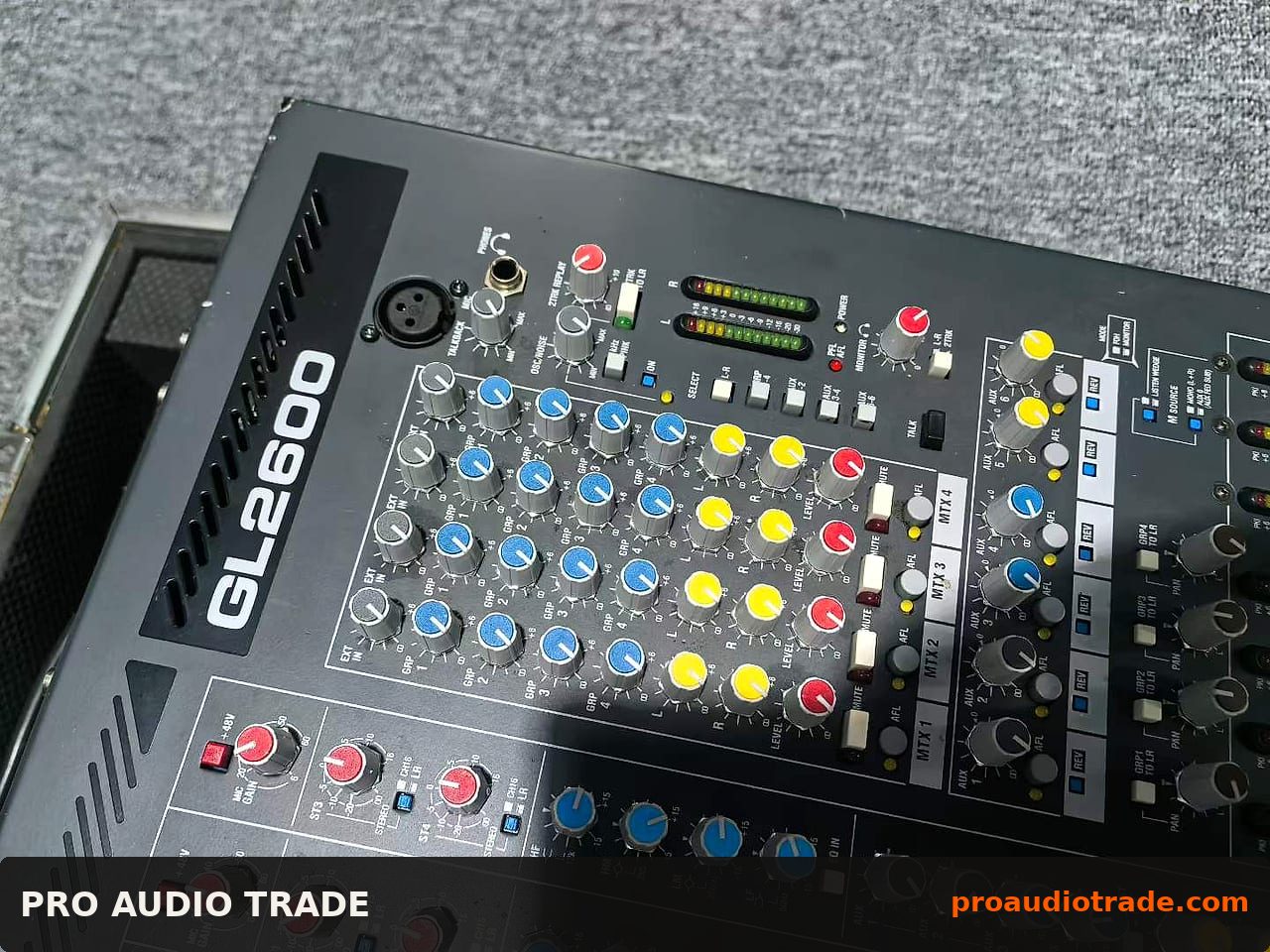
The Allen & Heath GL2600 is a workhorse analog console that still shows up in rental inventories, houses of worship, and small venues across the CIS, Middle East, and beyond. But is it the right used buy for your next project, or should you look at alternatives like the Soundcraft GB8, Midas Venice, or Yamaha MG series? This guide breaks down where the GL2600 fits, what to inspect on a used unit, and how to compare total cost of ownership so you can make a confident B2B purchase.
Where the GL2600 fits in a rental or venue inventory
The GL2600 (available in 24, 32, and 40-channel frames) is a dual-function console: it works as a front-of-house desk or a monitor console, and its 8 aux sends make it flexible for wedge mixes or zone feeds. In rental fleets, it's often the go-to for corporate events, small festivals, and conference rooms where digital isn't necessary or budget doesn't allow. Integrators like it for fixed installs in clubs and churches because the analog signal path is straightforward, serviceable, and familiar to local engineers.
Compared to digital alternatives, the GL2600 offers zero latency, no menu diving, and a tactile workflow that many engineers still prefer for quick setups. However, it lacks scene recall and remote control, so for complex theatrical or broadcast work, a digital desk like the Yamaha QL series or Allen & Heath SQ might be a better fit. For straightforward live sound, the GL2600 remains a solid choice, especially when bought used at a fraction of its original price.
Key specs that matter for integration work
The GL2600's 8 aux sends (plus stereo return) are a key differentiator: you can run four monitor mixes and still have sends for effects or recording. The 4-band EQ with swept mids is musical and effective, and the 100mm faders are durable. The console also includes a 7x4 matrix, which is useful for delay fills or recording feeds. For integration, the balanced XLR outputs and insert points on every channel make it easy to interface with outboard gear or a digital snake.
One thing to note: the GL2600 does not have built-in effects or USB audio, so you'll need outboard processors or an audio interface for recording. Also, the power supply is internal but can be a failure point in older units—check for hum or intermittent power issues. Compared to the Soundcraft GB8, the GL2600 has a similar feature set but often costs less on the used market, though the GB8's EQ is sometimes preferred for its warmth. The Midas Venice offers a more compact frame and legendary preamps, but fewer aux sends on some models.
Used-buying checklist: what to inspect and what to ask
When evaluating a used GL2600, start with the power supply: ask the seller for a photo of the internals or a video of the console powering up with all channel LEDs lit. Check for scratchy pots and faders—these are common wear items. Test every aux send and matrix output with a signal generator or a known source. Inspect the XLR connectors for bent pins or corrosion, especially on units that have been in rental service.
Ask the seller for a service history: has the console been recapped? Are there any known issues with specific channels? Request a test report or a short video showing each channel passing signal and the EQ working. For B2B orders, confirm the grade (e.g., A, B, C) and whether the unit includes a power cable and manual. If shipping internationally, ask about crating and insurance—freight damage is a real risk for heavy analog consoles.
Price context and total cost of ownership
On the used market, a GL2600 typically sells for 30-50% of its original list price, depending on condition and channel count. A 32-channel frame in good condition might range from $1,500 to $2,500, while a 40-channel unit could be $2,000 to $3,500. Compare that to a new digital console with similar I/O, which could cost $3,000 to $5,000. However, factor in potential servicing: a full recap and fader replacement could add $500 to $1,000.
Total cost of ownership also includes freight and import duties. For buyers in the Middle East or South America, shipping a 50kg console can be expensive—get quotes from freight forwarders that specialize in musical equipment. Also consider the availability of spare parts: Allen & Heath still supports the GL2600, but some parts may be scarce. Alternatives like the Yamaha MG series are cheaper to service but offer fewer features. The GL2600's robust build often means lower long-term maintenance if you buy a well-maintained unit.
How a B2B order works: grade, freight, MOQ
When ordering from a wholesale marketplace, consoles are typically graded: Grade A means fully tested and working with minor cosmetic wear; Grade B may have some functional issues or missing knobs; Grade C is for parts or repair. Always request a test report and photos of the actual unit. MOQ varies by seller—some allow single units, others require a minimum of 2-3 for international orders. Freight is usually arranged by the buyer or through the seller's forwarder; confirm whether the price is FOB or CIF. For large orders, ask about palletizing and shock pallets to protect the consoles during transit.
Payment terms may include escrow or letters of credit for first-time buyers. Ensure the seller provides a warranty or return policy, especially for graded stock. Many B2B platforms offer a 30-day guarantee on tested used gear, which mitigates risk. Always clarify who handles customs clearance and duties—these can add 10-20% to the total cost.
In summary, the Allen & Heath GL2600 is a reliable analog console that offers excellent value for rental and install work, provided you buy a tested unit and account for potential servicing. Alternatives like the Soundcraft GB8 or Midas Venice have their strengths, but the GL2600's balance of features, availability, and price makes it a strong contender for budget-conscious B2B buyers. Focus on condition and total cost, and you'll get a console that serves your inventory for years.