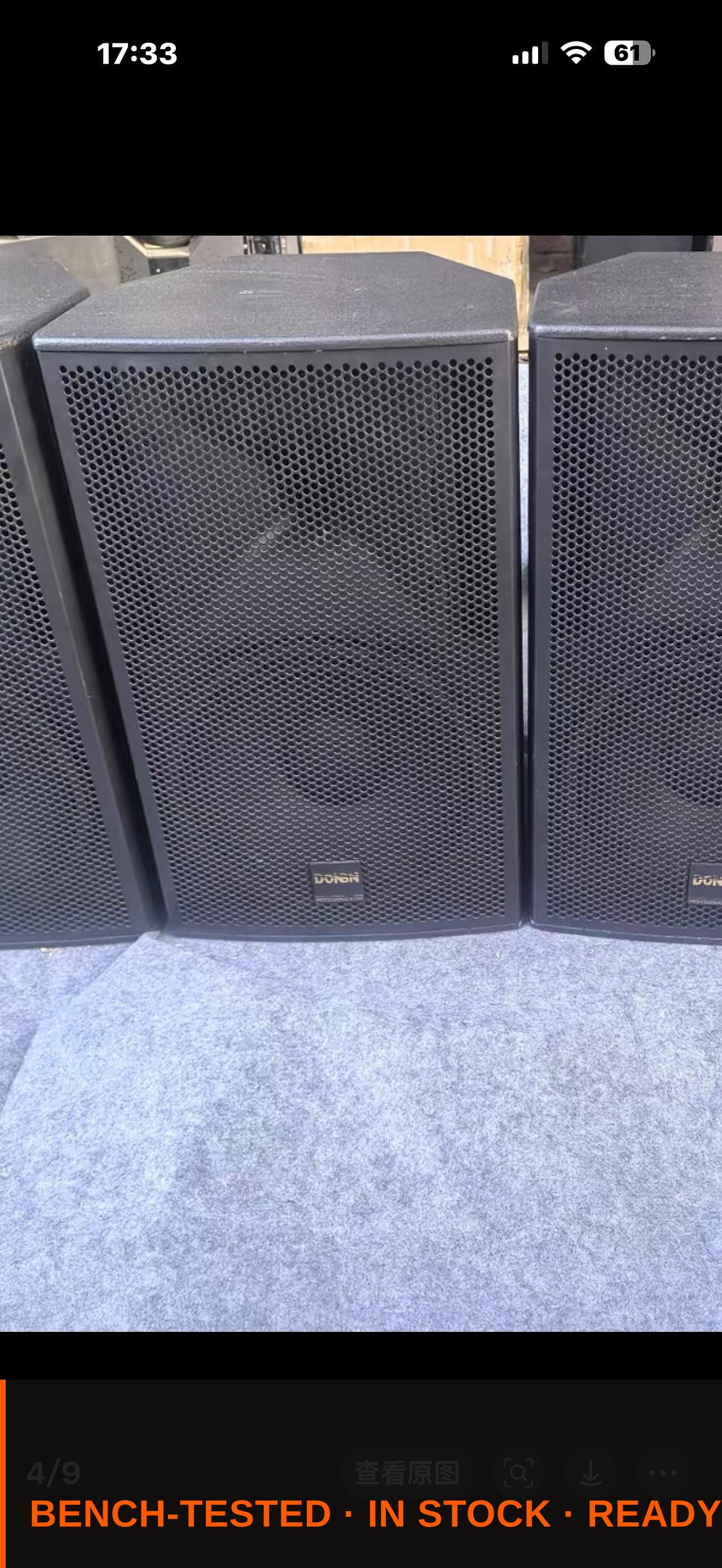
The used church sound system wholesale market is no longer a clearance bin for obsolete gear. It's a strategic sourcing channel where rental firms, integrators, and engineers in the CIS, Middle East, South America, and Africa are finding high-value digital consoles, line arrays, and wireless systems at 40–60% below new street prices. But the ground is shifting under buyers' feet: digital ecosystems are maturing, wireless spectrum rules are tightening, and rental demand is fragmenting. If you're sourcing used pro audio for resale or deployment, you need to read the trends before you commit capital.
The biggest shift is the flood of used digital consoles hitting the secondary market. Five years ago, a used Behringer X32 was a rare find; today, large rental houses in Europe and North America are offloading entire inventories as they migrate to newer platforms. That means buyers can now pick up 32-channel digital consoles with 48–96kHz processing for under $2,000—sometimes with flight cases and spare fader boards included. But condition varies wildly. Ask for the console's total power-on hours, whether it's been on a fixed install or a touring rack, and if the firmware is current. A console that lived in a church booth for six years is often a safer bet than one that bounced between festival stages, even if the latter looks cleaner.
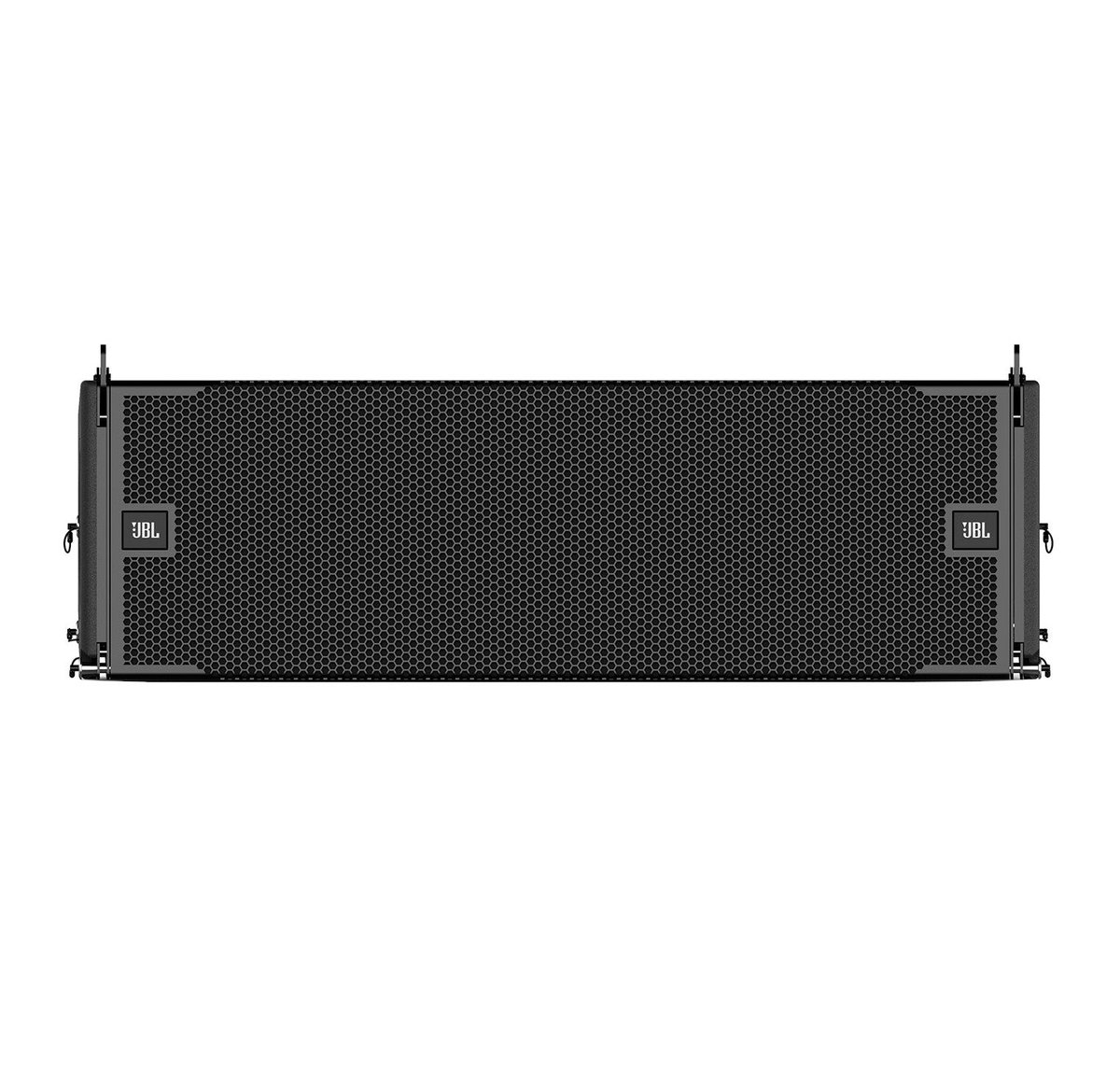
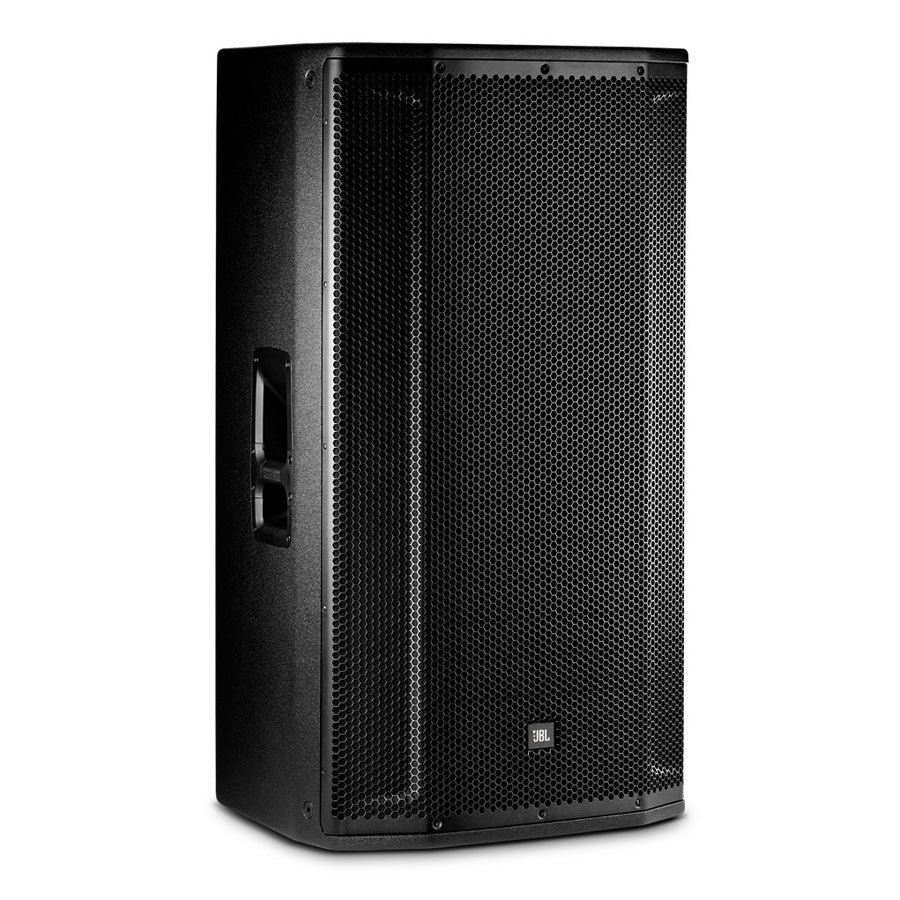
Line arrays are another category in flux. The used market is seeing a steady supply of compact arrays from the 2010s as larger rental companies standardize on newer rigs. For buyers in regions where new line array pricing is prohibitive—think Nigeria, Kazakhstan, or Peru—a used JBL VTX A12 system can deliver rider-friendly performance at a fraction of the cost. But here's the catch: line array elements are only as good as their rigging and processing. Check for bent flyware, cracked waveguides, and whether the original presets are available. Also ask if the cabinets have been re-coned or if they still have original drivers—recones are common, but mismatched components can ruin array coherence. If you're building a smaller system for a church or corporate AV, a used JBL SRX835P powered speaker is a more practical entry point: it's self-powered, easy to deploy, and replacement parts are widely available.
Wireless spectrum is the sleeper issue that catches many wholesale buyers off guard. The 600 MHz band reallocation in the US and similar moves in Europe and the Middle East mean that older wireless systems operating in 600–700 MHz are increasingly illegal or unreliable. If you're sourcing used wireless for resale into these regions, verify the frequency band and check local regulations before you ship. A cheap used wireless system that operates in a banned band is a liability, not a bargain. In Africa and parts of South America, enforcement is looser, but interference from digital TV and mobile networks is a real operational problem. Buyers should prioritize systems with wide tuning ranges and clear frequency coordination software.
Rental demand is fragmenting, and that changes what's worth buying. Corporate AV and house-of-worship installations are growing steadily, while large festival and touring rentals remain volatile. That means compact, easy-to-transport systems are holding value better than massive arena rigs. A used Bose Panaray LT 9400, for example, still moves well for fixed installations in churches and conference centers because it's discreet, reliable, and doesn't require a truck. On the other hand, heavy line array and large-format consoles can sit in inventory for months if they're not priced aggressively. Smart buyers are shifting their wholesale mix toward mid-sized, multi-purpose gear that serves both rental and install markets.
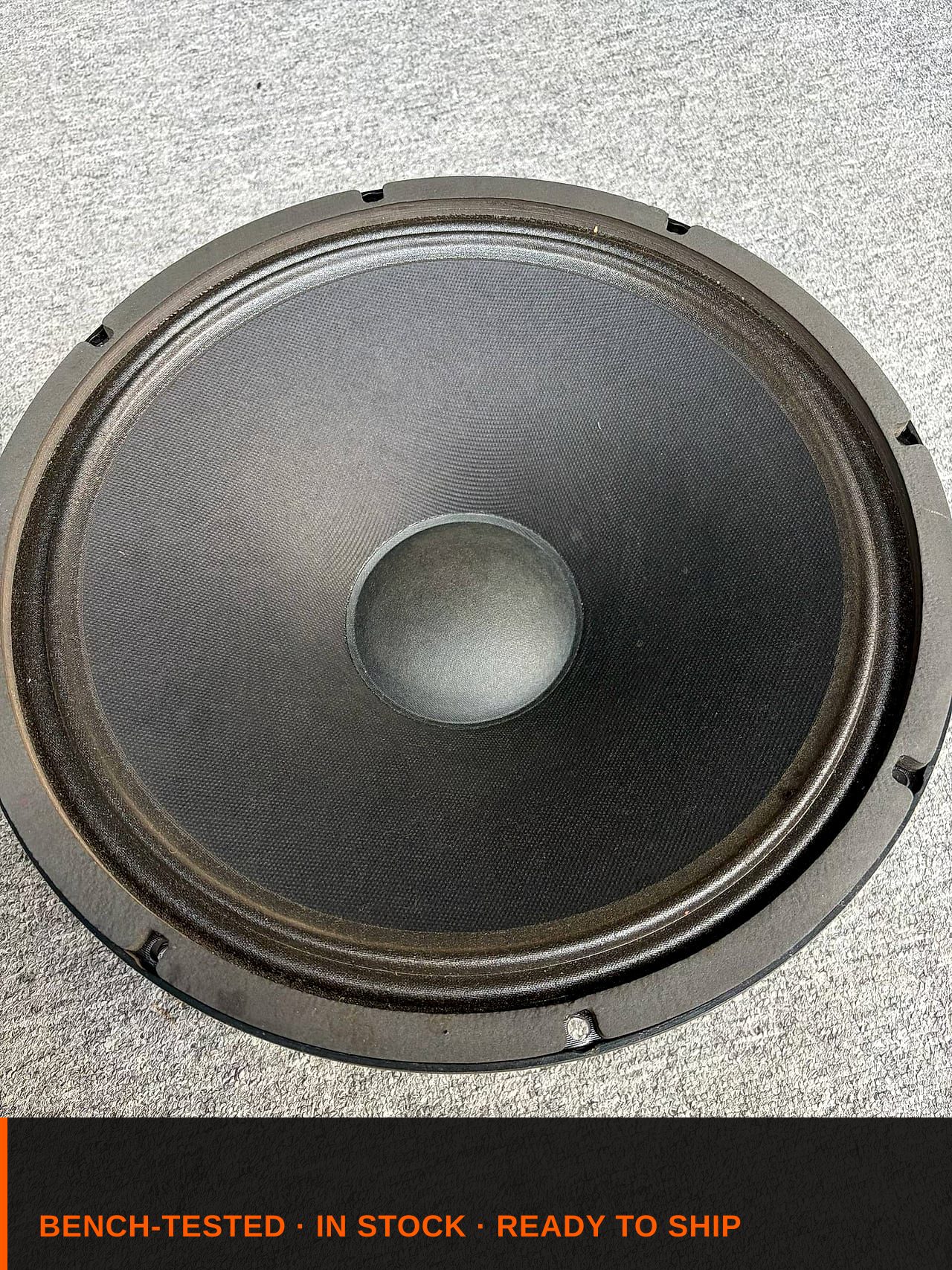
Parts and service reality is the final piece of the puzzle. Used gear is only a good deal if you can keep it running. Before buying wholesale lots, check whether recone kits, spare boards, and power supplies are still available from the manufacturer or third-party suppliers. For older JBL and Eminence drivers, recone kits are usually obtainable, but lead times can stretch to 6–8 weeks. For digital consoles, spare fader boards and encoders are the usual failure points—confirm they're in stock. Also factor in mains voltage: gear sourced from the US runs on 120V, while CIS, Middle East, Africa, and South America often use 220–240V. Some gear has switchable power supplies, but not all. A step-down transformer adds cost and failure points, so verify voltage compatibility before you commit.
So what should a buyer do? Treat used church sound system wholesale as a technical sourcing exercise, not a price hunt. Ask for service history, verify frequency bands and voltage, and prioritize gear with available spare parts. The best deals aren't the cheapest lots—they're the ones you can deploy or resell without surprises.