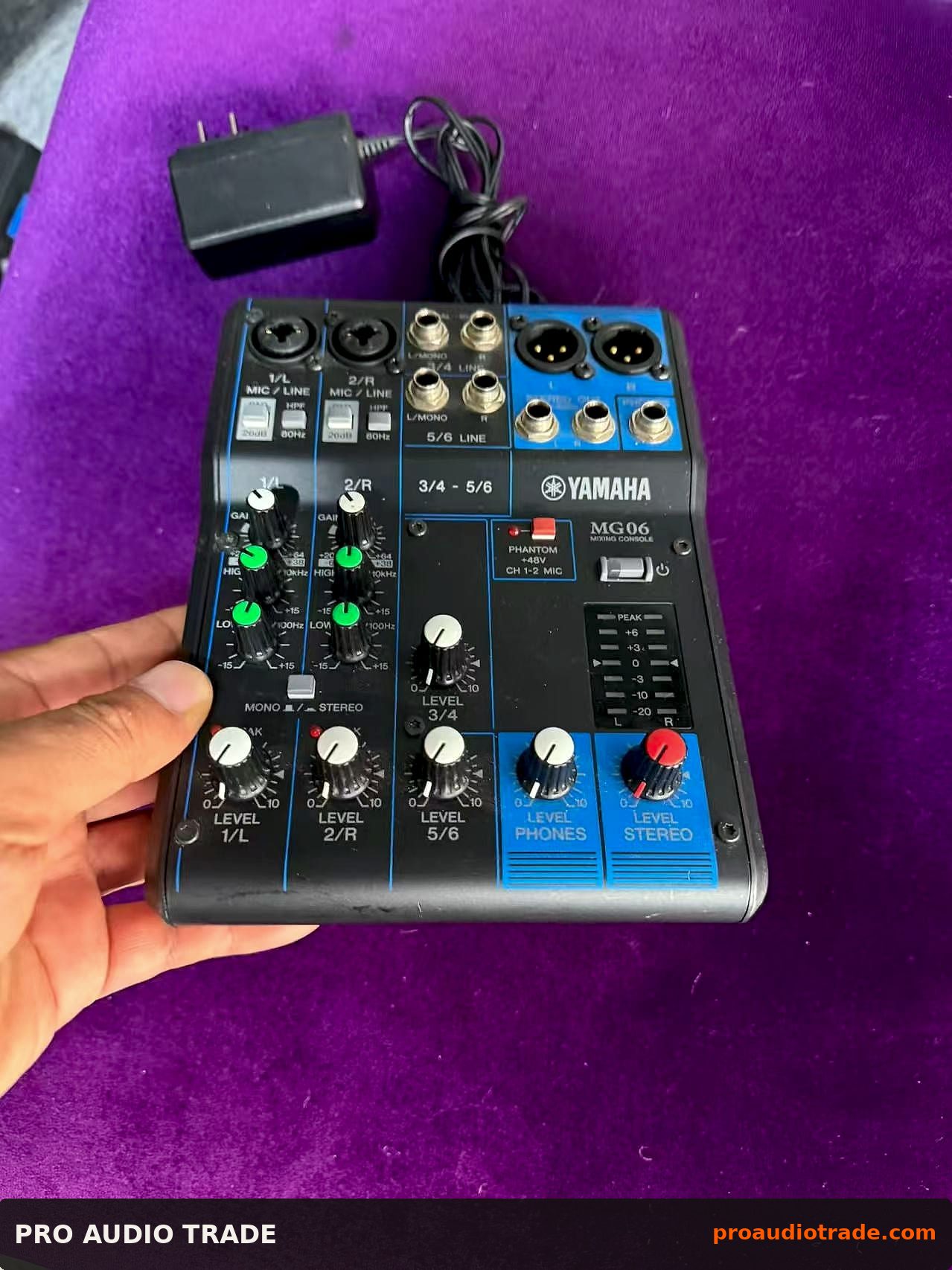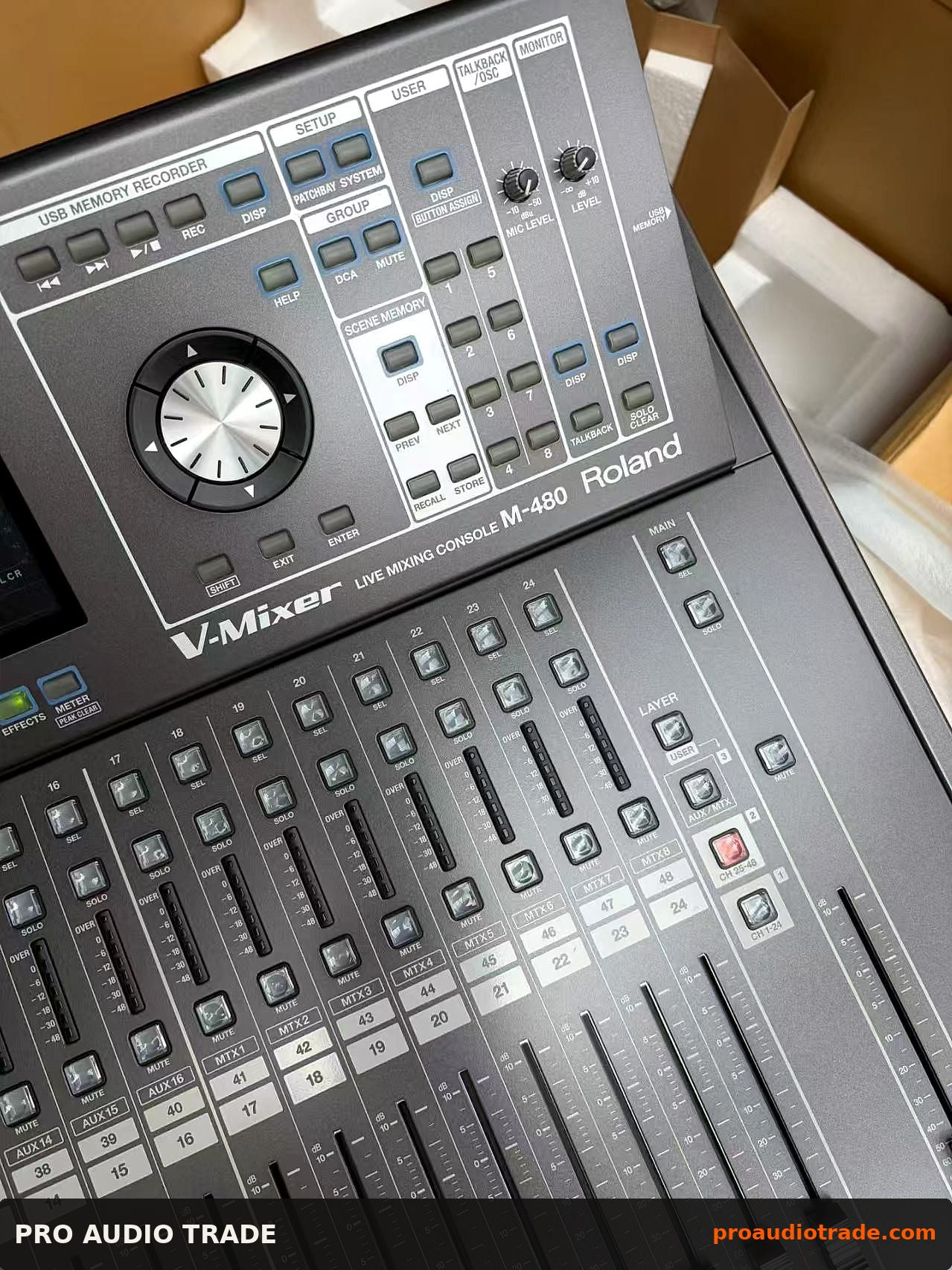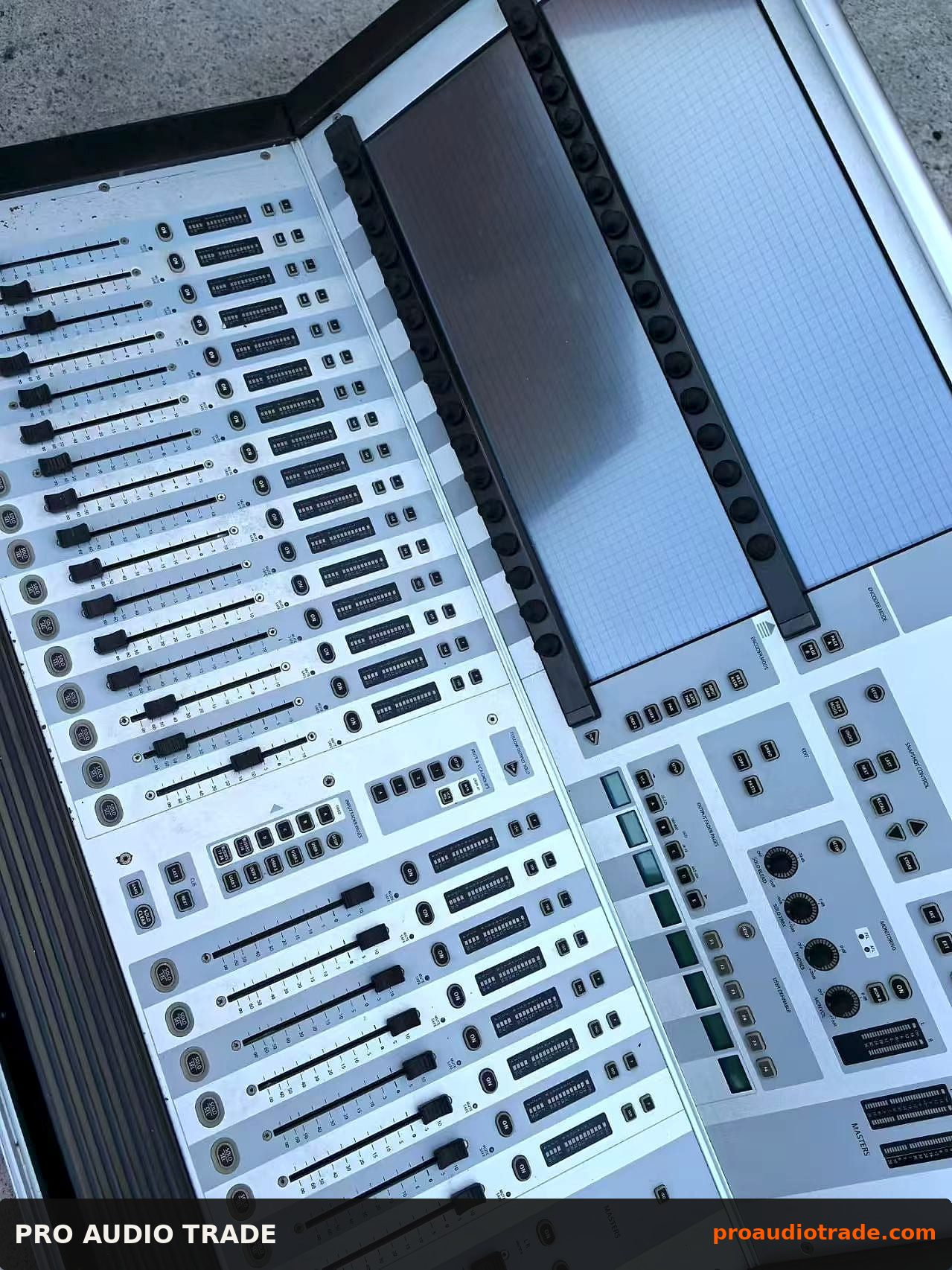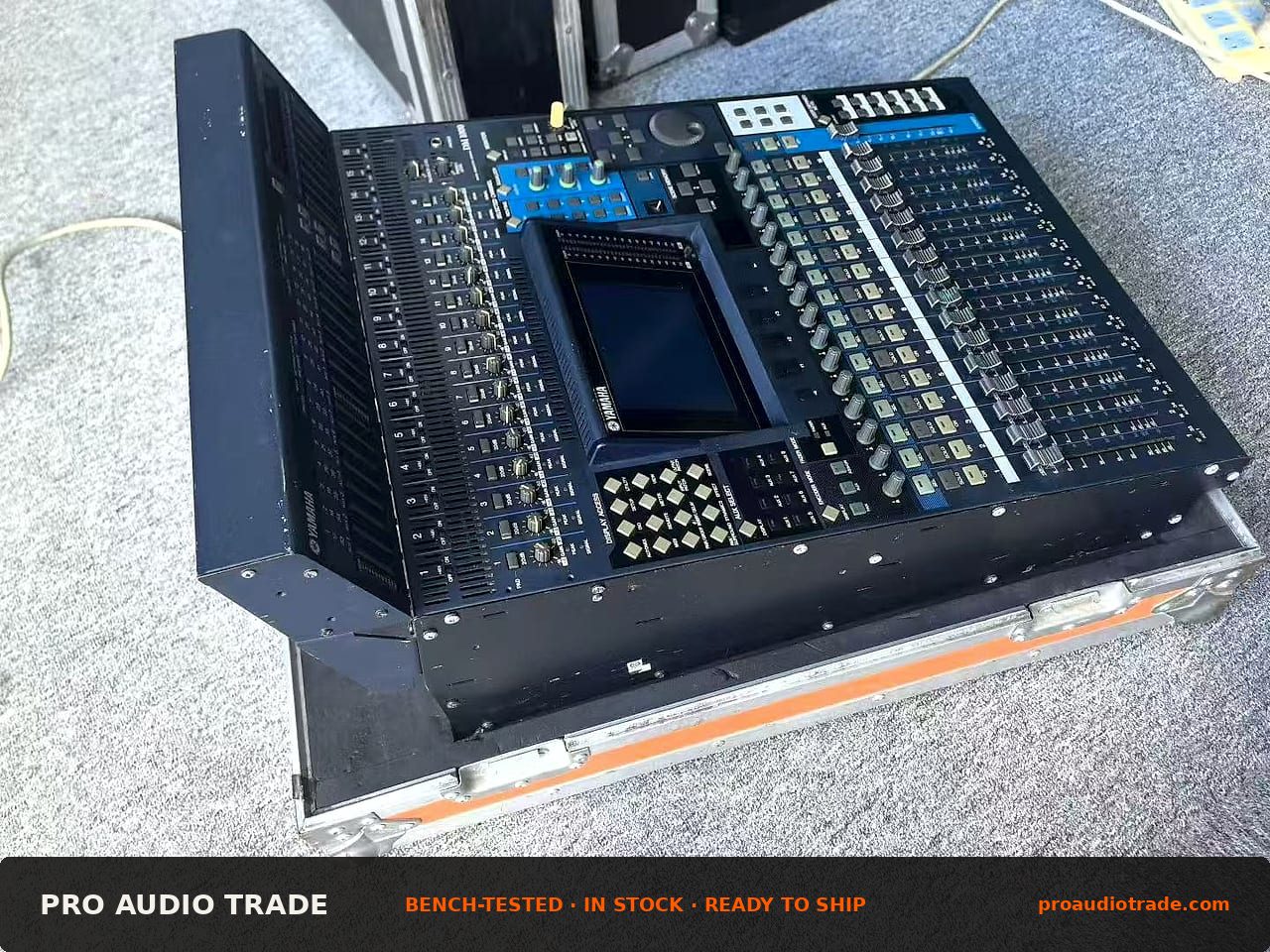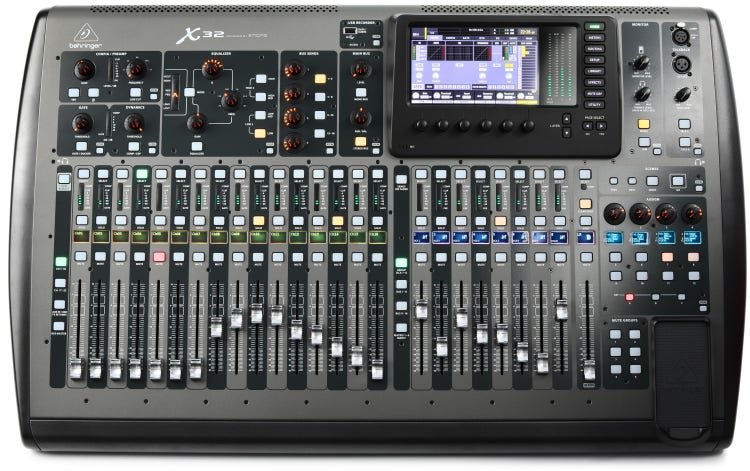
When you’re shopping for a used digital mixing console for rental, installation, or touring work, the Behringer X32 is often the first name that comes up. It’s popular for good reason: 32 channels, 16 mix buses, built-in effects, and a mature ecosystem of stage boxes and personal monitoring. But in the secondary market, the X32 competes with several credible alternatives that may better fit your budget, rider requirements, or long-term serviceability. This comparison is written for audio engineers, rental firms, and integrators sourcing used gear across the CIS, Middle East, South America, and Africa, where parts availability and local support matter as much as the spec sheet.
Key specs to compare: the Behringer X32 offers 32 input channels, 16 mix buses, 6 matrix outputs, 40-bit floating-point processing, and AES50 networking for digital snakes. Alternatives like the Midas M32 (same platform, upgraded preamps and build), Allen & Heath SQ-5 (96kHz, 48 channels, strong workflow), Yamaha DM3 (compact, Dante-ready), and Soundcraft Si Impact (64 channels, Lexicon effects) each bring different trade-offs. Fixed ranking for most used-gear buyers: 1) Behringer X32 for value and ecosystem; 2) Midas M32 for build and preamp quality; 3) Allen & Heath SQ-5 for modern processing and rider acceptance; 4) Yamaha DM3 for compact installs; 5) Soundcraft Si Impact for channel count on a budget. Rank by your actual needs—rider compliance, channel count, and service network—not by brand hype.
What to inspect on a used X32 or alternative: check fader and encoder response across all layers, test every input preamp for noise and gain consistency, verify AES50 ports and stage-box sync, confirm firmware version and whether the console has been serviced, inspect the power supply and fan health, and look for screen delamination or dead pixels. On alternatives, pay attention to proprietary stage-box compatibility, card slot options (Dante, MADI, USB), and whether replacement parts are locally available. Ask for a service history, run a full channel pass with a signal generator, and test scene recall and show files. In hot or humid climates, check for corrosion on connectors and internal dust buildup.
Next step: shortlist two or three consoles based on rider acceptance and local service support, request high-resolution photos of the rear panel and screen, and ask the seller for a video walkthrough of a full channel test. If you’re buying multiple units for rental stock, standardize on one platform to simplify training and spares. For cross-border purchases, confirm voltage configuration, included accessories (flight case, stage box, cards), and shipping insurance. A used X32 remains a strong value, but a well-maintained alternative can be the smarter long-term investment when parts and support are easier to source in your region.