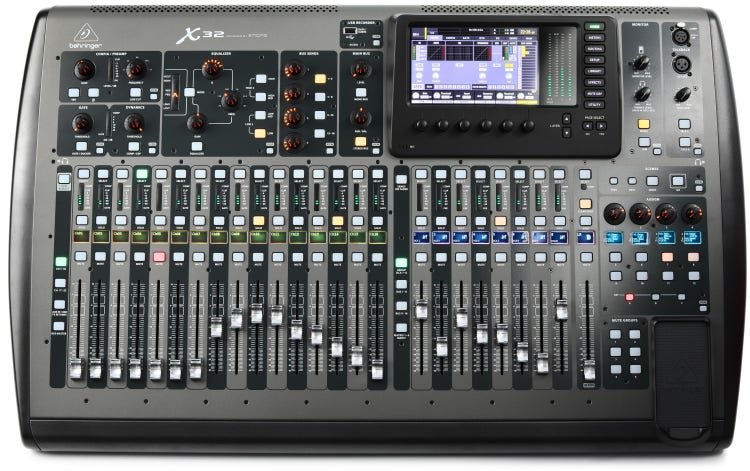
If you are shopping for a used Behringer X32, you are looking at one of the most popular digital mixing consoles in the world—and for good reason. It offers 32 channels, 16 mix buses, and a full suite of onboard effects at a fraction of the cost of premium brands. But before you commit, you need a clear picture of the used price range and how long the console is likely to last. In the B2B wholesale market, prices vary widely based on condition, included accessories, and firmware version, so understanding the factors that affect both price and lifespan will help you make a smarter purchase for your rental fleet, install, or studio.
As a fixed ranking order for used X32 models, expect the standard X32 to be the most affordable, followed by the X32 Compact, then the X32 Producer, and finally the X32 Rack as the least expensive in the lineup. The full-size X32 typically commands the highest resale value due to its complete control surface and 32 faders. Condition is the biggest price driver: units with road wear, missing fader caps, or outdated firmware sit at the low end, while clean units with original packaging, a dust cover, and recent firmware updates fetch a premium. Accessories like the S16 digital snake or a flight case can add significant value. In the wholesale channel, bulk lots of 5–10 units often sell at a per-unit discount, so if you are outfitting multiple venues, buying in volume can improve your margins.
The lifespan of a Behringer X32 is generally 5–8 years in professional use, though many units last longer with proper care. The most common failure points are the faders, the power supply, and the LCD screen backlight. Faders can become noisy or unresponsive after heavy use, and replacement fader boards are available but require soldering skills. The power supply is another weak spot—look for units that have been used in clean, climate-controlled environments rather than dusty clubs. Firmware is critical: early firmware versions had bugs that could cause dropouts, so always check that the console is running the latest stable firmware. When inspecting a used X32, test every fader, knob, and button; run a signal through all inputs and outputs; check the headphone jack and talkback; and verify that the USB and Ethernet ports work. Also inspect the screen for dead pixels and the chassis for bent corners or loose connectors.
Once you have assessed condition and lifespan, the next step is to source from a reputable wholesale marketplace that offers detailed condition reports and preferably a short warranty. Ask for the serial number to check the manufacturing batch, and request photos of the rear panel and fader area. For rental firms, consider buying units with flight cases to extend lifespan. If you are an integrator, factor in the cost of a replacement fader board or power supply as a contingency. With careful inspection and a fair price, a used X32 can deliver years of reliable service—just be sure to budget for occasional maintenance and keep firmware up to date.