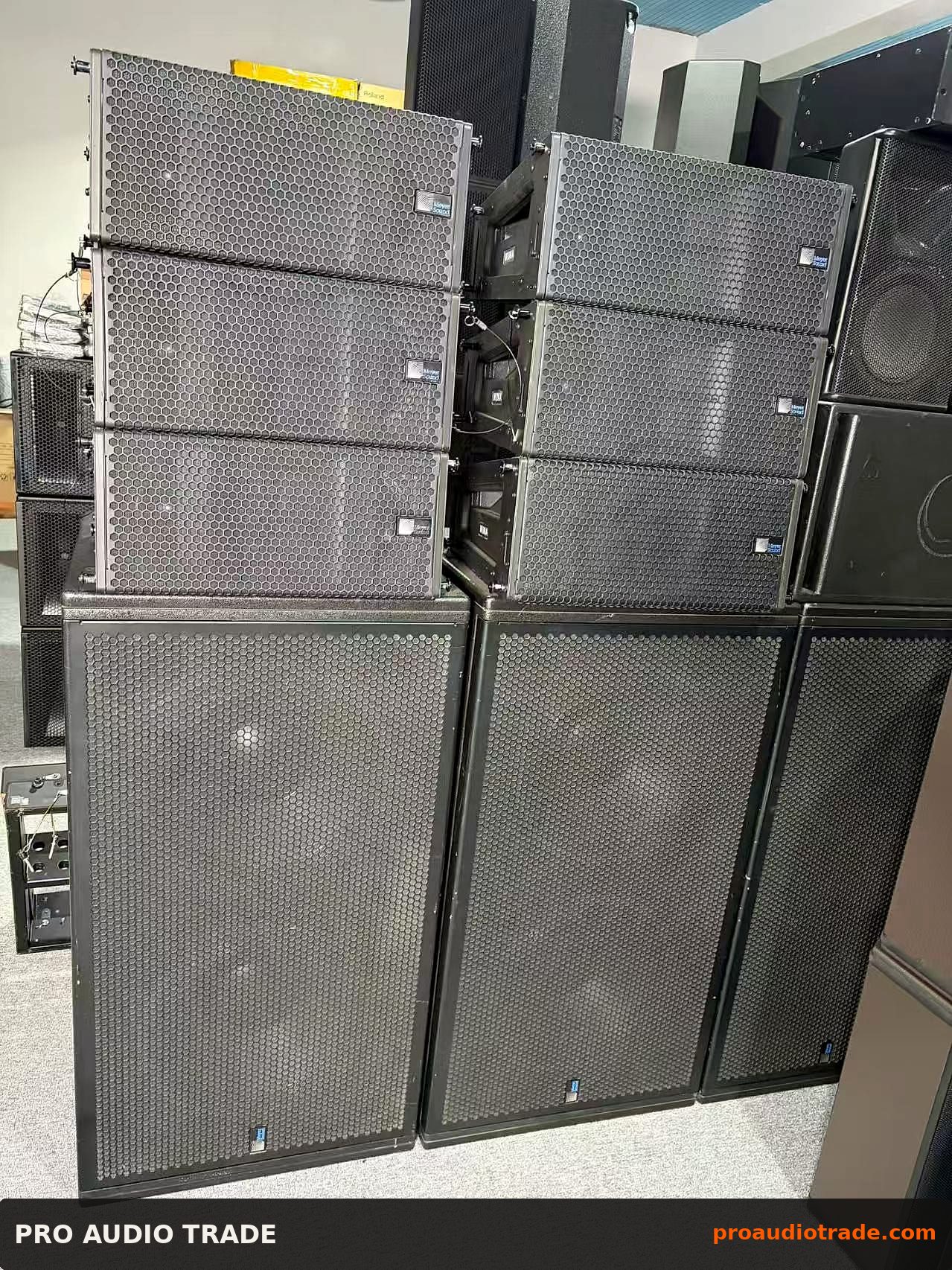
When you see a used Meyer Sound MINA / 600-HP for sale at $28,000 per cabinet, the sticker price is only the entry ticket. The real cost of running a used rig—especially a self-powered line array like the MINA—includes recone bills, transport, insurance, and the resale value you'll eventually recover. Do the math before you wire a deposit, because a cheap cabinet with tired drivers can cost more than a clean one over three years.
Start with purchase price and condition. A typical used MINA / 600-HP pair from a European rental house runs $24,000–$32,000 depending on year and cosmetic grade, while a single 600-HP subwoofer often lists around $8,000–$11,000. Ask for the amplifier serial numbers and the hours logged in Meyer's Compass software—anything over 6,000 hours on original drivers means you should budget for a recone within 12 months. Compare that to a d&b audiotechnik Q7, which has a different driver service cycle and often a lower entry price but higher spare-part lead times in the CIS. The question buyers keep asking on r/livesound is simple: "Is a used line array still worth it in 2026?" The answer depends on whether the seller can show a recent sweep test and driver history—without that, walk away.
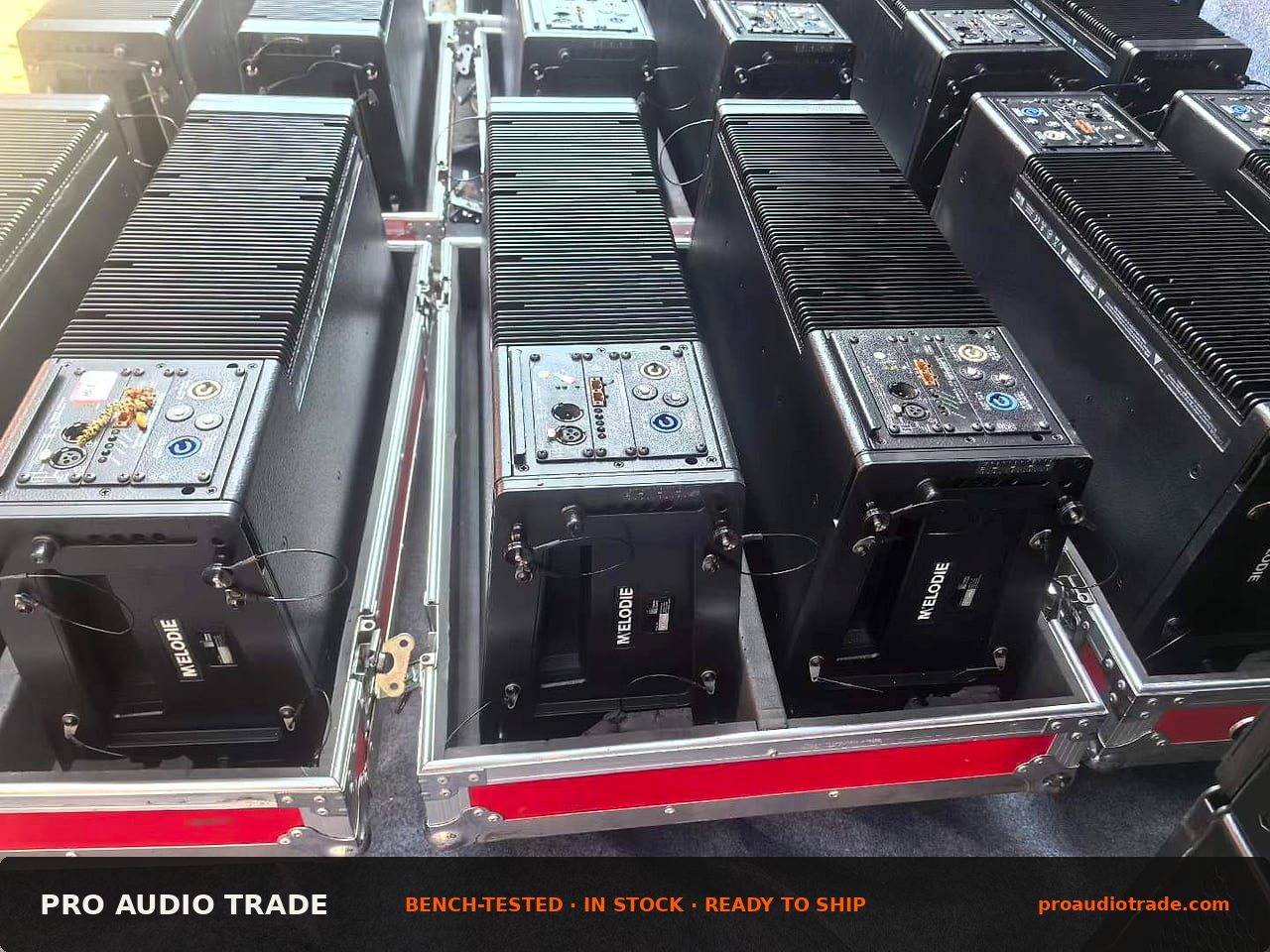
Then add repair and recone costs. Meyer Sound drivers are not cheap: a full recone for a MINA low-frequency driver typically runs $350–$500 per unit plus labor, and a 600-HP sub driver can hit $600–$800. If the amplifier module fails, a replacement board can cost $1,200–$1,800, and Meyer's service network in the Middle East and South America is thinner than in Europe. That's why many integrators prefer the Meyer Sound LEOPARD for new deployments—it shares the self-powered philosophy but has better parts availability in 2026. For used MINA rigs, insist on a service history and factor at least 10% of the purchase price into a repair reserve. Buyers on LinkedIn AV procurement groups often ask: "How do I check a used self-powered cabinet before buying?" Run a pink-noise sweep, check each driver for rub and buzz, and verify the amplifier's fan and DSP boot sequence.
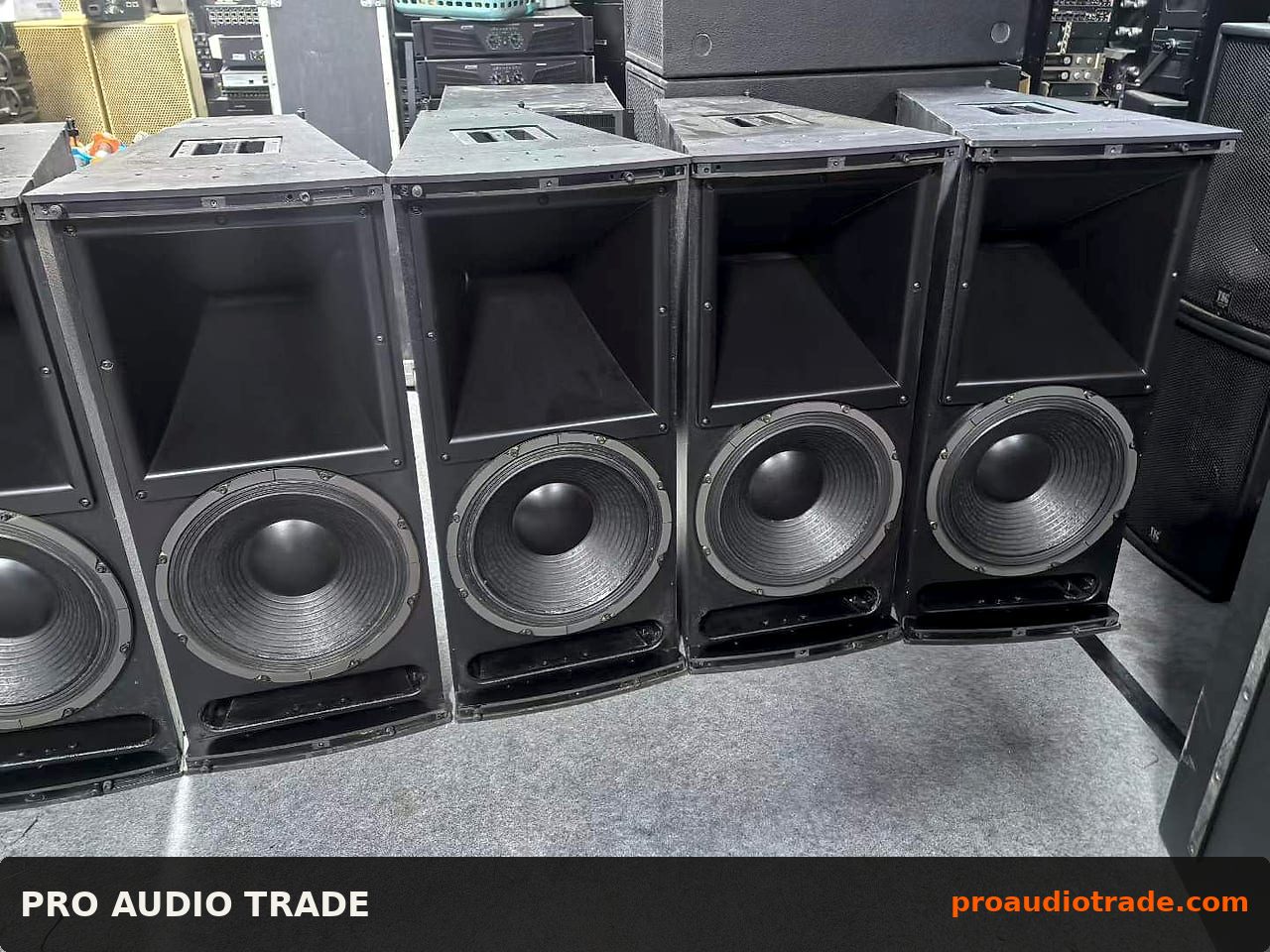
Transport and insurance are the silent budget killers. Shipping a full MINA / 600-HP rig—say eight tops and four subs—from Europe to Dubai costs roughly $2,500–$4,000 in air freight or $1,200–$1,800 by sea, plus 5% duty in the GCC and 18% VAT in some CIS countries. Marine insurance adds 0.5–1% of declared value, and customs brokers in South America can tack on another $400–$700 in fees. If you're comparing options, the Electro-Voice XLC127DVX is lighter and cheaper to ship, but its passive design means you'll spend more on amps and processing. Always get a door-to-door quote before you commit, and check CE/UL markings and mains voltage—Meyer gear is typically 100–240V, but older units may be fixed-voltage.
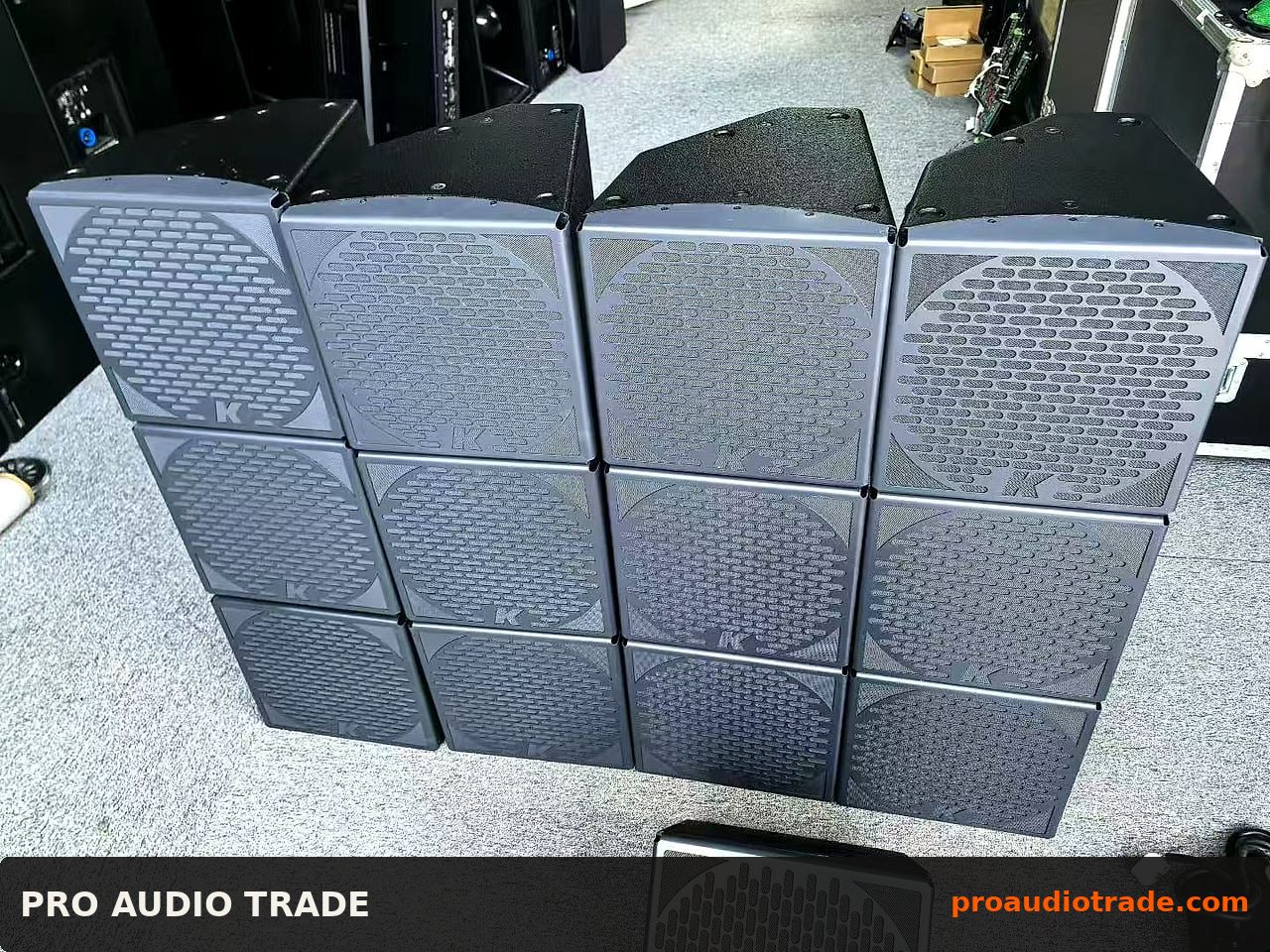
Finally, resale value. A well-maintained MINA / 600-HP rig holds about 45–55% of its original price after five years, but a recone history and clean cosmetics can push that to 60%. The K-array KF12, by contrast, depreciates faster in secondary markets because of its niche form factor. If you plan to flip the rig in three years, keep every service invoice and store the cabinets in a climate-controlled warehouse—humidity in the Middle East and Africa destroys driver surrounds. The real total cost of ownership is purchase price plus recone reserve plus transport and insurance minus resale value; for a typical eight-box MINA rig, that lands around $38,000–$45,000 over three years, or roughly $1,100–$1,300 per month. That's the number to compare against rental income, not the sticker price.
Before you buy, request a video of the rig running at full power, confirm the seller accepts an escrow or inspection period, and budget for at least one recone cycle. A used Meyer Sound MINA / 600-HP can be a profit center—but only if you price the whole ownership cycle, not just the listing.