Skip to content
Meyer Sound LEOPARD 1 / 2
Meyer Sound LEOPARD 01Meyer Sound LEOPARD 02

Used Line Arrays

Meyer Sound LEOPARD

Meyer Sound · LEOPARD

Price on request
Grade A In stock

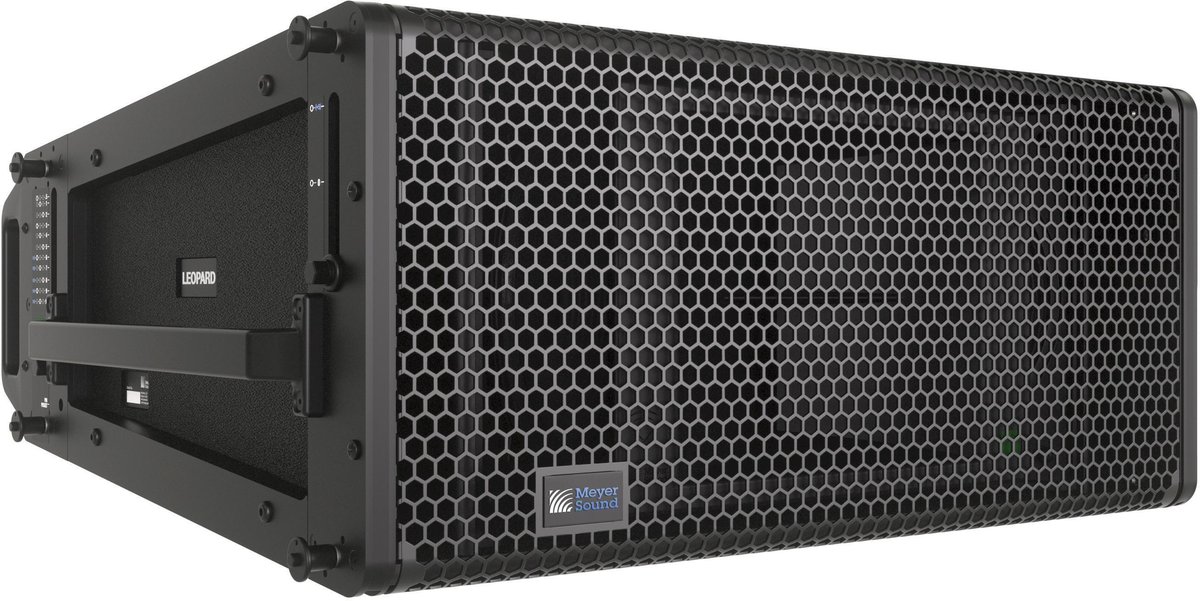
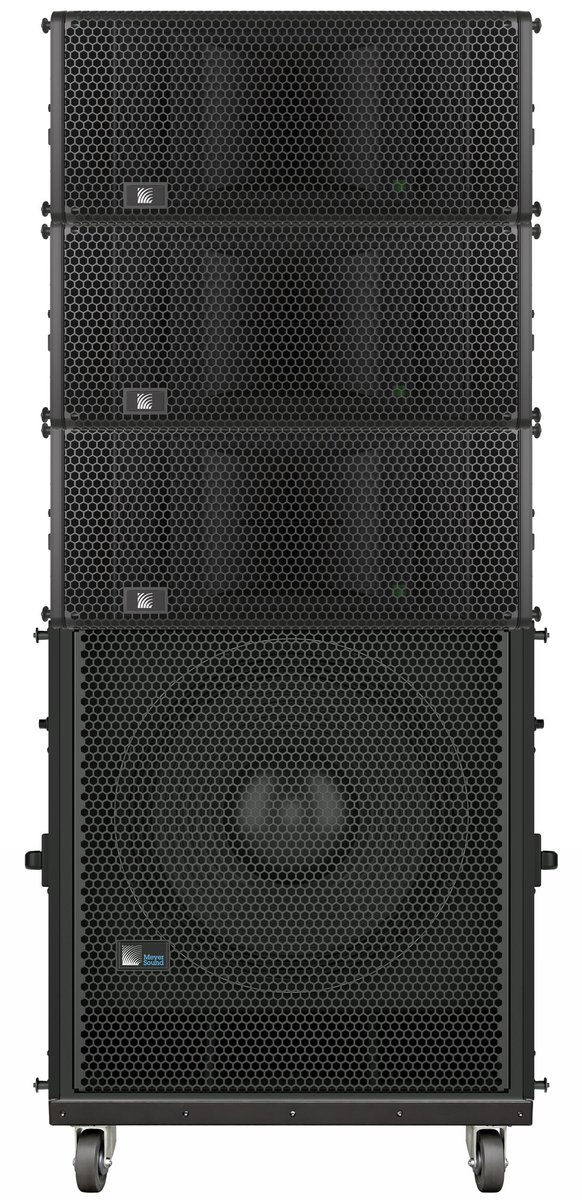
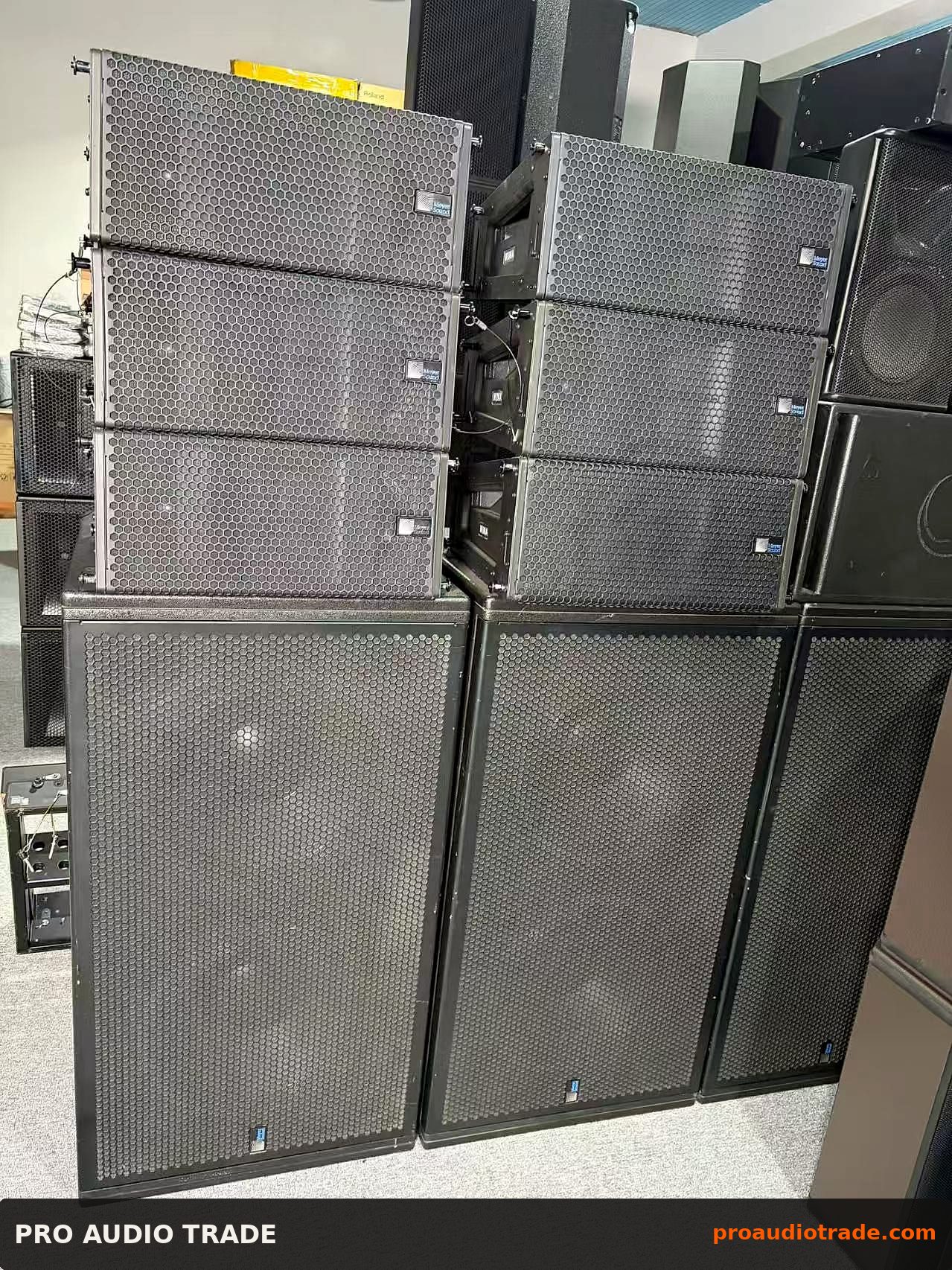
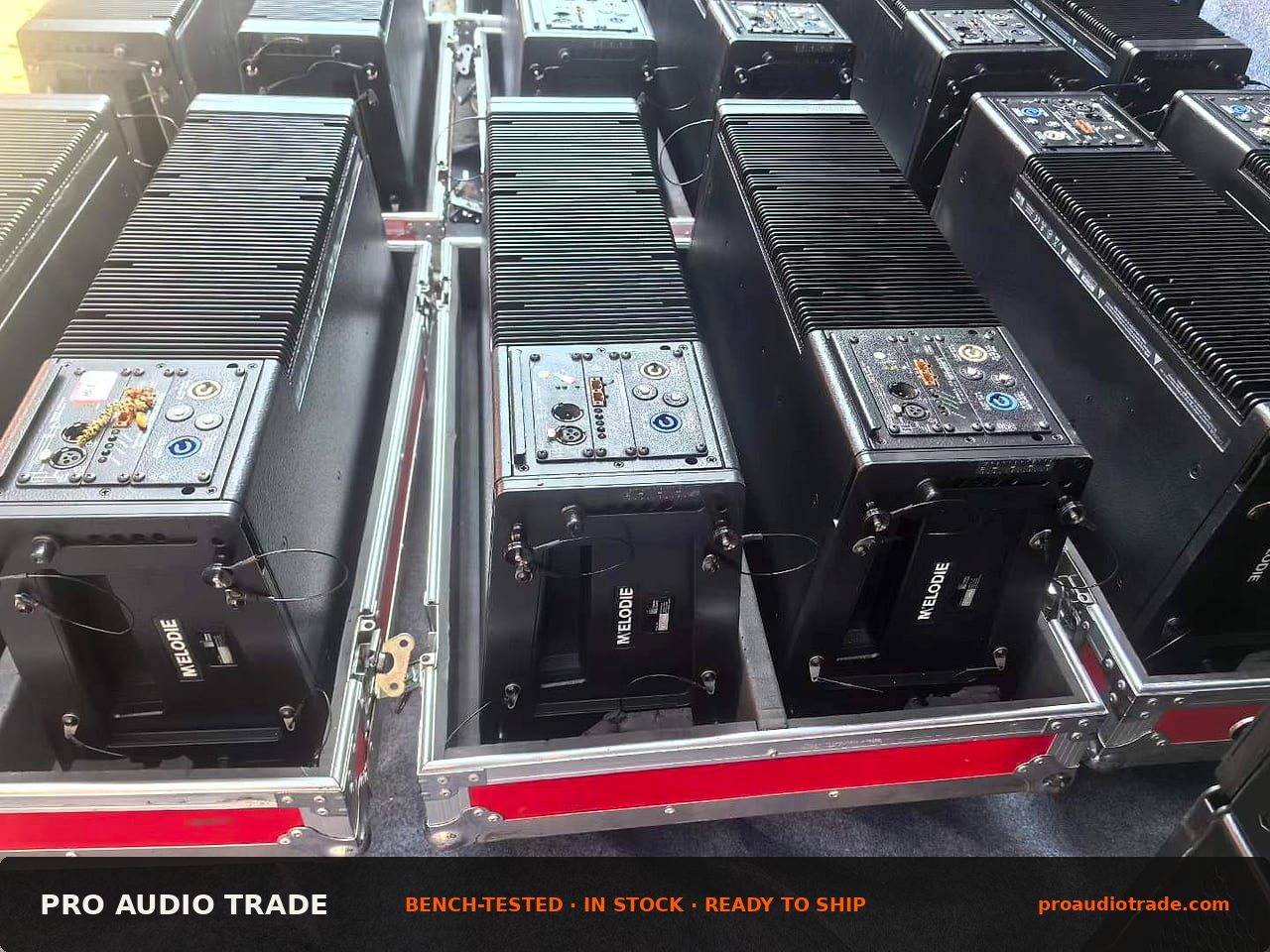
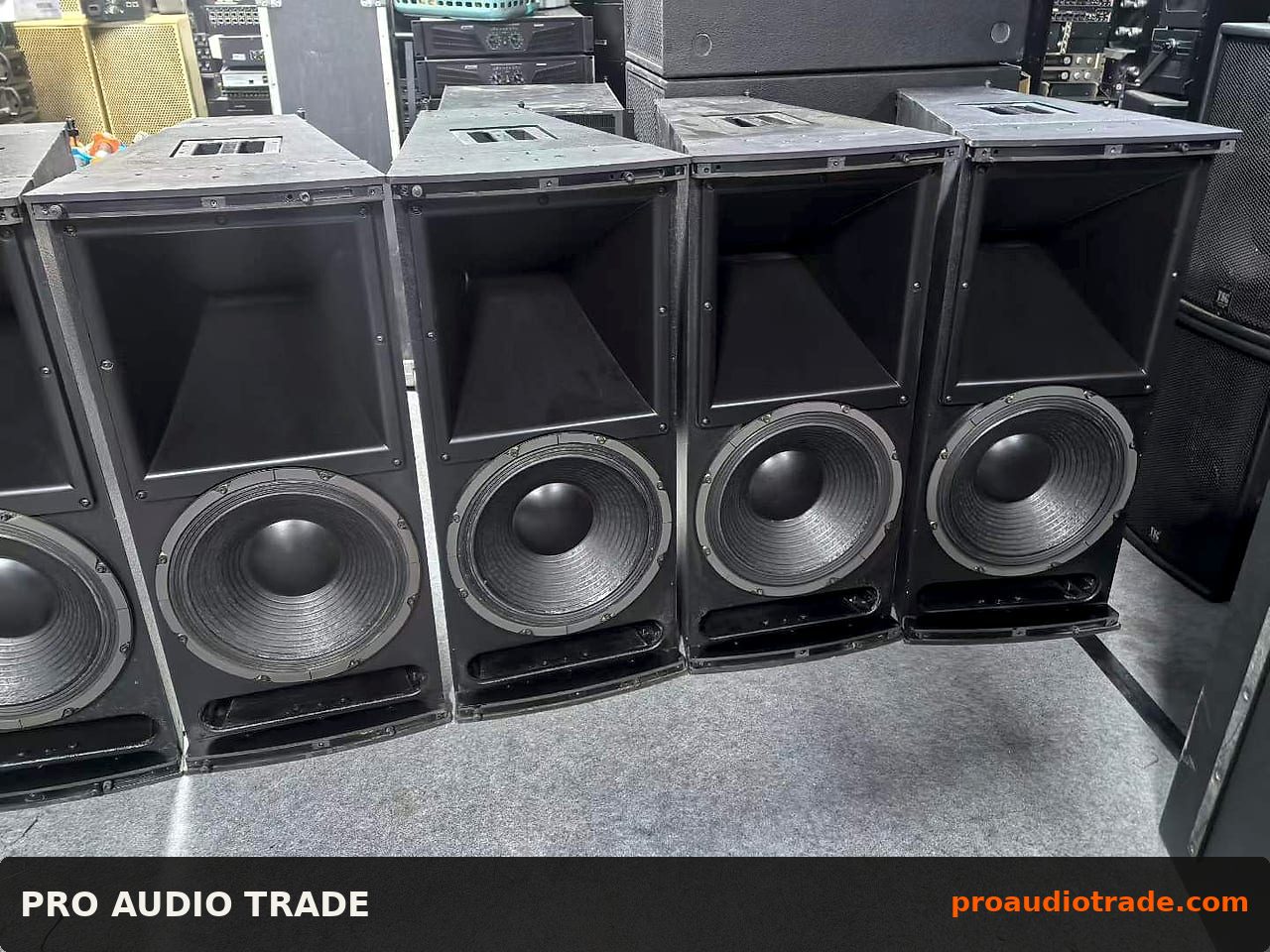
Compact 2-way line array from an installed corporate AV system. Full spare coverage, flown with MILO rigging hardware.

Type
2-way compact line array
Connectors
NL4
Grille
Steel grille
Condition
A (used)
Included
Rigging hardware + cables
— Knowledge

Technical notes and buyer guidance

Used Meyer Sound LEOPARD for Sale: A Buyer's Review for Rental Firms and Integrators

If you are shopping for a used Meyer Sound LEOPARD for sale, you are likely weighing a proven line array element against budget and availability. The LEOPARD is a compact, self-powered box from Meyer's LEO family, designed for mid-sized touring and install work where rider acceptance matters. For rental companies in CIS, the Middle East, South America, and Africa, the appeal is simple: a known brand, predictable coverage, and no external amplification. But the used market is uneven, so this review focuses on what you actually get, how it compares, and what to check before you wire a deposit.

Key specs and comparison: the LEOPARD is a 2-way self-powered loudspeaker with a 12-inch woofer and a 3-inch compression driver on a horn, delivering roughly 138 dB peak SPL and wide 110-degree horizontal coverage. It integrates with the 900-LFC subwoofer and the Galileo GALAXY processor for array control. Compared with the larger LEO-M, the LEOPARD is lighter and easier to rig in smaller venues; compared with the MICA, it offers more headroom and a more modern self-powered platform. In fixed ranking order for used buyers: first, LEOPARD with verified firmware and clean amp modules; second, LEOPARD with cosmetic wear but full service history; third, units with mismatched revisions or missing rigging hardware. Avoid anything with water damage or repaired cones unless the price reflects a full recone.

What to inspect: ask for the serial numbers and confirm they are not from a known stolen batch. Request photos of the amp module, the horn throat, and the rigging points. Check that the self-powered amplifier fans spin freely and that there is no burnt smell or error LEDs. Verify firmware version and whether the unit has been updated for use with GALAXY. Inspect the cabinet for cracks around the rigging inserts and the woofer baffle. Ask for a test sweep at moderate level and a report of any distortion or intermittent channel. For export buyers, confirm voltage configuration and that the powerCon connectors are intact. Spare parts availability for LEOPARD is generally good, but amp modules are the expensive item, so factor that into your offer.

Meyer Sound LEOPARD Price Used: What Buyers Actually Pay in 2024

If you are sourcing a Meyer Sound LEOPARD line array for a rental fleet, integration project, or touring inventory, the used market is where the real value sits. The LEOPARD is a compact, self-powered 2-way box with a 12-inch woofer and a 4-inch compression driver, delivering up to 138 dB SPL with Meyer's trademark phase coherence and low distortion. On the used market, a single LEOPARD cabinet typically trades between $6,500 and $9,500 depending on age, condition, and whether it comes with a flying frame, rigging accessories, or a fresh factory service. Complete arrays with four to eight boxes and a 900-LFC or 750-LFC sub package push the per-box effective price down, but buyers should always separate cabinet value from rigging and processing value.

Compared with the larger LEOPARD's sibling, the LYON, the LEOPARD offers a lighter footprint and easier truck-pack for mid-size venues and corporate events, which is why rental firms in the CIS, Middle East, and Africa keep demand steady. Against the L-Acoustics K2 or d&b V-Series, the LEOPARD holds its own on vocal clarity and pattern control, but the used price gap is narrower than many expect: a clean 2019–2021 LEOPARD often lists within 10–15% of a comparable K2, so condition and service history matter more than brand alone. In our fixed ranking of used LEOPARD value tiers: (1) 2020+ units with recent Meyer factory service and full rigging — top of the market at $8,800–$9,500; (2) 2017–2019 units with original rigging and clean cosmetics — $7,500–$8,500; (3) 2014–2016 units with minor cosmetic wear — $6,500–$7,400; (4) older or ex-tour units with unknown service history — below $6,500 and only worth it if you budget for driver inspection.

Inspection is where deals are won or lost. Ask for the cabinet's service log and confirm whether the self-powered amplifier module has been updated to the latest firmware; Meyer's self-powered architecture means a failed amp module is a major cost, so test each box at full output for at least 20 minutes and listen for HF compression driver fatigue or LF woofer rub. Check the rigging: bent quick-lock pins, worn fly bars, and missing safety ratings are common on ex-rental LEOPARDs, and replacement rigging from Meyer is not cheap. Also verify the cabinet's serial number against Meyer's records to confirm it is not a stolen or grey-market unit, and inspect the grille and cabinet corners for impact damage that can indicate internal driver misalignment. For buyers in South America and Africa, factor in shipping weight and voltage configuration — LEOPARD is available in 100–240 V versions, but confirm the actual module voltage before purchase.

Meyer Sound LEOPARD vs Alternatives: A Buyer’s Guide for Used Professional Audio

When specifying a compact, high-output line array for rental, installation, or touring in the CIS, Middle East, South America, or Africa, the Meyer Sound LEOPARD is a frequent benchmark. Its self-powered design, 110° horizontal coverage, and 143 dB peak SPL make it a compelling choice for mid-sized venues and corporate events. But in the used market, buyers often weigh LEOPARD against alternatives like the L-Acoustics K2, d&b audiotechnik V-Series, and JBL VTX V20. This comparison focuses on real-world trade-offs for wholesale buyers who need reliable riders, serviceability, and long-term value.

Key specs and fixed ranking order (most to least recommended for typical B2B used purchases): 1) Meyer Sound LEOPARD — 2×12" self-powered, 143 dB peak, 110° horizontal, integrated amplification and DSP, no external amps. 2) L-Acoustics K2 — 2×12" passive, 147 dB peak, 110° horizontal, requires LA12X amplified controllers; strong rider acceptance but higher total system cost. 3) d&b audiotechnik V8 — 2×10" passive, 141 dB peak, 80° or 110° horizontal (V8/V12), requires D80 amplifiers; excellent directivity but narrower coverage in V8. 4) JBL VTX V20 — 2×10" passive, 143 dB peak, 105° horizontal, requires Crown I-Tech or VTX amps; competitive price but less rider prestige. Ranking reflects total cost of ownership, rider friendliness, and service network in emerging markets.

What to inspect on used LEOPARD and alternatives: check self-powered modules for firmware version, fan noise, and any DC offset; verify original Meyer Sound drivers (not recones) and cabinet integrity for water damage or warping. On passive alternatives, test every driver for rub and buzz, inspect NL4 connectors for corrosion, and confirm amplifier compatibility (LA12X for K2, D80 for V-Series). Ask for service history, especially capacitor replacement on older LEOPARD units (pre-2018). For all models, request impedance sweeps and frequency response curves; verify rigging hardware for cracks, bent pins, and missing quick-release pins. In humid climates, check for mold in grilles and oxidation on PCBs.