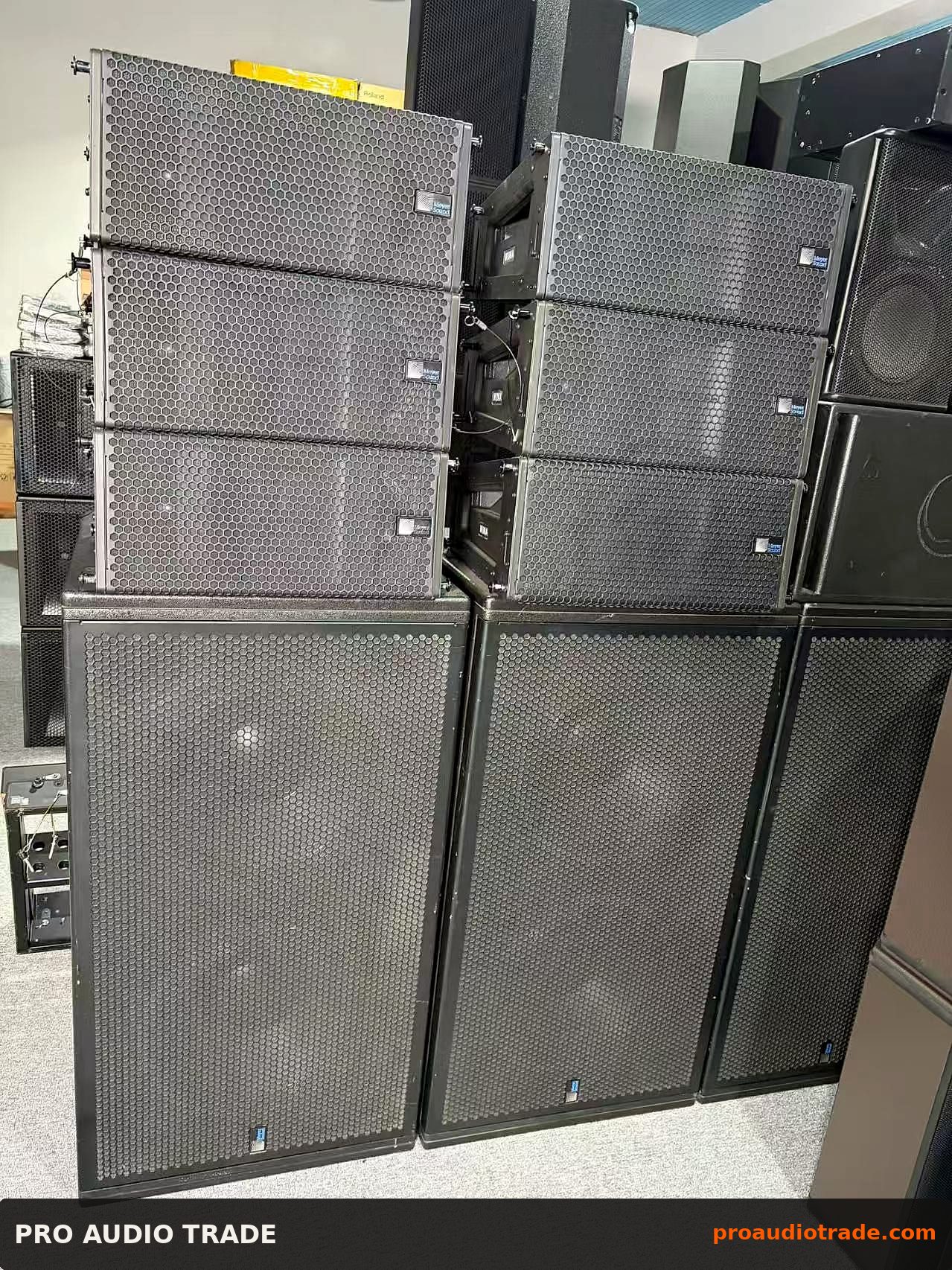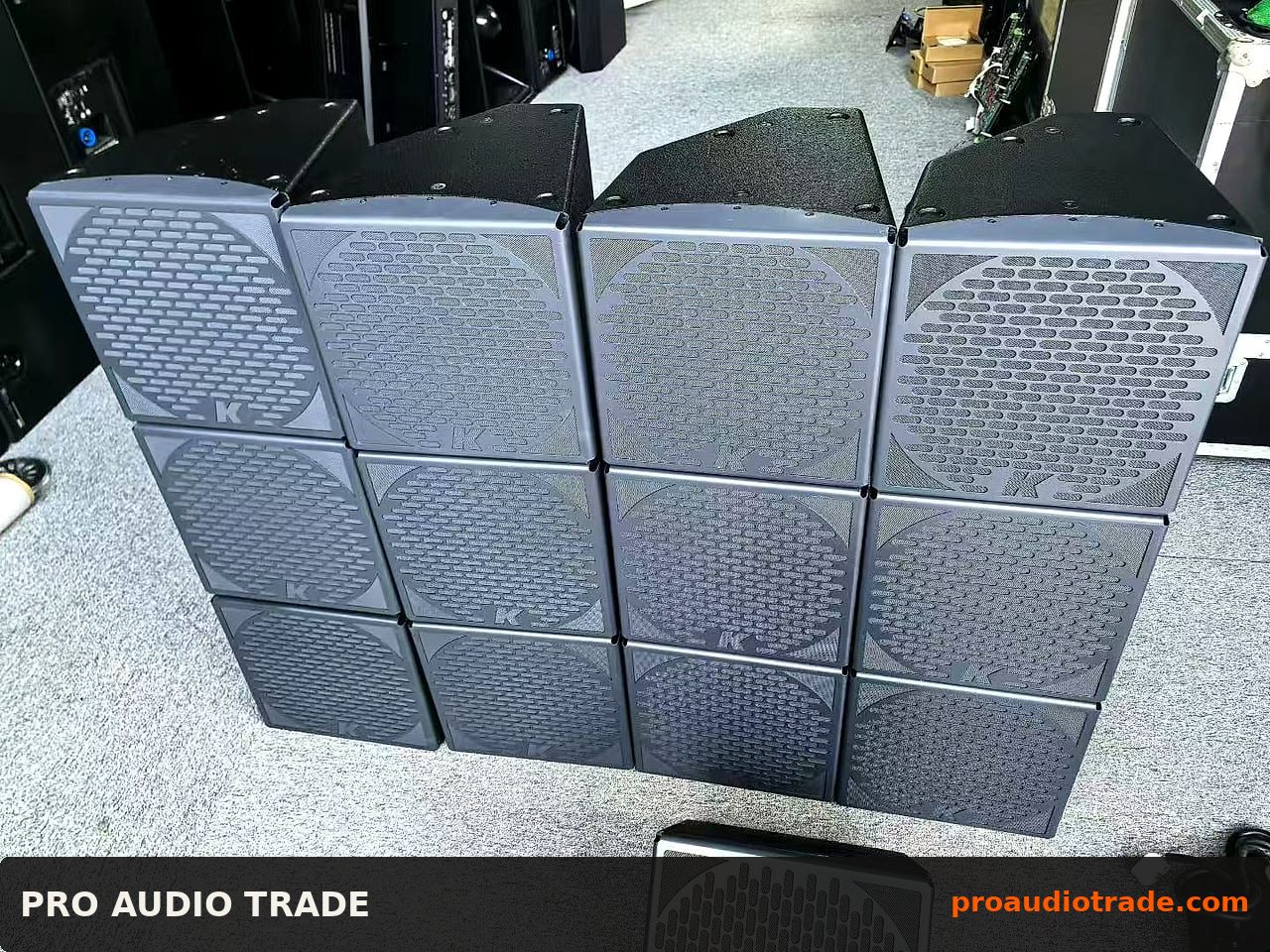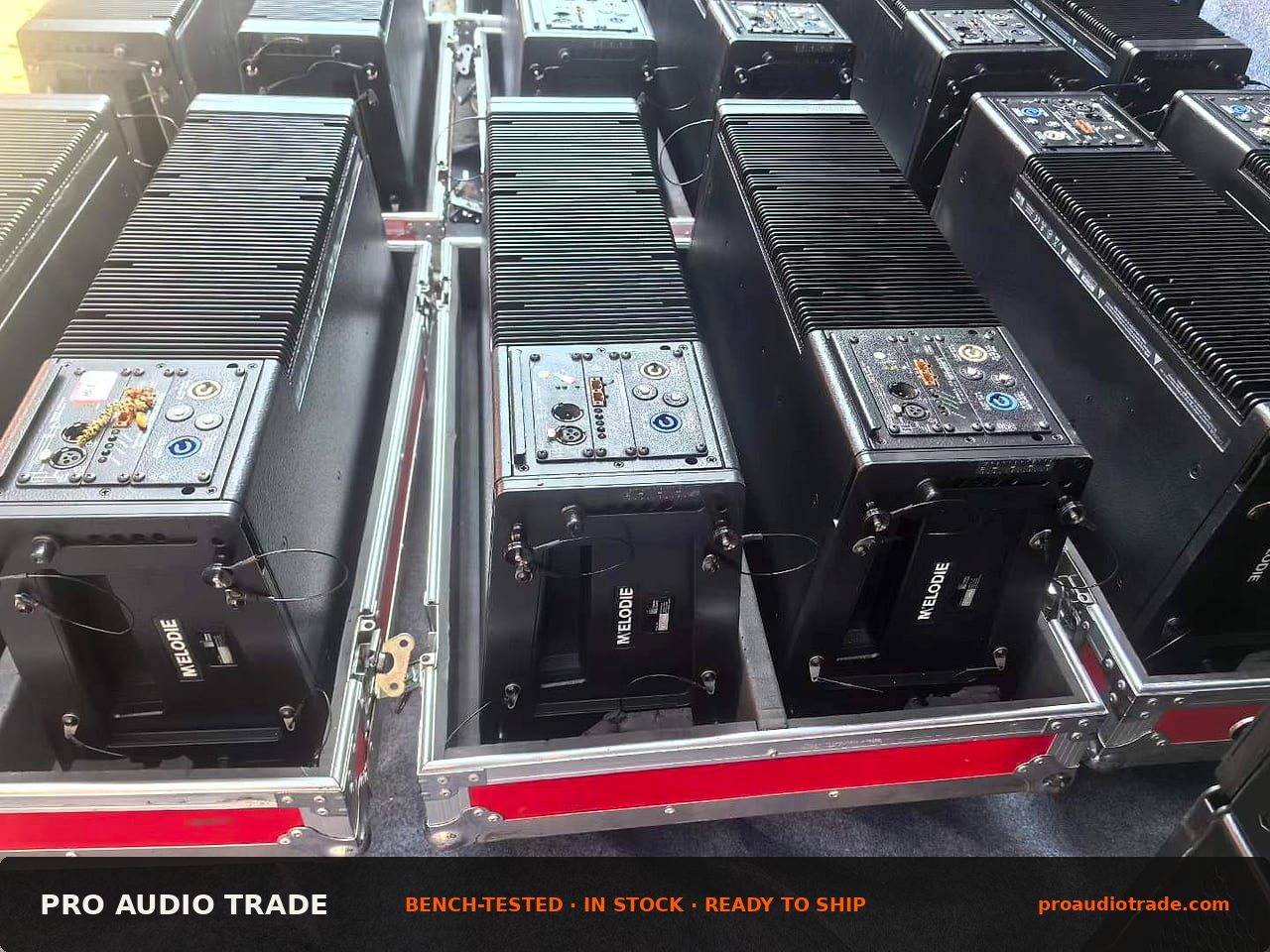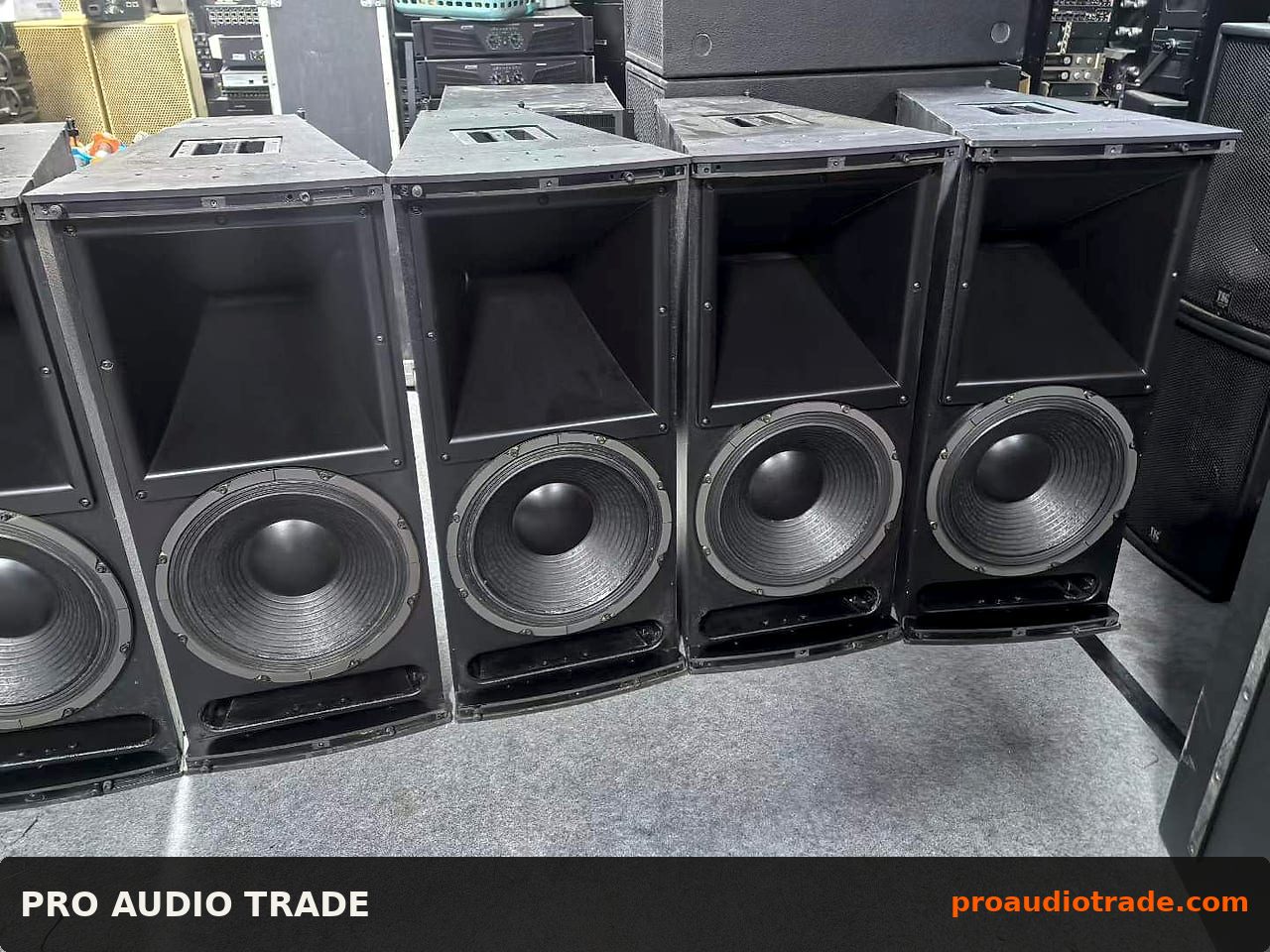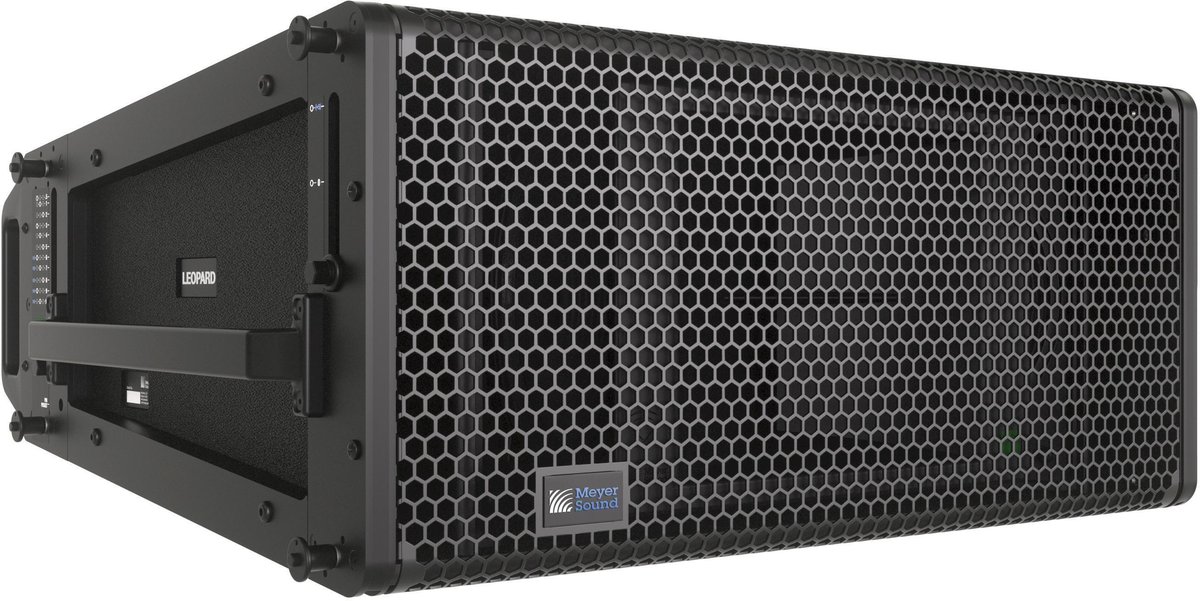
When specifying a compact, high-output line array for rental, installation, or touring in the CIS, Middle East, South America, or Africa, the Meyer Sound LEOPARD is a frequent benchmark. Its self-powered design, 110° horizontal coverage, and 143 dB peak SPL make it a compelling choice for mid-sized venues and corporate events. But in the used market, buyers often weigh LEOPARD against alternatives like the L-Acoustics K2, d&b audiotechnik V-Series, and JBL VTX V20. This comparison focuses on real-world trade-offs for wholesale buyers who need reliable riders, serviceability, and long-term value.
Key specs and fixed ranking order (most to least recommended for typical B2B used purchases): 1) Meyer Sound LEOPARD — 2×12" self-powered, 143 dB peak, 110° horizontal, integrated amplification and DSP, no external amps. 2) L-Acoustics K2 — 2×12" passive, 147 dB peak, 110° horizontal, requires LA12X amplified controllers; strong rider acceptance but higher total system cost. 3) d&b audiotechnik V8 — 2×10" passive, 141 dB peak, 80° or 110° horizontal (V8/V12), requires D80 amplifiers; excellent directivity but narrower coverage in V8. 4) JBL VTX V20 — 2×10" passive, 143 dB peak, 105° horizontal, requires Crown I-Tech or VTX amps; competitive price but less rider prestige. Ranking reflects total cost of ownership, rider friendliness, and service network in emerging markets.
What to inspect on used LEOPARD and alternatives: check self-powered modules for firmware version, fan noise, and any DC offset; verify original Meyer Sound drivers (not recones) and cabinet integrity for water damage or warping. On passive alternatives, test every driver for rub and buzz, inspect NL4 connectors for corrosion, and confirm amplifier compatibility (LA12X for K2, D80 for V-Series). Ask for service history, especially capacitor replacement on older LEOPARD units (pre-2018). For all models, request impedance sweeps and frequency response curves; verify rigging hardware for cracks, bent pins, and missing quick-release pins. In humid climates, check for mold in grilles and oxidation on PCBs.
Next step: request a live demo or video walkthrough with pink noise and a known test track, and insist on a 30-day warranty on drivers and amplifiers. For wholesale orders, negotiate a spares package (diaphragms, amp modules, rigging pins) and confirm that the seller provides original factory presets. Compare total landed cost including shipping, duties, and any required amplification, then shortlist two models that match your rider requirements and service capabilities. Always verify serial numbers against manufacturer databases to avoid stolen or grey-market units.