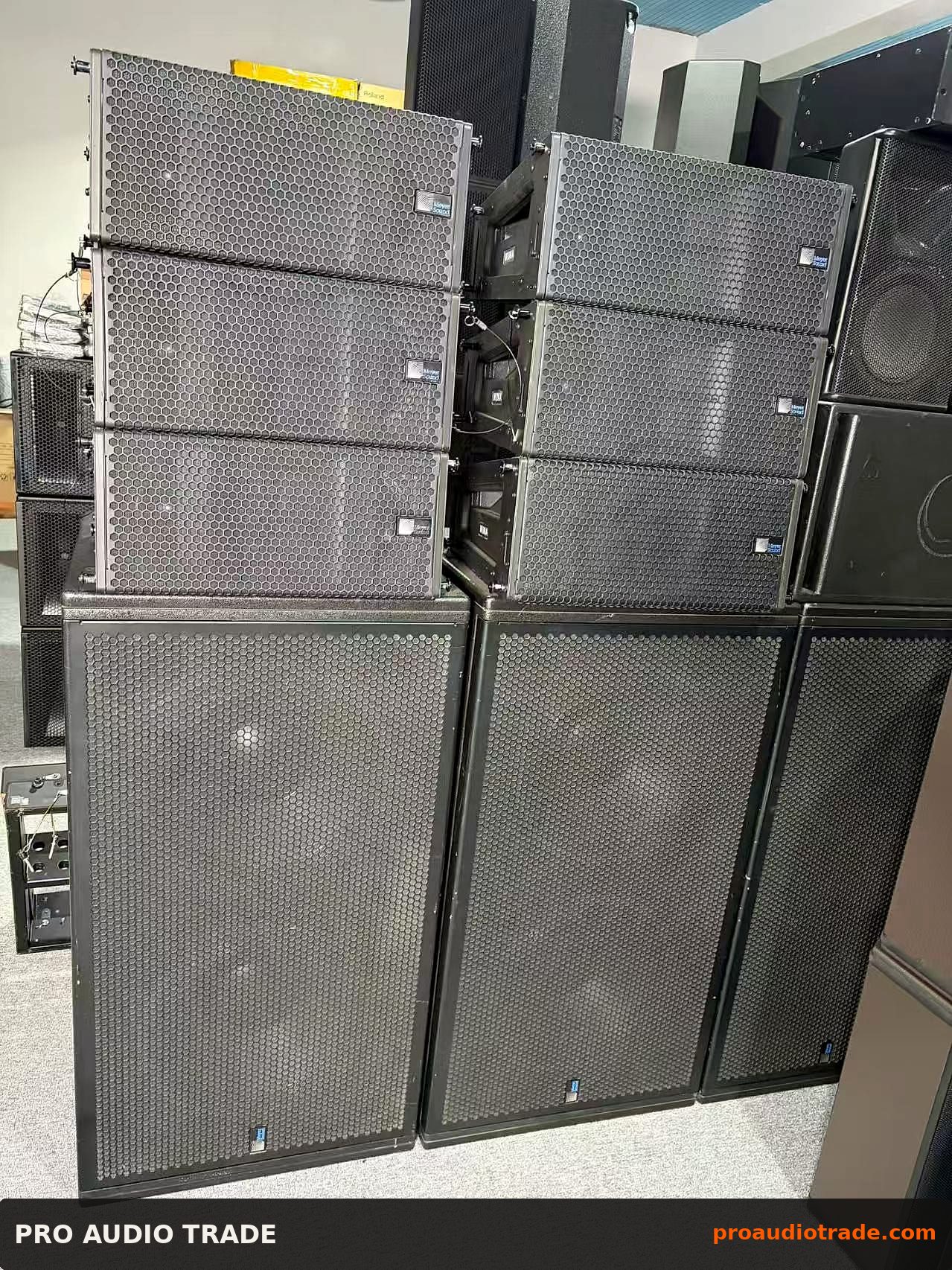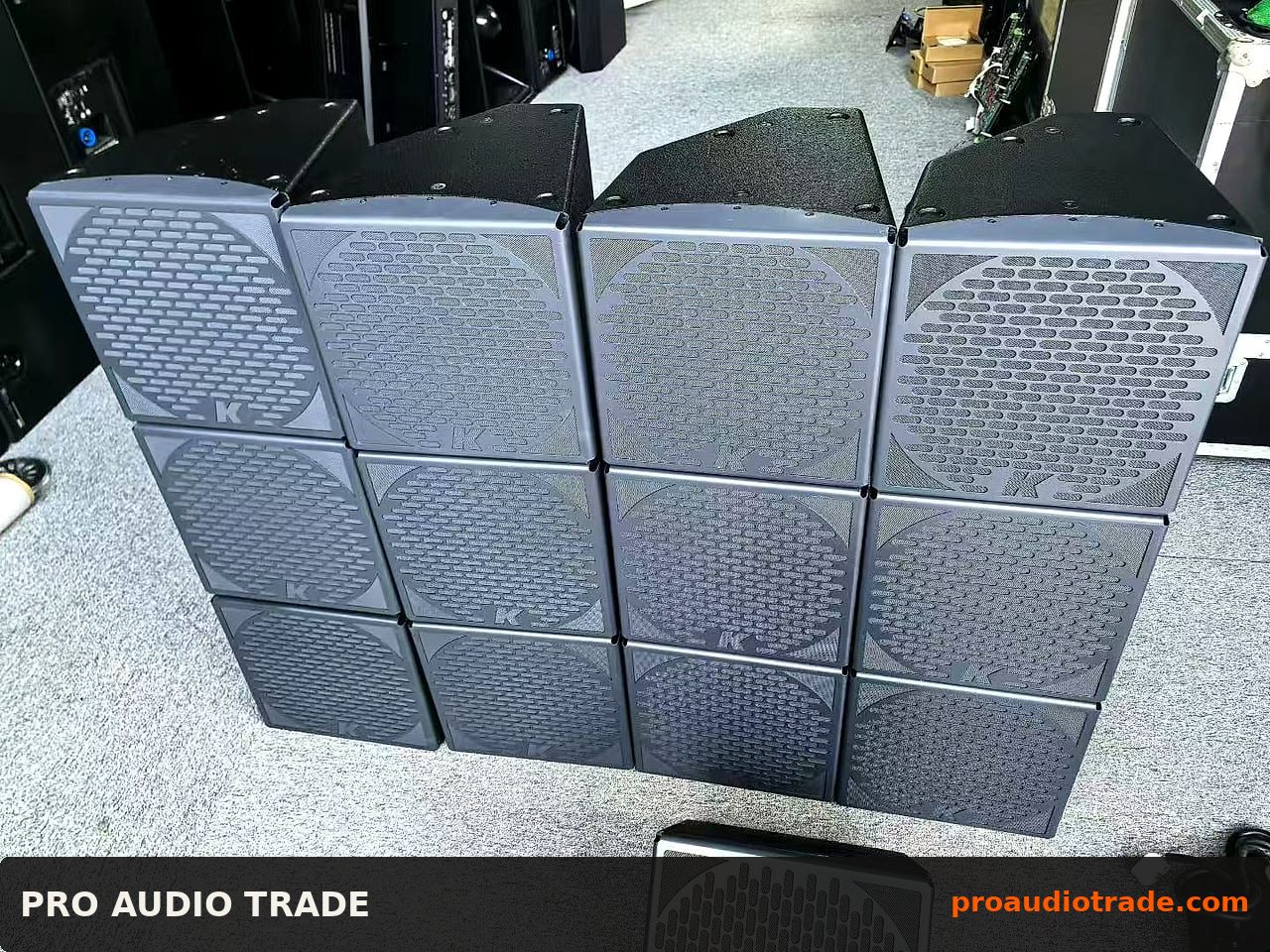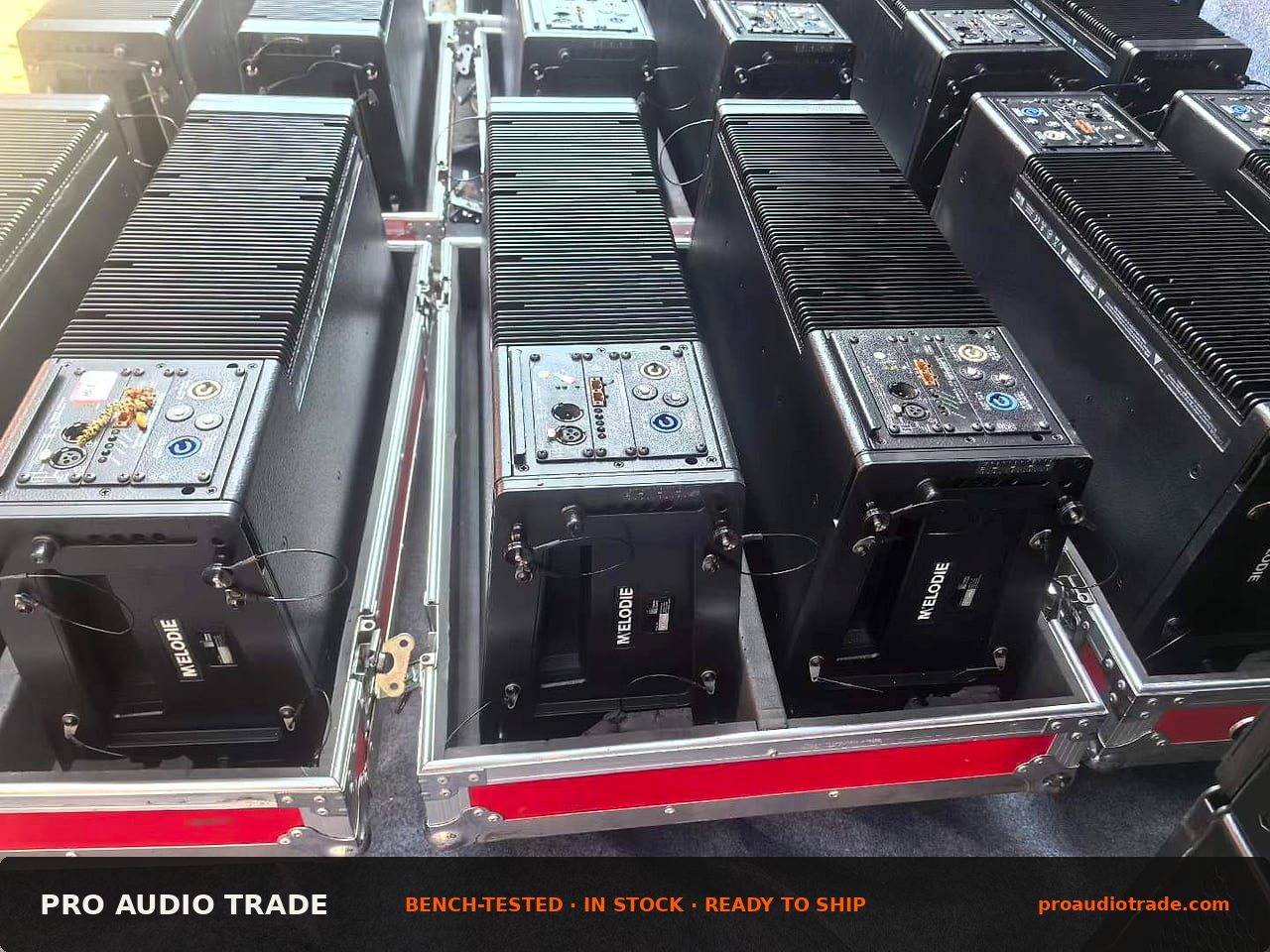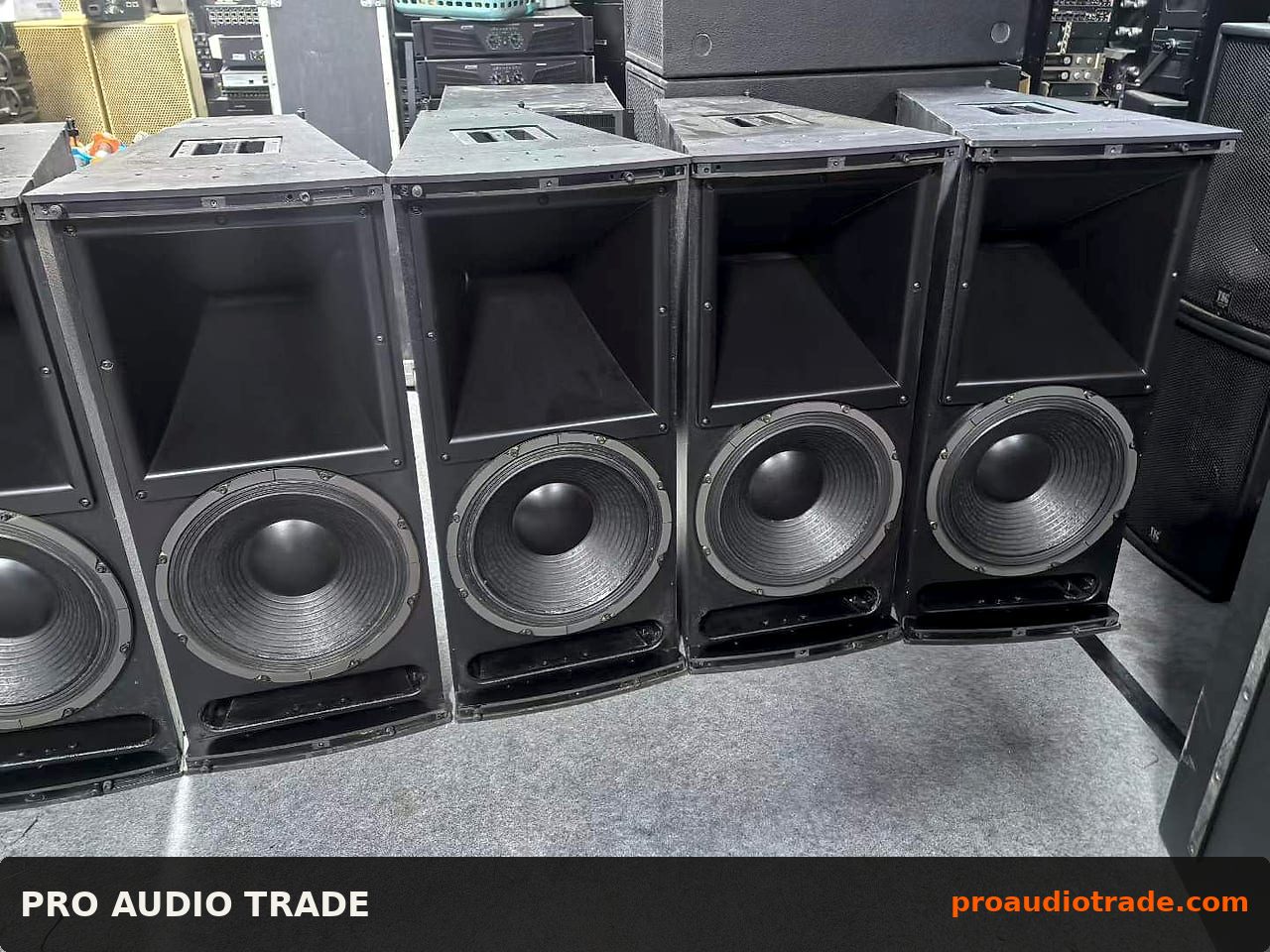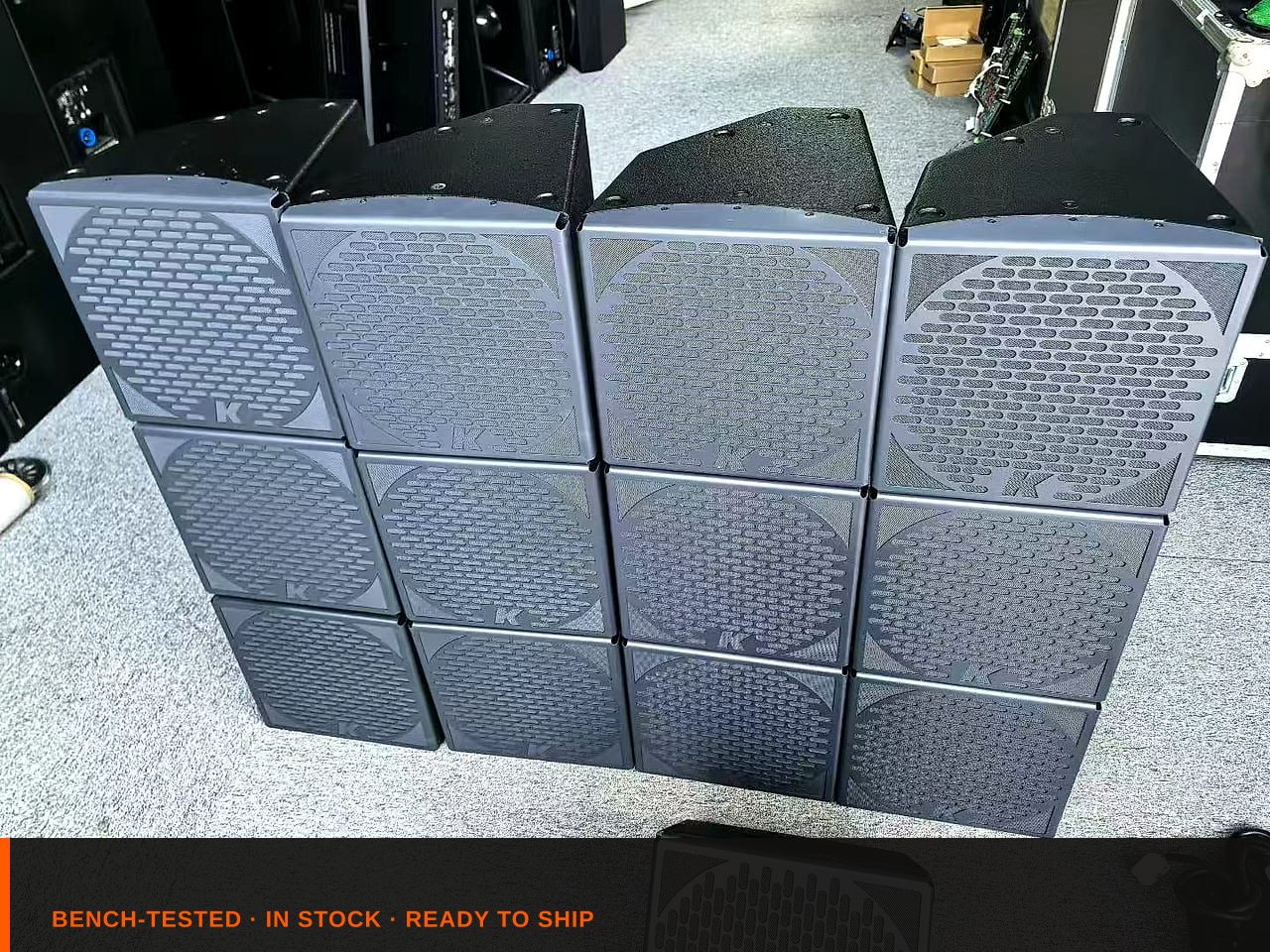
The K-array KF12 is a compact, high-output line array element that has become a staple in rental inventories and fixed installations where sightlines and weight matter. For B2B buyers sourcing used stock, the question is rarely just "what does a used KF12 cost?" — it is whether the unit is a genuine bargain or a costly project. This guide breaks down real market pricing, the specs that matter for integration, a practical inspection checklist, and how to navigate a wholesale order without surprises.
Where the KF12 fits in a rental or venue inventory
The KF12 is a 12-inch, two-way line array module designed for medium-throw applications — corporate events, houses of worship, small-to-mid clubs, and as down-fill or side-fill in larger systems. Its value in a rental fleet is versatility: it rigs quickly, flies well in compact arrays, and covers a range of jobs that would otherwise require larger, heavier boxes. For integrators, it is a common choice for ballrooms, auditoriums, and multi-purpose spaces where the client wants premium sound without a visually intrusive rig. Used units are attractive because the model is mature, parts are generally available, and the performance gap between a well-maintained used box and a new one is often smaller than the price difference suggests.
Key specs that matter for integration work
When evaluating a used KF12, focus on the parameters that affect system design and long-term reliability. The 12-inch woofer and compression driver configuration delivers high SPL relative to size, but check that the driver part numbers match the current revision — older revisions may have different diaphragm assemblies. Sensitivity and power handling figures should be confirmed against the datasheet for the specific production year. Rigging hardware is critical: inspect the flyware, pins, and quick-release mechanisms for wear, because replacement rigging components are expensive and a compromised pin is a safety issue. Also verify the connector type and pinout — some units ship with different input panels depending on the market and production batch. For integration, confirm that the unit's dispersion pattern matches your array design; the KF12 is typically used in arrays where vertical coverage is controlled by the number of boxes and splay angles.
Used-buying checklist: what to inspect and what to ask
Start with the drivers. Ask the seller for impedance readings on each driver and a sweep test or pink-noise run at moderate level. A rubbing voice coil or a dried-out surround will show up as distortion or inconsistent impedance. Inspect the cabinet for water damage, swollen MDF, and cracked baffles — cosmetic scuffs are fine, structural compromise is not. Check the grille and internal foam; degraded foam can shed particles into the driver gap. Test the rigging: every pin should engage smoothly and lock positively, and the flyware should show no cracks or elongation. Ask for the serial number and confirm it against K-array's records if possible, and request photos of the input panel and any repair history. For a wholesale order, ask whether units are tested individually or as a lot, and whether test reports are available per unit.
Price context and total cost of ownership
Used KF12 pricing varies by region, condition, and whether rigging and covers are included. In CIS and Middle East markets, expect used units to trade at a meaningful discount to new, but be wary of prices that are far below market — they often signal missing rigging, non-original drivers, or water damage. Factor in the cost of replacement drivers, rigging certification, and freight, which can add substantially to the landed cost. A tested unit with original components and complete rigging is usually the better value even at a higher headline price. For rental firms, downtime is the real cost: a unit that fails on a job costs more than the price difference between a cheap box and a verified one. Budget for a bench test and a spare driver or two if you are building a fleet.
How a B2B order works: grade, freight, MOQ
Wholesale used audio gear typically moves in grades — A (fully tested, cosmetic wear only), B (functional with minor cosmetic issues), and C (project units). Confirm the grading standard in writing and ask for the specific defects on each unit. MOQ varies by seller; some will ship single units, others require a pallet or a minimum order value. Freight is the wild card: line array boxes are bulky, and international shipping to South America or Africa can be costly and slow. Ask for crated dimensions and weight per unit, and clarify whether the seller handles export documentation. For CIS buyers, customs and certification requirements should be checked before ordering. Always request photos of the actual units being shipped, not stock images.
A used KF12 can be an excellent addition to a rental or installation inventory, but only when the unit is verified and the total landed cost is understood. Prioritize tested stock with original drivers and complete rigging, confirm the grading and freight terms in writing, and budget for a bench check on arrival. The cheapest listing is rarely the best deal — the best deal is the unit that works on the first job.