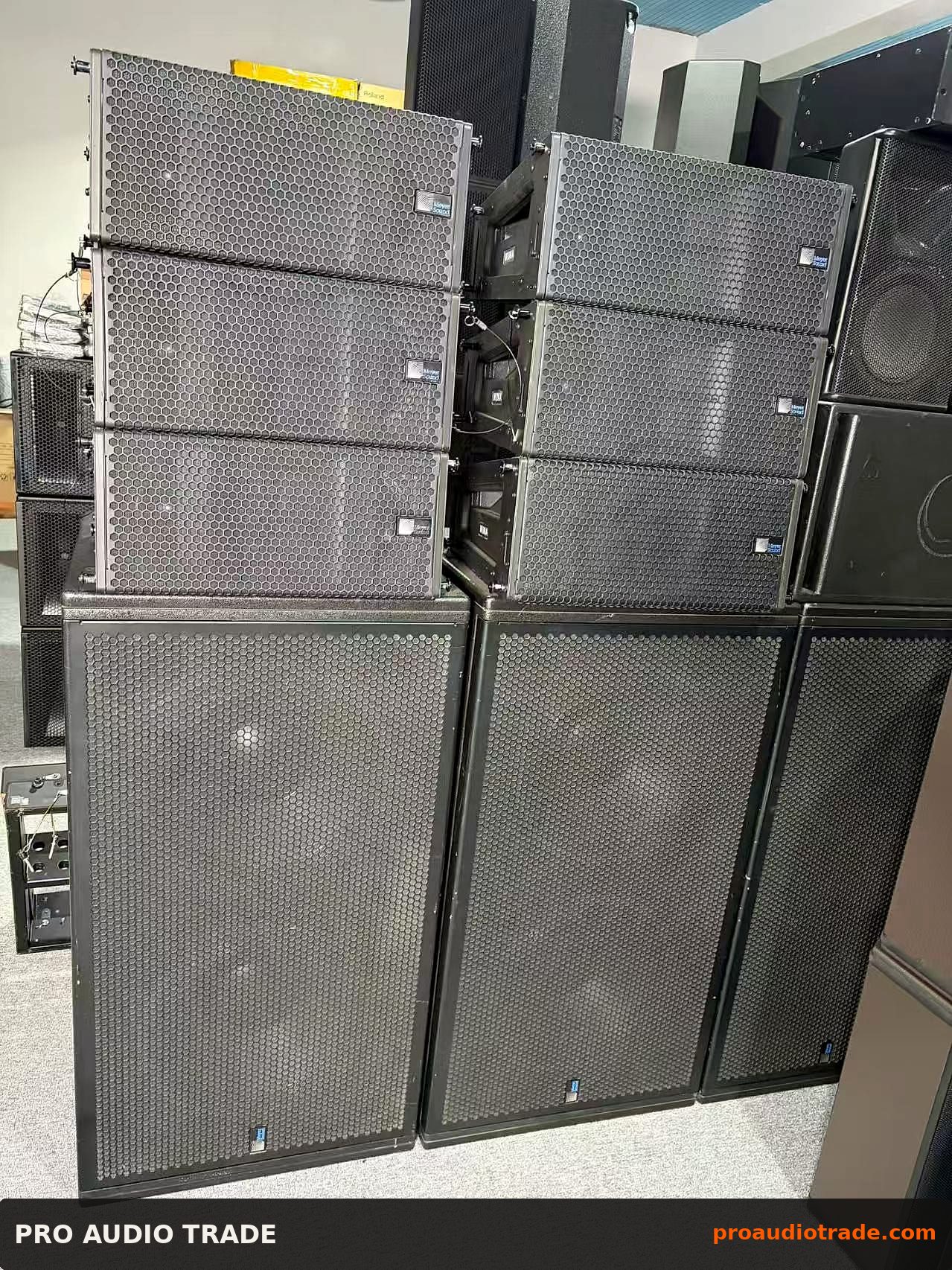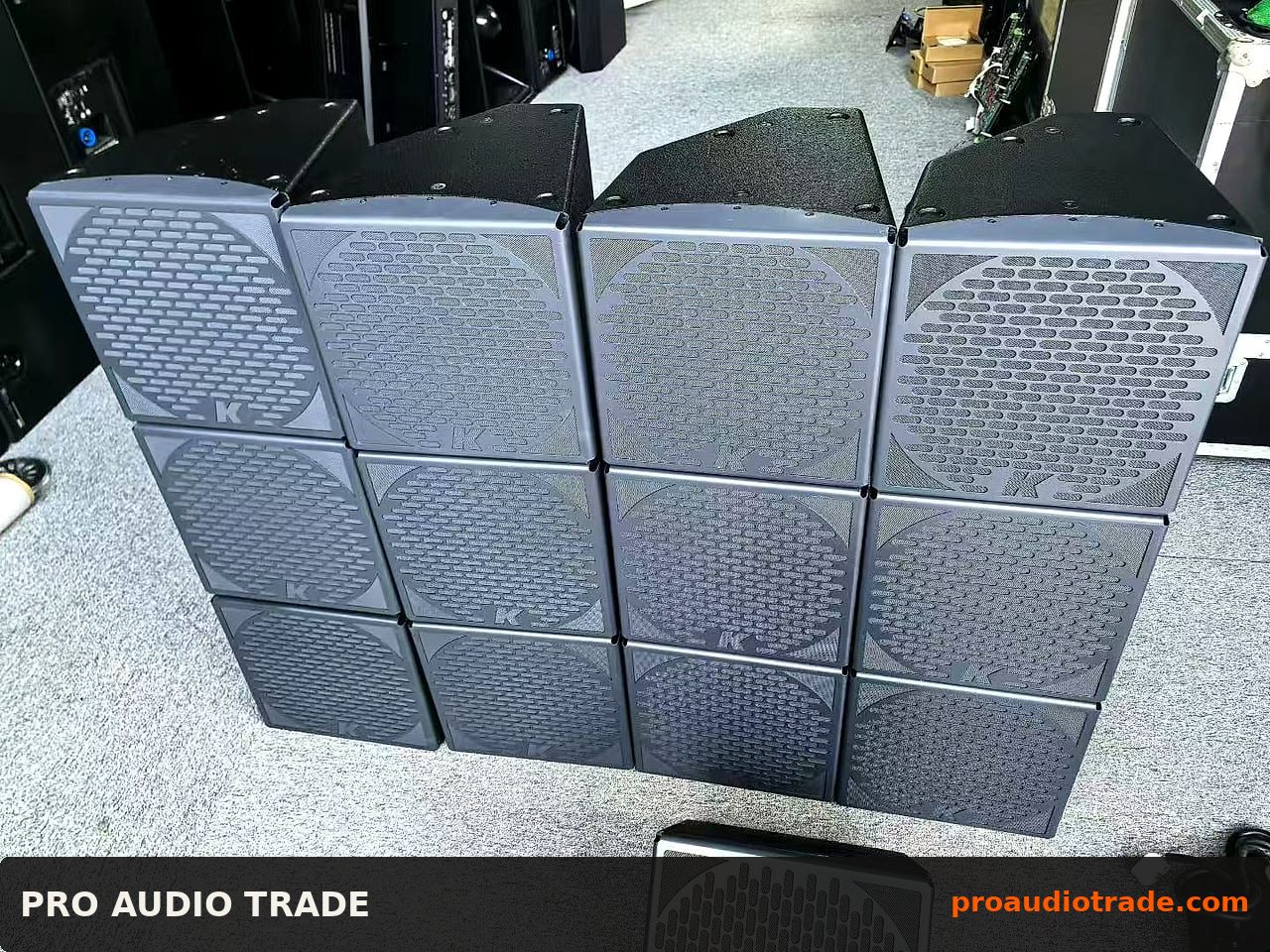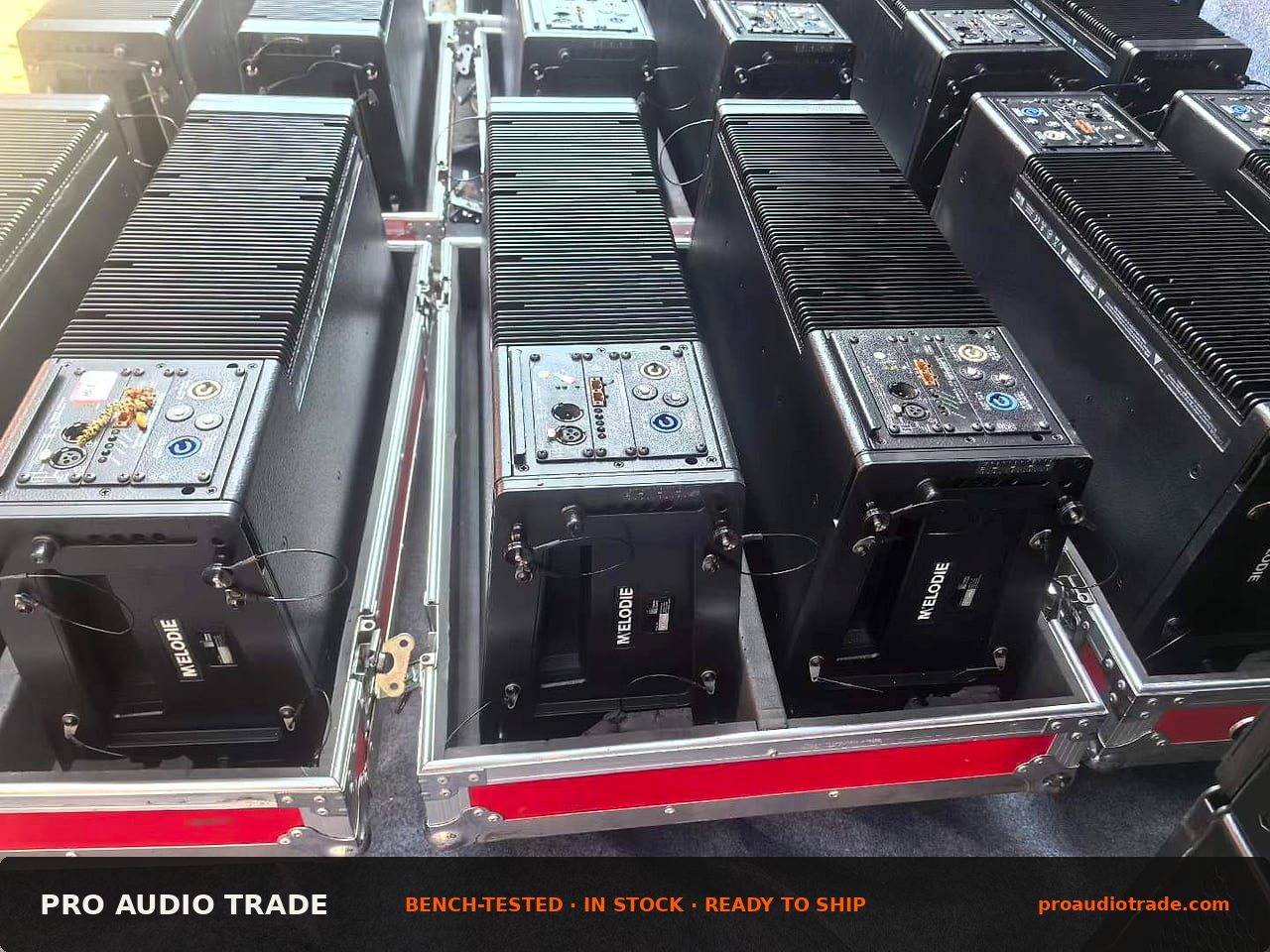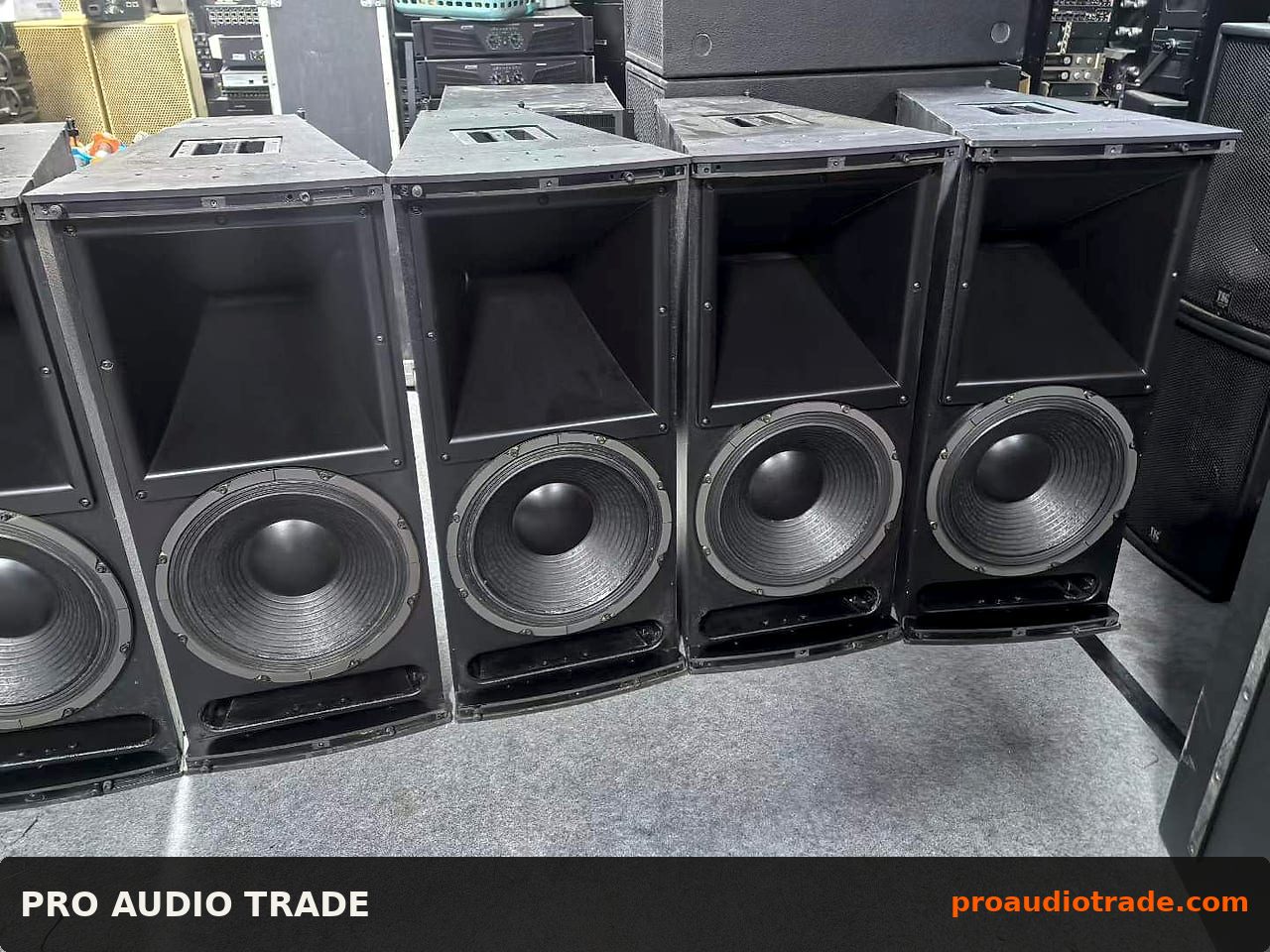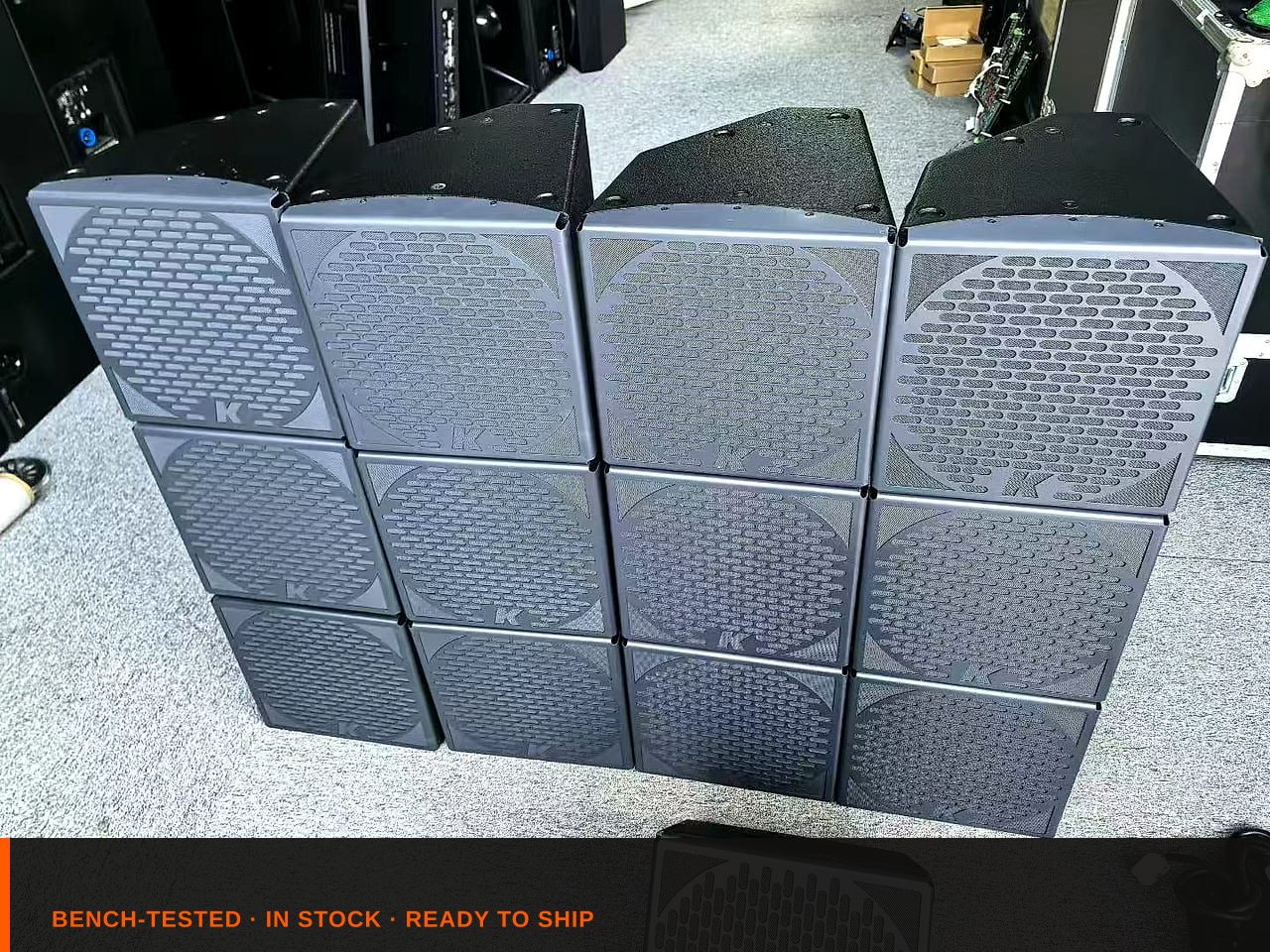
The K-array KF12 is a compact, high-output line array element that has become a staple in rental inventories and fixed installations where sightlines and weight matter. For B2B buyers sourcing used professional audio gear, the real question is not whether the KF12 is good—it is—but whether it is the right used purchase compared with alternatives like the K-array KH12, the RCF HDL 6-A, the Nexo GEO M6, or the d&b audiotechnik V-Series. This comparison breaks down where the KF12 fits, what to inspect on a used unit, and how to evaluate total cost of ownership before you commit to a pallet.
Where the KF12 fits in a rental or venue inventory
The KF12 is a 12-inch, two-way line array module designed for medium-throw applications. In rental fleets, it typically serves corporate events, hotel ballrooms, and mid-sized outdoor stages where a full-size line array is overkill but point-source boxes lack pattern control. Integrators specify it for houses of worship, auditoriums, and transport hubs because its slim profile and rigging hardware allow discreet arrays that meet aesthetic and structural constraints. Compared with the KH12—a point-source companion—the KF12 offers superior vertical pattern control when arrayed, which matters in reverberant rooms. Against the RCF HDL 6-A, the KF12 is lighter and more compact per box but requires more planning for amplification and processing. The Nexo GEO M6 is a closer competitor in scale, though its rigging ecosystem and voicing differ. For buyers in CIS, the Middle East, South America, and Africa, the KF12's popularity means spare parts and rigging accessories are more readily available on the secondary market than for niche alternatives.
Key specs that matter for integration work
When comparing used KF12 units to alternatives, focus on specs that affect deployment, not brochure numbers. The KF12's 12-inch woofer and 1.4-inch compression driver deliver high SPL from a compact enclosure, but the real differentiator is the rigging system: K-array's proprietary hardware allows tight splay angles and quick assembly, which reduces labor costs on installs. Check the impedance and power handling against your existing amplifier inventory—K-array systems often use dedicated processing, so mixing with third-party amps can void performance. The KH12, by contrast, is easier to deploy as a standalone box but lacks the array scalability. The RCF HDL 6-A is self-powered, which simplifies rental logistics but adds weight and requires mains power at each position. For fixed installs, the Nexo GEO M6 offers similar form factor but different rigging; verify that your structural engineers can work with the available flyware. In used markets, always confirm that the rigging frames and pins are included—replacement hardware is expensive and often back-ordered.
Used-buying checklist: what to inspect and what to ask
Used KF12 units are generally robust, but common failure points include driver fatigue from sustained high-SPL use, corrosion on rigging hardware in humid climates, and damaged grilles from transport. Ask the seller for high-resolution photos of the woofer cones, compression driver throats, and all rigging contact points. Request a test report showing impedance sweeps and frequency response for each box—reputable B2B sellers provide this. Check the serial numbers against K-array's records if possible, and confirm whether the units have been used in rental or fixed install (rental units see more handling). For alternatives like the RCF HDL 6-A, inspect the amplifier modules and power supplies, which are the most common failure points. With Nexo GEO M6, verify the rigging pins and check for bent flyware. Always ask for the history of any repairs, and insist on original drivers—aftermarket replacements often degrade performance. For international buyers, request a video call to see the units powered up and playing pink noise.
Price context and total cost of ownership
On the used market, KF12 modules typically command a premium over comparable RCF or Nexo boxes because of brand demand and rigging ecosystem lock-in. However, the total cost of ownership depends on what is included. A bare KF12 without rigging frames or amplifier processing may seem cheaper but requires significant additional spend. Compare complete packages: KF12 with flyware and processing versus a self-powered RCF HDL 6-A that needs no external amps. For rental firms, the KF12's lower per-box weight reduces truck space and labor, which offsets higher acquisition cost over time. For integrators, the KF12's discreet form factor can reduce architectural mitigation costs. In emerging markets, import duties and freight can swing the decision—self-powered boxes may avoid the need for costly amplifier racks but incur higher shipping weight. Always calculate landed cost including freight, duties, and any missing accessories.
How a B2B order works: grade, freight, MOQ
Reputable B2B used-gear sellers grade units (e.g., A, B, C) based on cosmetic and functional condition, with test reports. Clarify the grading scale and what is covered—grade A should mean fully tested and working with minor cosmetic wear. Minimum order quantities vary: some sellers require pallet quantities for export, while others allow single units. Freight for line array modules is volumetric; KF12 boxes are relatively compact but rigging frames add bulk. For CIS, Middle East, South America, and Africa, confirm Incoterms (often FOB or CIF) and whether the seller handles export documentation. Ask about lead times for crating and any history of shipping damage. Payment terms for first-time buyers are usually T/T in advance or letter of credit; established buyers may negotiate net terms. Always request a proforma invoice detailing condition, accessories, and freight costs before committing.
In summary, the K-array KF12 remains a strong used purchase for rental and integration work where compact array performance and rigging speed are priorities, but it is not the only option. Compare complete packages against self-powered alternatives like the RCF HDL 6-A and rigging-similar boxes like the Nexo GEO M6, inspect driver and rigging condition rigorously, and factor landed cost and accessory completeness into your decision. For B2B buyers, tested used stock with documented grading is the safest path to budget-friendly inventory.