Skip to content
K-array KF12 1 / 7
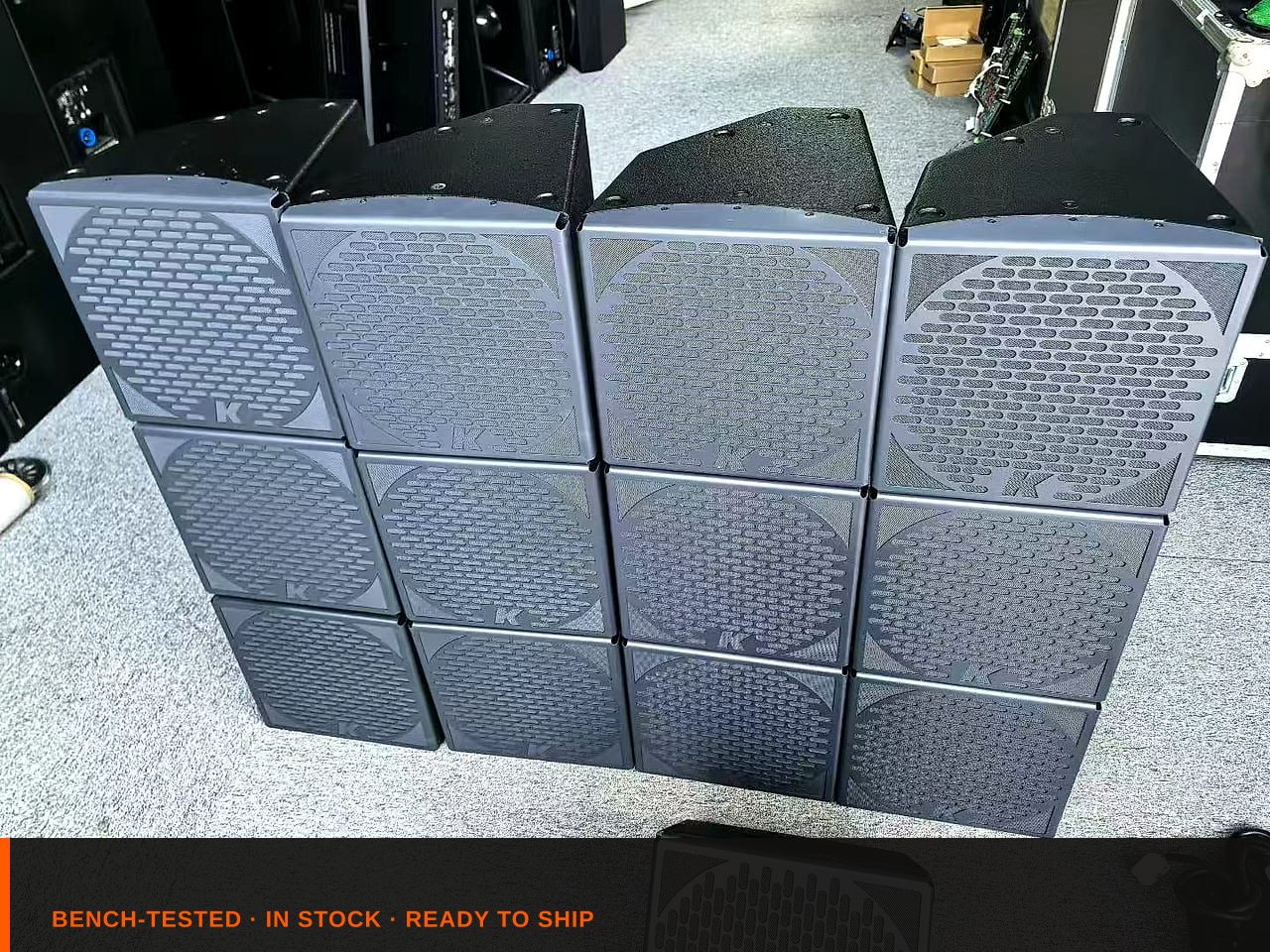
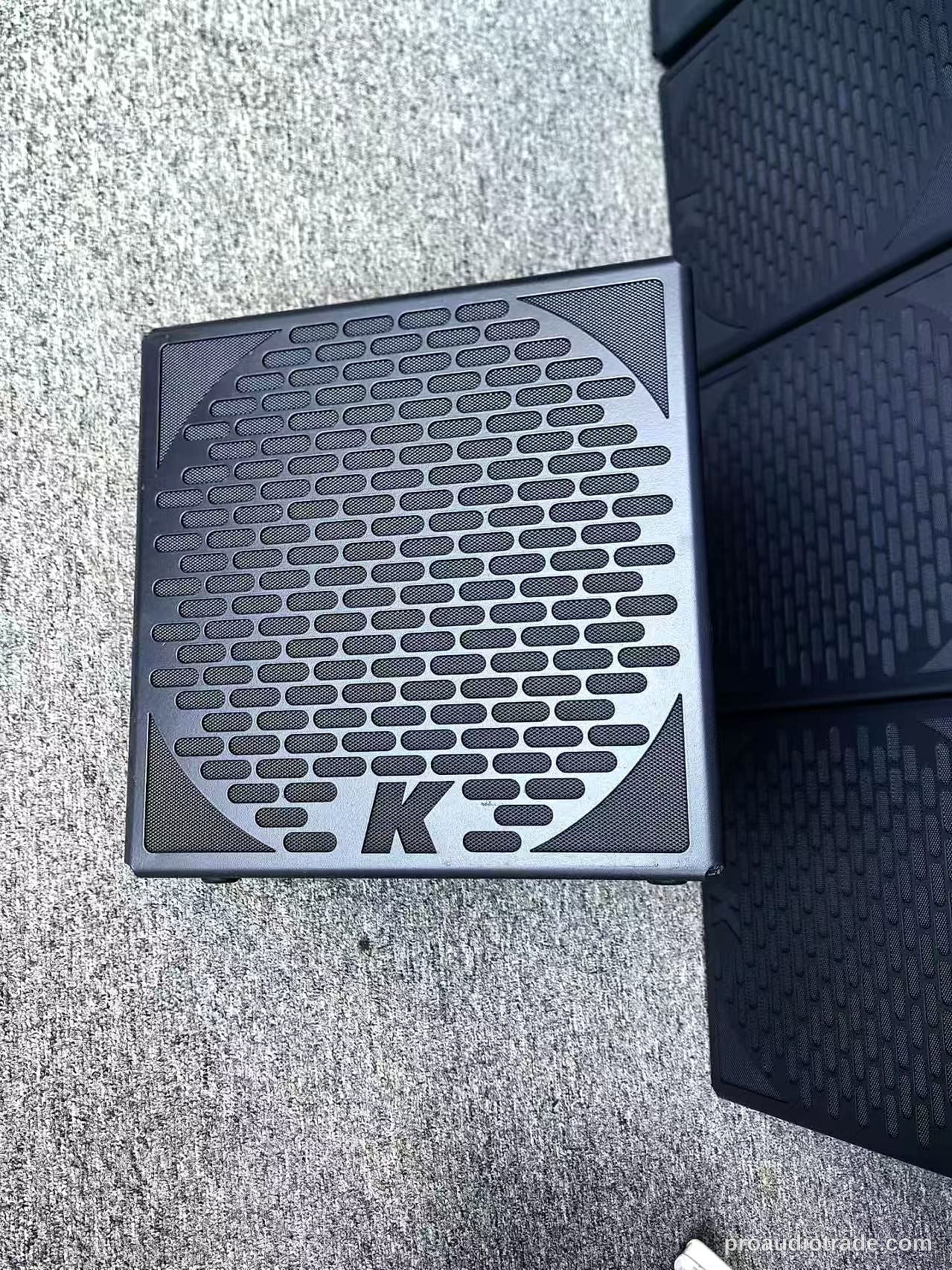
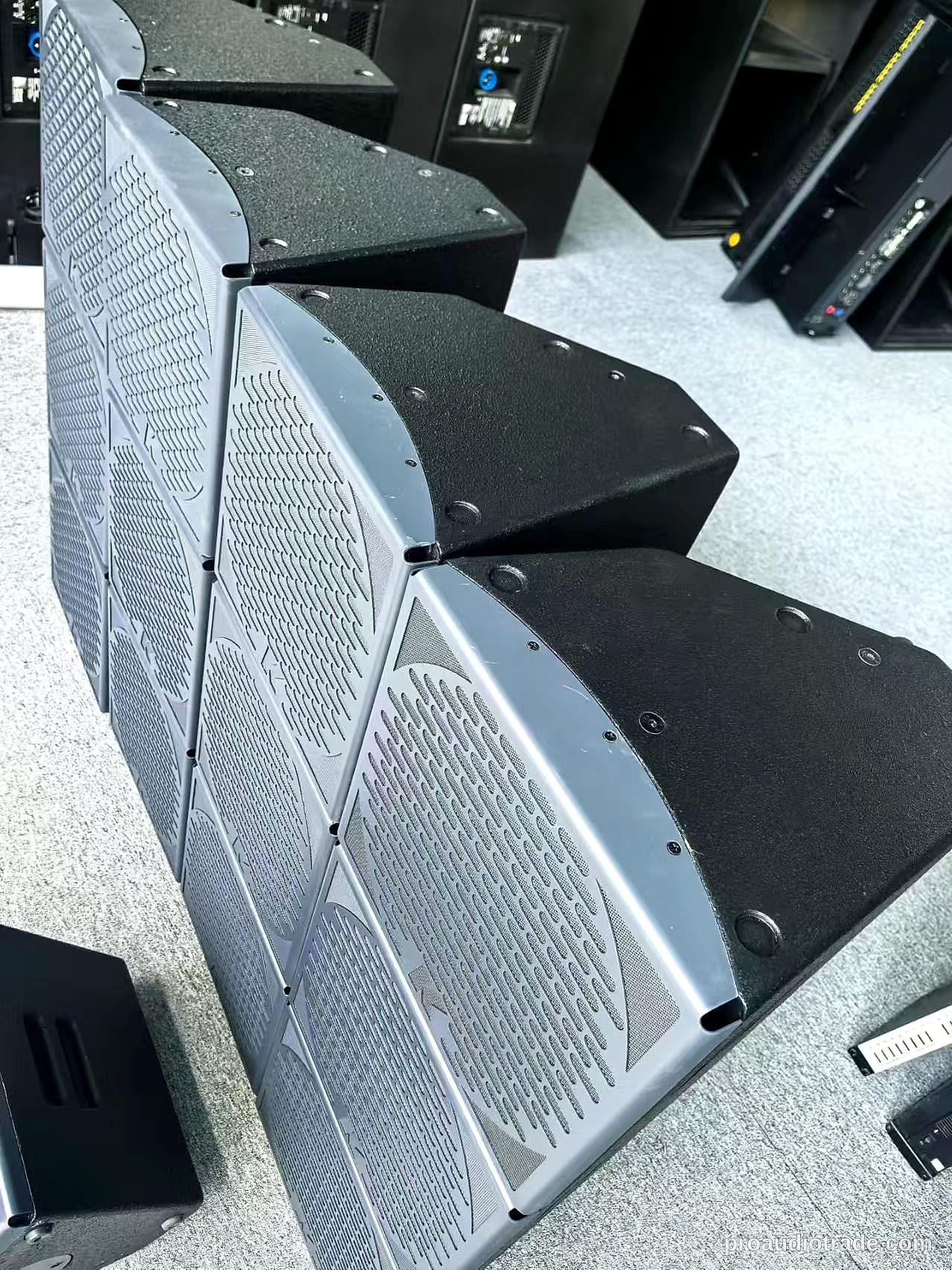
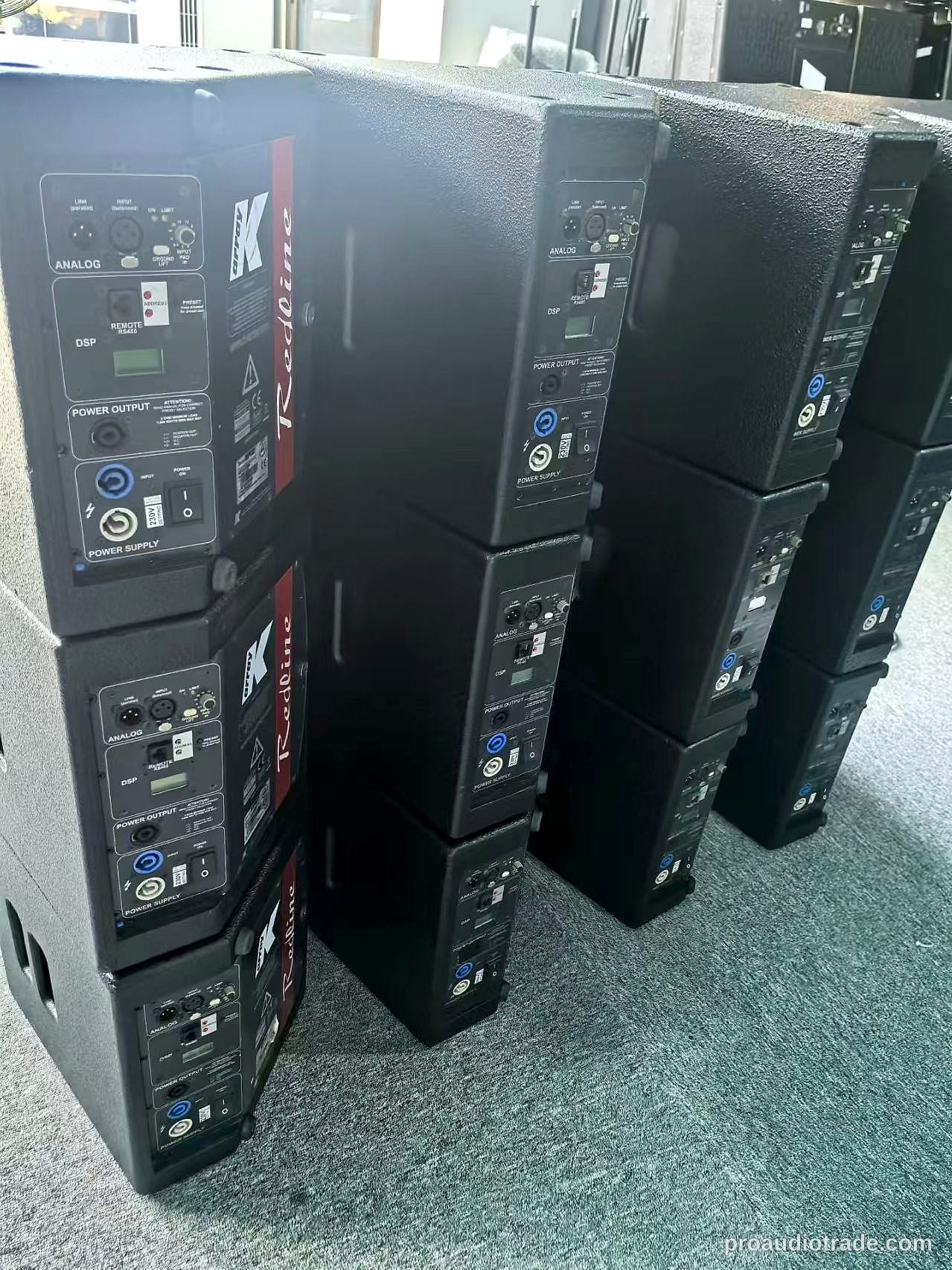
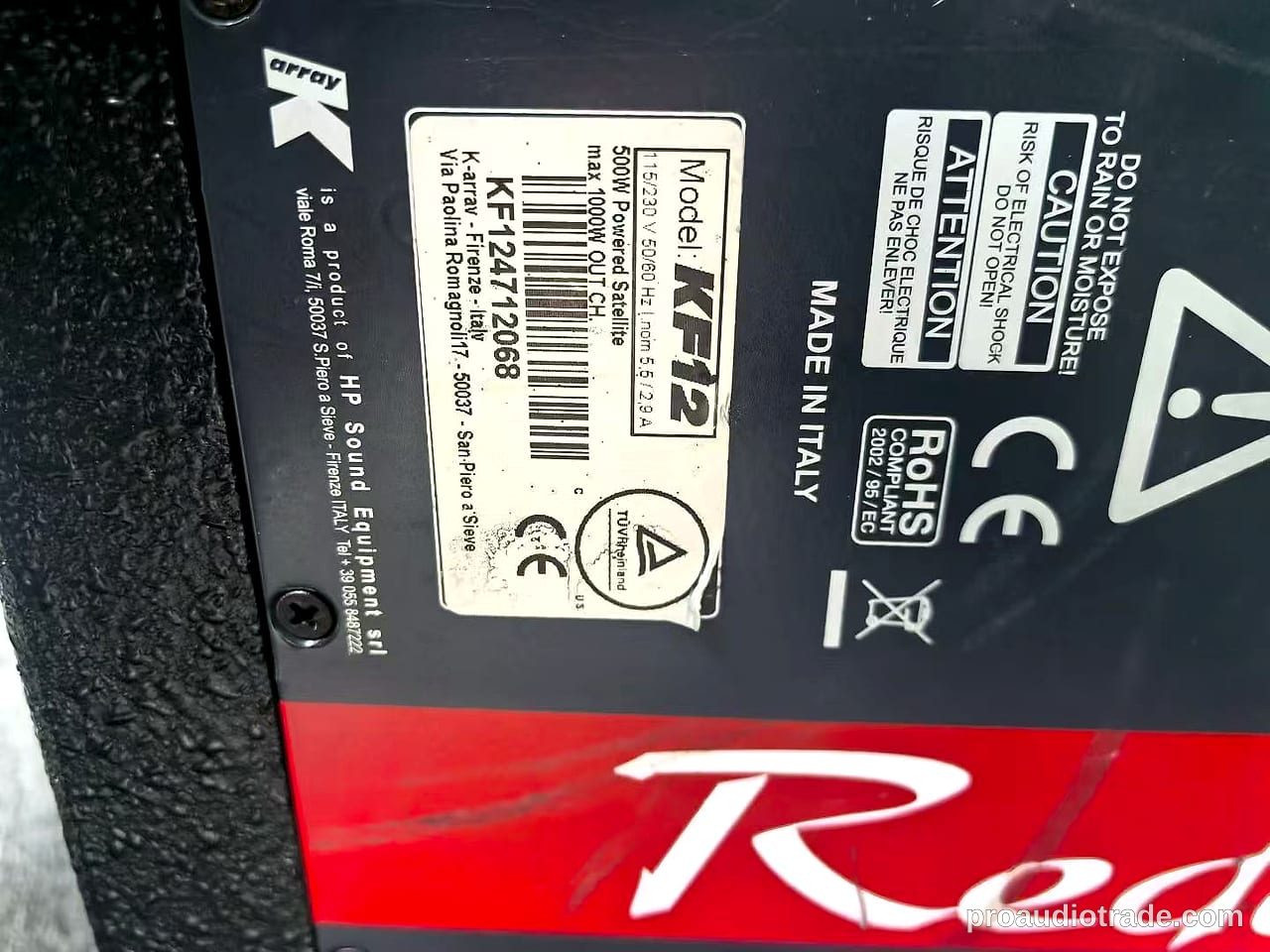
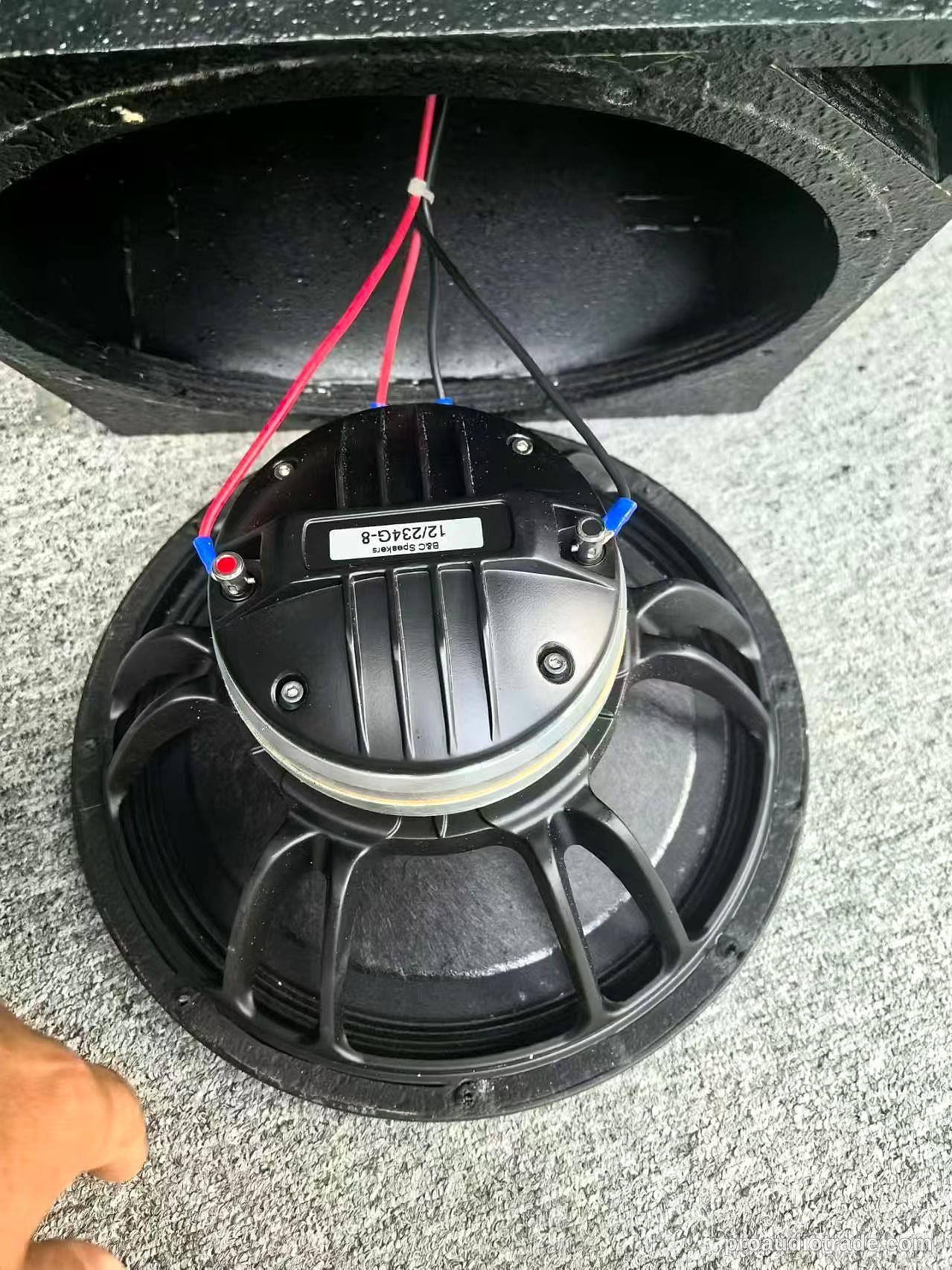
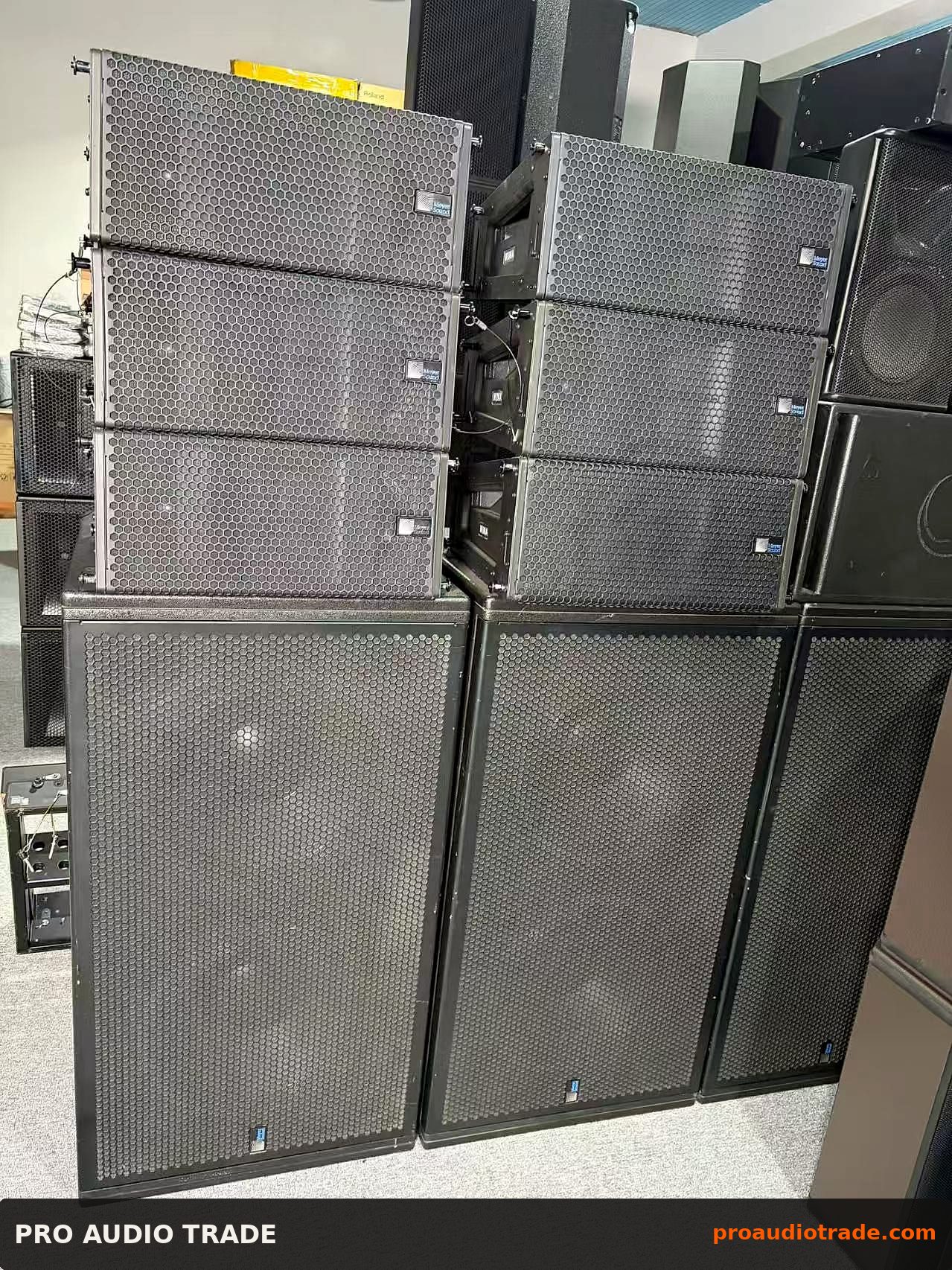
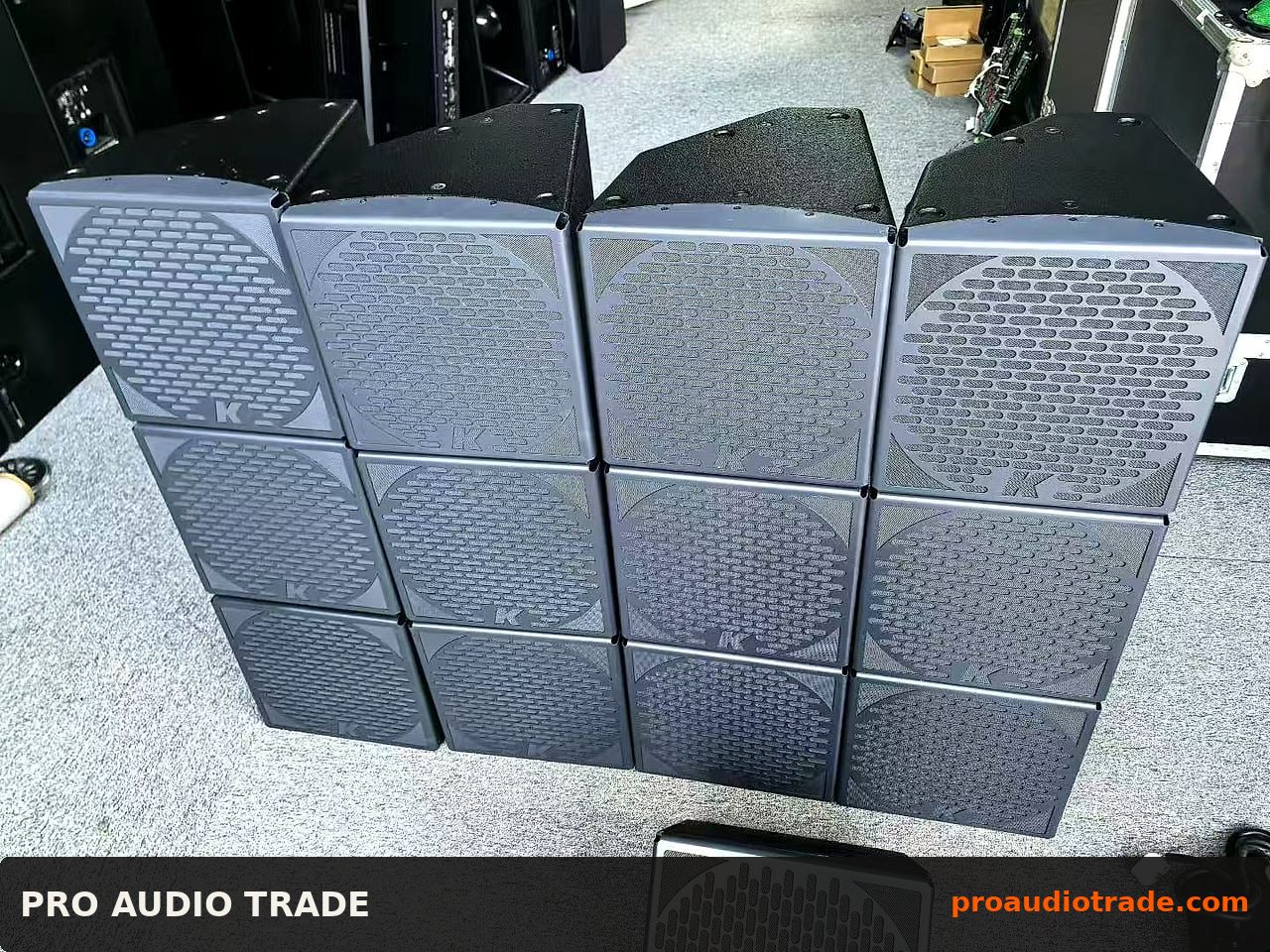
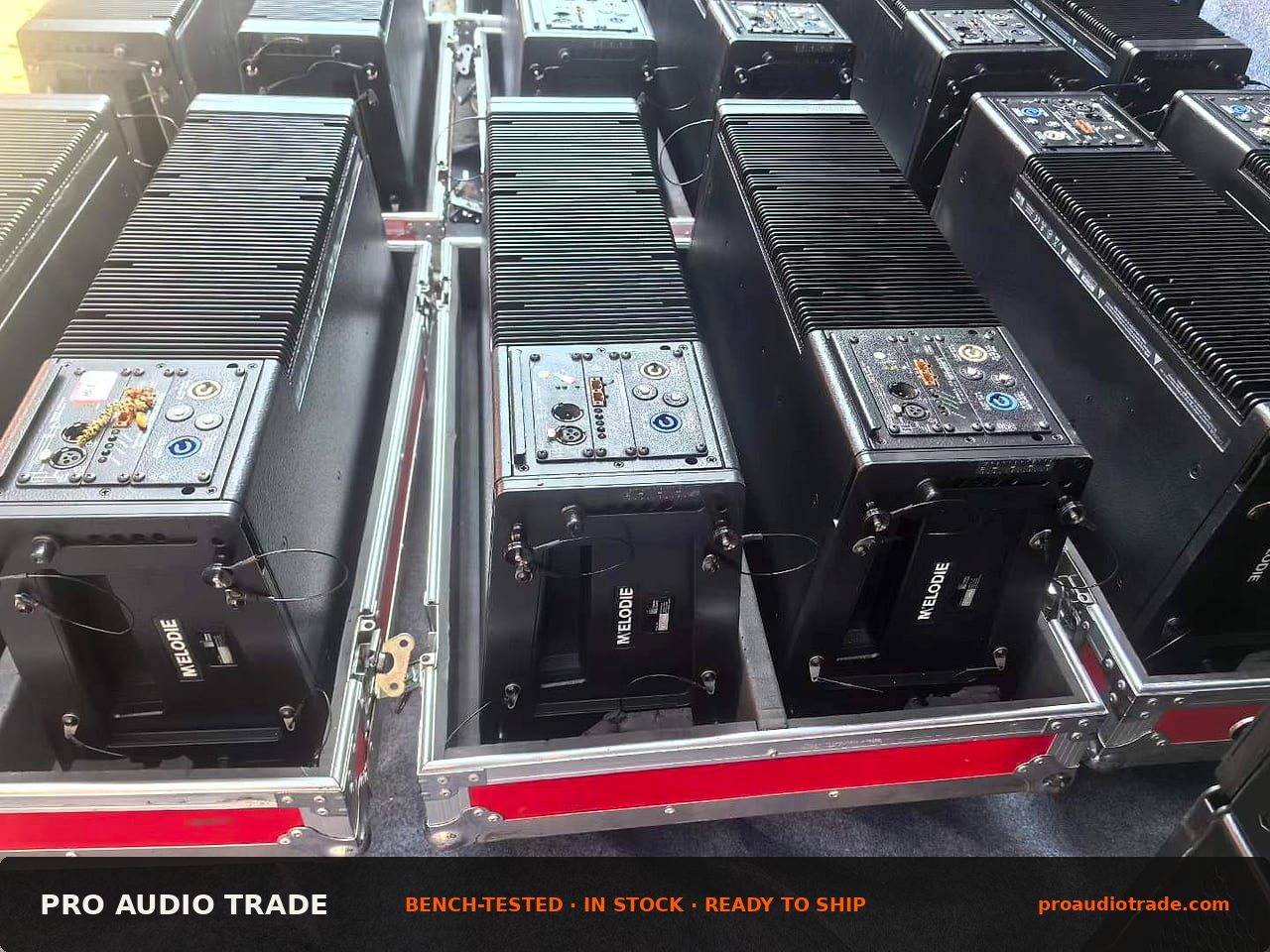
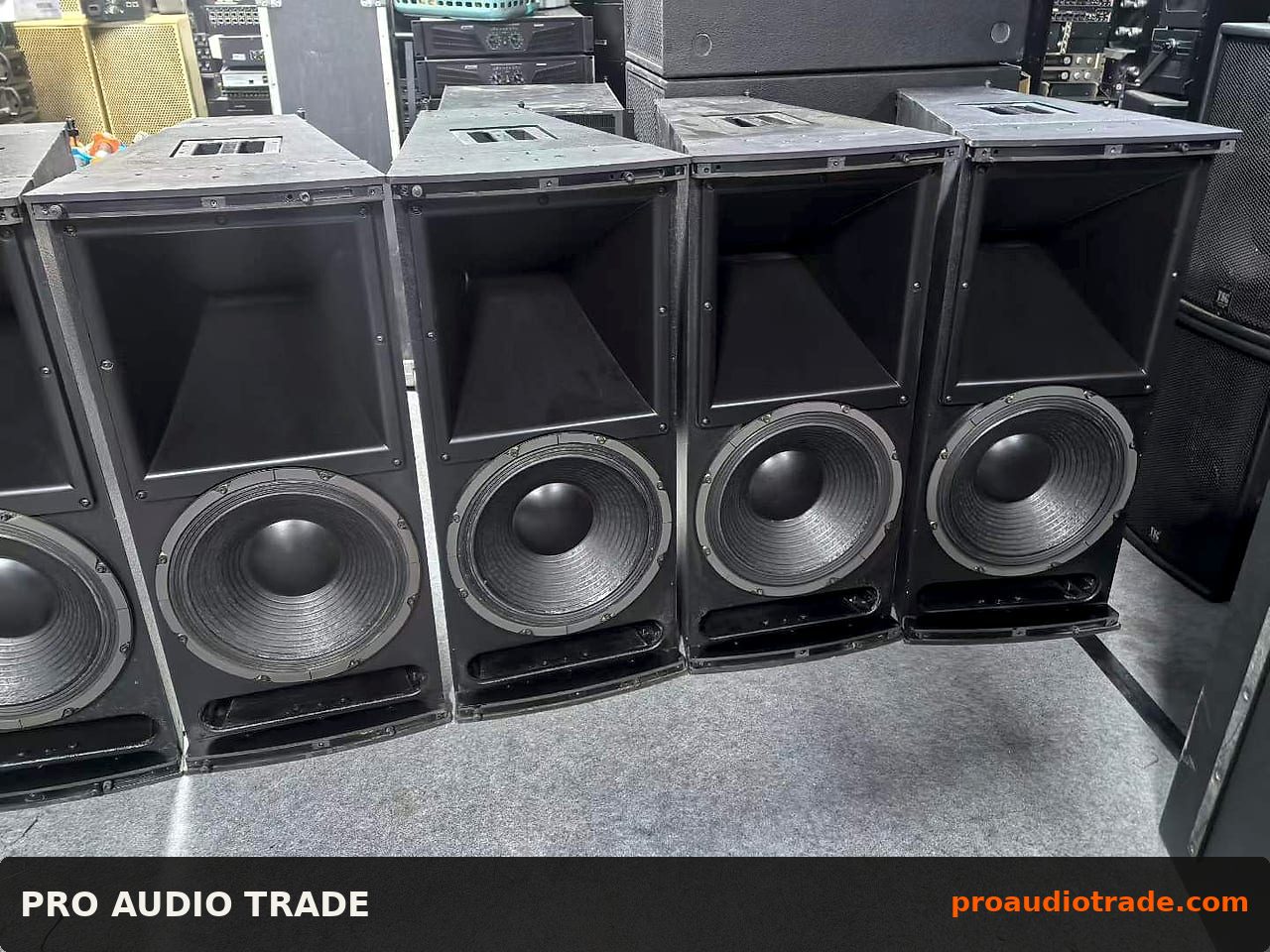
K-array KF12 01K-array KF12 02K-array KF12 03K-array KF12 04K-array KF12 05K-array KF12 06K-array KF12 07

Used Line Arrays

K-array KF12

K-array · KF12

Price on request
Grade A In stock

Type
Powered line array satellite
Connectors
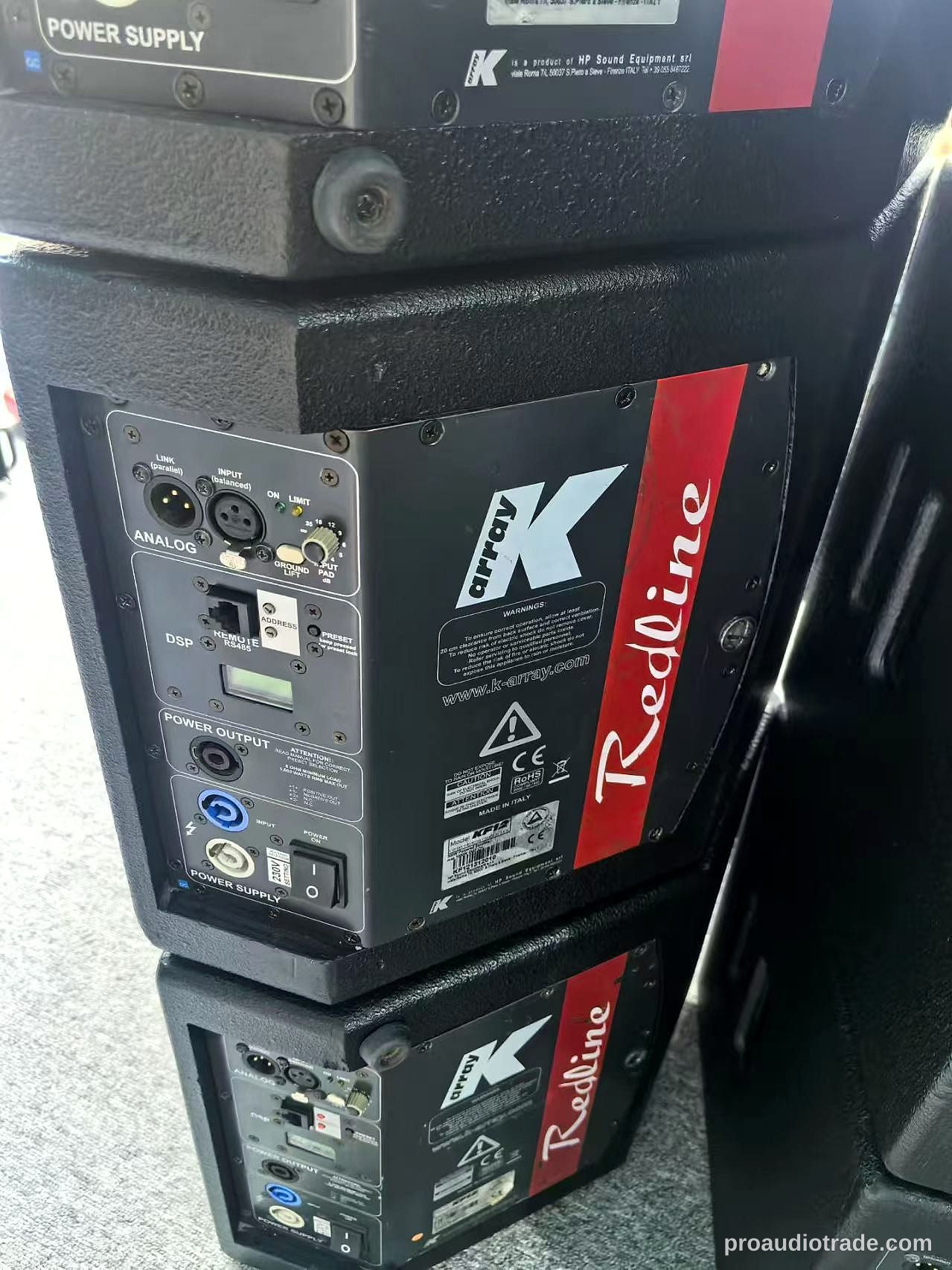
XLR analog in/link, RJ45 remote, PowerCON
Grille
Metal grille
Condition
B
Included
—
— Knowledge

Technical notes and buyer guidance

Used K-array KF12 for Sale: A Practical Buyer's Review for Pro Audio Wholesale

The K-array KF12 is a compact, high-output two-way loudspeaker that has earned a solid reputation in rental inventories and fixed installations where space is tight but SPL demands are real. For B2B buyers sourcing used stock, it represents a smart balance of Italian design, rider acceptability, and cost efficiency—if you know what to inspect and what to ask. This review cuts through the marketing and gives you the field-level detail you need before committing to a wholesale order.

The KF12 is a 12-inch two-way passive loudspeaker designed for both portable and installed use. In rental fleets, it typically serves as a front-fill, delay, or small main PA for corporate events, conference rooms, and intimate live stages. Its coaxial driver arrangement (a 12" woofer with a 1.4" compression driver mounted coaxially) gives it a predictable dispersion pattern and a form factor that disappears visually in architectural spaces. Integrators like it for houses of worship, museums, and boardrooms where the client wants hi-fi clarity without bulky boxes. Because it is passive, it pairs with a range of amplifiers, giving rental firms flexibility in rack design. The KF12 is not a rock-concert box—it is a precision tool for speech and light music at moderate distances. That said, its 128 dB peak SPL and 8-ohm impedance make it surprisingly capable for its size, and it arrays well with other K-array elements when you need wider coverage.

The KF12's coaxial design is its headline feature: a 12-inch neodymium woofer and a 1.4-inch compression driver share a single magnet assembly, which keeps the cabinet shallow and the phase response coherent. Frequency response is rated 55 Hz – 20 kHz (-6 dB), with a nominal coverage of 90° horizontal by 60° vertical—a pattern that works well for both short-throw mains and fills. Power handling is 400 W AES (800 W peak) at 8 ohms, and the peak SPL is 128 dB. The cabinet is plywood with a polyurea coating, and it ships with a pole mount and rigging points. For integration, the passive crossover is simple and robust, and the Speakon NL4 connectors are standard. One detail pros check: the KF12 is available in both black and white finishes, and the white version is often preferred for architectural installs. Also note that K-array offers dedicated presets for its own amplifiers, but the speaker works fine with third-party DSP if you know the crossover points. The 90° x 60° pattern means you can use it as a down-fill under a larger line array or as a standalone delay—just be aware that the coaxial source can exhibit slight HF beaming if you push it hard off-axis.

K-array KF12 Price Used: What Buyers Actually Pay and What to Check

The K-array KF12 is a compact, high-output line array element that has become a staple in rental inventories and fixed installations where sightlines and weight matter. For B2B buyers sourcing used stock, the question is rarely just "what does a used KF12 cost?" — it is whether the unit is a genuine bargain or a costly project. This guide breaks down real market pricing, the specs that matter for integration, a practical inspection checklist, and how to navigate a wholesale order without surprises.

The KF12 is a 12-inch, two-way line array module designed for medium-throw applications — corporate events, houses of worship, small-to-mid clubs, and as down-fill or side-fill in larger systems. Its value in a rental fleet is versatility: it rigs quickly, flies well in compact arrays, and covers a range of jobs that would otherwise require larger, heavier boxes. For integrators, it is a common choice for ballrooms, auditoriums, and multi-purpose spaces where the client wants premium sound without a visually intrusive rig. Used units are attractive because the model is mature, parts are generally available, and the performance gap between a well-maintained used box and a new one is often smaller than the price difference suggests.

When evaluating a used KF12, focus on the parameters that affect system design and long-term reliability. The 12-inch woofer and compression driver configuration delivers high SPL relative to size, but check that the driver part numbers match the current revision — older revisions may have different diaphragm assemblies. Sensitivity and power handling figures should be confirmed against the datasheet for the specific production year. Rigging hardware is critical: inspect the flyware, pins, and quick-release mechanisms for wear, because replacement rigging components are expensive and a compromised pin is a safety issue. Also verify the connector type and pinout — some units ship with different input panels depending on the market and production batch. For integration, confirm that the unit's dispersion pattern matches your array design; the KF12 is typically used in arrays where vertical coverage is controlled by the number of boxes and splay angles.

K-array KF12 vs Alternatives: A Used-Gear Buyer's Guide for Rental and Integration

The K-array KF12 is a compact, high-output line array element that has become a staple in rental inventories and fixed installations where sightlines and weight matter. For B2B buyers sourcing used professional audio gear, the real question is not whether the KF12 is good—it is—but whether it is the right used purchase compared with alternatives like the K-array KH12, the RCF HDL 6-A, the Nexo GEO M6, or the d&b audiotechnik V-Series. This comparison breaks down where the KF12 fits, what to inspect on a used unit, and how to evaluate total cost of ownership before you commit to a pallet.

The KF12 is a 12-inch, two-way line array module designed for medium-throw applications. In rental fleets, it typically serves corporate events, hotel ballrooms, and mid-sized outdoor stages where a full-size line array is overkill but point-source boxes lack pattern control. Integrators specify it for houses of worship, auditoriums, and transport hubs because its slim profile and rigging hardware allow discreet arrays that meet aesthetic and structural constraints. Compared with the KH12—a point-source companion—the KF12 offers superior vertical pattern control when arrayed, which matters in reverberant rooms. Against the RCF HDL 6-A, the KF12 is lighter and more compact per box but requires more planning for amplification and processing. The Nexo GEO M6 is a closer competitor in scale, though its rigging ecosystem and voicing differ. For buyers in CIS, the Middle East, South America, and Africa, the KF12's popularity means spare parts and rigging accessories are more readily available on the secondary market than for niche alternatives.

When comparing used KF12 units to alternatives, focus on specs that affect deployment, not brochure numbers. The KF12's 12-inch woofer and 1.4-inch compression driver deliver high SPL from a compact enclosure, but the real differentiator is the rigging system: K-array's proprietary hardware allows tight splay angles and quick assembly, which reduces labor costs on installs. Check the impedance and power handling against your existing amplifier inventory—K-array systems often use dedicated processing, so mixing with third-party amps can void performance. The KH12, by contrast, is easier to deploy as a standalone box but lacks the array scalability. The RCF HDL 6-A is self-powered, which simplifies rental logistics but adds weight and requires mains power at each position. For fixed installs, the Nexo GEO M6 offers similar form factor but different rigging; verify that your structural engineers can work with the available flyware. In used markets, always confirm that the rigging frames and pins are included—replacement hardware is expensive and often back-ordered.