Used Electro-Voice XLC127DVX for Sale: A Buyer's Review for Pro Audio Wholesale
If you are sourcing line array elements for rental fleets or installed systems in the CIS, Middle East, South America, or Africa, the used Electro-Voice XLC127DVX is a workhorse worth serious consideration. This three-way, dual-12" line array module was designed for medium-to-large venues and touring, and it remains a popular choice because of its rugged build, consistent coverage, and availability on the secondary market. For wholesale buyers, the XLC127DVX offers a compelling balance of rider acceptance and cost per box, especially when compared to newer flagship models that command premium prices. The key is knowing what you are buying and how to evaluate condition before committing to a bulk order.
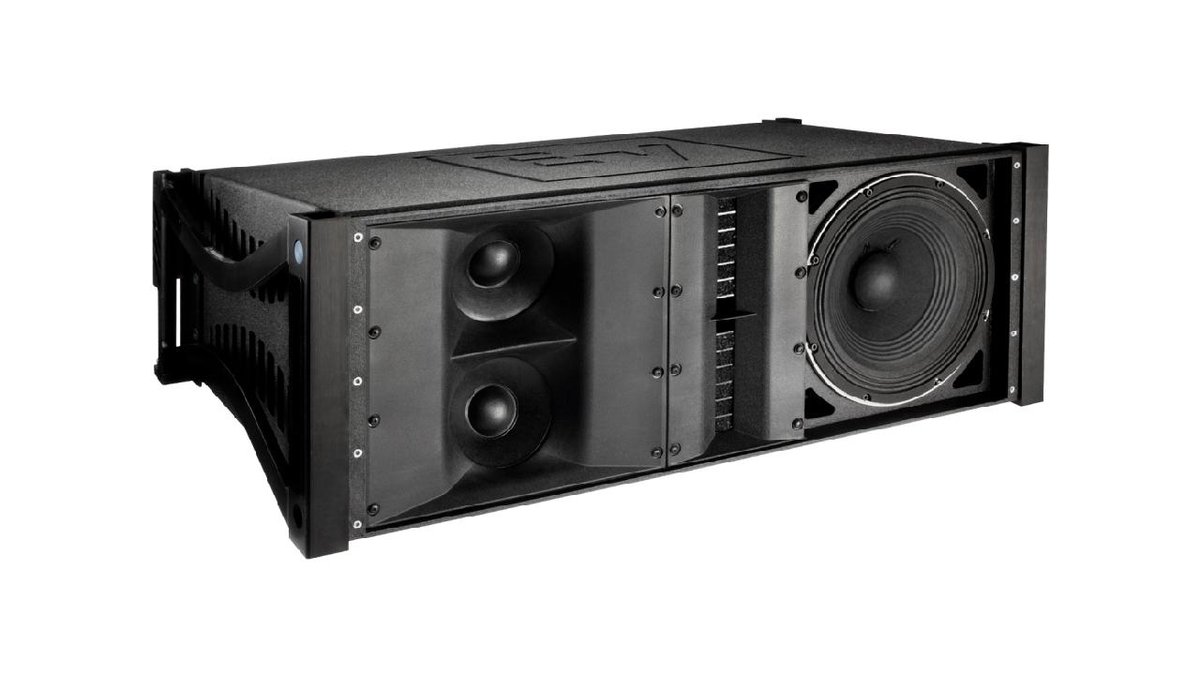
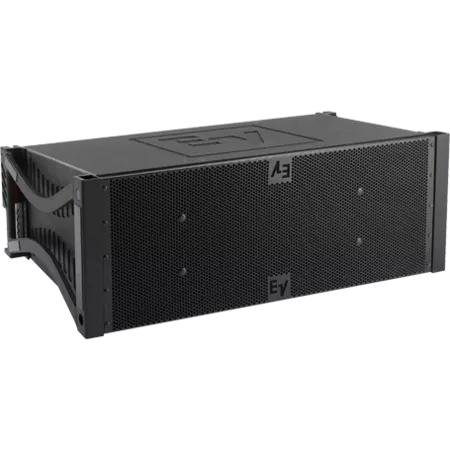
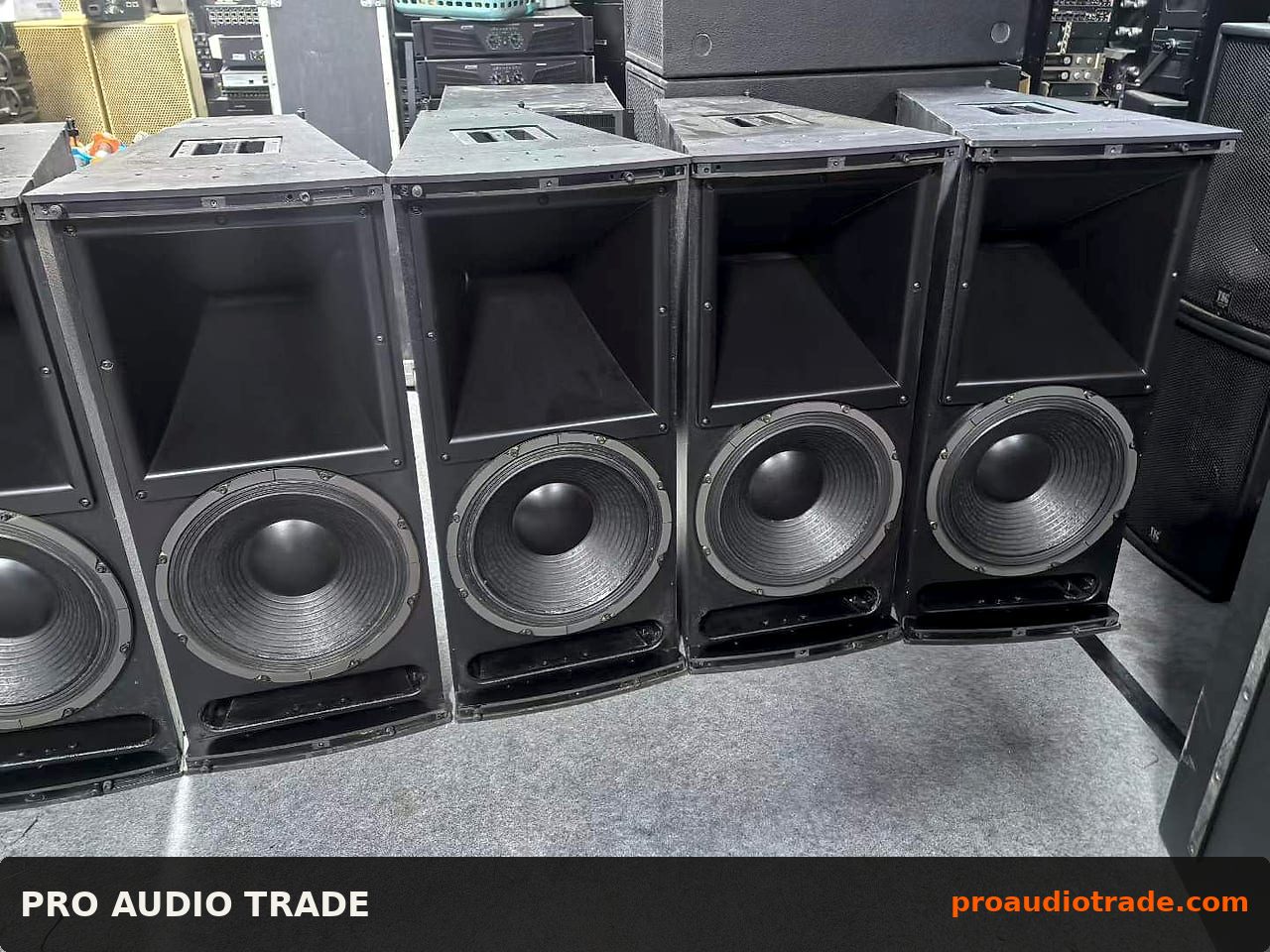
Key specifications set the XLC127DVX apart in its class. It features dual 12" DVX woofers, a 6.5" midrange driver, and a 3" titanium compression driver on a rotatable 90° x 6° waveguide, with rated power handling of 800W continuous (LF) and 200W (HF) and a maximum SPL of 138 dB per box. Compared to the smaller XLC907DVX, the 127DVX delivers more low-frequency output and is better suited for larger arrays; against the XLD281, it offers higher SPL but is heavier and less compact. In fixed ranking order for common wholesale scenarios: 1) XLC127DVX for high-SPL touring and large rental inventories; 2) XLC907DVX for compact arrays and corporate events; 3) XLD281 for installs where weight and rigging simplicity matter most. The 127DVX remains the top pick when rider compliance and output are priorities.
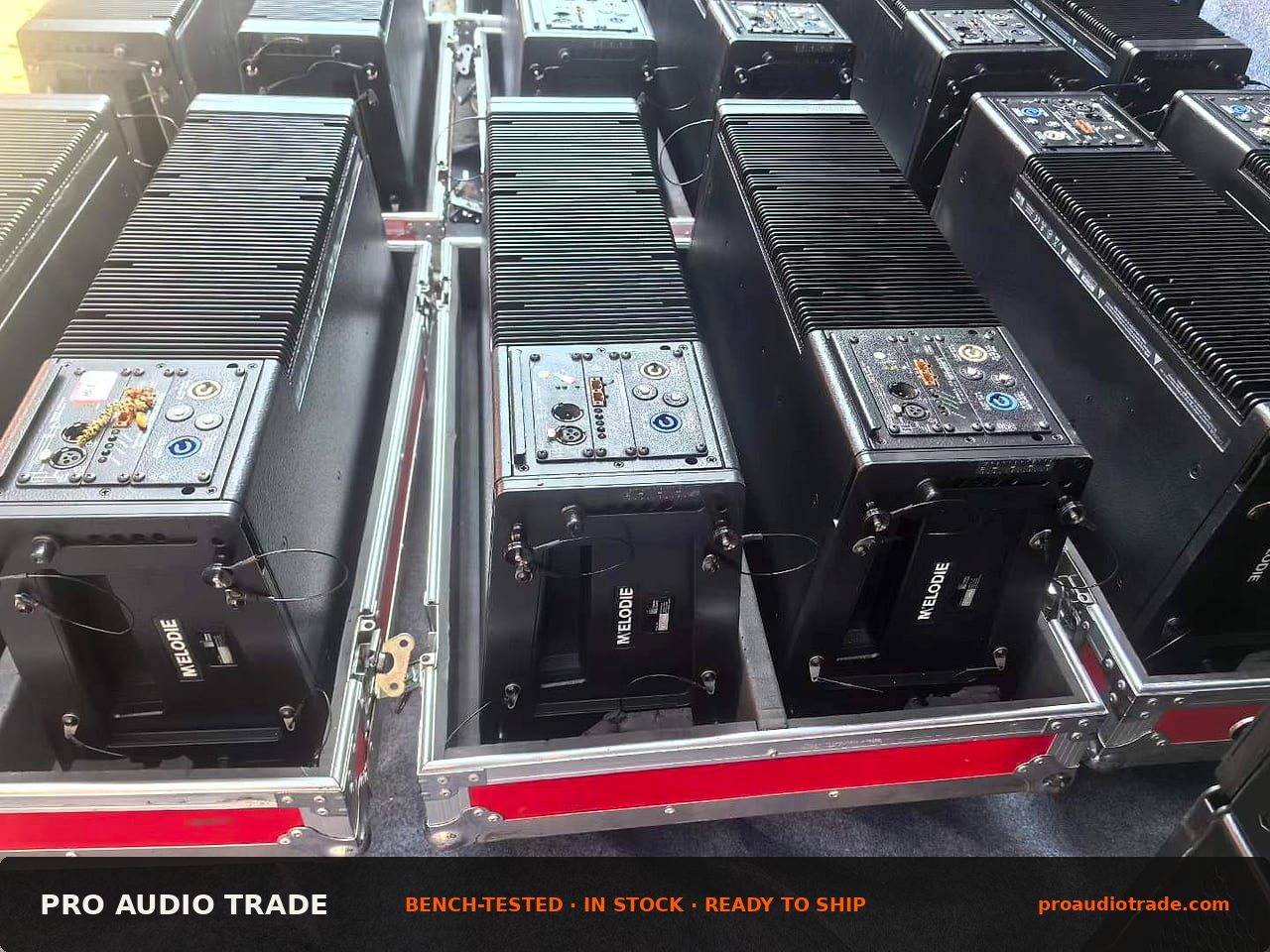
What to inspect on used units: first, check the DVX woofer cones for tears, voice coil rub, and proper impedance (typically 8 ohms per woofer). Second, test the 6.5" midrange and 3" HF driver for distortion and diaphragm condition—replacement diaphragms are available but add cost. Third, examine the rigging hardware, quick-release pins, and flyware for wear, bending, or missing parts, as rigging safety is non-negotiable. Fourth, verify the crossover network and input panel for corrosion or modified wiring. Fifth, inspect the cabinet for water damage, deep gouges, and grille dents. Finally, request a test report or arrange a bench test with pink noise and impedance sweep; bulk buyers should insist on photos of serial numbers and a short video of each box under load.