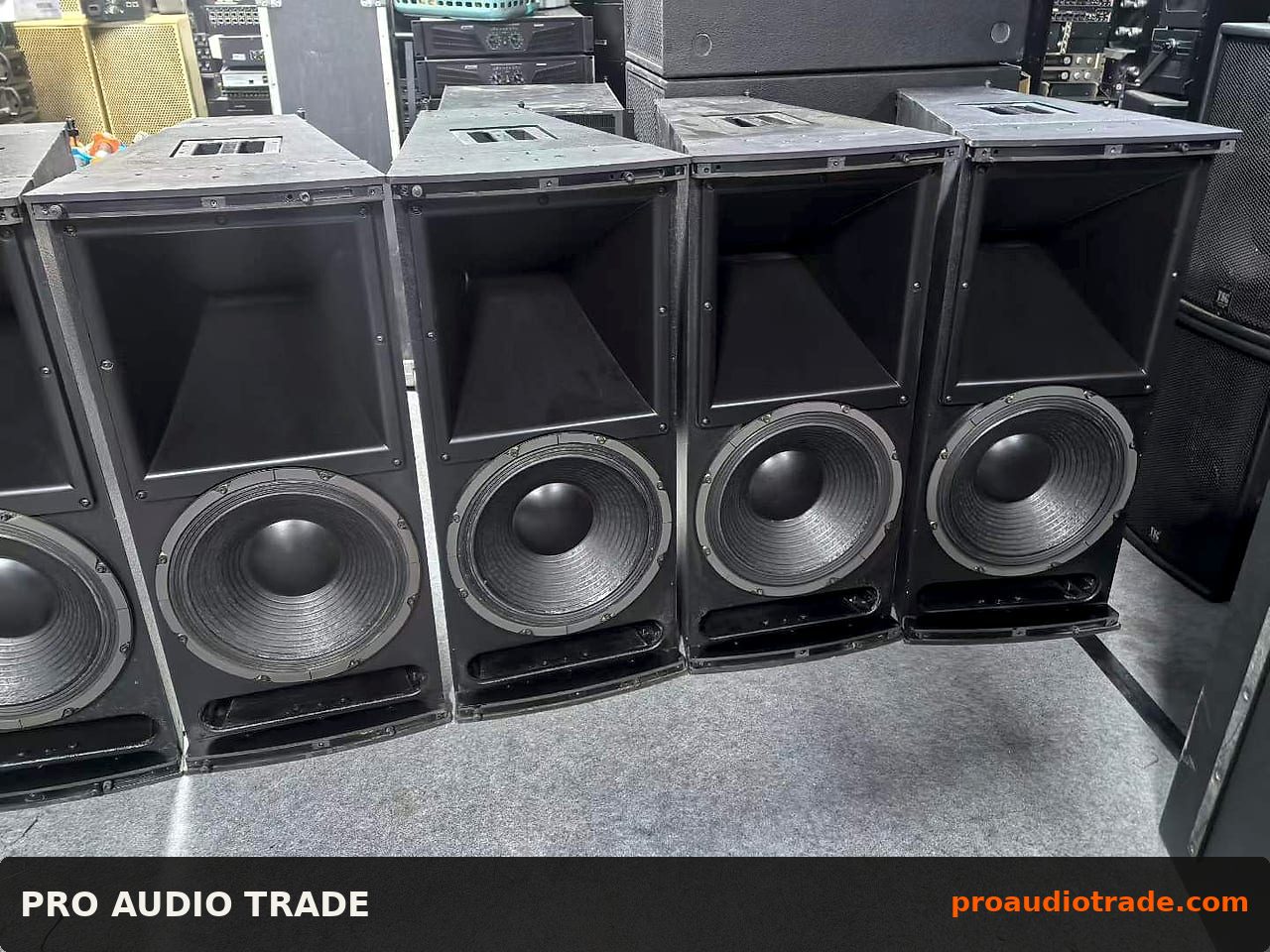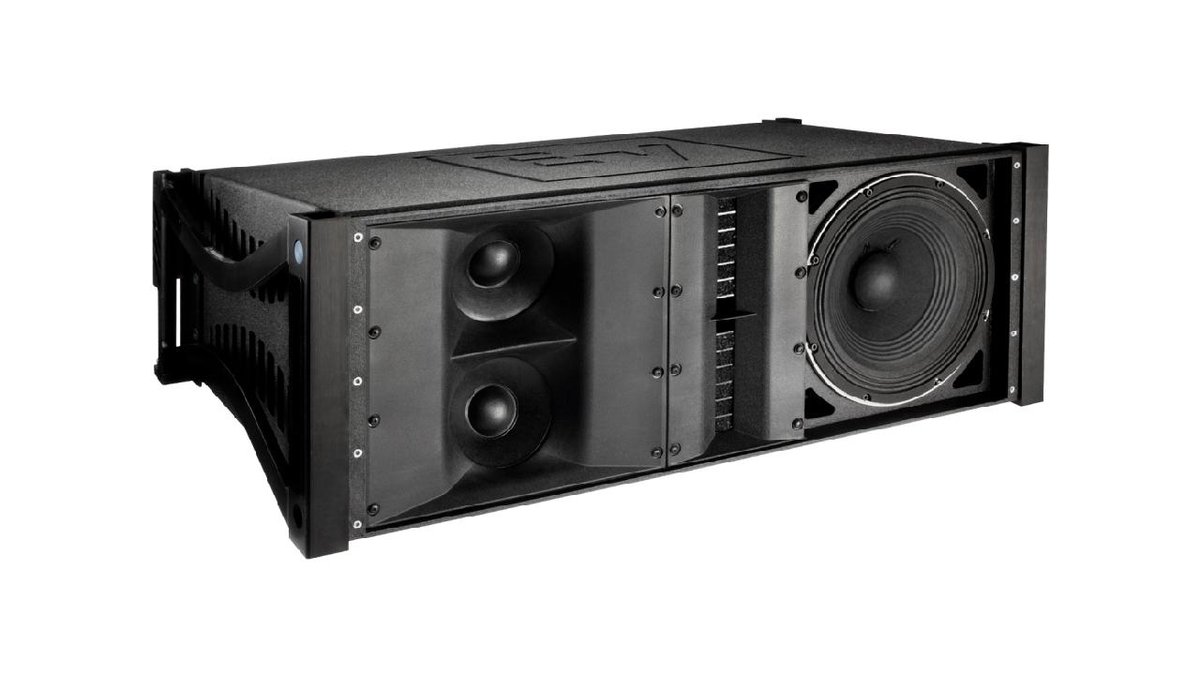
When you're sourcing used line array elements for rental fleets, installs, or touring, the Electro-Voice XLC127DVX often comes up as a workhorse option. It's a three-way, dual-12" box with a 90° horizontal coverage pattern, designed for medium-to-large venues and portable systems. But before you commit, it's worth comparing it against other used alternatives that might better fit your inventory, client base, and budget. This guide breaks down the key specs, ranks the options, and tells you what to inspect before you buy.
The XLC127DVX offers 90° x 6° coverage, a frequency range of 60 Hz–20 kHz, and handles 1000W continuous (AES) with a peak SPL around 138 dB. Its dual DVX3121 12" woofers and ND6-16 compression driver deliver solid vocal clarity and mid-bass punch. Compared to alternatives like the JBL VTX V20 (dual 10", 105° coverage, higher peak SPL but heavier), the RCF HDL 20-A (active, 100° coverage, simpler deployment), and the Nexo GEO S12 (dual 12", 120° coverage, very high output but pricier used), the XLC127DVX sits in a sweet spot for passive, high-output systems that need wide horizontal dispersion without excessive weight. The ranking below is based on value, rider acceptance, and parts availability in CIS, Middle East, South America, and Africa.
1. Electro-Voice XLC127DVX – Best overall for passive 90° systems; abundant used units, easy to service, strong rider acceptance in rental. 2. JBL VTX V20 – Higher output and brand recognition, but heavier and requires more amp channels; used prices are climbing. 3. RCF HDL 20-A – Active and self-powered, great for quick setups, but less flexible for large passive arrays and harder to repair in remote regions. 4. Nexo GEO S12 – Exceptional sound and 120° coverage, but used inventory is scarce and spare parts are expensive. For most buyers in emerging markets, the XLC127DVX wins on total cost of ownership and availability.
When inspecting used XLC127DVX units, check the woofer cones for tears or recone history, test the ND6-16 drivers for diaphragm fatigue (listen for harshness or dropouts), and verify the rigging hardware for bent pins or worn quick-release fittings. Also confirm the crossover network is original and ask for impedance sweeps. For alternatives, pay extra attention to amplifier compatibility (VTX V20 needs Crown I-Tech or similar), active module health (HDL 20-A), and proprietary connectors (GEO S12). Always request a test report and photos of serial numbers. Your next step: shortlist 2–3 units, request bench-test videos, and compare landed cost including shipping and any needed reconing. For bulk orders, ask about mixed pallets to save on freight.