When equipping a rental fleet or integrating a live sound system, used digital mixers for live sound offer a proven path to professional capability without the new-unit price tag. For audio engineers, rental firms, and integrators across the CIS, Middle East, South America, and Africa, the secondary market provides access to flagship consoles and mid-tier workhorses that have already survived real-world touring and installation duty. The key is knowing which models hold up, what specs matter for live use, and how to separate a solid deal from a money pit.
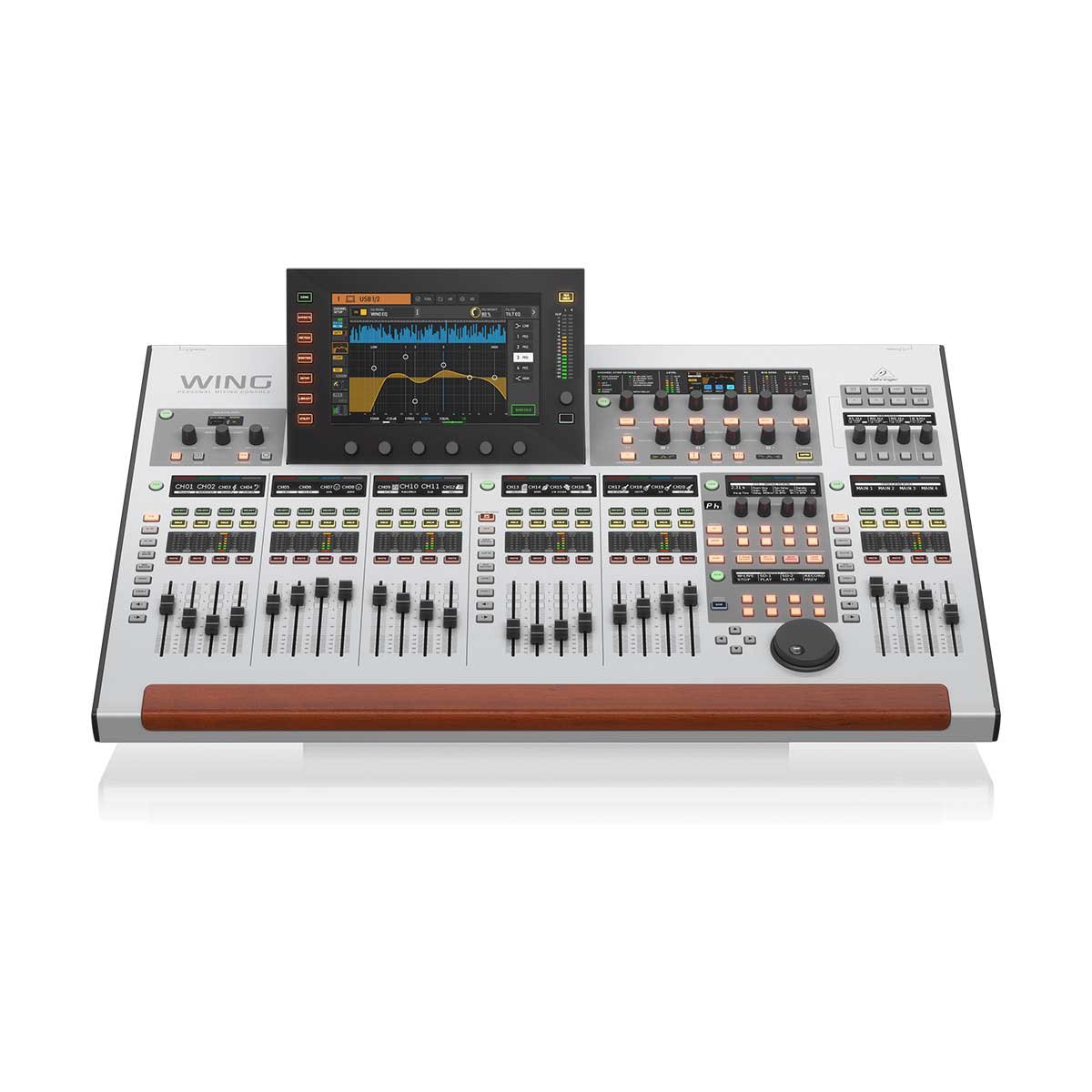
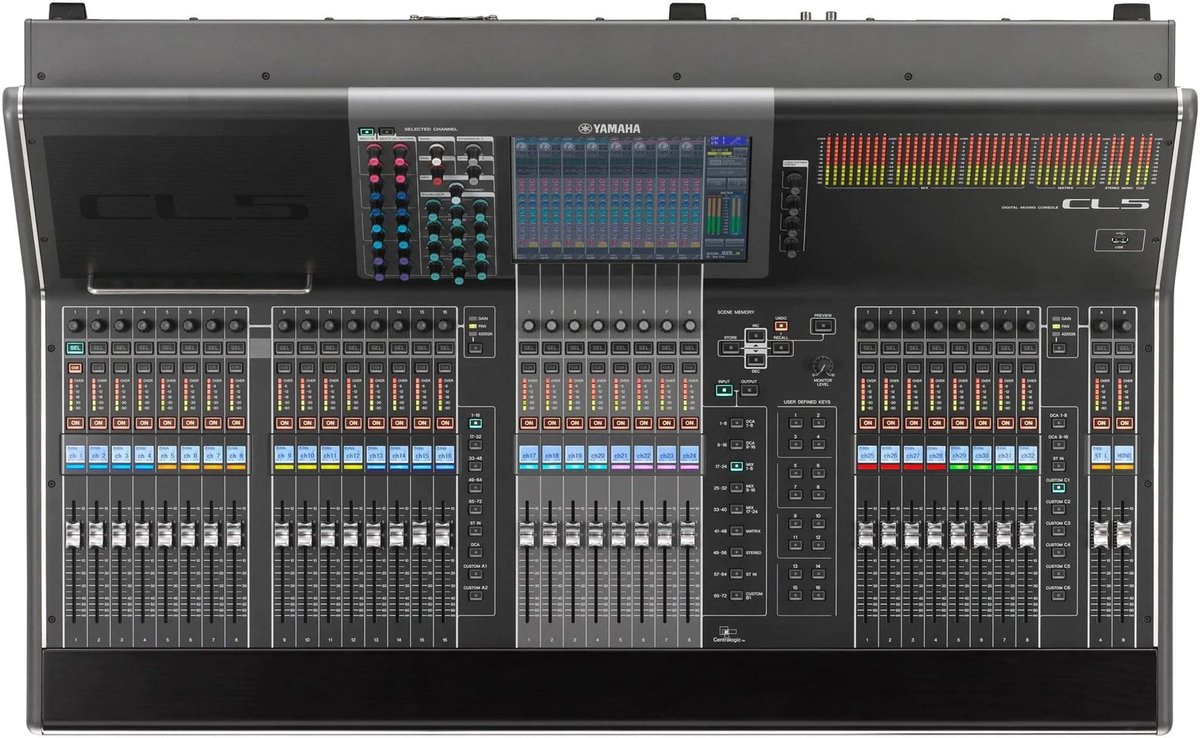
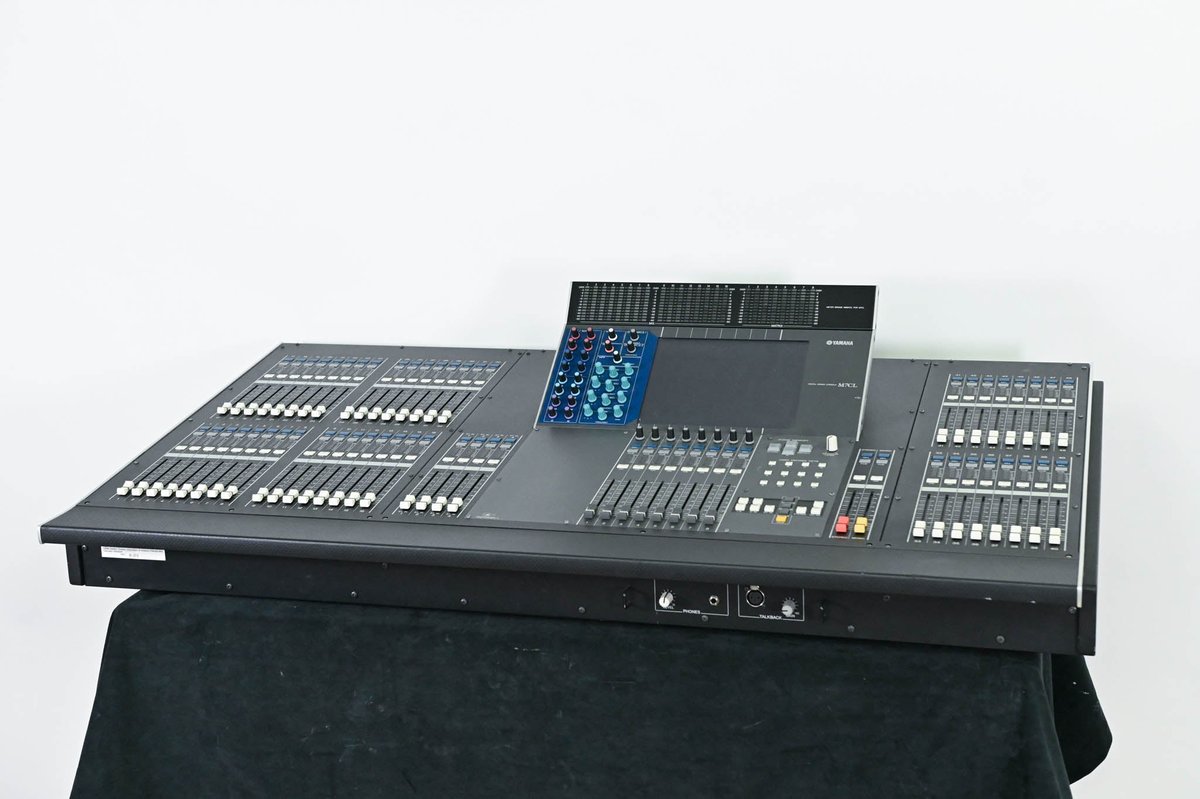
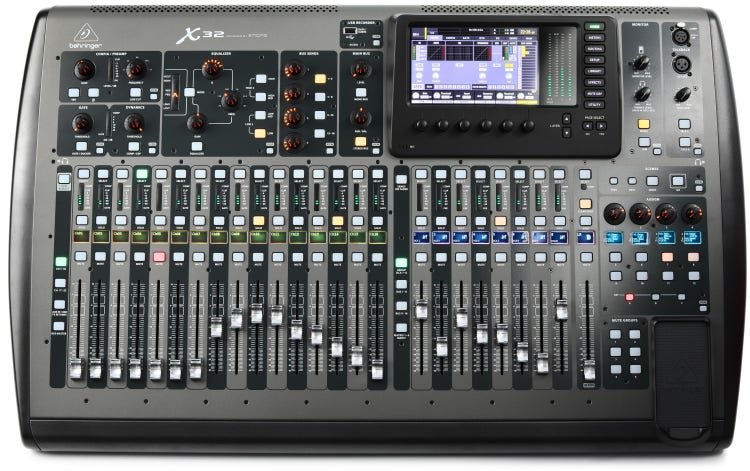
Start with channel count and I/O flexibility: a 32-channel frame with at least 16 local preamps and expandable Dante or AES50 networking covers most club and corporate work, while 48–64 channels suit festival and house-of-worship installs. Compare fixed rankings by reliability and parts availability: the Allen & Heath SQ-5 and sq-6/">SQ-6 remain top picks for their 96kHz processing and stable firmware; the Yamaha CL5 and QL5 are industry standards with deep scene recall and Dante integration; the Midas M32 and Behringer X32 family dominate the budget-to-mid tier with abundant spares and shared architecture; the DiGiCo SD series is the premium choice for large-scale tours but demands careful service-history checks. Prioritize models with ongoing manufacturer support and widely available fader banks, encoders, and PSUs.
Inspection is where wholesale buyers protect their margin. Power up the console and test every fader, encoder, and touchscreen for dead zones or drift; run a signal through all local inputs and outputs, checking for noisy preamps or failed relays. Verify firmware version and confirm that the unit accepts the latest update without errors. Inspect the rear panel for bent XLR pins, damaged etherCON ports, and evidence of liquid damage or excessive heat. Ask for the service history: recap work, fader replacement, and PSU swaps are common on older units and should be documented. For networked consoles, confirm that Dante or AES50 cards are included and functional, since replacement cards can add significant cost.
Before committing to a wholesale lot, request a video walkthrough of the boot sequence and a live signal test, and insist on a DOA (dead-on-arrival) guarantee of at least 14 days. Confirm that the seller provides the original or compatible PSU and that the console ships in a proper road case or double-boxed crate. For rental firms, factor in the cost of a spare fader bank and a backup PSU per unit—these are the most common failure points in live use. With disciplined inspection and a clear return policy, used digital mixers for live sound can deliver reliable, rider-friendly performance at a fraction of new pricing.
What should I check first when buying a used digital mixer for live sound? Start with the faders and encoders—test every one for smooth travel and accurate response—then run signal through all local inputs and outputs. Confirm firmware is current and that the unit boots without errors, and verify that any networking cards (Dante, AES50) are included and functional.
Are used digital mixers reliable enough for rental fleets? Yes, if you choose models with strong parts availability and documented service history. The Allen & Heath SQ series, Yamaha CL/QL, and Midas M32/Behringer X32 family are common rental choices because spares and service knowledge are widespread. Always budget for a spare PSU and fader bank per unit.