Buying a used audio mixing console is one thing; getting it from a warehouse in Berlin to a rental house in Almaty or a church in Lagos is another. The freight, customs and documentation side often decides whether a deal is a bargain or a headache. This guide covers what actually matters when you import used audio mixing consoles across the CIS, Middle East, South America, Africa and the EU.
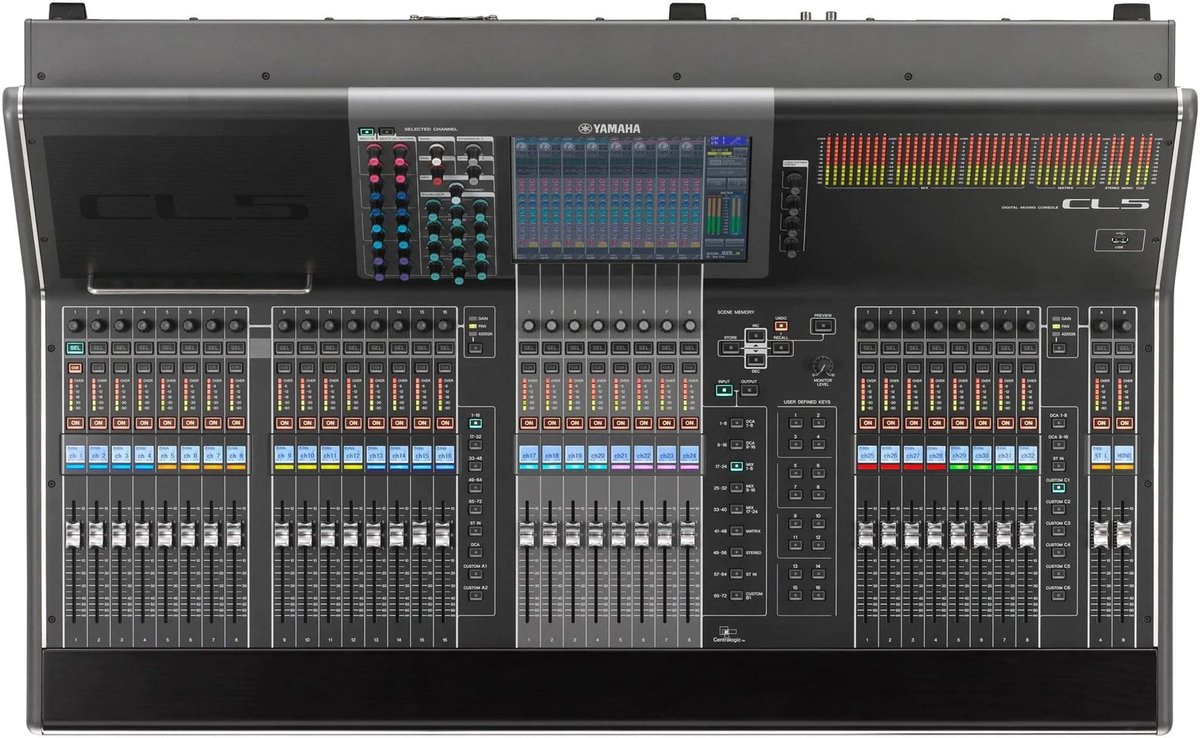
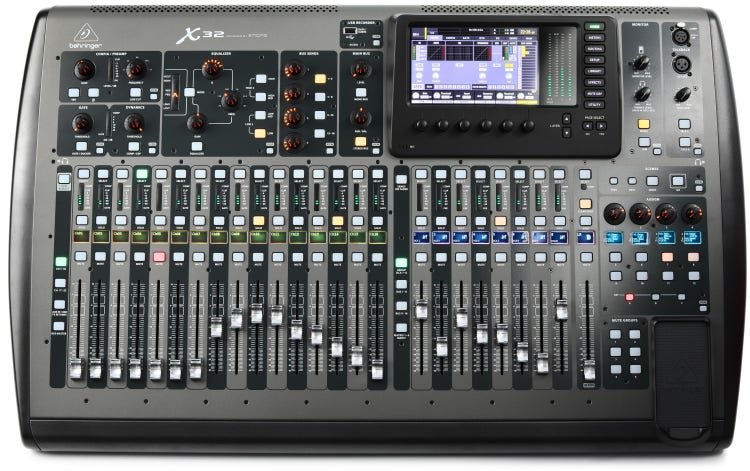
Start with packing and freight mode, because consoles are heavy, fragile and often have awkward dimensions. A mid-size digital desk like the Behringer X32 weighs around 20 kg in its road case, while a large-format analog or digital console such as the Yamaha CL5 can exceed 100 kg with the flight case. For single units, air freight is common but expensive—expect $300–600 from Europe to the Gulf for a 50 kg console on a pallet. For multiple consoles or a full rental inventory, LCL sea freight is cheaper per unit but adds 4–8 weeks and requires export crating. Always insist on original flight case or double-wall cardboard with foam corners; couriers treat “fragile” labels as decoration. Remove the power supply or secure it internally if it is a separate unit, and tape down faders and knobs.
Customs classification and duties vary widely, and misclassification is the most common delay. Used mixing consoles typically fall under HS code 8543.70 or 8518.40 depending on function and country. In the EU, import duty for professional audio equipment is often 0–2%, but VAT (19–21%) applies on the CIF value plus freight. In the GCC, a 5% common customs tariff is standard, though Saudi Arabia and the UAE may add fees. Russia and Kazakhstan apply EAEU rates—usually 0–5% for audio mixers—but used goods can attract a 20% VAT unless the importer is VAT-registered. Brazil is the outlier: import duties can reach 60% on declared value, plus state ICMS. Always get a written landed-cost estimate before you commit.
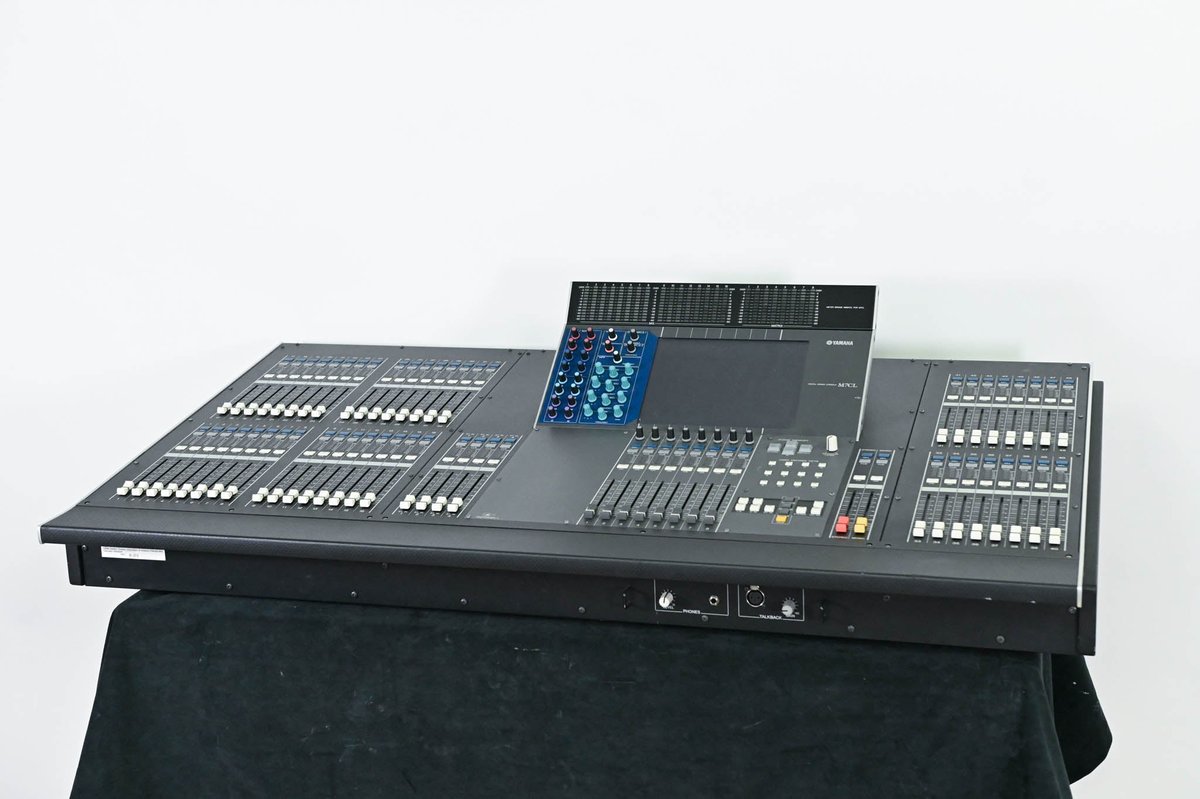
Documentation is where deals die. You need a commercial invoice, packing list, bill of lading or airway bill, and a certificate of origin. For used gear, customs officers increasingly ask for a condition report or proof of prior use to avoid treating the item as new. If you are shipping a Yamaha M7CL-48, include the serial number, year of manufacture and a photo of the console powered on. For the EU, a CE declaration or at least a statement of conformity helps; for the US, UL or equivalent is not legally required for import but buyers ask. In the CIS, a customs broker is almost mandatory—budget $150–400 per shipment. In Nigeria and Kenya, pre-shipment inspection (SONCAP, PVoC) can add $200–500 and two weeks.
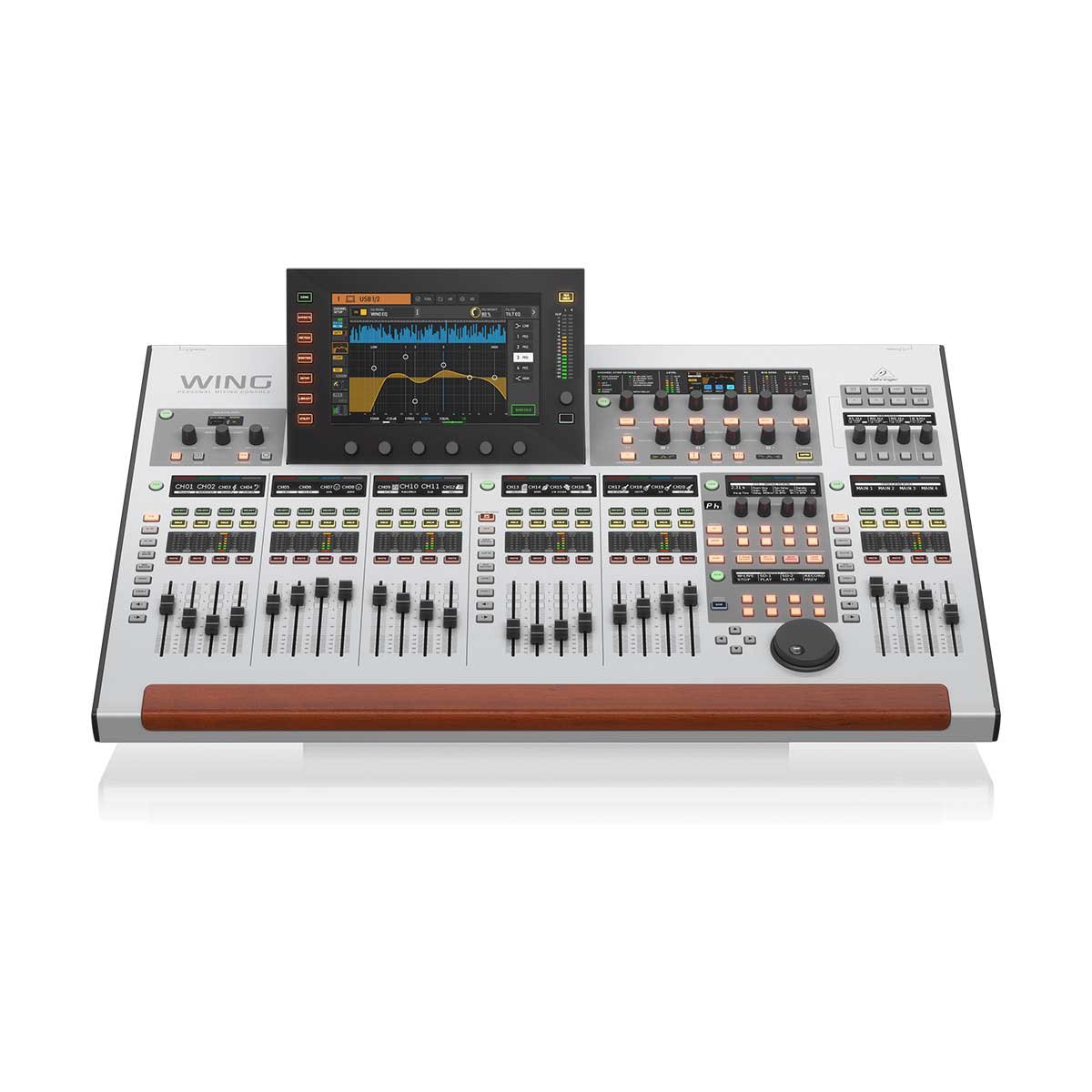
Voltage and plug standards are not paperwork, but they cause returns. The Behringer Wing and X32 are switch-mode and accept 100–240 V, so they travel well. The Yamaha CL5 is typically 100–240 V as well, but older analog consoles may be fixed at 120 V or 230 V. Confirm the label before shipping. In the Middle East and CIS, 220–240 V at 50 Hz is standard; Brazil uses 127/220 V with different plugs. A step-down transformer costs $80–150 and is cheaper than a blown PSU. Ask the seller for a photo of the voltage label and a short video of the console booting.
Servicing reality affects resale and customs value. Digital consoles are generally more reliable than analog, but spare parts for older models are drying up. A used Yamaha M7CL-48 may need a new fader board ($300–600) or a replacement screen. The Aviom A360 Personal Mixer is simpler but its network cards can fail. When importing, factor in a 10–15% contingency for service. Rental firms in the CIS and Africa often prefer consoles with known service history and local technician support. If you are buying from a dealer, ask for a service log and a 30-day warranty; if private, assume as-is.
Closing takeaway: treat freight and customs as part of the purchase price, not an afterthought. Get a landed-cost quote, confirm voltage, and insist on proper crating. A console that arrives intact and clears customs is worth more than a slightly cheaper one stuck in a bonded warehouse.