In professional audio, the mixer is the nerve center of any live or installed system. For rental firms, integrators, and engineers across the CIS, Middle East, South America, and Africa, a used audio mixer can deliver flagship routing and processing at a fraction of the new price—provided you know what to inspect, what to ask, and how to evaluate total cost.
The Role and Value of Used Audio Mixers in Rental and Venue Inventory
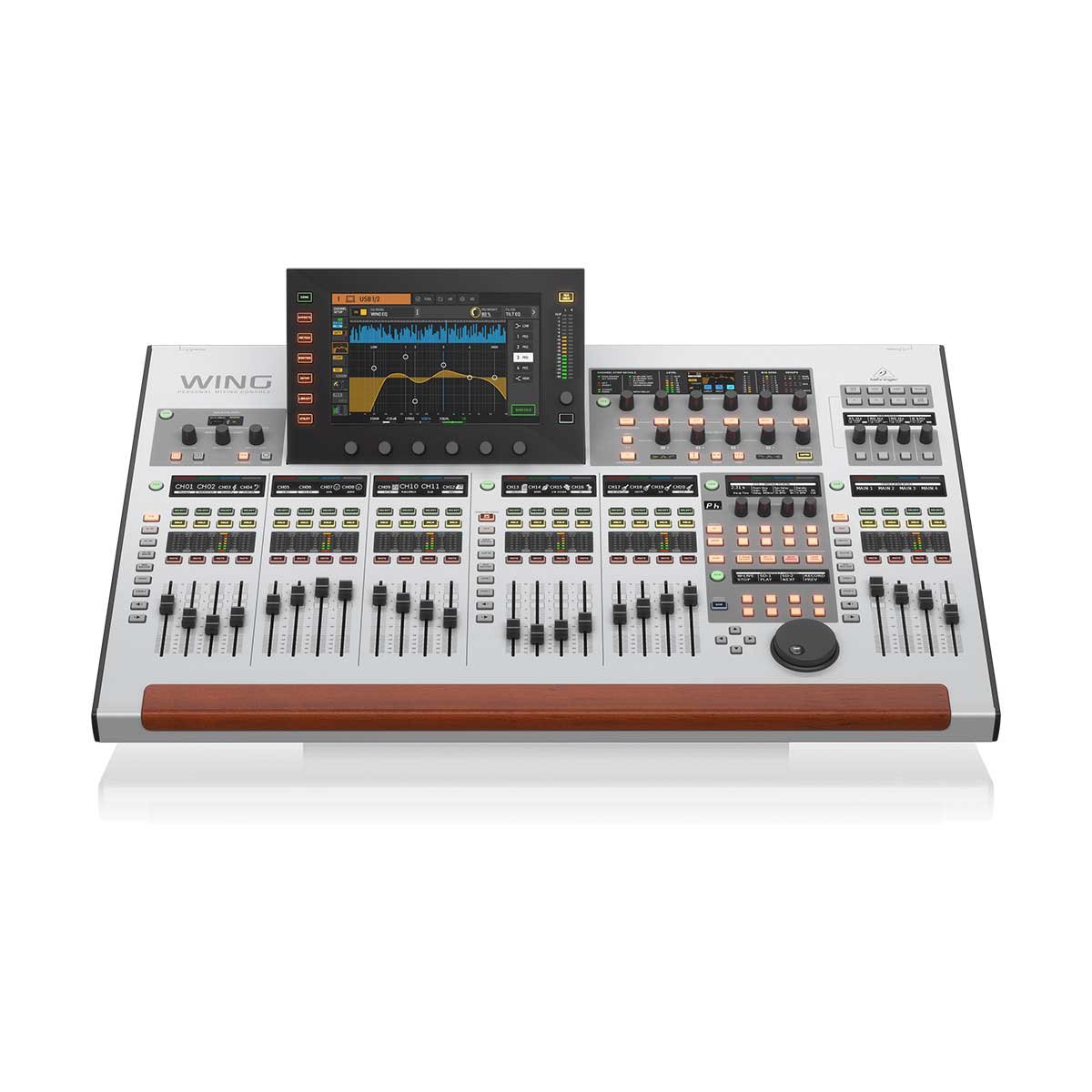
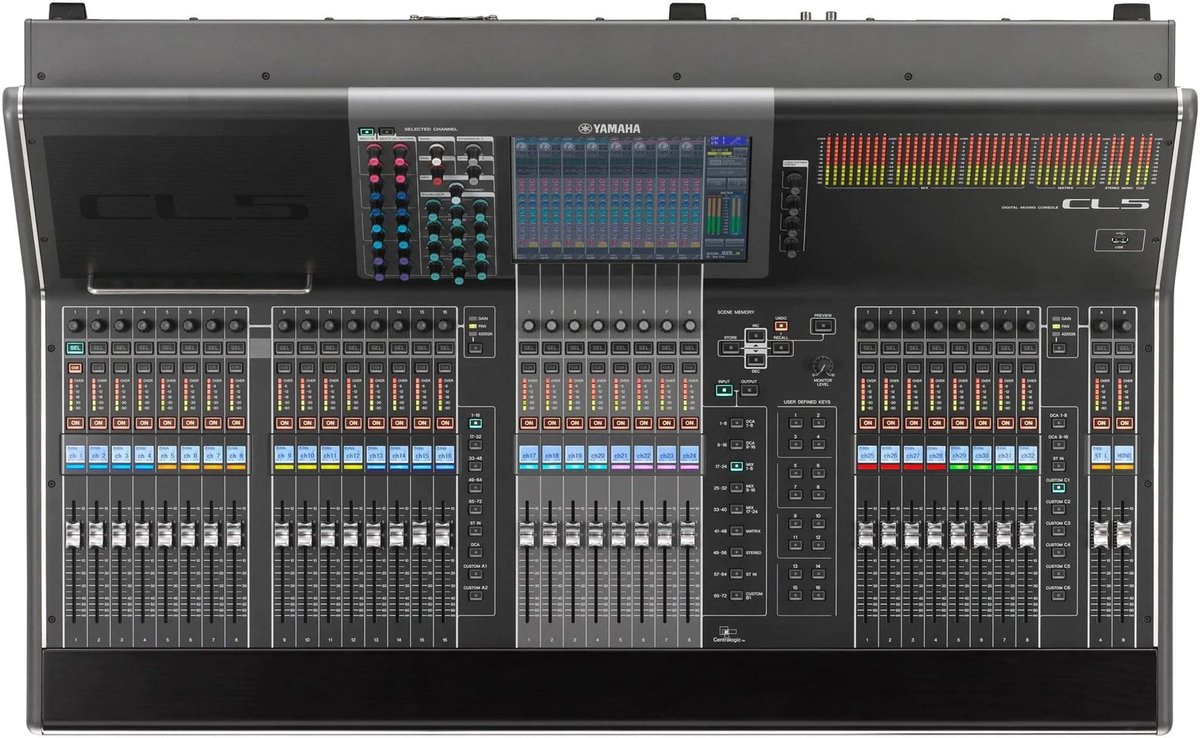
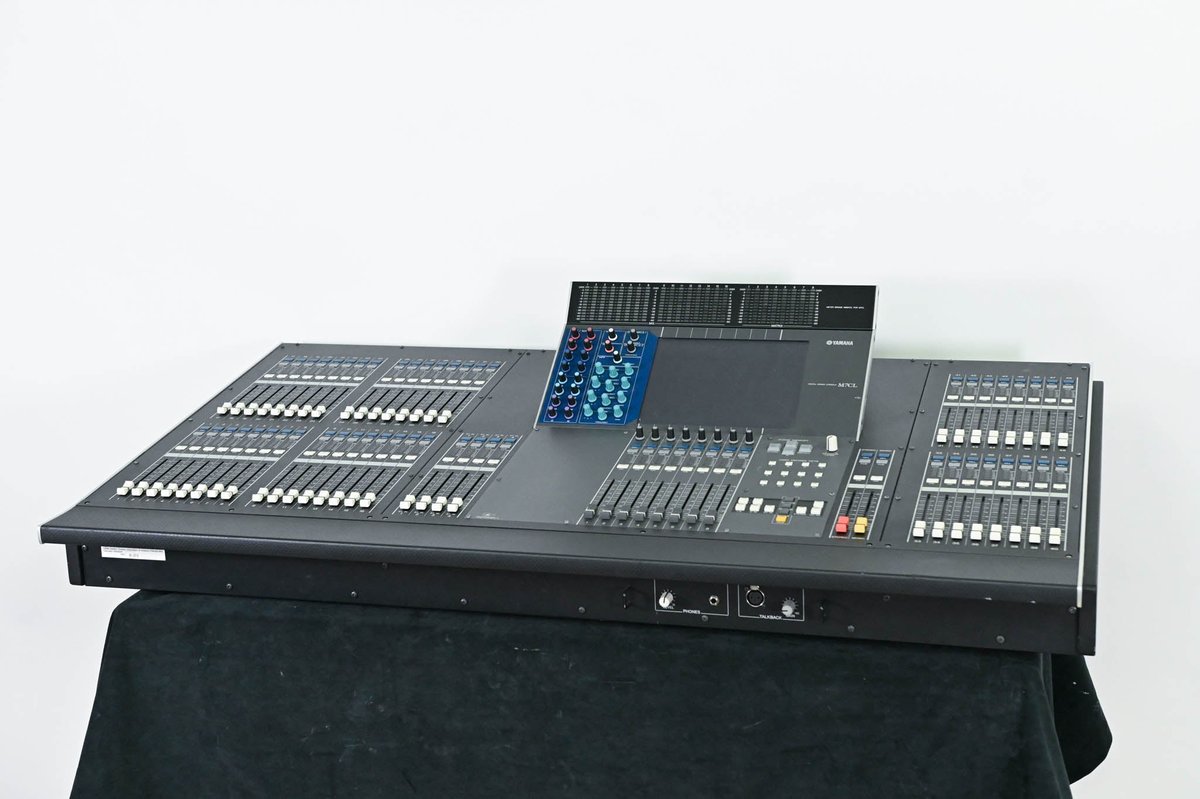
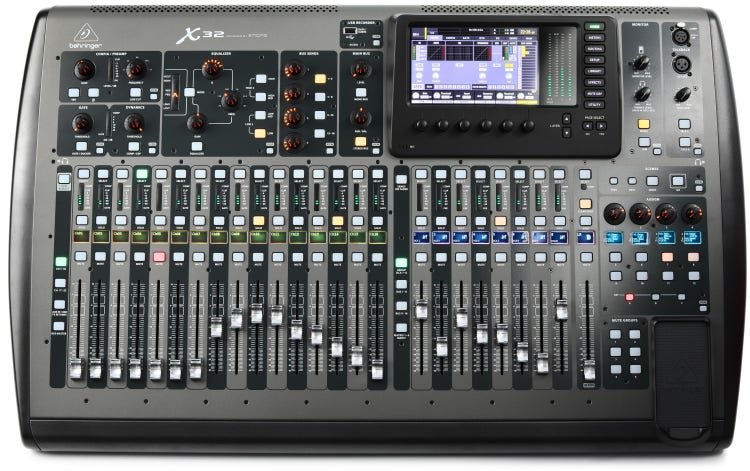
Used mixers are the backbone of value-tier rental stock. A well-chosen analog console (e.g., Allen & Heath GL series, Soundcraft GB series, Midas Venice) remains a workhorse for corporate AV, houses of worship, and small clubs where digital recall is not required. On the digital side, older but capable platforms—Yamaha 01V96, Midas M32, Behringer X32, Allen & Heath Qu series—are still rider-acceptable in many markets and integrate easily with stage boxes and personal monitoring systems. For integrators, used mixers are ideal for fixed installs in hospitality, education, and retail where budget caps are tight but channel count and reliability matter. Rental firms often keep a mix of analog for quick-turn events and digital for multi-band festivals; used stock lets them scale without locking capital into depreciating new units.
Key specs that matter for integration work (Key part)
Channel count and bus architecture top the list: count mic preamps, aux sends, subgroups, and matrix outputs against your typical show file. Digital mixers must be evaluated on sample rate (48 kHz is standard; 96 kHz matters for premium riders), latency, and expansion card slots (Dante, AES50, MADI, USB). Check whether the unit supports remote stage boxes and personal monitoring—this affects cable runs and labor costs. For analog consoles, inspect the power supply design (external vs. internal), ground-lug integrity, and whether the PSU is original or a third-party replacement. Also verify firmware version and availability of editor software; an orphaned digital mixer with no supported OS can become a liability. Finally, confirm connector types (XLR, TRS, DB25) and physical depth/weight for rack or flight-case integration.
Used Audio Gear Buyer’s Guide: What to Inspect and Ask Before Purchasing
Begin with a comprehensive functional test report verifying that all channels pass signal, faders and encoders operate smoothly, and aux/bus routing functions as expected. Next, request visual proof—a photo or video showing the console powered on with its display and all LEDs fully active, as older digital units frequently suffer from dead pixels or failing backlights.
Price context and total cost of ownership
Used mixer pricing varies widely by region and condition. A used analog console might list at 30–50% of its original street price, while popular digital mixers hold 40–60% depending on firmware and card options. Factor in freight: mixers are heavy and bulky, so sea freight for wholesale lots is common, but air freight may be necessary for urgent single units. Import duties and VAT vary by country; confirm HS codes and incoterms. Total cost of ownership includes recapping or servicing (budget 5–15% of purchase price for analog), replacement faders, and potential firmware updates. Compare against new entry-level digital mixers—sometimes a used mid-tier console is a better long-term buy than a new budget unit, but only if service documentation and parts availability are solid. For rental firms, calculate payback per event: a used mixer that rents 20 times per year can pay for itself in one season.
A used audio mixer is a smart B2B purchase when you buy tested stock, verify service history, and plan for freight and minor servicing. Focus on channel count, bus architecture, and expansion options that match your deployments, and insist on per-unit test reports. With the right due diligence, used mixers deliver reliable performance and strong ROI for rental fleets and integration projects across emerging and established markets alike.