When you buy a used 8 channel mixer from a wholesale marketplace, the real work starts after you agree on the price. Packing, freight, customs classification, duties and import paperwork vary wildly between Almaty, Dubai, São Paulo and Lagos, and a cheap console can double in landed cost if you get the documentation wrong. This guide walks through the practical side of moving used audio gear across borders, with the kind of detail that saves you a week at customs and a few hundred dollars in surprise fees.
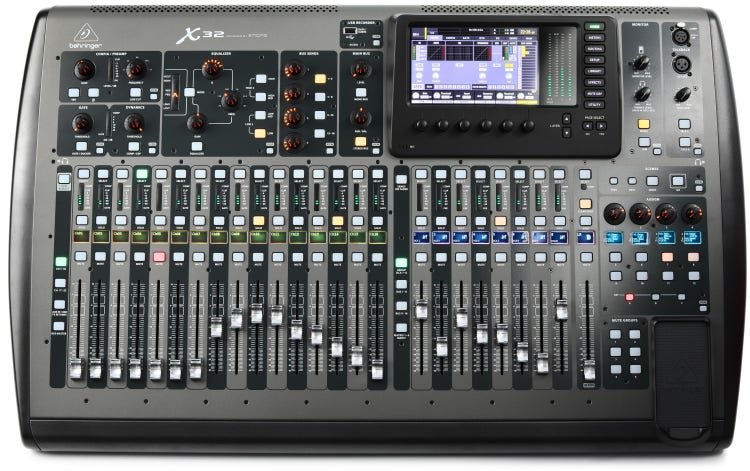
Start with packing and freight mode, because a used 8 channel mixer is a fragile, heavy box that freight forwarders love to mishandle. A small analog console like a Behringer X32 (yes, it's 32 channels, but the same packing logic applies to compact 8-channel units) ships best in a double-wall carton with 5 cm of foam on all sides, or in a road case if the seller has one. For a single mixer under 30 kg, air freight via DHL or FedEx from Europe to the Gulf runs roughly $180–$350 depending on volume weight; sea LCL to West Africa or South America is cheaper per kilo but adds 30–45 days and port handling fees. Always ask the seller for photos of the actual packing before dispatch, and insist on shock indicators if the unit has motorized faders or a fragile display.
Customs classification is where most buyers lose money, so get the HS code right before you ship. Used mixing consoles generally fall under HS 8543.70 or 8518.40 depending on the country's tariff schedule, and the difference matters: in the Eurasian Economic Union, used professional audio gear can attract import duty of 5–15% plus 20% VAT, while the UAE often applies a flat 5% duty with no VAT on re-export goods. Brazil is the outlier — expect 60%+ in combined taxes on declared value, so a $900 used 8 channel mixer can land at $1,500. Ask your broker for a written duty estimate before you commit, and never under-declare: customs in Nigeria, Egypt and Russia routinely re-assess based on their own price databases.
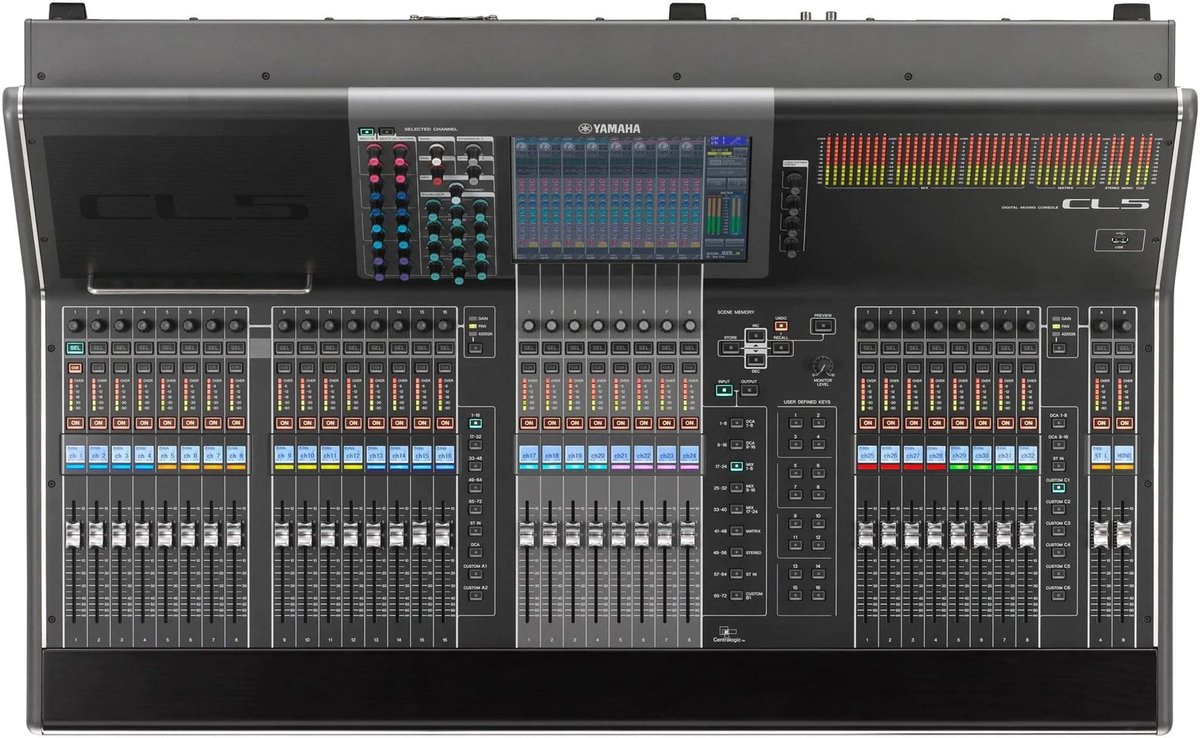
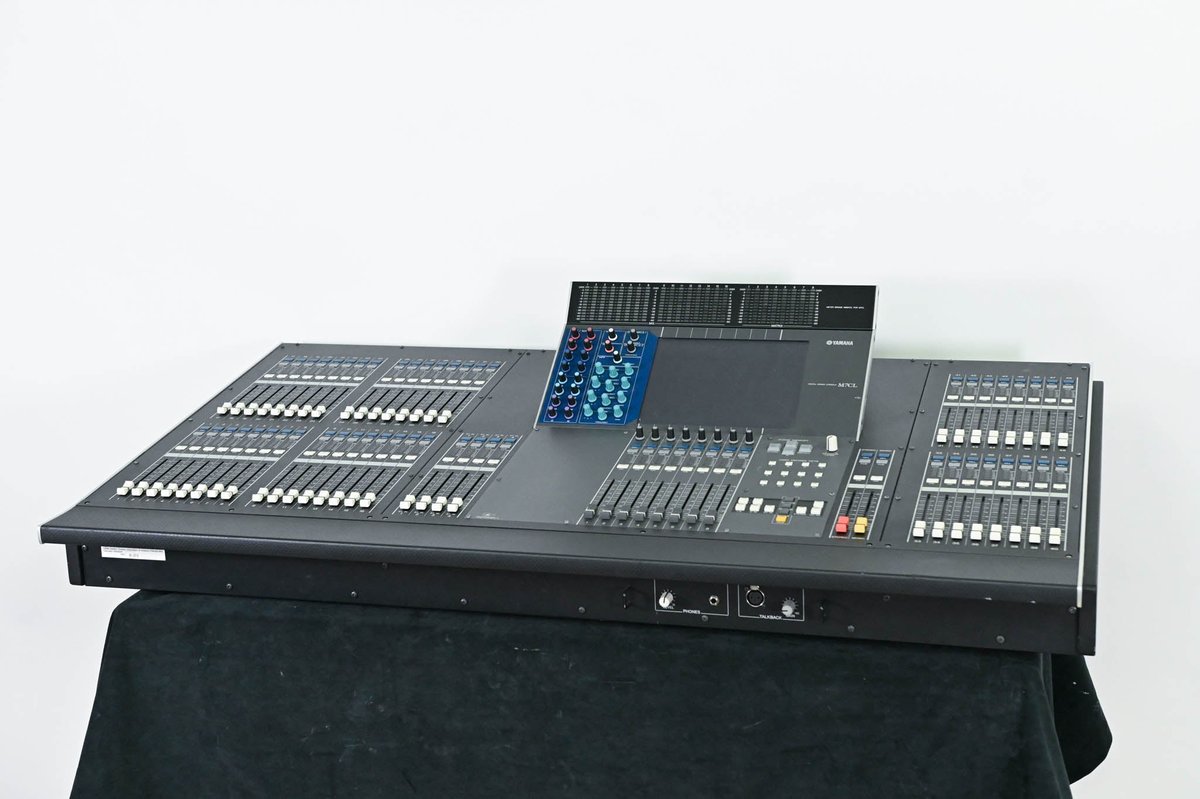
Documentation is the part buyers underestimate, especially for used gear. You need a commercial invoice that states "used professional audio equipment", the serial number, year of manufacture and a realistic value; a packing list; and a certificate of origin if you want preferential duty rates. For CIS imports, a declaration of conformity (EAC) may be required for electrical goods, and for the EU a CE mark or a written statement that the unit is for professional use only. The Yamaha CL5 and Yamaha M7CL-48 are common on the secondary market, and both are large-format digital consoles that often ship with original documentation — ask for the manual, the original invoice and any service records, because a console with a paper trail clears customs faster and sells faster later.
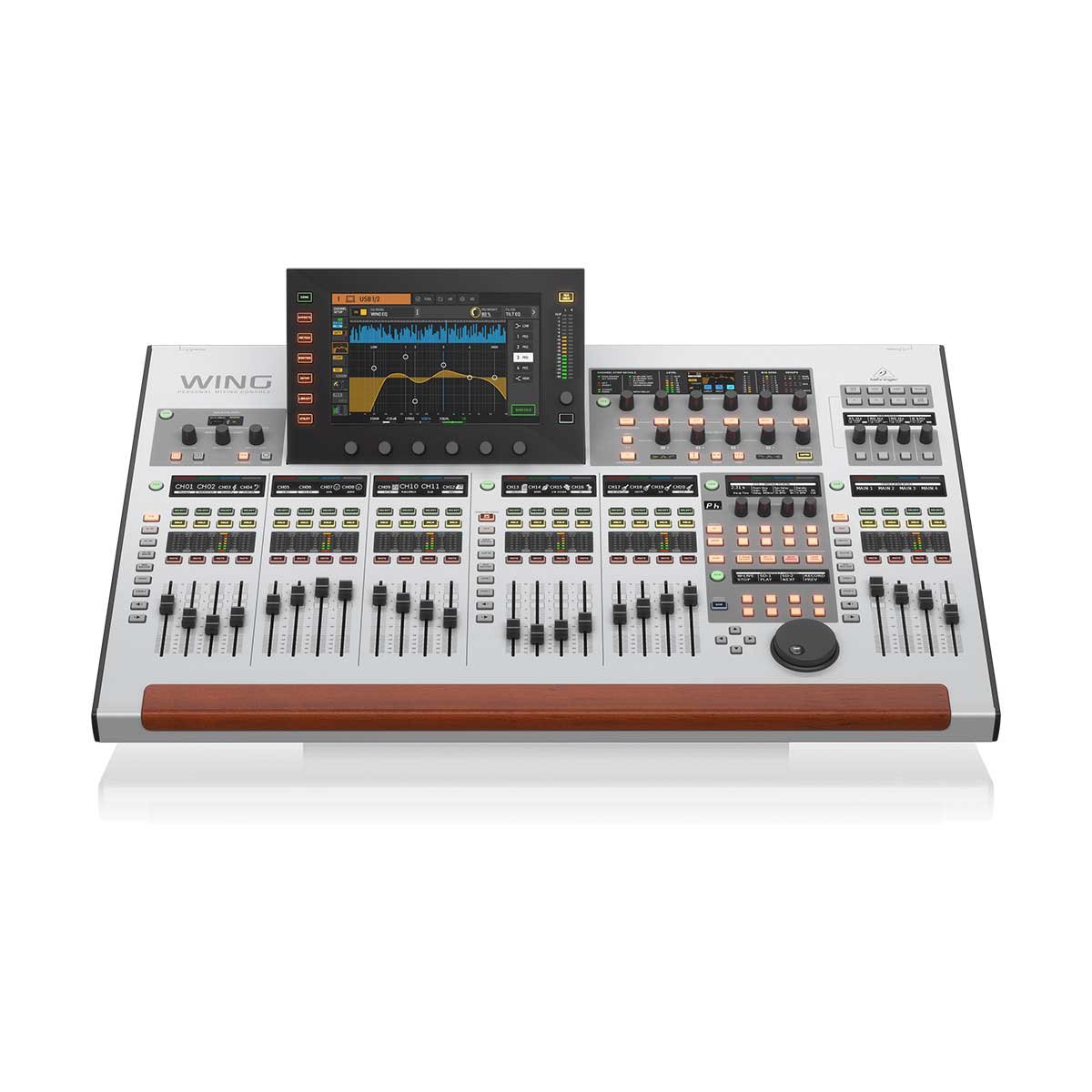
Voltage and safety compliance trip up more deals than duty does. A used 8 channel mixer built for 120V will not run on 220–240V mains without a step-down transformer, and in the Middle East and CIS the mains is 220–240V at 50 Hz. Check the rear panel label before you buy: many Behringer Wing and Behringer X32 units are switch-mode and accept 100–240V, but older analog boards are often fixed-voltage. If the unit is 120V-only, budget $60–$120 for a quality transformer and mention it on the customs invoice as an accessory, not a separate dutiable item. For rental firms in Saudi Arabia or Kazakhstan, a console without a CE or EAC mark may be refused at site inspections, so ask the seller for the compliance label photo.
Service and spare parts reality should shape your shipping plan, because a used mixer that arrives with a dead channel is a customs problem you didn't need. Before shipping, ask the seller to run a full channel test and send a video; for digital consoles, confirm firmware version and that the screen and faders work. Spare boards for Yamaha M7CL-48 and CL5 are still available through Yamaha service partners in Europe and the UAE, but lead times can hit 6–8 weeks, so a unit with a known fault is only worth buying if the discount covers the wait. In South America and Africa, local service for European and Japanese consoles is thinner, which is why many rental firms there prefer to buy two identical used 8 channel mixers and keep one as a donor unit.
Closing takeaway: treat the landed cost, not the sticker price, as your real budget. Get a written freight quote, a written duty estimate from a local broker, and photos of the packing and rear-panel voltage label before you pay. A used 8 channel mixer that clears customs cleanly and matches your mains voltage is worth more than a cheaper one that sits in a bonded warehouse for three weeks.