When you're shopping for a used 24-channel mixer, the brand on the badge matters less than what happens after the warranty runs out. Rental firms in the CIS, integrators in the Middle East, and AV companies across South America and Africa all ask the same practical questions: can I get spare boards, who services it locally, and will it still rider-friendly in three years? This comparison cuts through spec sheets and focuses on the realities that separate a good deal from a money pit.
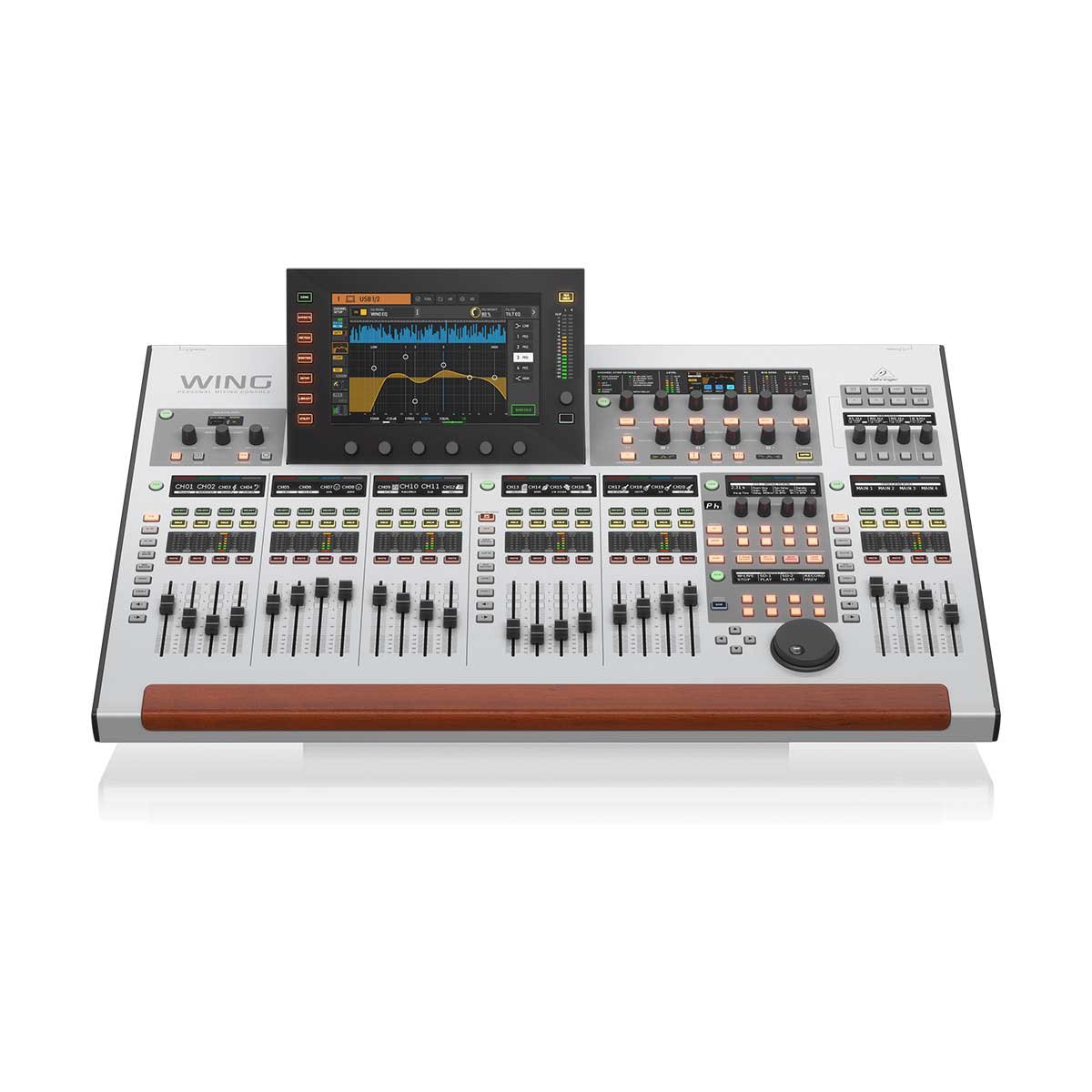
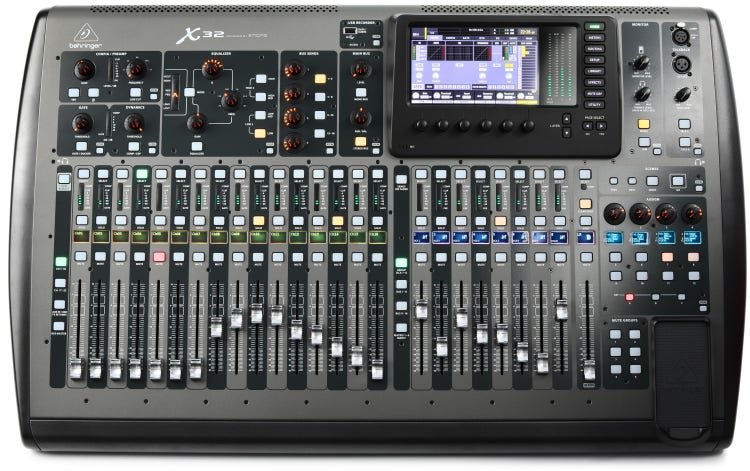
Start with the two dominant digital ecosystems: Behringer and Yamaha. The Behringer X32 is the workhorse you'll find in every second rental inventory, and for good reason—it's cheap to buy used (typically $1,200–1,800 for a well-kept unit), parts are everywhere, and any freelance engineer under 40 can operate it blindfolded. The catch is resale: X32 prices have softened as the Wing and Allen & Heath SQ series flood the secondary market. If you're buying for a fixed install in Lagos or Almaty, that's fine—you'll keep it five years. If you flip gear, don't expect X32 to hold value like a Yamaha. The Behringer Wing sits above it: more channels, more processing, but a steeper learning curve and a smaller pool of engineers who know it. For a 24-channel requirement, the Wing is overkill unless you're future-proofing for larger shows.
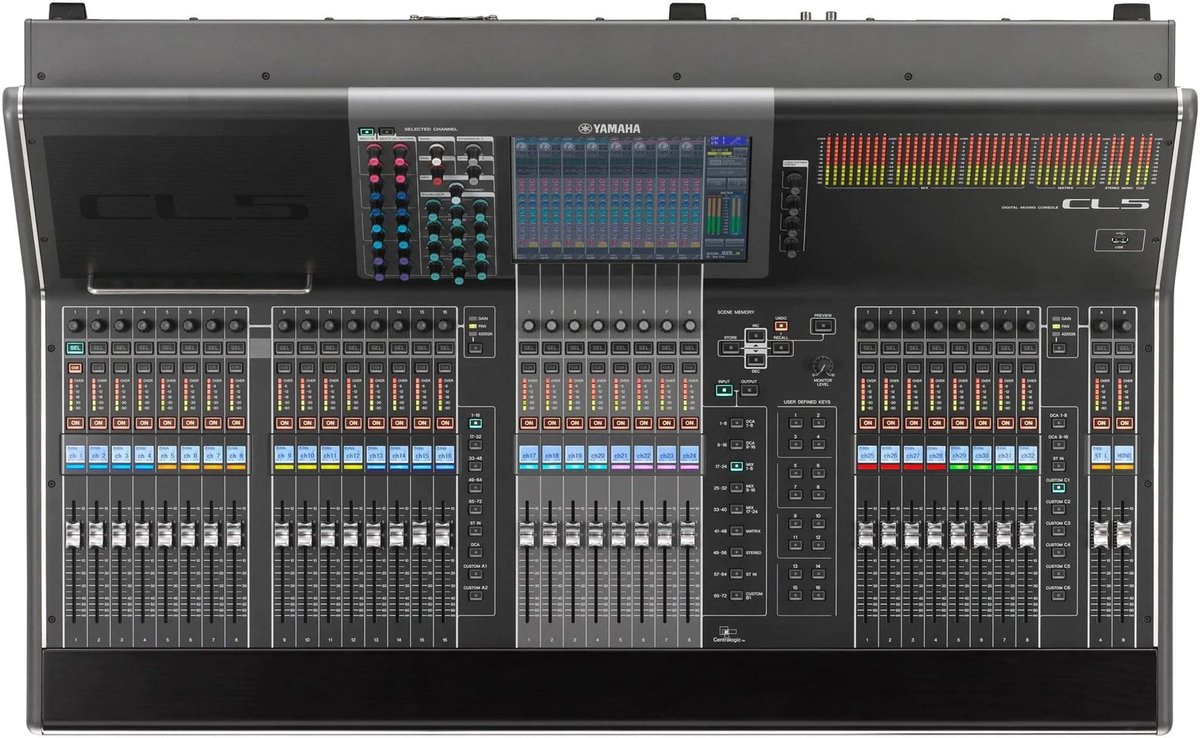
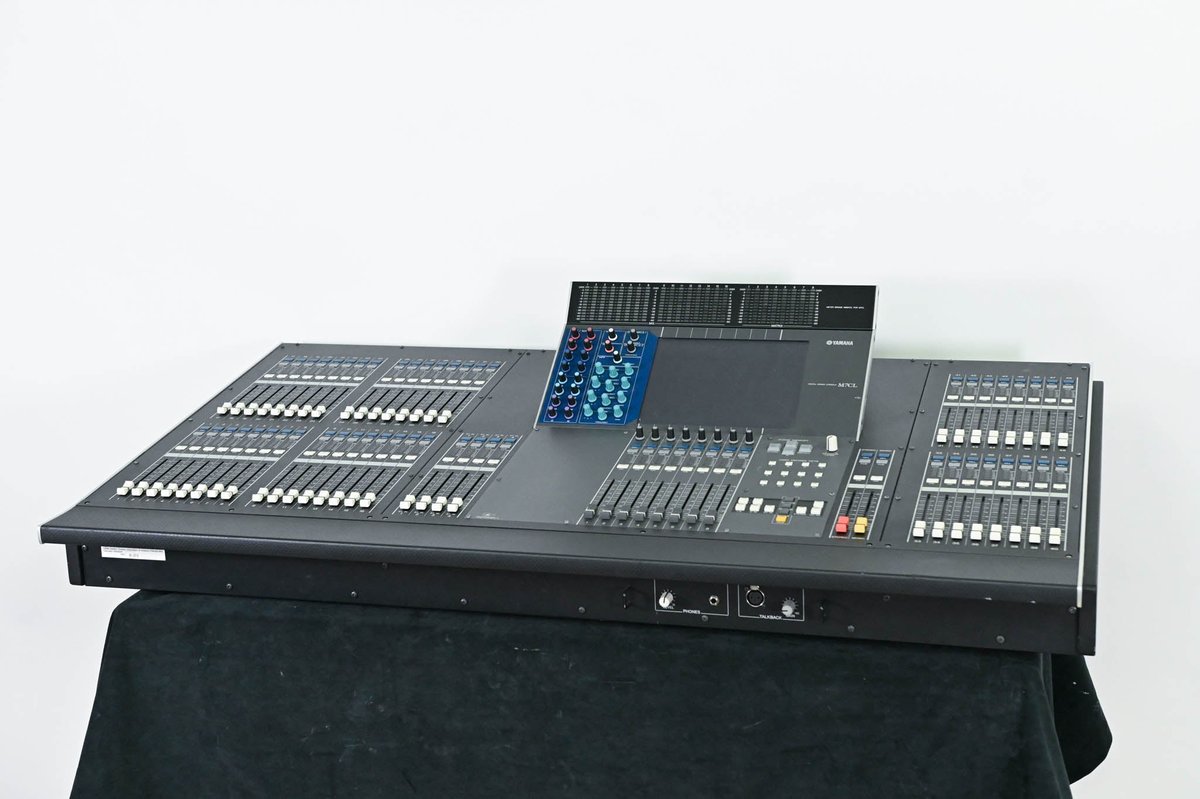
Yamaha's used 24-channel options split into two eras. The Yamaha M7CL-48 is the classic rental tank—48 channels, familiar layout, and a service network that stretches from Dubai to São Paulo. But it's old. Parts like fader boards and DSP cards are getting scarce, and a failed backplane can write off the console. The Yamaha CL5 is the modern alternative: Dante networking, better preamps, and rider acceptance that's still strong in corporate and festival work. Used CL5 prices have dropped to $8,000–12,000, which sounds steep until you compare it to a new console with similar I/O. The question buyers ask on r/livesound is always the same: "Is a used CL5 still rider-friendly in 2026?" Answer: yes for most corporate and regional festival riders, but major touring acts may specify Rivage or DiGiCo. Check the rider before you commit.
Service access is where brand loyalty gets tested. Behringer's X32 has a huge advantage: third-party repair shops in almost every major city, and spare parts are cheap and plentiful. Yamaha's official service network is stronger in the Gulf and parts of Asia, but in West Africa or rural South America you may wait weeks for a board. The Aviom A360 Personal Mixer is a different category—it's a monitor mixer, not a front-of-house console, but it often appears in 24-channel discussions because it handles personal monitoring for bands. Used A360 units are reliable but need the A-Net network, and spare parts are limited to authorized dealers. If you're building a system around personal mixing, factor in the cost of a backup hub.
Condition and voltage are the silent deal-breakers. A used 24-channel mixer from Europe or the US will arrive with 230V or 120V mains, and many consoles have internal power supplies that are not auto-switching. Ask for a photo of the power label before you pay. In the Middle East and CIS, 230V is standard, but customs duties and import paperwork can add 15–30% to the landed cost. South America varies wildly—Brazil's import taxes can double the price, while Chile is more reasonable. Always request a test video showing every channel passing signal, every fader moving, and the screen without dead pixels. A 10-minute video saves a 10-week dispute.
The practical takeaway: match the console to your service reality, not the spec sheet. If you need cheap, plentiful, and engineer-friendly, a used Behringer X32 is hard to beat—just accept the softer resale. If rider acceptance and long-term parts availability matter more, stretch to a Yamaha CL5 and verify the service center in your country before you buy. And if you're looking at a used 24-channel mixer for a fixed install, buy the one your local tech can fix, not the one with the best review.