When you search for a second hand mixer for sale, the listing photo tells you almost nothing. Two consoles that look identical in a thumbnail can differ by $4,000 because one has been in a rental fleet for eight years and the other sat in a church booth. Grading is the only language that closes that gap, and if you buy without it you are guessing. Here is how professional graders actually separate a grade A unit from a grade B one, what the powered test should prove, and why cosmetic damage and functional damage should never share a price tag.
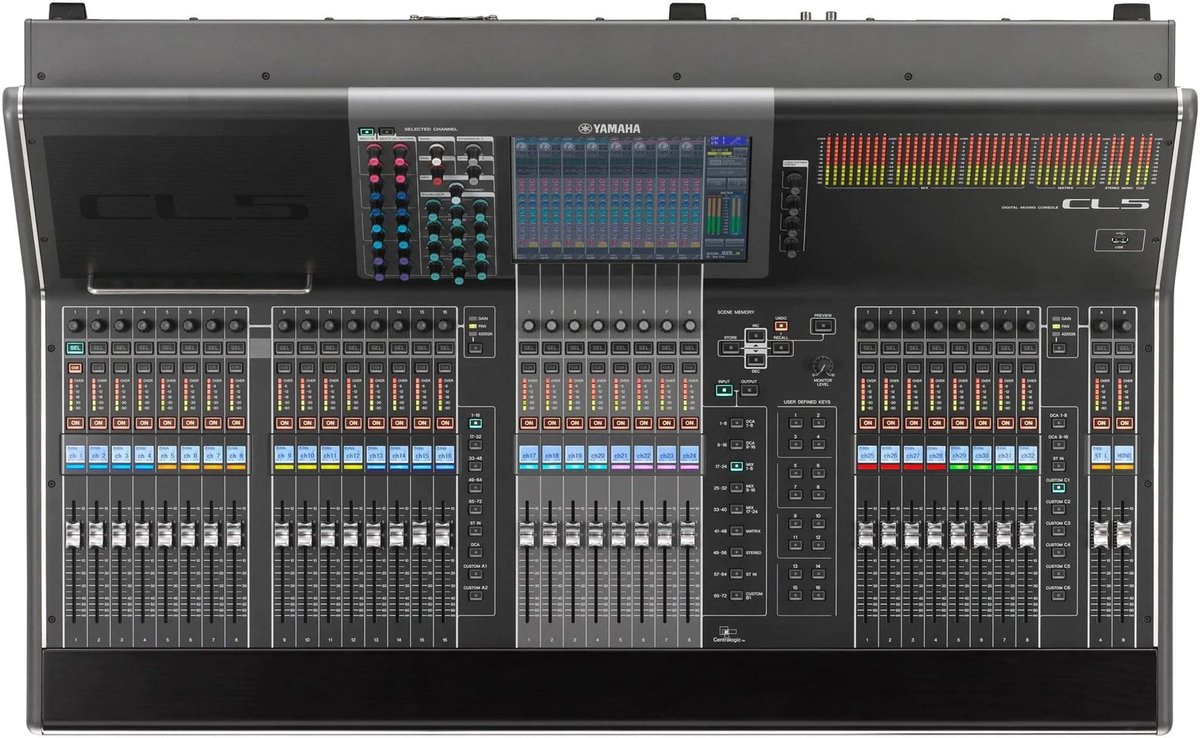
Start with the definition of grade A versus grade B, because the labels are not standardized and every dealer uses them differently. A true grade A console has no functional faults, all original or OEM-equivalent parts, minor cosmetic wear only (scuffs on the chassis, a faded silkscreen, no cracked fader caps), and a documented service history. Grade B means it works but shows real use: worn fader tracks, a replaced display, rack rash, missing screws, or a scratch that goes through the paint. The trap is a seller calling a unit grade A because it powers on. Ask specifically whether the grade covers the power supply, the fader bank, and every I/O channel, and get it in writing. On a Yamaha CL5, for example, a grade A unit should have all 72 input channels tested and the Dante card verified, not just the screen lighting up.
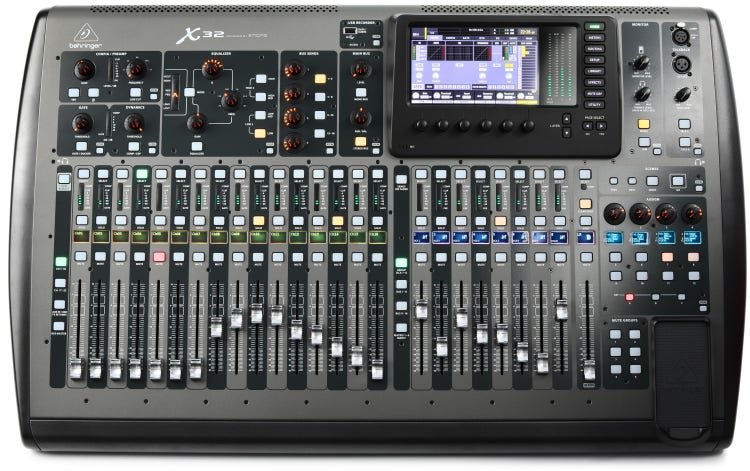
Then insist on a powered test, not a visual inspection. A mixer can look mint and still have dead preamps, noisy faders, or a failing PSU. The test should run at least 30 minutes under load: every channel fed with signal, every fader swept, every aux and matrix output checked, and the console left on to catch heat-related faults. For digital desks, verify firmware version, scene recall, and card slots. Ask the seller to send a short video of the test with the serial number visible. If you are looking at a Behringer X32, ask for the fader calibration and the AES50 port test specifically, because those are the two failure points buyers complain about most on forums. A unit that passes a 30-minute loaded test is worth roughly 15–20% more than an untested one, and that premium is real, not marketing.
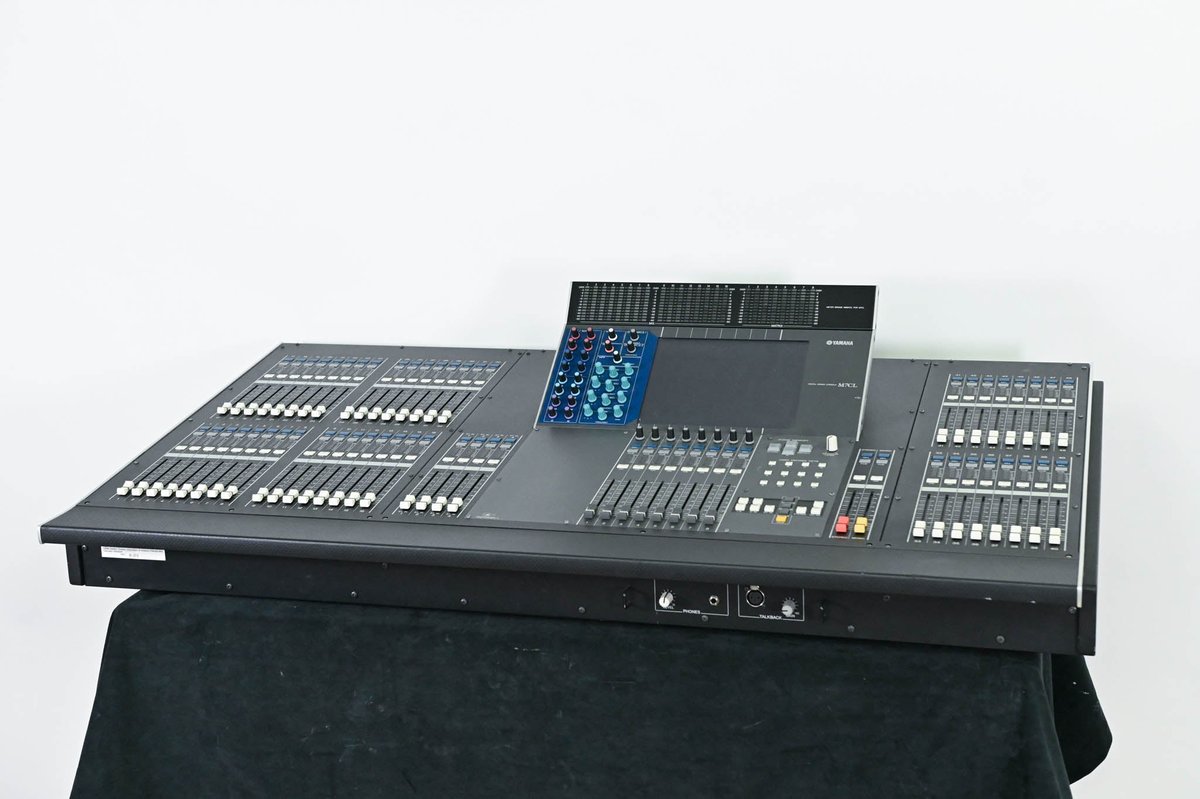
Separate cosmetic from functional issues in your own head before you negotiate. Cosmetic flaws are leverage, not dealbreakers: a scratched side panel, a bent rack ear, or a missing knob should knock 5–10% off, no more. Functional issues are different. A dead channel, a noisy fader, or a failing power supply is a repair bill you can price. On a Yamaha M7CL-48, a common issue is the touchscreen digitizer, which costs $300–$500 to replace; if the seller admits it is failing, deduct that plus labor. The rule is simple: cosmetic damage reduces price by a small fixed percentage, functional damage reduces price by the estimated repair cost plus a risk margin. Never let a seller bundle the two into a vague "as-is" discount.
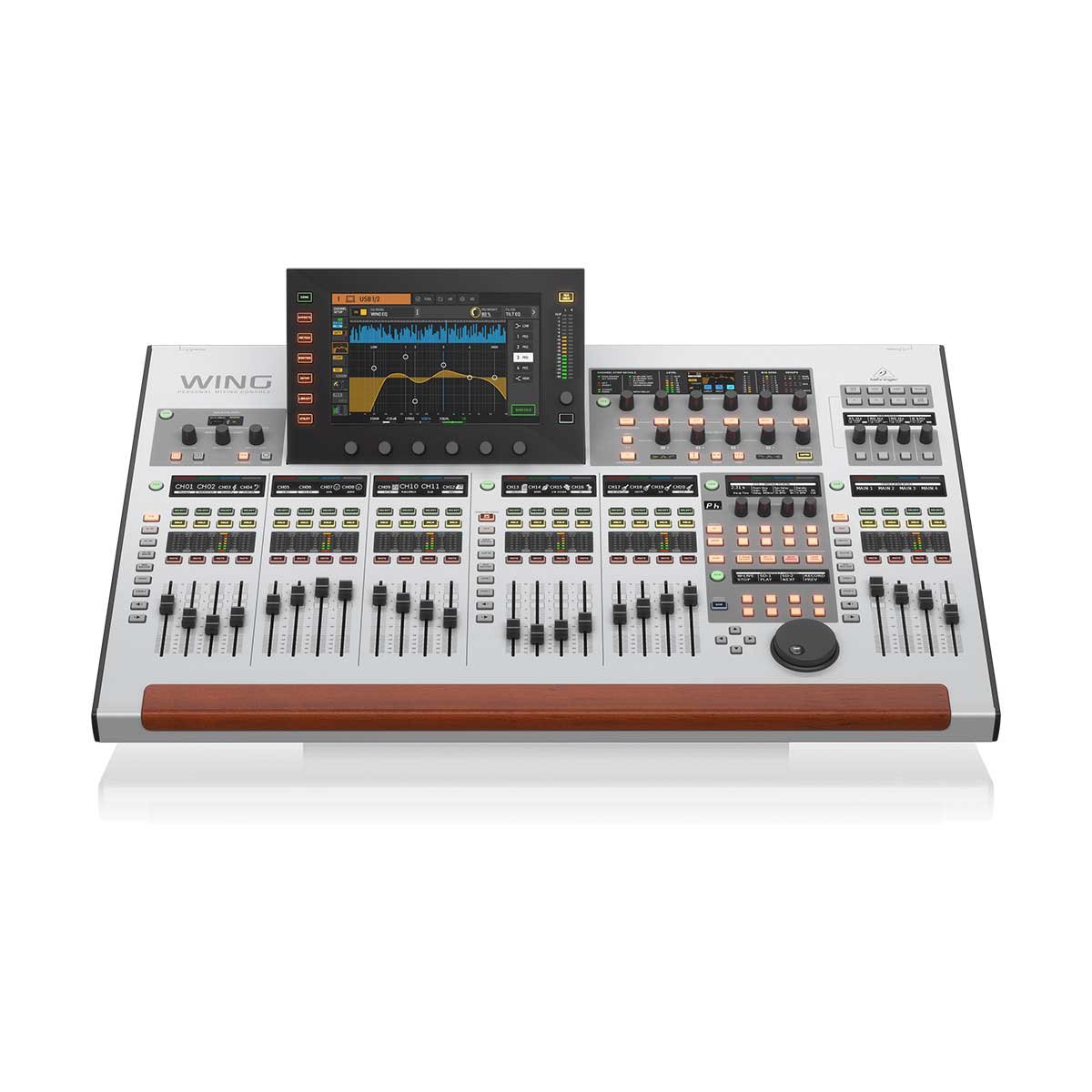
Grading should also reflect age and service reality, especially for parts availability. A grade A Behringer Wing that is three years old is a different asset from a grade A Yamaha CL5 that is ten years old, because the CL5 may need spare boards that are getting scarce. Ask about service history: has the unit been recapped, has the fan been replaced, are the faders original? For analog and powered mixers, recone and spare-part availability matter even more. A grade B unit with a documented recent service is often a better buy than a grade A unit with no history, because the service record is the real grade. In the CIS and Middle East, where shipping a console back to the factory is expensive, a local service record is worth more than a shiny front panel.
Finally, factor in policy and region, because grading does not travel alone. A grade A unit rated for 120V is not grade A in a 230V market unless it ships with a proper step-down transformer or a verified voltage conversion. Ask for the CE/UL marking and the mains voltage on the label, and confirm the plug type. For buyers in South America and Africa, customs duty and import rules can add 20–40% to the landed cost, so a grade B unit at a lower price may still lose to a grade A unit from a local dealer. The Aviom A360 Personal Mixer is a good example: it is small and cheap to ship, but voltage and warranty terms vary by region, so confirm the exact variant before you compare grades across borders.
The practical takeaway is to treat grading as a pricing tool, not a label. Ask for the powered test video, the service history, and the voltage variant before you discuss price. A grade A unit with a documented test is worth the premium; a grade B unit with a known repair cost is a negotiation, not a rejection. Use the grade to set your number, and never pay grade A money for a unit that only powers on.