A second hand audio mixer is not just a cheap substitute for a new console — in a rental fleet it is a depreciating asset with a predictable lifecycle, and the operators who treat it that way make more money per channel than those who buy new and run gear into the ground. The trick is knowing when to add a used desk, which units to rotate out before they become a service liability, and how to keep documentation and cosmetics tight enough that the next buyer in another region still trusts the unit.
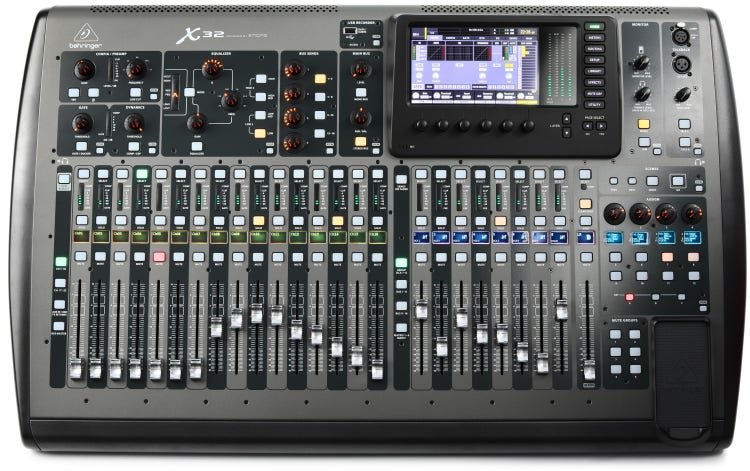
Start with the buy side: the best time to add a second hand audio mixer to a rental inventory is when a model is still rider-acceptable but has already taken its first big depreciation hit. A Behringer X32 is the textbook case — it is still on riders for corporate and club work, and used units trade at a fraction of new price, so a rental firm can put three on the shelf for the cost of one new mid-tier desk. The catch is condition: ask how many hours the console has run, whether the faders have been replaced, and whether the firmware is current. A desk that has done 4,000+ hours in a fixed install is usually a safer buy than one that has been dragged through festivals for two seasons.
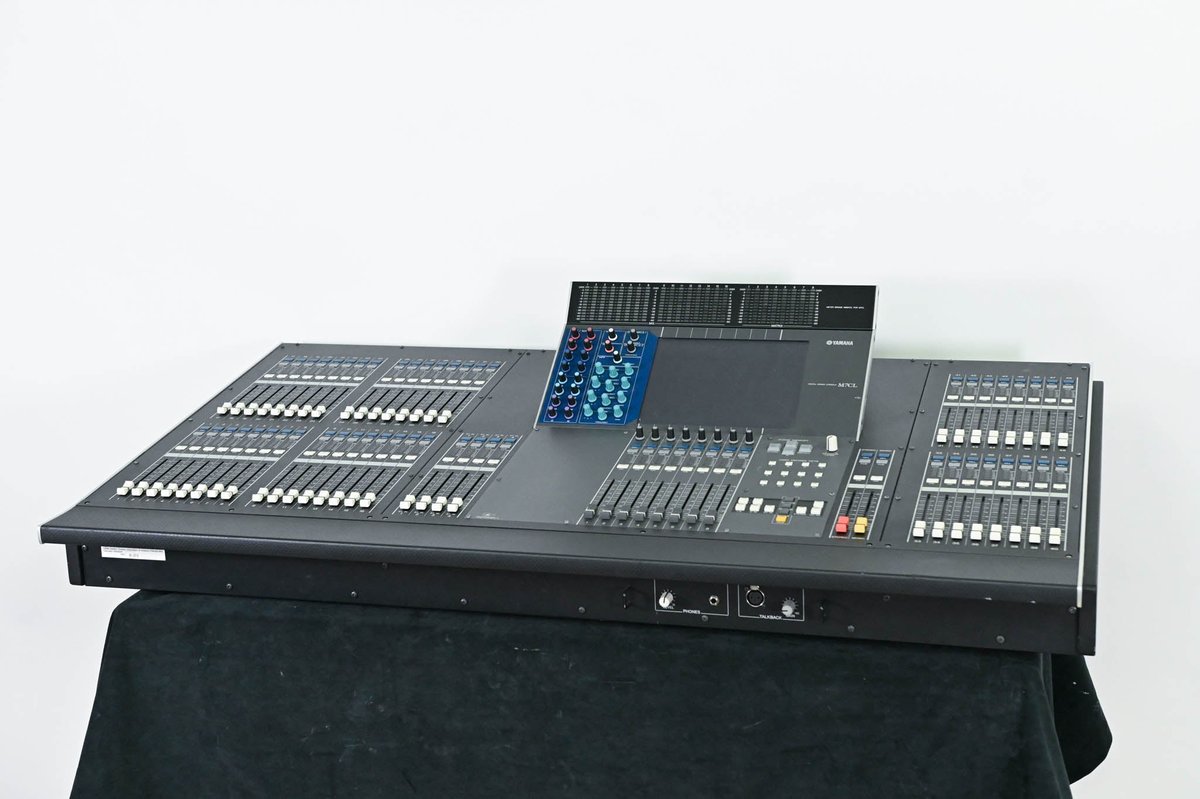
On the rotate-out side, the question buyers keep asking on r/livesound and in procurement threads is simple: “Is a used digital console still worth it in 2026?” The answer depends on service reality, not specs. A Yamaha M7CL-48 is a workhorse, but once spare boards and fader assemblies get scarce, every failure turns into a two-week downtime event. That is the signal to rotate it out — not when it stops working, but when the parts pipeline gets thin. Sell it while it still has regional demand, ideally to a buyer who runs a fixed install where downtime is less costly than in a touring fleet.
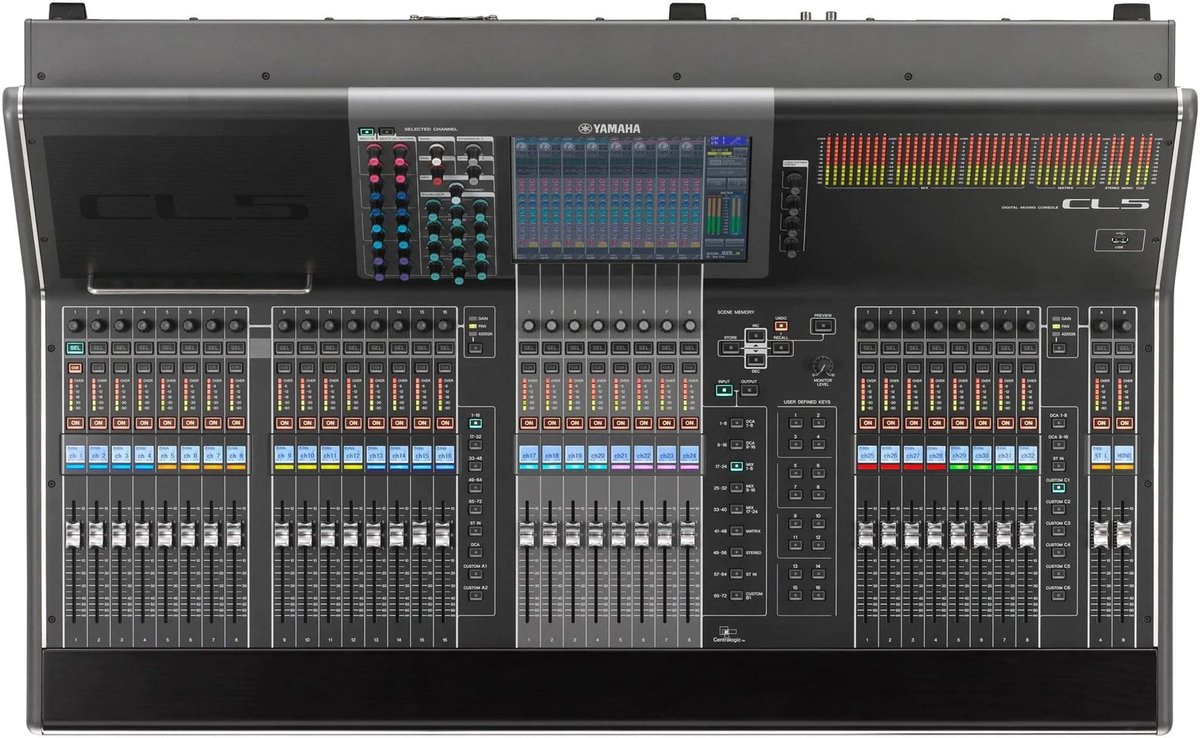
Preserving resale value is mostly about discipline between gigs. Keep original flight cases, keep the power supplies matched to the unit, and photograph the rear panel and every connector before listing. Buyers in the CIS, Middle East, South America and Africa ask hard questions about mains voltage and CE/UL compliance, so document whether the desk is 100–240V or fixed 230V, and whether it has been modified. A Yamaha CL5 holds value well because it is still rider-friendly and parts are available, but a unit with a scratched touchscreen and missing knob caps will lose 15–20% of its resale price before the buyer even asks about the engine.
Service and parts are where most fleet managers get burned. Before you buy any used mixer, ask for the service history: has it been recapped, have the faders been cleaned or replaced, and is there a local authorized service partner? For smaller personal mixers like the Aviom A360 Personal Mixer, the calculus is different — they are cheap enough to replace rather than repair, so buy them in lots, test every channel, and rotate them out when the failure rate crosses about one in ten per year. For large-format desks, keep one donor unit per model family so you can cannibalize faders and boards instead of waiting on international shipping.
Industry context matters too. Rental demand in the CIS and Middle East is still strong for mid-tier digital desks, while integrators in South America and Africa are increasingly buying used because import duties and freight can add 20–30% to the landed cost. That means a clean, documented second hand audio mixer with the right voltage and a service record is worth more than a cosmetically perfect unit with no history. If you are selling across borders, include the HS code, the declared value, and photos of the serial plate — buyers who import regularly will ask for these before they commit.
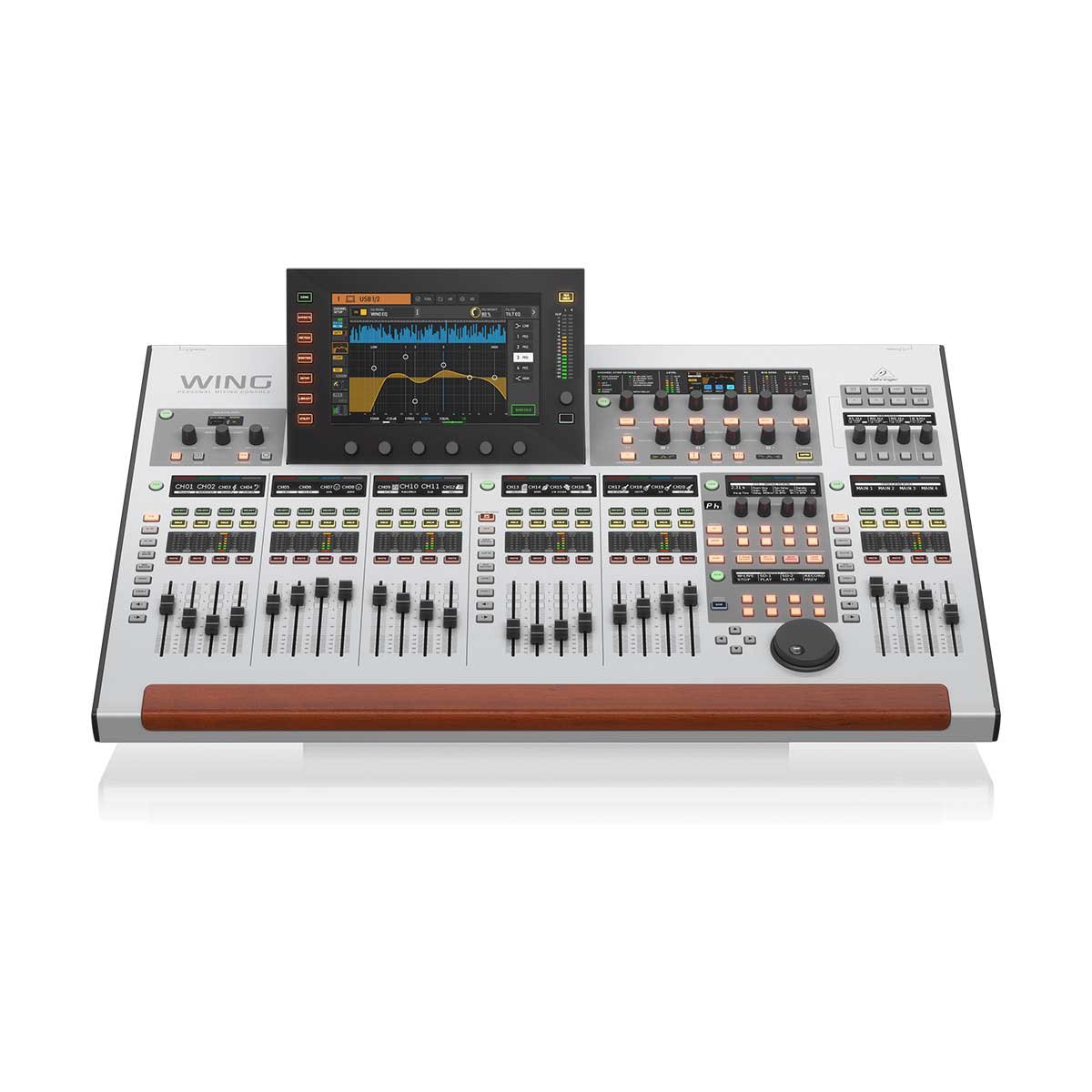
Practical takeaway: treat every used mixer in your fleet as a timed asset. Buy when the model is still rider-acceptable and depreciation has already done its work, rotate out when parts get scarce or the failure rate climbs, and protect resale value with cases, voltage documentation and service records. A Behringer Wing or a Yamaha CL5 bought at the right point in its lifecycle will earn its keep and still sell quickly when you are ready to move it on.