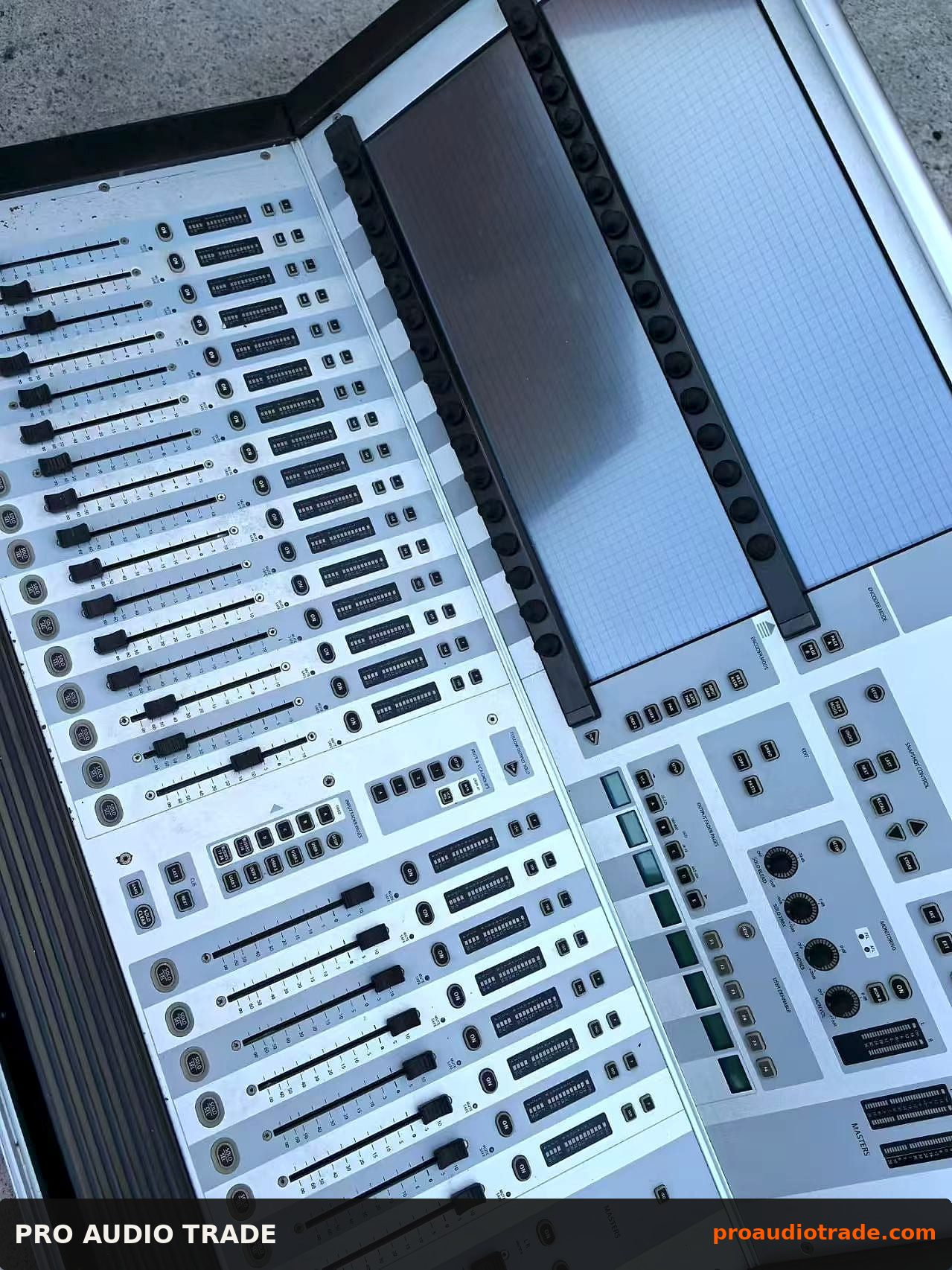
When you're weighing a used Lawo mc²66 against alternatives like the Yamaha CL5 or Behringer Wing, the spec sheet is only half the story. The real decision hinges on what happens after the invoice is signed: what warranty actually covers on used gear, whether spare parts exist, and what you can realistically write into the order to protect yourself. This isn't a generic overview—it's a survival guide for buyers in the CIS, Middle East, South America and Africa who need a console that stays alive, not just one that sounds great on day one.
Start with the warranty question, because it's where most buyers get burned. A used Lawo mc²66 from a broker might come with a 30-day functional guarantee, but that rarely covers consumables, fader wear, or power supply failures. Ask specifically: does the warranty cover parts and labour, or just parts? Is it return-to-base or on-site? For a console of this class, a failed DSP board can cost $3,000–$5,000 and take weeks to source. Compare that to a used Yamaha CL5, where dealer networks in Dubai or Johannesburg often stock common spares and offer a 90-day warranty on refurbished units. The Behringer Wing, by contrast, is cheap enough that many buyers treat it as semi-disposable—but that's a different risk profile. Write the warranty terms into the purchase order: duration, what's excluded, response time for claims, and who pays shipping both ways.
Spare-part availability is the next hard reality. Lawo mc²66 consoles are built like tanks, but they're also niche—production ended years ago, and some boards are only available from donor units. Before you buy, ask the seller for the serial number and check with Lawo's service partners whether critical boards (CPU, DSP, power supply) are still stocked. For a rental firm in Riyadh or Lagos, a two-week wait for a part can kill a month of bookings. Alternatives like the Yamaha M7CL-48 have a huge installed base, so used boards circulate on the secondary market and third-party repair shops often hold stock. The Behringer X32 is even easier—parts are everywhere, and a replacement fader board costs under $100. That doesn't make it a better console, but it changes the total cost of ownership.
Industry context matters here: rental demand for premium consoles is strong in the Middle East and parts of Asia, but buyers are increasingly cautious about older digital desks with proprietary parts. Dealers in the CIS often import used Lawo mc²66 units from European rental companies, and they'll tell you the same thing—condition reports are everything. Ask for a service history, photos of the internal boards, and a video of the console booting and passing audio on every channel. If the seller can't provide that, walk away. Also check mains voltage: Lawo consoles are typically 230V, but some units have been modified for 110V markets. Confirm the power supply configuration and whether it matches your local voltage—a step-up transformer is fine, but it's another failure point.
Policy and customs are the silent budget killers. If you're importing a used Lawo mc²66 into Brazil or Nigeria, expect duty rates of 20–35% on the declared value, plus freight and insurance. CE/UL markings matter for insurance and venue compliance—ask for the original declaration of conformity if it's available. For the Behringer Wing or Yamaha CL5, customs paperwork is simpler because they're more common, but don't assume; get the HS code and duty rate from your freight forwarder before you commit. And always specify Incoterms in the order—DAP or DDP—so you know who handles customs clearance and unexpected fees.
So what should you actually write into the order? A used Lawo mc²66 purchase should include: a 60-day warranty covering parts and labour, a clause that the seller must supply spare-part sourcing assistance for 12 months, a condition report signed by both parties, and a test protocol (all channels, all faders, all outputs). For alternatives like the Yamaha CL5, push for a 90-day warranty and a commitment to provide firmware updates. For the Behringer X32, a 30-day warranty is often enough given the low replacement cost. And always—always—hold back 10–15% of the payment until the console has been tested on site for a week. That's the leverage that turns a promise into a reality.
The takeaway is simple: a used Lawo mc²66 can be a fantastic investment for a rental firm or integrator, but only if you treat the after-sales terms as seriously as the audio specs. Compare warranties, check spare-part availability, understand the customs reality, and write everything into the order. The console that sounds best is the one that still works when the warranty expires.