If you run a rental fleet, you already know that used wireless microphone systems wholesale are not a one-time purchase — they are a rotating asset class. The real money isn't in buying cheap; it's in knowing when to buy, what to rotate out, and how to preserve resale value across hundreds of shows. Get that cycle right, and your wireless inventory pays for itself twice.
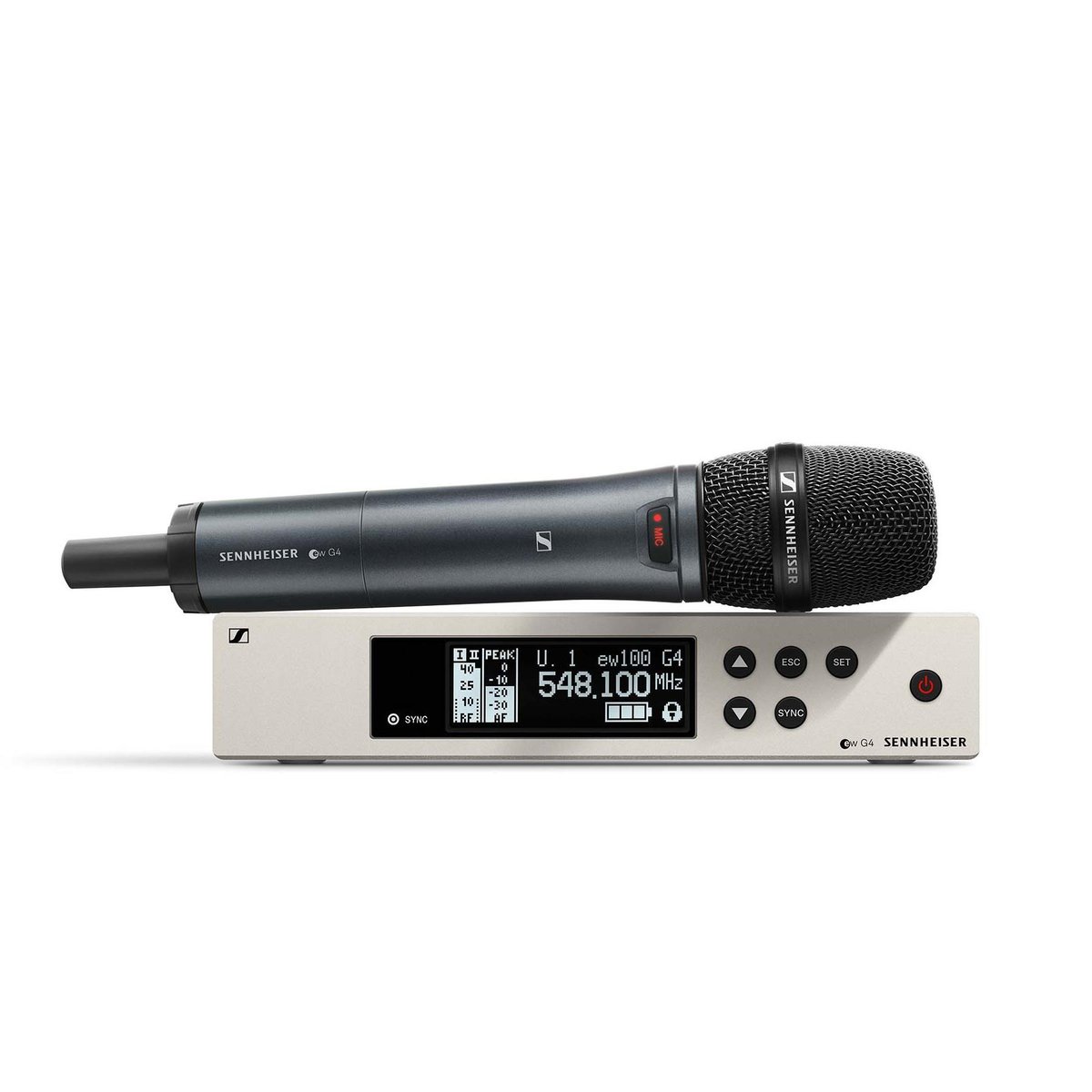
Start with the buy side: timing matters more than brand loyalty. The best wholesale deals hit the market when large integrators refresh after a big install season or when a touring company downsizes. That's when you'll see pallets of Sennheiser ew 100 G4 systems — often 3–5 years old, with 200–400 hours of use — at 40–50% below new street price. But don't just chase the lowest unit cost. Check frequency bands first: in the CIS and Middle East, you need systems that cover the legal UHF ranges for each country, and a batch tuned for the EU 823–832 MHz band may be useless in Kazakhstan or Saudi Arabia. Ask for the exact band letter and compare it to your local spectrum plan before you commit.
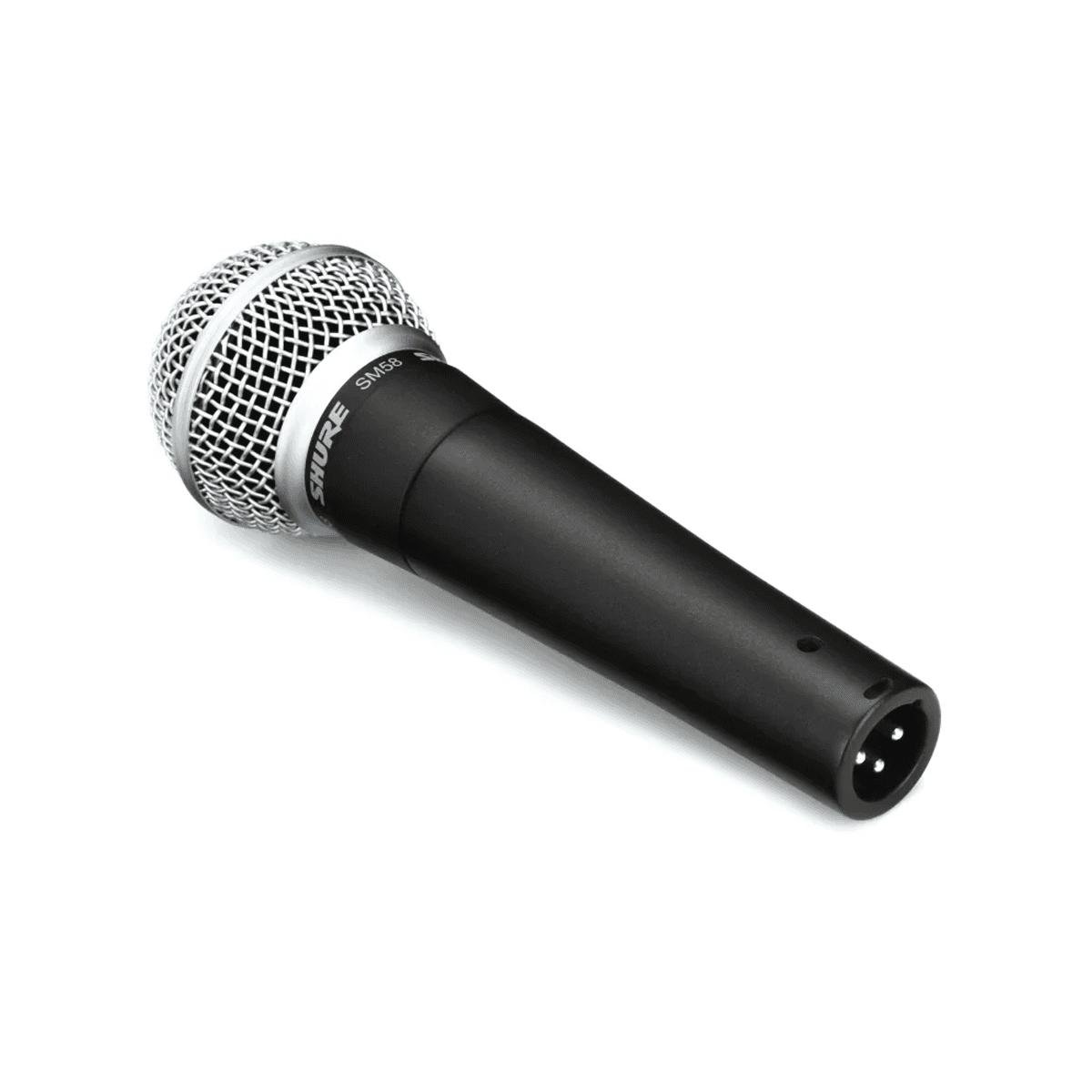
What should you rotate out, and when? The rule of thumb among rental firms is simple: keep a wireless system in the A-rig for three to four years, then move it to the B-rig or sell it while it still holds value. The Sennheiser ew 100 G4 is a workhorse, but after four years of festival duty the plastic battery covers crack, the beltpack clips wear, and the LCD screens dim. That's the moment to sell — not when a channel dies mid-show. Buyers on r/livesound often ask, "How many hours is too many for a used wireless system?" The honest answer: above 600 hours on a bodypack, expect to replace the input connector and possibly the antenna, so price that into your offer. For handhelds like the Shure SM58, the capsule is the wear item — a used SM58 with a dented grille still sells, but a fresh capsule adds $40–50 of value and makes the listing move faster.
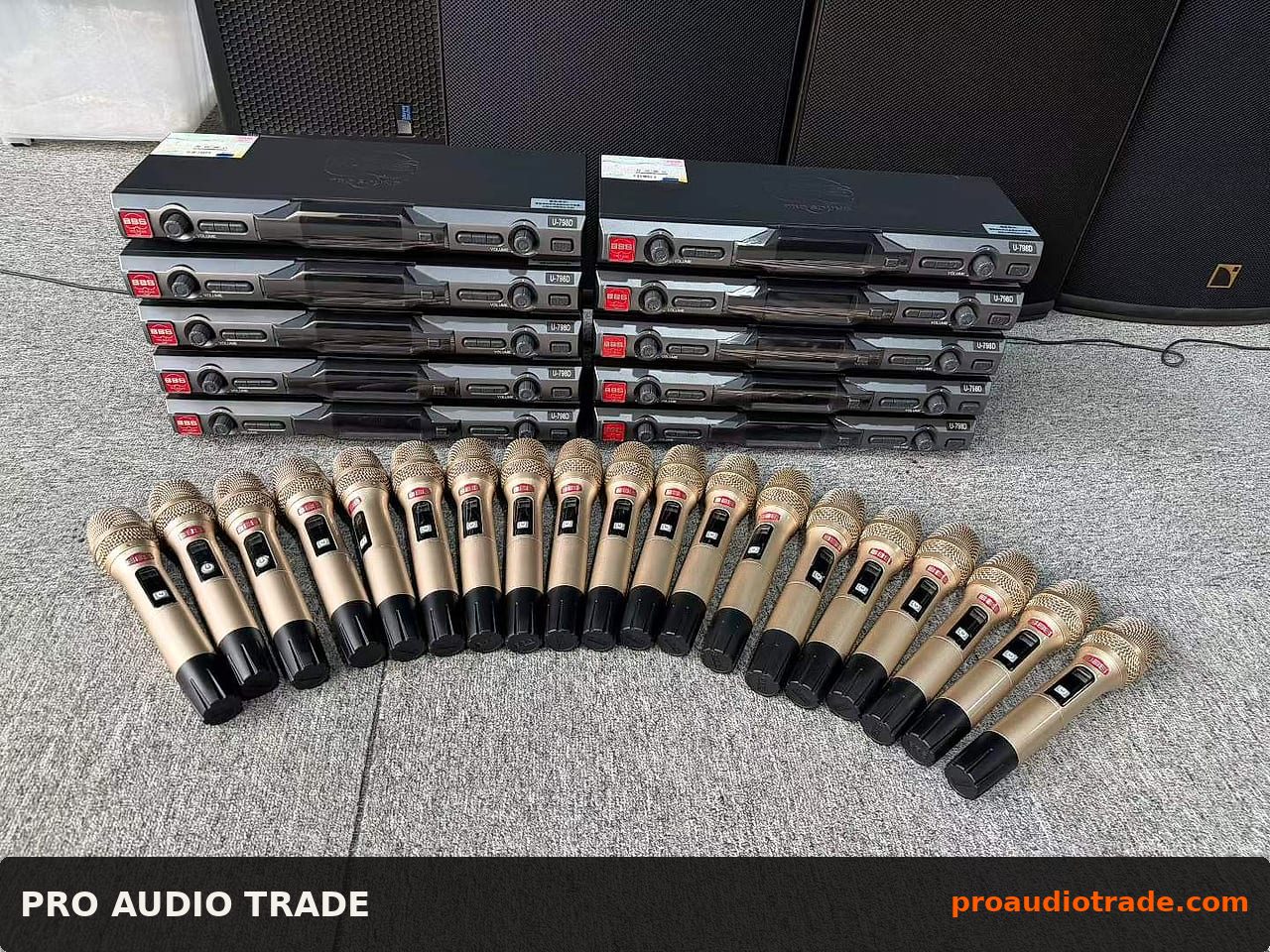
Preserving resale value is mostly about documentation and cosmetics. Keep original boxes, manuals, and power supplies — a complete set sells for 15–20% more than a loose one. Label each system with an internal asset tag, but use removable stickers; buyers hate glue residue on the bodypack. And service before you sell: a basic bench test with a spectrum analyzer, a battery-door replacement, and a clean of the XLR pins costs you maybe $15 per unit and lets you advertise "tested, fully functional" with confidence. That matters in markets like South America and Africa, where return shipping is expensive and buyers rely on your word. If you're selling a batch of BBS U-798D systems, for example, include a note on which frequency groups are legal in the buyer's country — that single detail can close a deal.
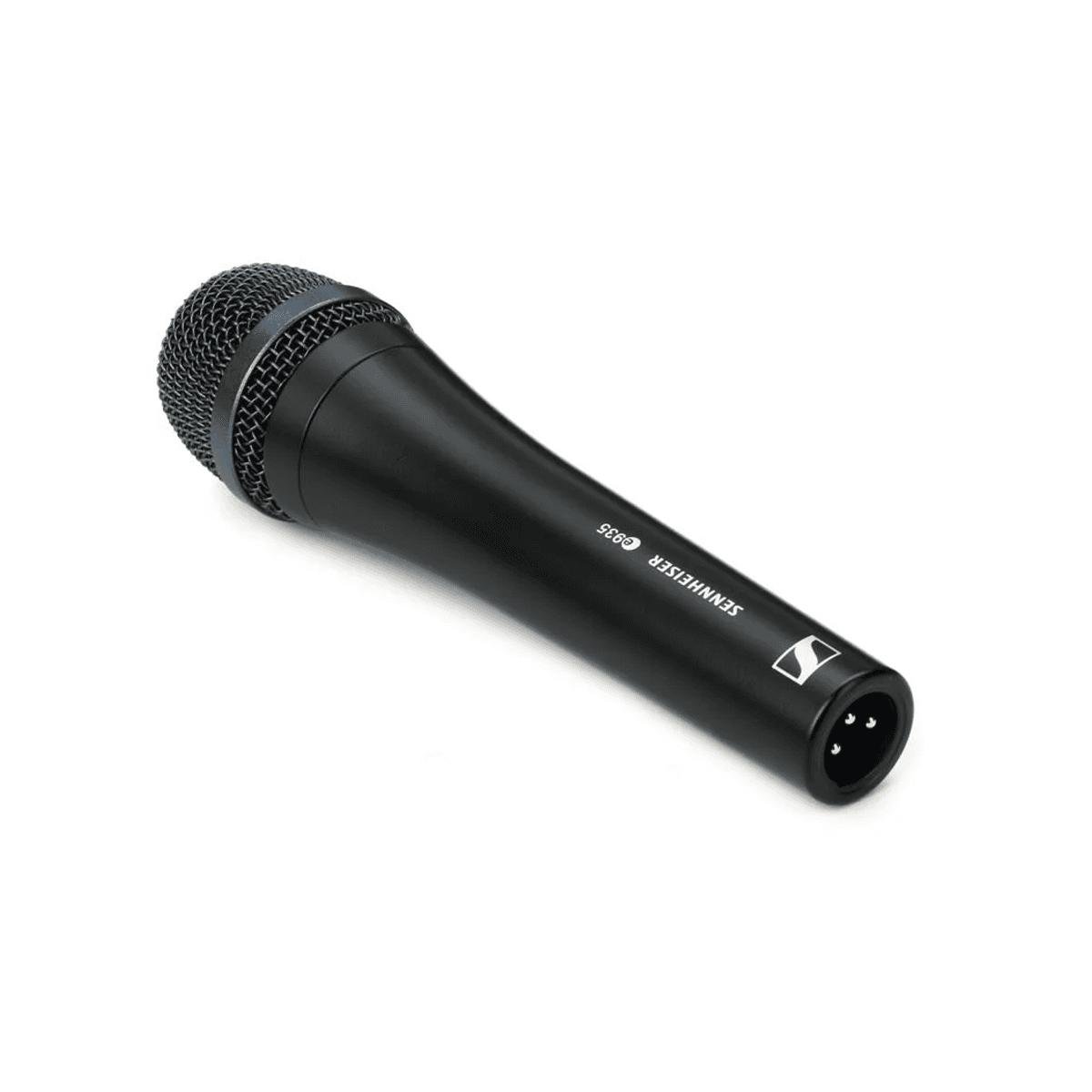
Industry context: the used wireless market has tightened since 2024 because new spectrum regulations in Europe and the US pushed many rental houses to offload older gear. That created a wave of wholesale inventory, but also a lot of mismatched bands. Smart buyers are now asking, "Is a used wireless system still worth it in 2026?" Yes — if you buy within the last two generations of a model and verify the frequency band. Avoid anything older than 2018 unless it's a backup unit. Also factor in parts: for Sennheiser e 935 capsules, replacements are still available, but for discontinued models like the Crown CM-310A, you're relying on donor units. That's fine for a small fleet, but not for a 50-channel rental inventory.
Policy and logistics can kill a good deal. CE marking is required for EU imports, but in the Middle East and CIS, customs often ask for a certificate of conformity — and mains voltage varies (220–240 V is common, but plugs differ). Always confirm the power supply is switchable or specify the plug type. Shipping a pallet of 20 wireless systems from Europe to the UAE typically costs $600–900 by air freight, plus 5% duty. Build that into your resale price. And if you're buying from a dealer who won't provide a test report, walk away — the savings aren't worth the risk.
The takeaway: treat used wireless microphone systems wholesale as a fleet-refresh cycle, not a bargain hunt. Buy when bands match your market, rotate out at the three-to-four-year mark, document everything, and service before you sell. That's how you keep resale value high and your rental margins healthy.