Skip to content
Sennheiser e 935
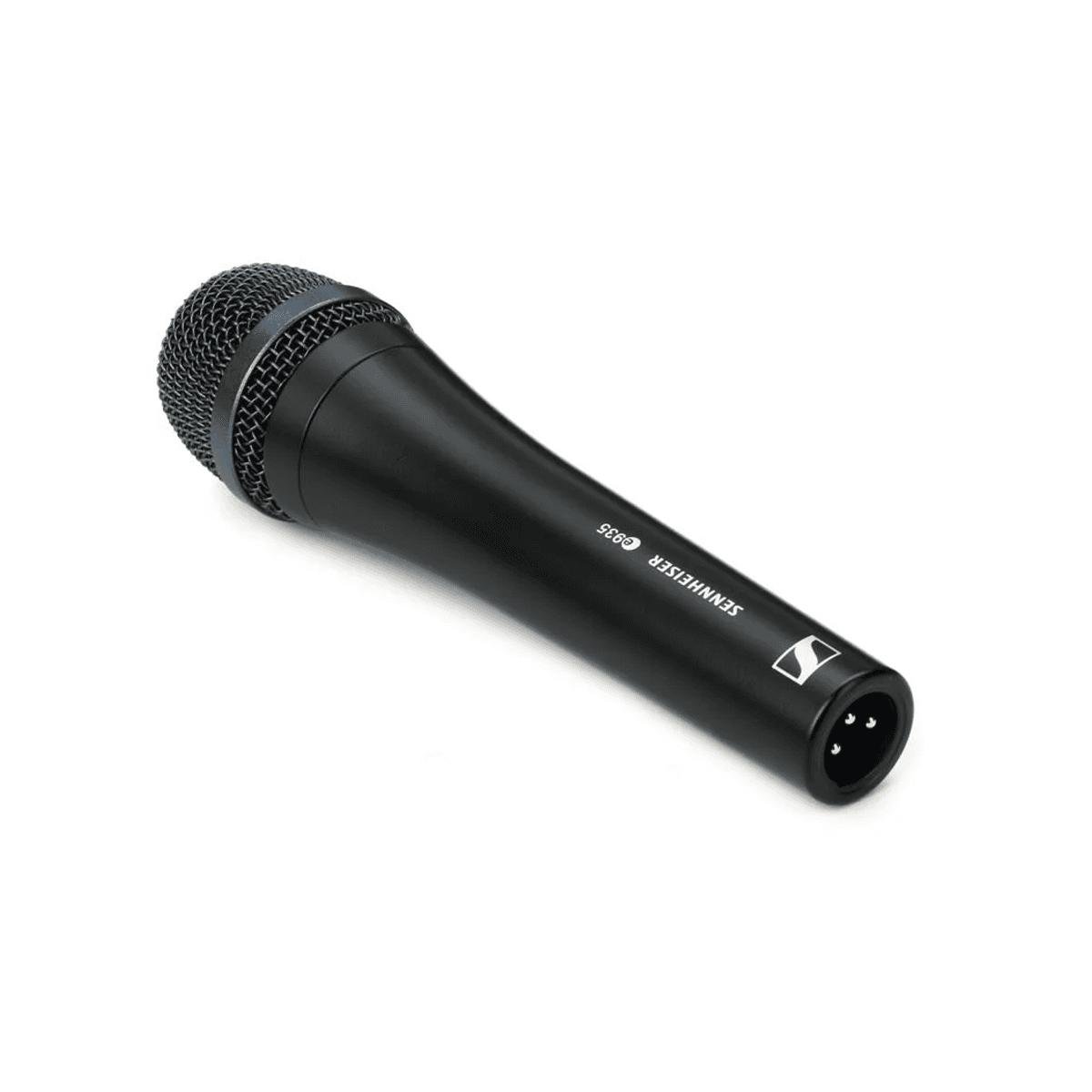
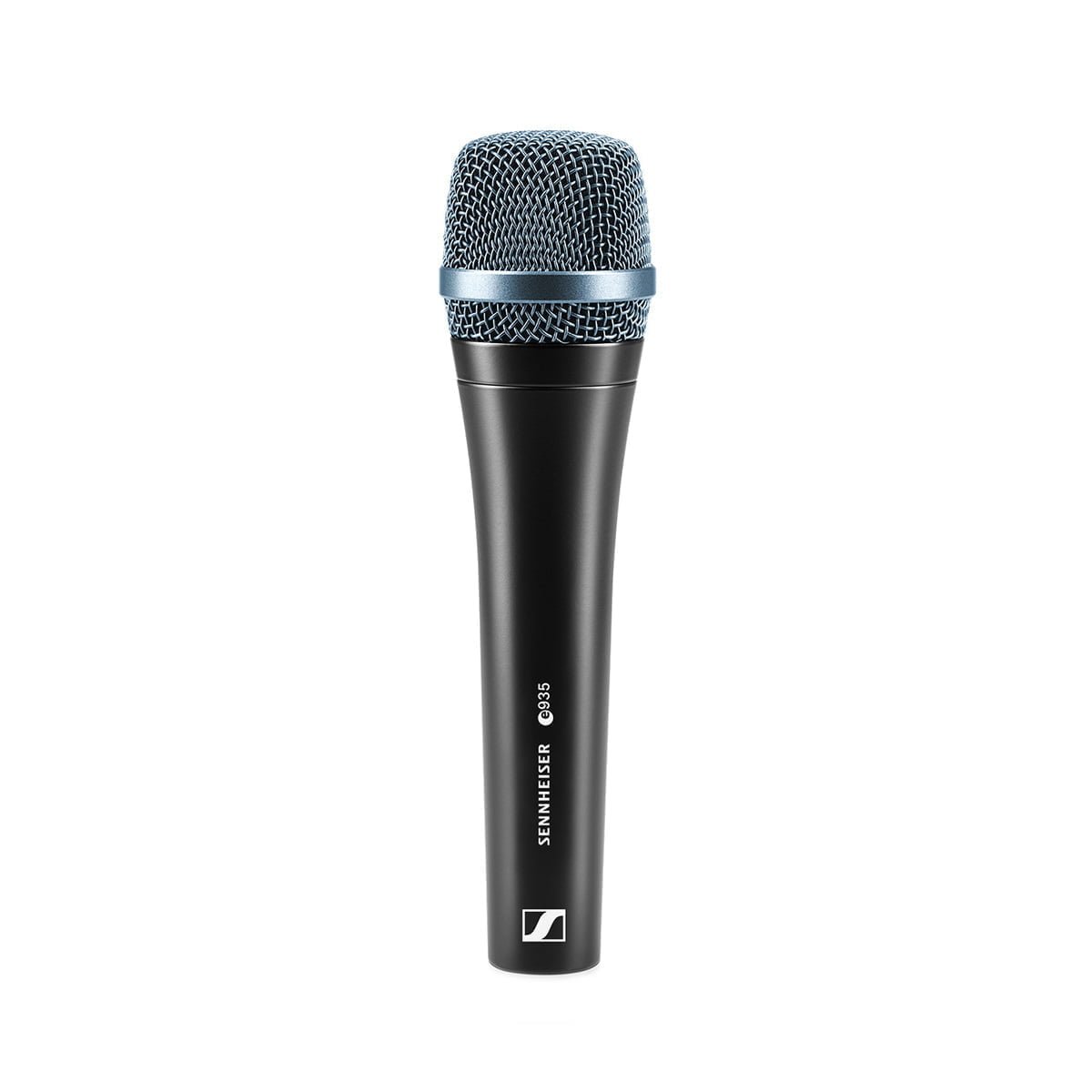
Sennheiser e 935 01Sennheiser e 935 02

Used Microphones

Sennheiser e 935

Grade A In stock

Dynamic cardioid vocal microphone with a presence boost for live stages. Fresh trade-in stock in original packaging, tested and sanitized.

Type
Dynamic cardioid
Polar pattern
Cardioid
Frequency response
40 Hz-18 kHz
— Common buyer questions

Common buyer questions

What condition is the Sennheiser e 935 in?

Grade A — near-mint, fully tested.

Is the e 935 covered by warranty?

Yes — every unit ships with a 90-day functional warranty; returns are accepted on tested failures.

What is the minimum order for the e 935?

MOQ 10 units, with B2B pricing and proforma within 24 hours.

Will the e 935 work in my country?

Every unit is bench-tested for mains voltage, connectors, CE/UL fit and regional requirements; we ship to 60+ countries with customs support.

— Similar equipment

Best Used Microphones Ranking: Sennheiser vs beyerdynamic vs Shure for Rental and Integration

Similar units in stock →
— Knowledge

Technical notes and buyer guidance

Used Sennheiser e 935 for Sale: A Buyer's Review for Wholesale Audio Pros

When you're sourcing used Sennheiser e 935 for sale in bulk for rental fleets, integration projects, or resale in CIS, the Middle East, South America, or Africa, the e 935 remains one of the most requested dynamic vocal microphones on the secondary market. Its cardioid pattern, 40 Hz–18 kHz frequency response, and 154 dB SPL handling make it a reliable workhorse for live vocals, and the rugged metal body survives the road better than most. For B2B buyers, the appeal is simple: a proven stage mic with strong brand recognition and predictable performance, often at 40–60% below new street price when you buy in lots.

Compared with the Sennheiser e 835 (fixed cardioid, 40 Hz–16 kHz, 150 dB SPL) and the e 945 (supercardioid, 40 Hz–18 kHz, 154 dB SPL), the e 935 sits in the sweet spot: tighter off-axis rejection than the 835, less proximity-effect boom than the 945, and a more neutral midrange that suits both male and female vocals. In our ranking of used Sennheiser dynamic vocal mics for wholesale buyers, the e 935 comes first for all-round rental stock, the e 945 second for high-SPL stages, and the e 835 third for budget-heavy fleets. The e 935's 1,000-ohm nominal impedance and hum-compensating coil also make it forgiving with long cable runs and less-than-perfect stage power.

When inspecting used Sennheiser e 935 units, check the grille for dents and dried foam residue, and confirm the capsule is not loose or rattling. Test the on/off switch (if present on that revision) for crackle, and verify the XLR connector locks firmly with no play. Look for corrosion on the body threads and signs of moisture ingress around the capsule. Ask for a frequency-response sweep or at least a live A/B against a known-good mic; a healthy e 935 should sound open and consistent across the vocal range with no dropouts. Confirm the serial number matches any included documentation, and check that the included clip and pouch are genuine Sennheiser parts, as third-party clips often fail in rental use.

Sennheiser e 935 Price Used: What B2B Buyers Should Expect

When sourcing the Sennheiser e 935 on the secondary market, wholesale buyers typically see used units priced between $120 and $180 per microphone, depending on condition, accessories, and batch size. Single-unit listings from individual sellers often sit at the higher end, while lots of 4–10 units from rental fleet liquidations can bring the per-unit price down by 15–25%. For B2B buyers in CIS, Middle East, South America, and Africa, landed cost matters as much as the sticker price, so always factor in shipping, customs, and any needed capsule or grille replacement before committing to a volume order.

The e 935 is a dynamic cardioid vocal microphone with a 40 Hz–18 kHz frequency response, 154 dB maximum SPL, and a rugged metal body that makes it a favorite for live sound and rental inventories. Compared with the e 835 (lower cost, less isolation) and the e 945 (supercardioid, tighter pattern, higher price), the e 935 sits in the sweet spot for lead vocals where feedback rejection and durability are priorities. In fixed ranking order by typical used price: e 835 (lowest), e 935 (mid), e 945 (highest). If your riders call for the e 935 specifically, buying used e 935 units in matched batches is usually more cost-effective than mixing models.

Inspection is critical when buying used e 935 stock. Check the grille for dents and dried foam, test the on/off switch for crackle, and confirm the capsule is original—third-party replacements change the tone and resale value. Ask for close-up photos of the XLR connector and threads, and request a test recording at speaking and singing levels. For fleet purchases, insist on serial number lists and a short warranty (30–90 days) so you can flag DOA units immediately. Cosmetic wear is acceptable for rental stock, but any rattle or intermittent signal should be a hard pass.

Sennheiser e 935 vs Alternatives: Which Used Vocal Mic Wins for Your Inventory?

If you are sourcing used professional audio gear for rental fleets, integration projects, or resale in CIS, the Middle East, South America, or Africa, the Sennheiser e 935 is a name that comes up often. It is a dynamic cardioid vocal microphone known for its robust build, high SPL handling, and a sound that sits well in live mixes without excessive EQ. But in the used market, availability and price fluctuate, and buyers often ask: is the e 935 still the best choice, or should I consider alternatives like the Shure SM58, Audix OM5, or Sennheiser e 945? This comparison is written for wholesale buyers who need to make quick, informed decisions on bulk lots and single units alike.

Key specs set the e 935 apart: it has a cardioid pattern, a frequency response of 40 Hz to 18 kHz, a nominal impedance of 350 ohms, and a maximum SPL of 154 dB. Compared to the Shure SM58 (cardioid, 50 Hz–15 kHz, 150 ohms, 94 dB SPL), the e 935 offers extended high-frequency response and higher SPL handling, making it more forgiving on loud stages. The Audix OM5 (hypercardioid, 48 Hz–19 kHz, 200 ohms, 144 dB SPL) provides tighter off-axis rejection but demands more careful monitor placement. The Sennheiser e 945 (supercardioid, 40 Hz–18 kHz, 350 ohms, 154 dB SPL) is the closest sibling, with a tighter pattern for high-bleed stages. In fixed ranking order for typical wholesale value: 1) Sennheiser e 935 – best all-round balance of sound, durability, and resale demand; 2) Shure SM58 – unbeatable for ubiquity and parts availability, though less detailed; 3) Audix OM5 – ideal for tight stages but less familiar to some buyers; 4) Sennheiser e 945 – excellent rejection but higher used price and narrower appeal.

When inspecting used units, focus on the capsule and grille first: dented grilles can indicate drops, and capsule contamination affects frequency response. Check the XLR connector for bent pins or corrosion, and test the on/off switch (if present) for crackle. The e 935 has a metal body, so look for deep scratches or dents that might compromise shielding. Verify that the thread on the stand adapter is intact, and ask for a frequency response sweep if possible. For bulk lots, request photos of each unit’s grille and connector, and confirm whether original clips and pouches are included, as these affect resale value.