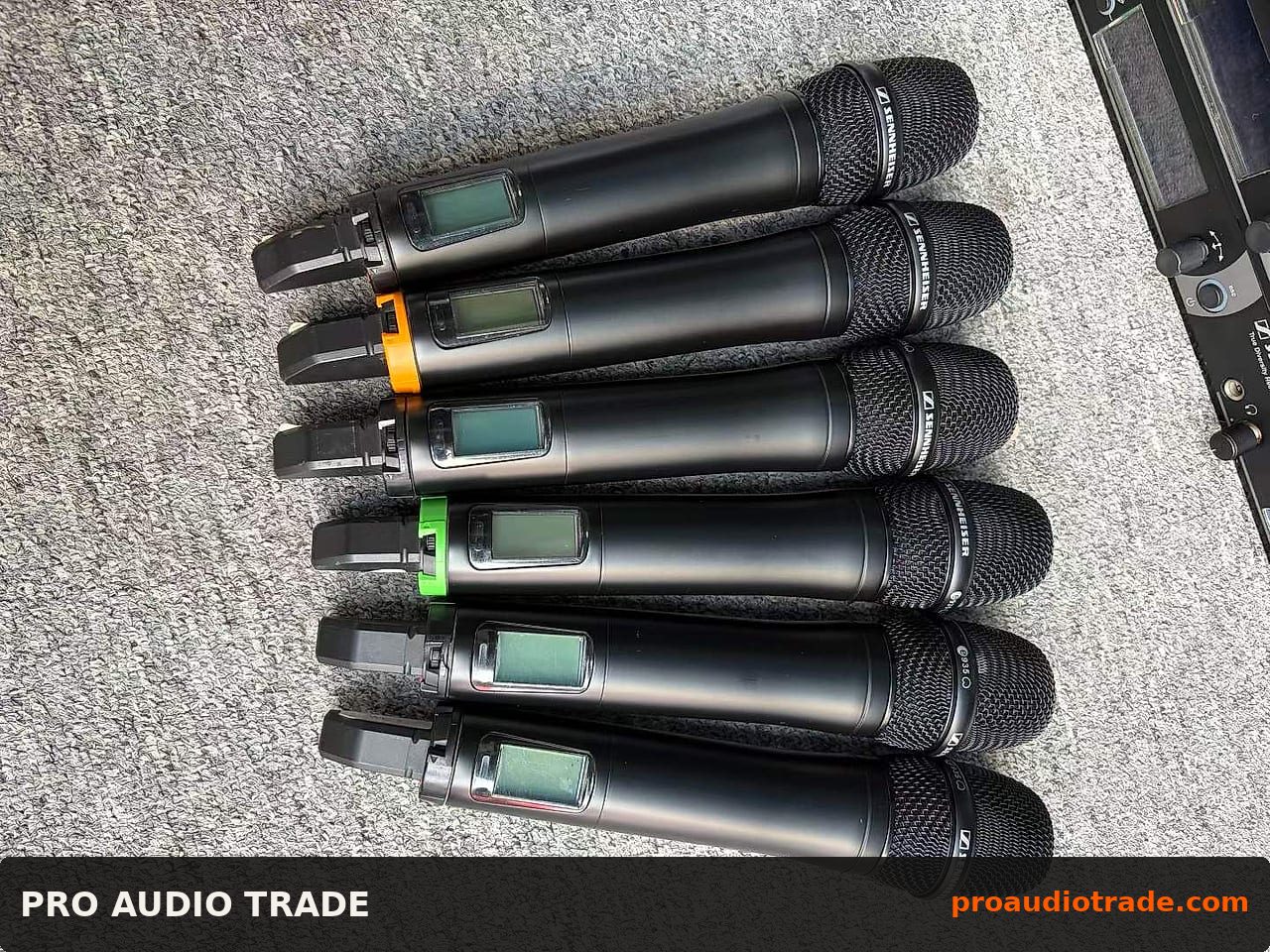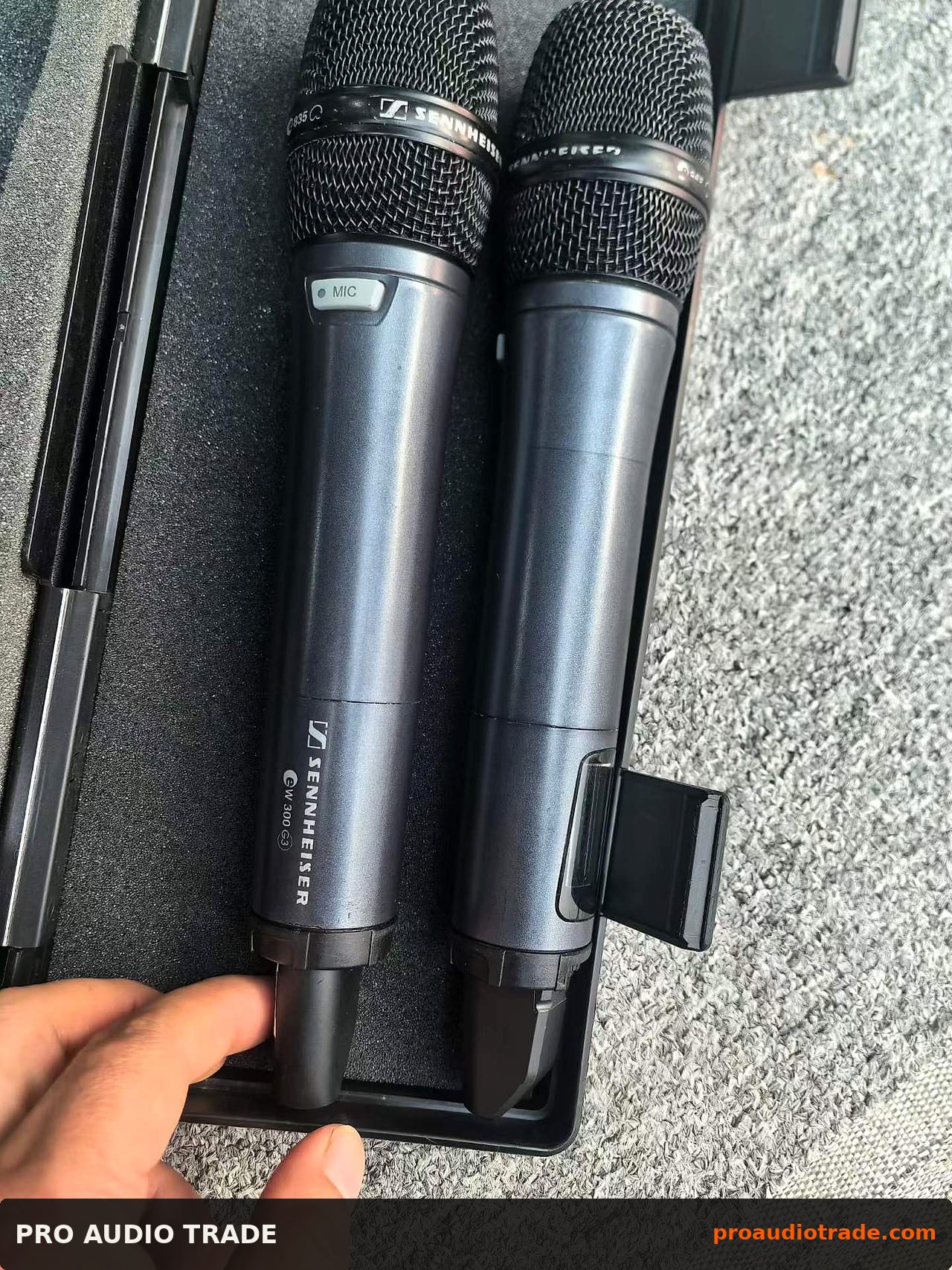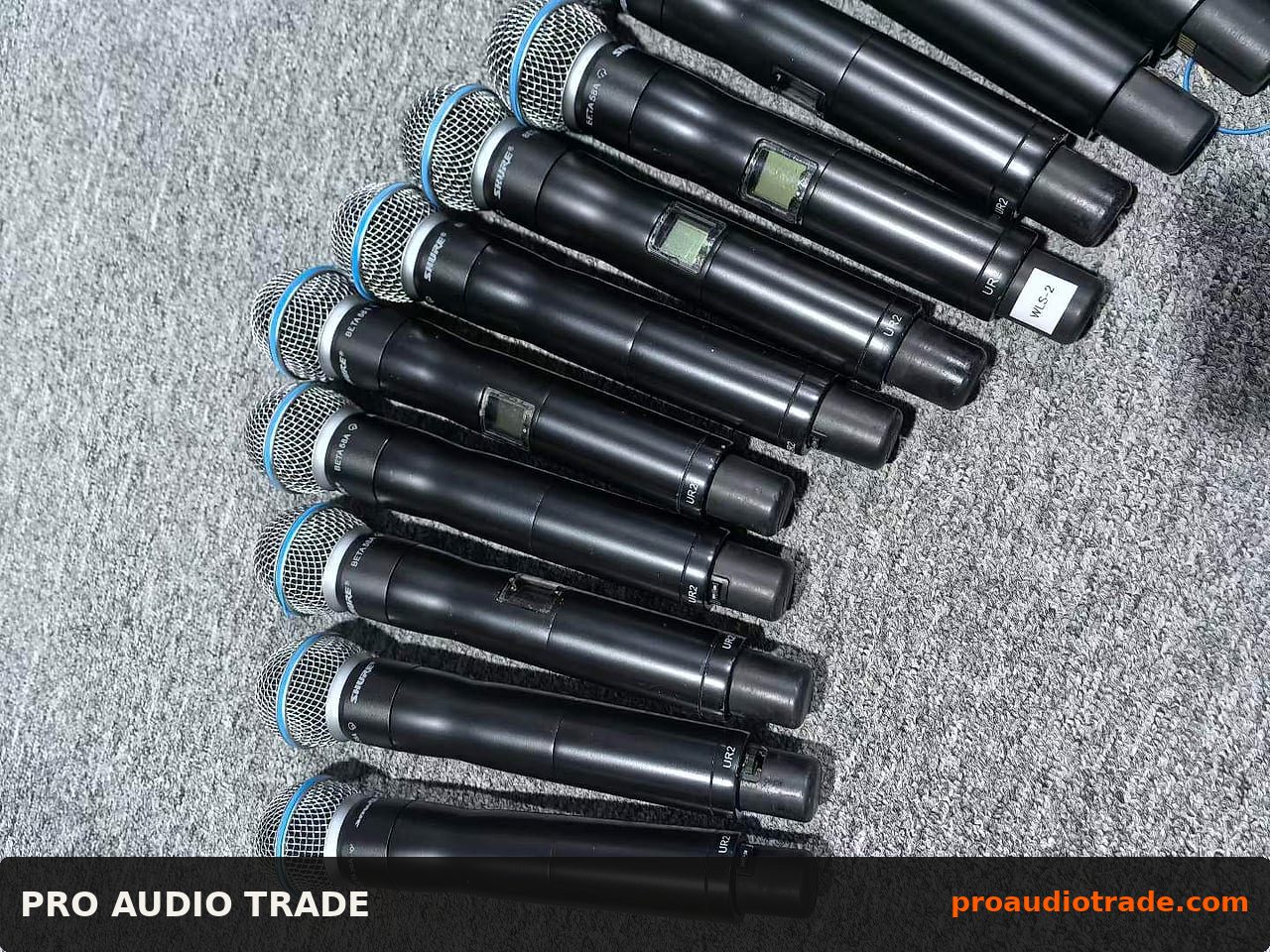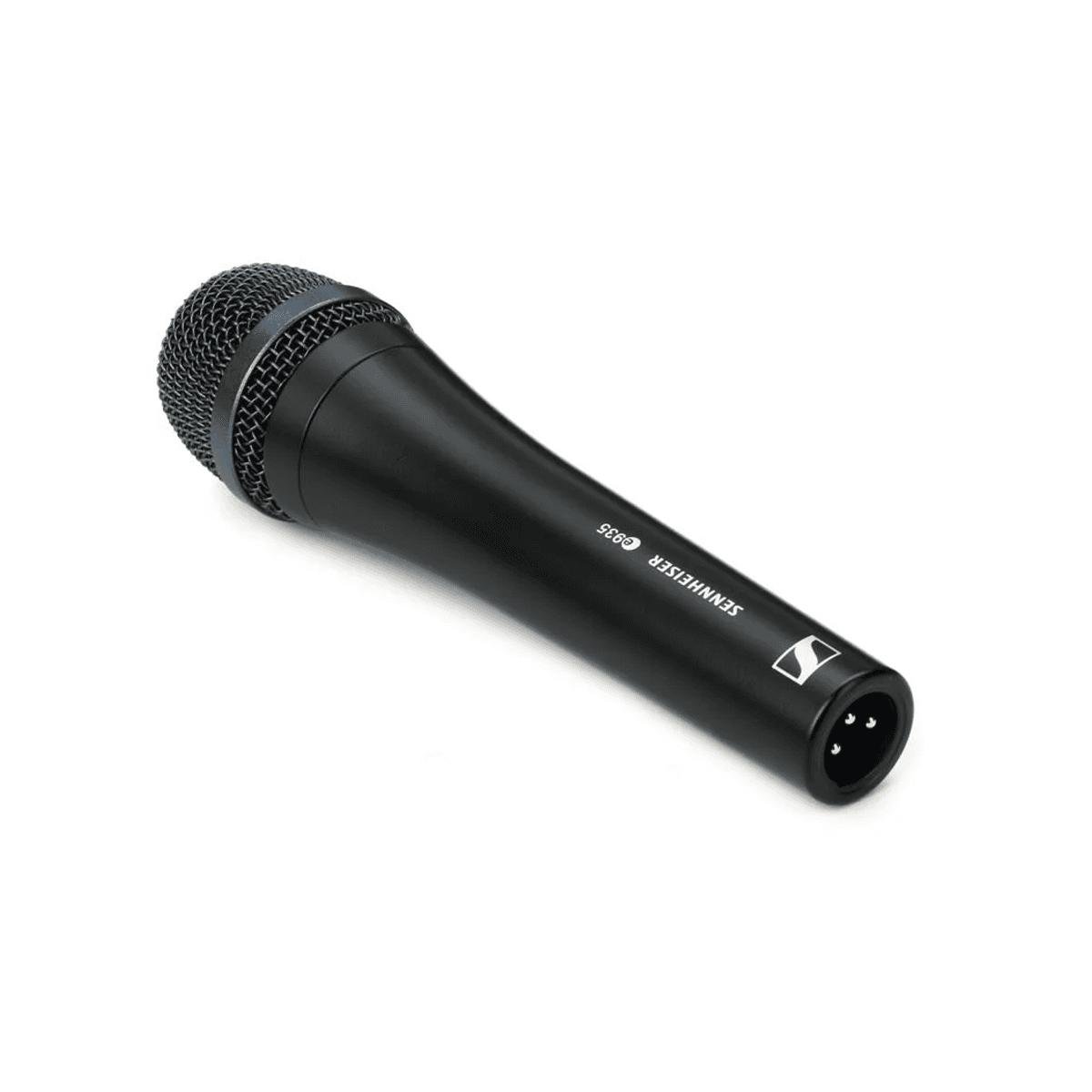
If you are sourcing used professional audio gear for rental fleets, integration projects, or resale in CIS, the Middle East, South America, or Africa, the Sennheiser e 935 is a name that comes up often. It is a dynamic cardioid vocal microphone known for its robust build, high SPL handling, and a sound that sits well in live mixes without excessive EQ. But in the used market, availability and price fluctuate, and buyers often ask: is the e 935 still the best choice, or should I consider alternatives like the Shure SM58, Audix OM5, or Sennheiser e 945? This comparison is written for wholesale buyers who need to make quick, informed decisions on bulk lots and single units alike.
Key specs set the e 935 apart: it has a cardioid pattern, a frequency response of 40 Hz to 18 kHz, a nominal impedance of 350 ohms, and a maximum SPL of 154 dB. Compared to the Shure SM58 (cardioid, 50 Hz–15 kHz, 150 ohms, 94 dB SPL), the e 935 offers extended high-frequency response and higher SPL handling, making it more forgiving on loud stages. The Audix OM5 (hypercardioid, 48 Hz–19 kHz, 200 ohms, 144 dB SPL) provides tighter off-axis rejection but demands more careful monitor placement. The Sennheiser e 945 (supercardioid, 40 Hz–18 kHz, 350 ohms, 154 dB SPL) is the closest sibling, with a tighter pattern for high-bleed stages. In fixed ranking order for typical wholesale value: 1) Sennheiser e 935 – best all-round balance of sound, durability, and resale demand; 2) Shure SM58 – unbeatable for ubiquity and parts availability, though less detailed; 3) Audix OM5 – ideal for tight stages but less familiar to some buyers; 4) Sennheiser e 945 – excellent rejection but higher used price and narrower appeal.
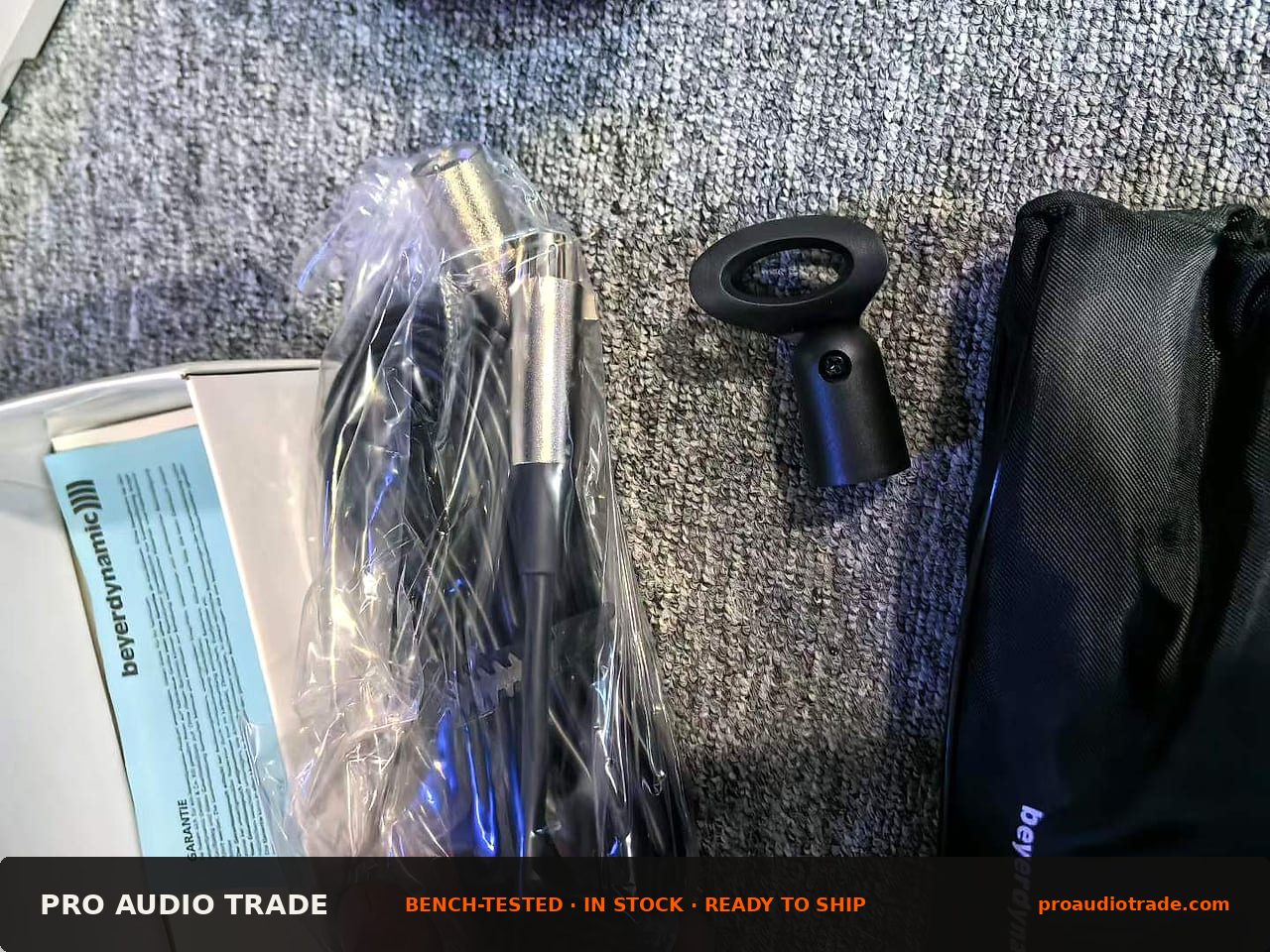
When inspecting used units, focus on the capsule and grille first: dented grilles can indicate drops, and capsule contamination affects frequency response. Check the XLR connector for bent pins or corrosion, and test the on/off switch (if present) for crackle. The e 935 has a metal body, so look for deep scratches or dents that might compromise shielding. Verify that the thread on the stand adapter is intact, and ask for a frequency response sweep if possible. For bulk lots, request photos of each unit’s grille and connector, and confirm whether original clips and pouches are included, as these affect resale value.
Next step: shortlist your alternatives based on stage volume and buyer familiarity in your region. If your clients run loud monitors, prioritize the e 945 or OM5; if they need a familiar workhorse, the SM58 is safer. For a balanced premium option, the e 935 remains a strong bet. Request a test recording or a return policy from your supplier, and start with a small batch to validate condition before committing to larger volumes.