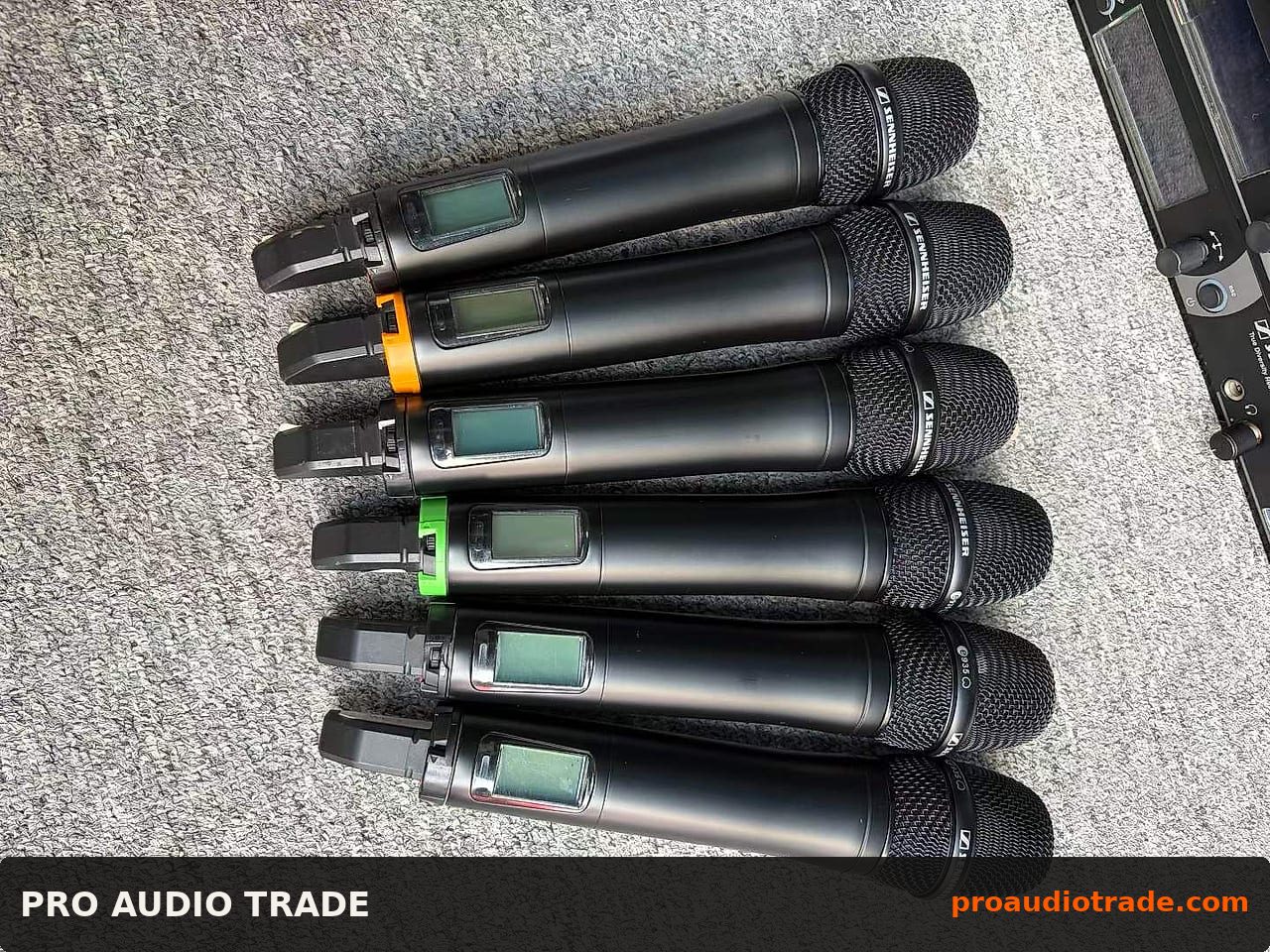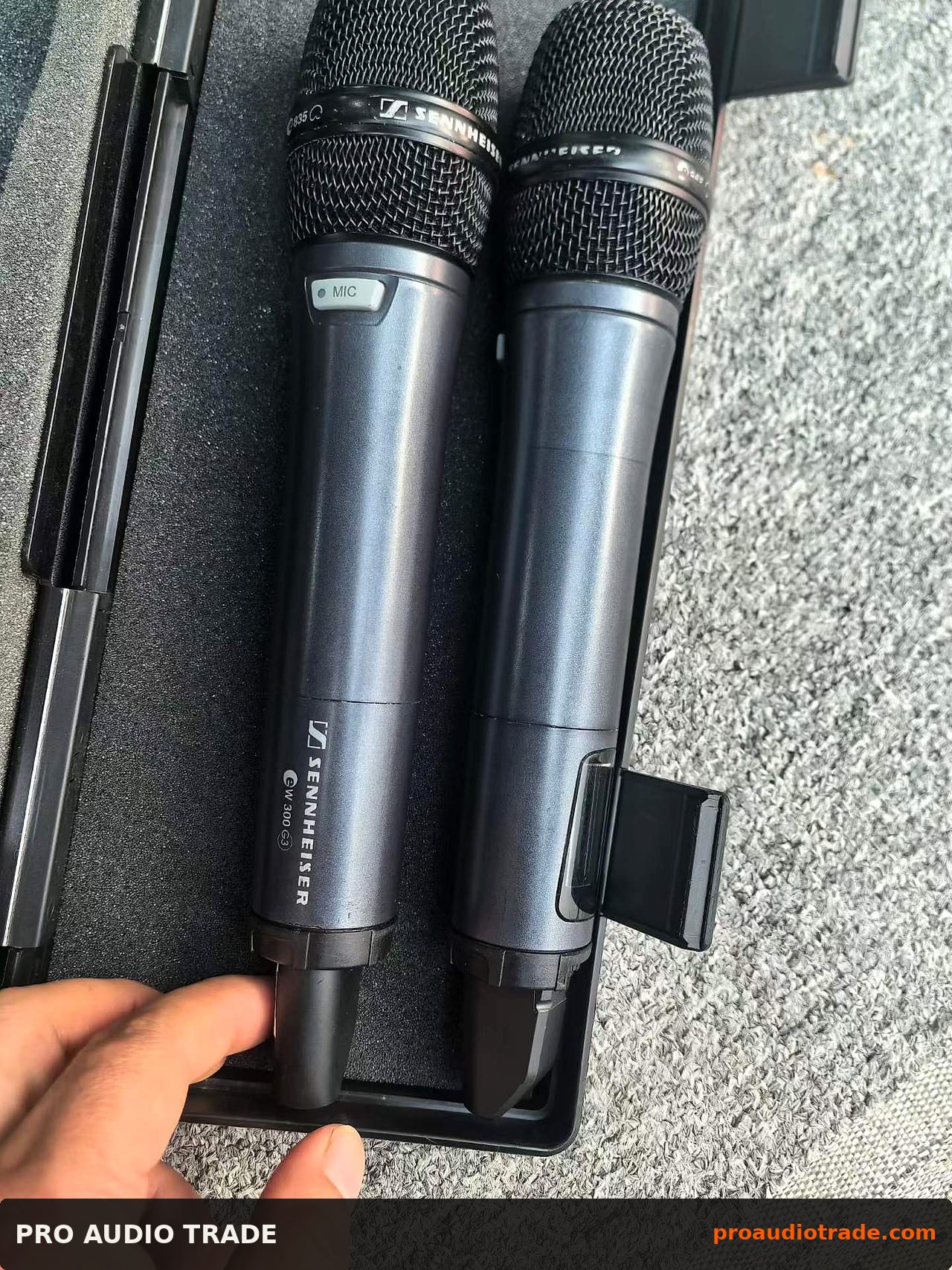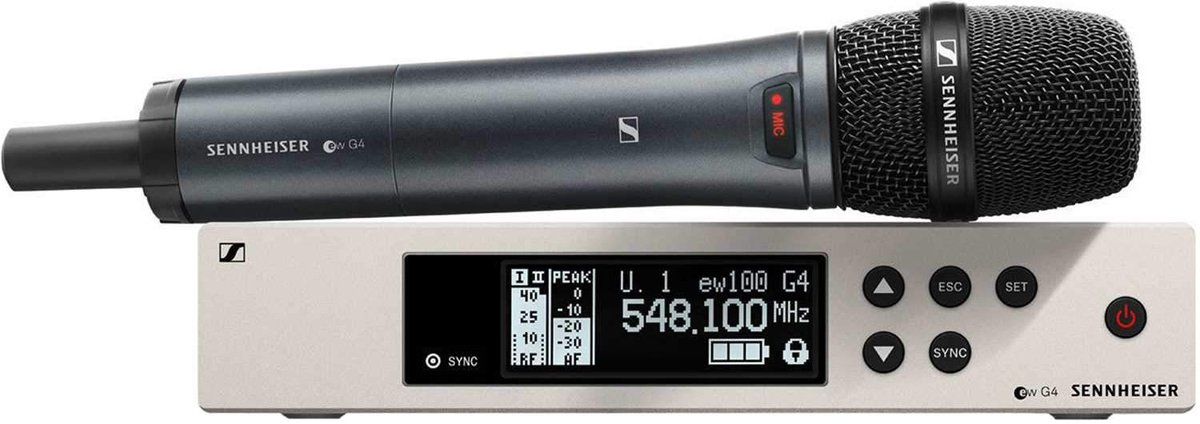
When sourcing the Sennheiser ew 100 G4 on the secondary market, wholesale buyers typically see used prices ranging from about $350 to $650 per complete system, depending on band, included components, and condition. Single receiver kits with a handheld or bodypack transmitter sit at the lower end, while multi-channel bundles, systems with premium capsules (e.g., ME 2, ME 3, MMD 835), or units still under transferable warranty command higher figures. Rental firms and integrators should factor in frequency-band compatibility for their region—A1, A, G, GB, and B bands are common—because a cheap unit in the wrong band is no bargain for CIS, Middle East, South America, or Africa deployments.
Ranking used ew 100 G4 value by configuration: 1) Complete single-channel system with receiver, handheld, and PSU—best entry price and easiest to resell; 2) Bodypack/lavalier sets—often priced slightly lower but highly sought by presenters and houses of worship; 3) Multi-channel bundles (2–4 channels)—per-channel price drops 10–20%, ideal for rental fleets; 4) Receiver-only or transmitter-only units—lowest cost but require matching components; 5) Systems with rare bands or discontinued accessories—priced unpredictably. Compared with the older ew 100 G3, the G4 typically carries a 15–25% premium used, justified by improved RF stability and easier synchronization, but G3 remains a budget alternative if band and condition are right.
Inspection is where the real price is set. Ask for photos of the receiver’s back panel and battery compartment for corrosion, confirm the exact frequency range against your local spectrum regulations, and request a test recording at 30+ meters to check dropouts. Verify that transmitters hold battery contacts firmly, that the display shows no dead pixels, and that the sync function pairs reliably. For bodypacks, check the belt clip and antenna base for cracks; for handhelds, inspect the capsule threads and mute switch. Insist on original PSU or a certified equivalent—cheap replacements cause hum and RF noise. Serial numbers should match across components where sold as a set, and ask whether the unit was ever serviced or had firmware updated.
Next step: shortlist two or three sellers, request a short video demo showing sync, walk-test, and battery-level readout, and confirm return policy and warranty terms in writing. For bulk orders, negotiate a spares package (antennas, belt clips, PSUs) and ask for the frequency band list per unit before payment. If you are equipping multiple venues, buy matched bands in one lot to simplify coordination and future resale. Always budget 10–15% above the sticker for shipping, customs, and a bench check by your own technician—this keeps the true landed cost predictable and protects your margin on client projects.