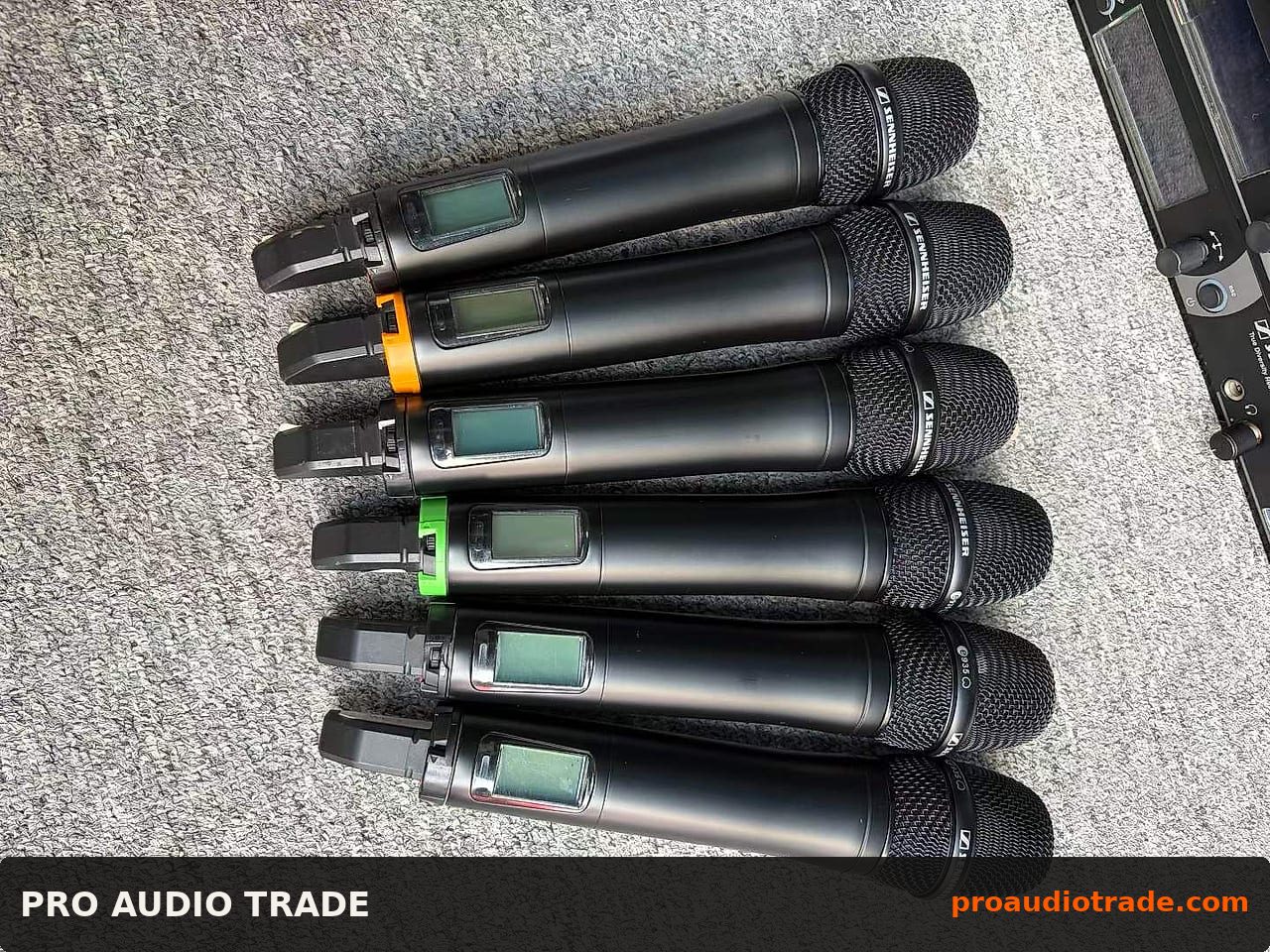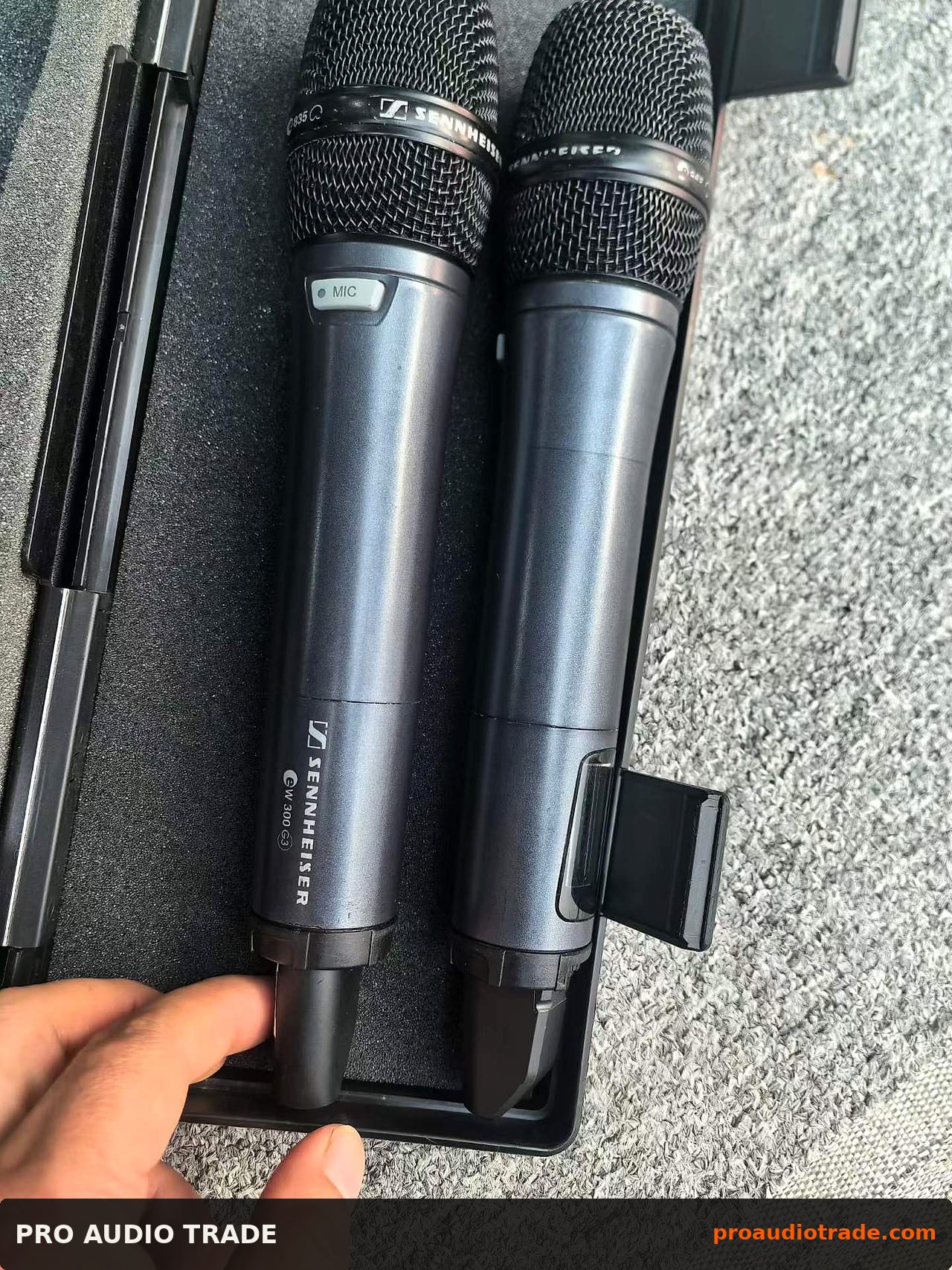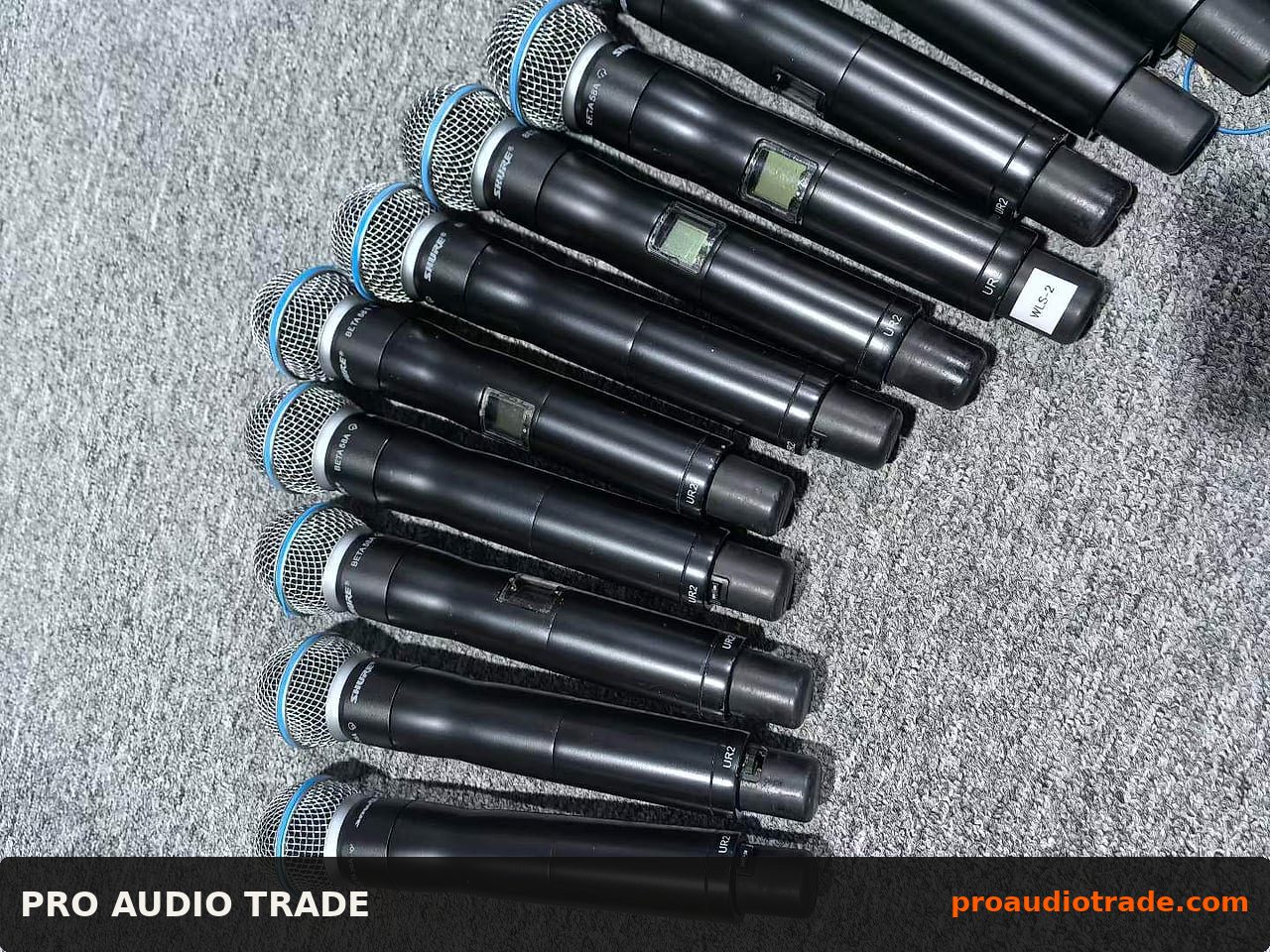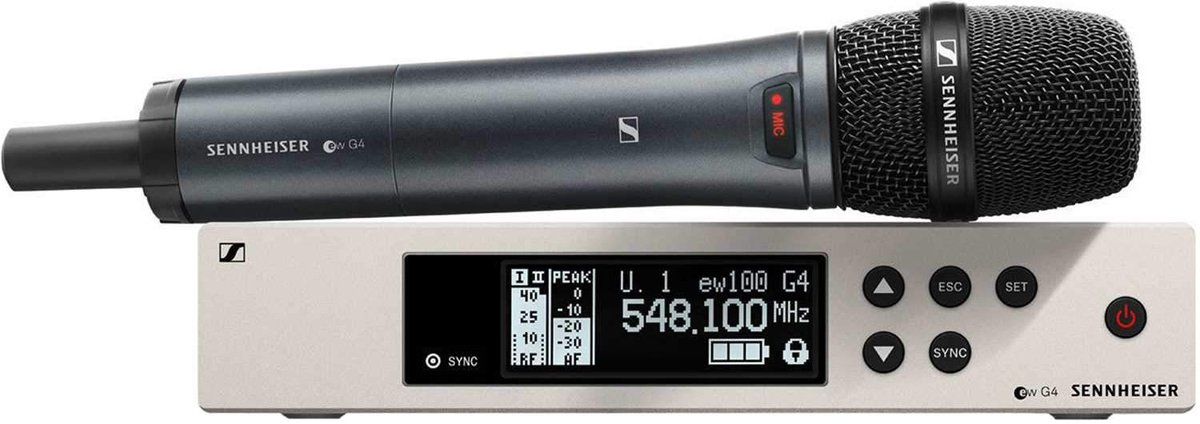
If you are sourcing reliable wireless for rental fleets, installed systems, or touring rigs, a used Sennheiser ew 100 G4 for sale is one of the safest bets in the pro audio market. The ew 100 G4 is the workhorse of the evolution wireless line: true diversity reception, up to 20 compatible channels per band, and a rugged metal half-rack receiver that survives truck packs and venue installs. For B2B buyers in CIS, the Middle East, South America, and Africa, the G4 platform remains popular because it balances price, availability of spare parts, and predictable RF performance in congested spectrum. Unlike entry-level systems, the ew 100 G4 offers professional-grade companding and a clear upgrade path to higher-end capsules, making it a smart choice for resale and rental inventory.
Key specs and comparison: The ew 100 G4 operates in select UHF bands (e.g., A1: 470–516 MHz, A: 516–558 MHz, G: 566–608 MHz, and others depending on region), with 20 fixed-frequency banks and up to 12 compatible channels per bank. It delivers 50 mW RF output (varies by local regulation), a 42 MHz switching bandwidth, and Sennheiser's HDX compander for clean audio. Compared to the older ew 100 G3, the G4 adds a higher-contrast OLED display, improved sync via infrared, and better power management (up to 8 hours on 2 AA batteries). Against the ew 500 G4, the 100 series lacks the higher RF output and metal body-pack of the 500, but for speech and general handheld use, the 100 G4 is more cost-effective. In fixed ranking order for wholesale value: 1) ew 100 G4 — best balance of price and reliability; 2) ew 100 G3 — cheaper but older displays and fewer sync features; 3) Shure BLX — lower cost but less robust RF and plastic construction; 4) ew 500 G4 — premium choice for critical tours. For most rental and install buyers, the G4 100 is the sweet spot.
What to inspect on a used unit: First, verify the exact frequency band matches your country's legal spectrum — a G-band unit is useless in regions where 566–608 MHz is restricted. Check the receiver's display for dead pixels and confirm the infrared sync works with the included transmitter. Test the body-pack or handheld for battery door integrity, antenna condition, and any signs of drop damage. Ask for the serial number and confirm it is not reported stolen; Sennheiser's service portal can verify authenticity. Inspect the XLR and jack outputs for noise, and test the mute switch on the handheld. For body-packs, check the 3.5 mm mic input for wear. Batteries: ensure the contacts are clean and not corroded. Finally, request a photo of the internal battery compartment and the RF spectrum scan to confirm the unit locks onto channels without dropouts.
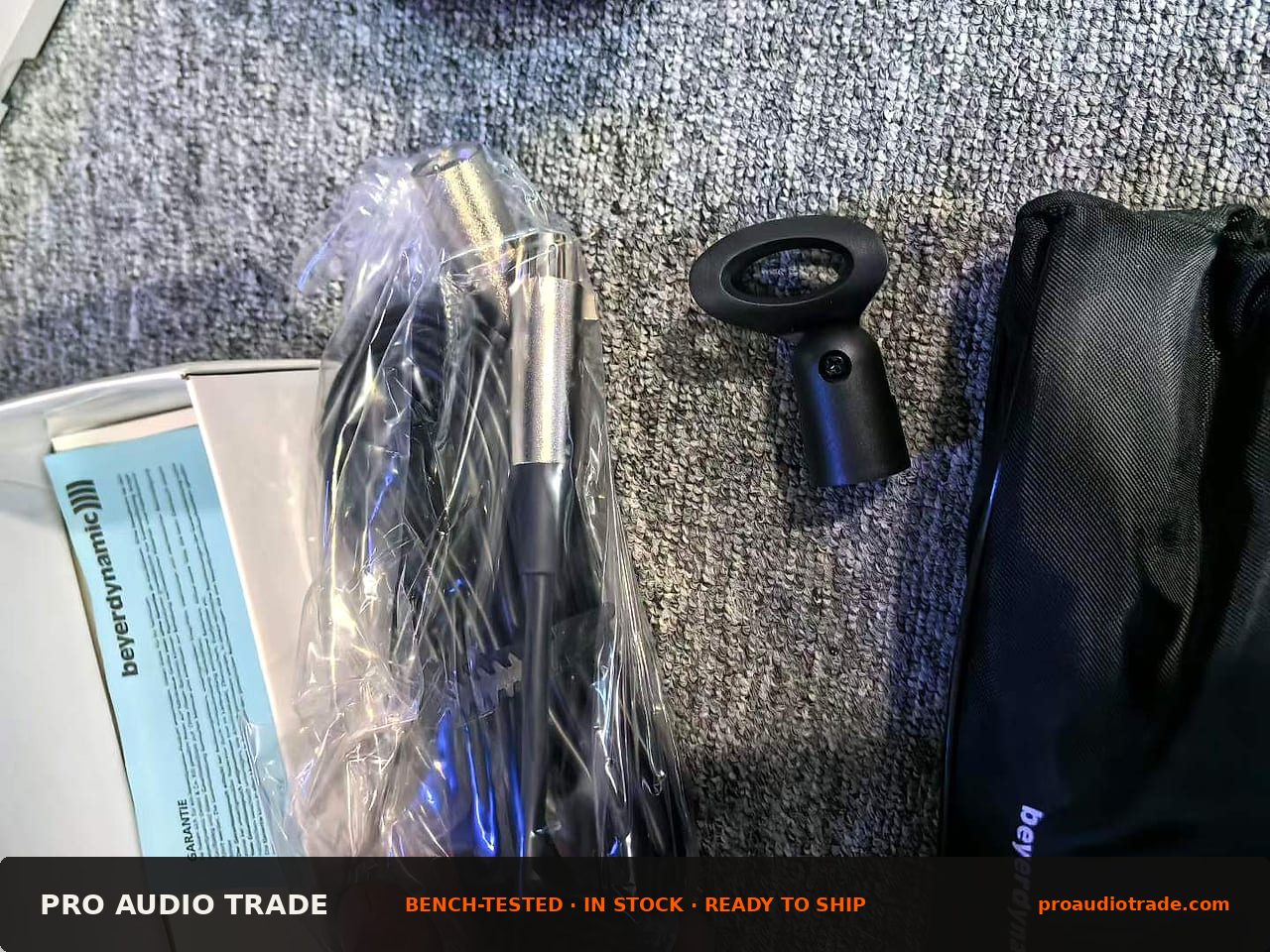
Next step: When buying wholesale, insist on a 48-hour test window and a written guarantee that the system is not frequency-restricted in your market. Request the original accessories (power supply, antennas, rack kit, pouches) because missing parts add 15–25% to your total cost. For bulk orders, ask the seller to provide a frequency coordination chart for your region and confirm that all units are from the same band. If you are sourcing for resale, check that the firmware is up to date and that the receiver and transmitter are paired. A used Sennheiser ew 100 G4 for sale at a fair price with a test guarantee is a low-risk addition to any pro audio inventory — but always verify band legality and cosmetic condition before committing to volume.