Skip to content
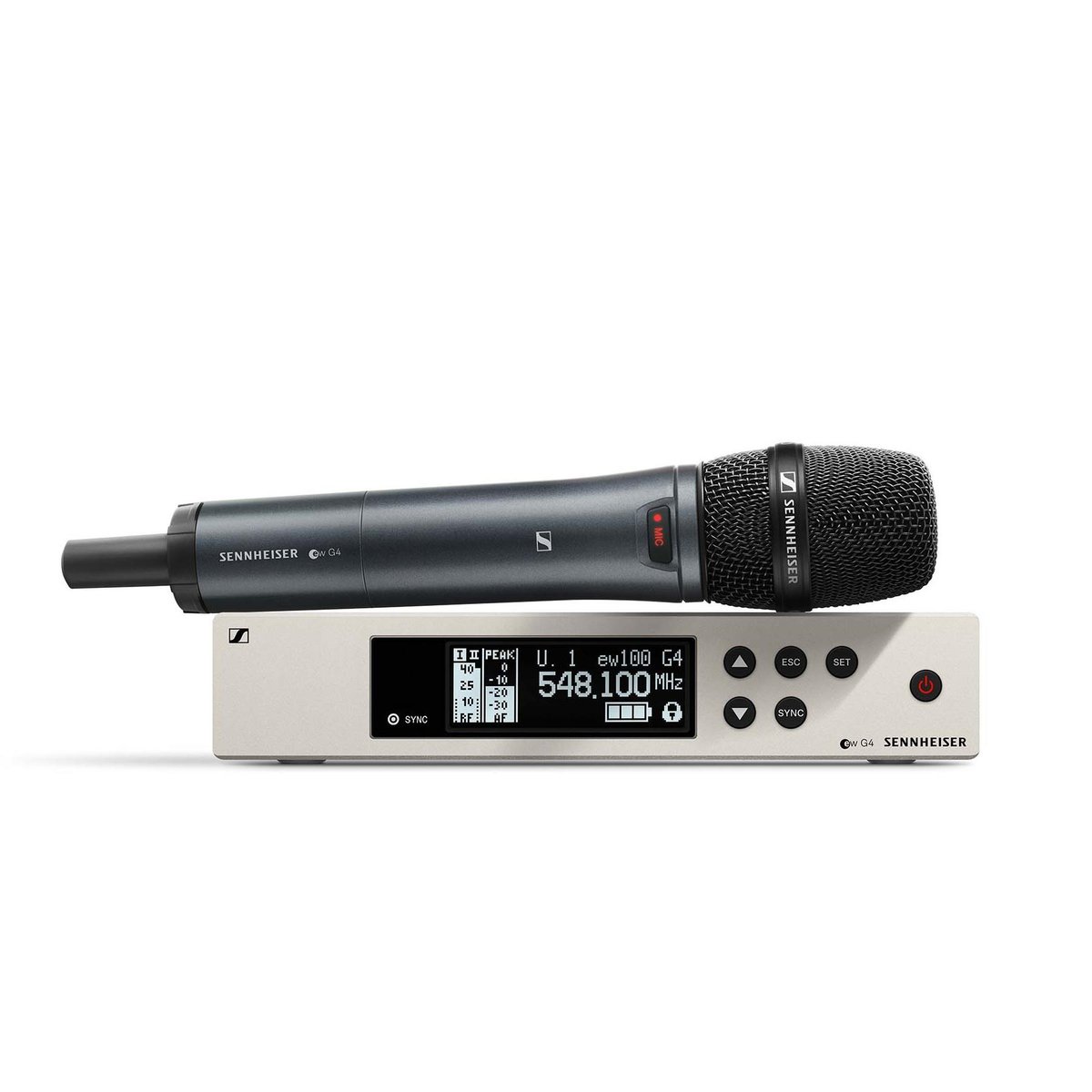
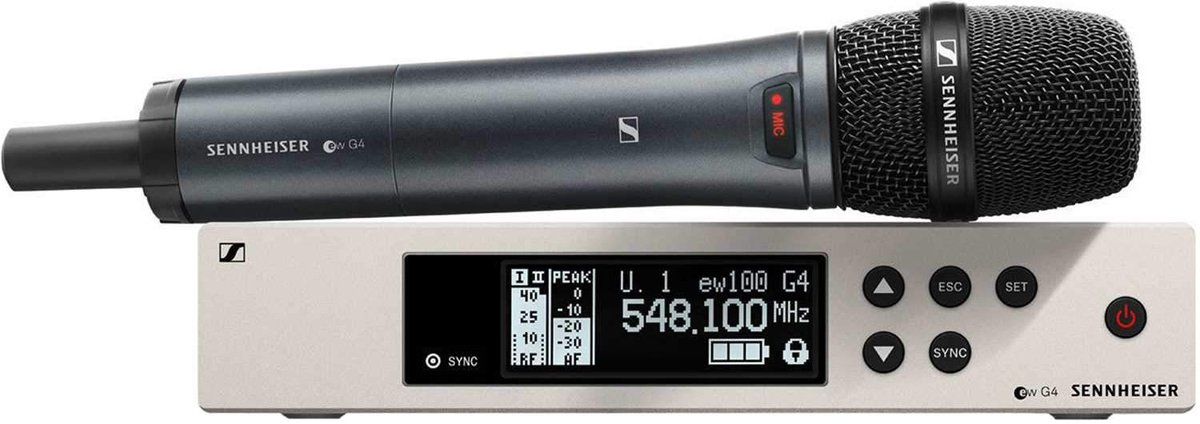
Sennheiser ew 100 G4
Sennheiser ew 100 G4 01Sennheiser ew 100 G4 02

Used Microphones

Sennheiser ew 100 G4

Grade A In stock

UHF vocal sets with e 835 capsules, EM 100 receivers and bodypack transmitters. Frequency ranges documented for regional licensing, batched tested.

Band
UHF, region set
Capsule
e 835 cardioid
Range
up to 100 m
— Common buyer questions

Common buyer questions

What condition is the Sennheiser ew 100 G4 in?

Grade A — near-mint, fully tested.

Is the ew 100 G4 covered by warranty?

Yes — every unit ships with a 90-day functional warranty; returns are accepted on tested failures.

What is the minimum order for the ew 100 G4?

MOQ 10 units, with B2B pricing and proforma within 24 hours.

Will the ew 100 G4 work in my country?

Every unit is bench-tested for mains voltage, connectors, CE/UL fit and regional requirements; we ship to 60+ countries with customs support.

— Similar equipment

Best Used Microphones Ranking: Sennheiser vs beyerdynamic vs Shure for Rental and Integration

Similar units in stock →
— Knowledge

Technical notes and buyer guidance

Used Sennheiser ew 100 G4 for Sale: A Buyer's Review for Pro Audio Wholesale

If you are sourcing reliable wireless for rental fleets, installed systems, or touring rigs, a used Sennheiser ew 100 G4 for sale is one of the safest bets in the pro audio market. The ew 100 G4 is the workhorse of the evolution wireless line: true diversity reception, up to 20 compatible channels per band, and a rugged metal half-rack receiver that survives truck packs and venue installs. For B2B buyers in CIS, the Middle East, South America, and Africa, the G4 platform remains popular because it balances price, availability of spare parts, and predictable RF performance in congested spectrum. Unlike entry-level systems, the ew 100 G4 offers professional-grade companding and a clear upgrade path to higher-end capsules, making it a smart choice for resale and rental inventory.

Key specs and comparison: The ew 100 G4 operates in select UHF bands (e.g., A1: 470–516 MHz, A: 516–558 MHz, G: 566–608 MHz, and others depending on region), with 20 fixed-frequency banks and up to 12 compatible channels per bank. It delivers 50 mW RF output (varies by local regulation), a 42 MHz switching bandwidth, and Sennheiser's HDX compander for clean audio. Compared to the older ew 100 G3, the G4 adds a higher-contrast OLED display, improved sync via infrared, and better power management (up to 8 hours on 2 AA batteries). Against the ew 500 G4, the 100 series lacks the higher RF output and metal body-pack of the 500, but for speech and general handheld use, the 100 G4 is more cost-effective. In fixed ranking order for wholesale value: 1) ew 100 G4 — best balance of price and reliability; 2) ew 100 G3 — cheaper but older displays and fewer sync features; 3) Shure BLX — lower cost but less robust RF and plastic construction; 4) ew 500 G4 — premium choice for critical tours. For most rental and install buyers, the G4 100 is the sweet spot.

What to inspect on a used unit: First, verify the exact frequency band matches your country's legal spectrum — a G-band unit is useless in regions where 566–608 MHz is restricted. Check the receiver's display for dead pixels and confirm the infrared sync works with the included transmitter. Test the body-pack or handheld for battery door integrity, antenna condition, and any signs of drop damage. Ask for the serial number and confirm it is not reported stolen; Sennheiser's service portal can verify authenticity. Inspect the XLR and jack outputs for noise, and test the mute switch on the handheld. For body-packs, check the 3.5 mm mic input for wear. Batteries: ensure the contacts are clean and not corroded. Finally, request a photo of the internal battery compartment and the RF spectrum scan to confirm the unit locks onto channels without dropouts.

Sennheiser ew 100 G4 Price Used: What B2B Buyers Should Expect

When sourcing the Sennheiser ew 100 G4 on the secondary market, wholesale buyers typically see used prices ranging from about $350 to $650 per complete system, depending on band, included components, and condition. Single receiver kits with a handheld or bodypack transmitter sit at the lower end, while multi-channel bundles, systems with premium capsules (e.g., ME 2, ME 3, MMD 835), or units still under transferable warranty command higher figures. Rental firms and integrators should factor in frequency-band compatibility for their region—A1, A, G, GB, and B bands are common—because a cheap unit in the wrong band is no bargain for CIS, Middle East, South America, or Africa deployments.

Ranking used ew 100 G4 value by configuration: 1) Complete single-channel system with receiver, handheld, and PSU—best entry price and easiest to resell; 2) Bodypack/lavalier sets—often priced slightly lower but highly sought by presenters and houses of worship; 3) Multi-channel bundles (2–4 channels)—per-channel price drops 10–20%, ideal for rental fleets; 4) Receiver-only or transmitter-only units—lowest cost but require matching components; 5) Systems with rare bands or discontinued accessories—priced unpredictably. Compared with the older ew 100 G3, the G4 typically carries a 15–25% premium used, justified by improved RF stability and easier synchronization, but G3 remains a budget alternative if band and condition are right.

Inspection is where the real price is set. Ask for photos of the receiver’s back panel and battery compartment for corrosion, confirm the exact frequency range against your local spectrum regulations, and request a test recording at 30+ meters to check dropouts. Verify that transmitters hold battery contacts firmly, that the display shows no dead pixels, and that the sync function pairs reliably. For bodypacks, check the belt clip and antenna base for cracks; for handhelds, inspect the capsule threads and mute switch. Insist on original PSU or a certified equivalent—cheap replacements cause hum and RF noise. Serial numbers should match across components where sold as a set, and ask whether the unit was ever serviced or had firmware updated.

Sennheiser ew 100 G4 vs Alternatives: A B2B Buyer’s Comparison

If you are sourcing wireless microphone systems for rental fleets, installed sound, or touring rigs, the Sennheiser ew 100 G4 is often the first name on the shortlist. It has become a de facto standard in the mid-tier professional segment thanks to its robust build, reliable RF performance, and wide availability of used units. But in the wholesale used market, supply and pricing fluctuate, and several alternatives can deliver comparable or better value depending on your region, frequency coordination needs, and client expectations. This comparison is written for audio engineers, rental firms, and integrators who buy in volume and need to make quick, informed decisions.

Key specs set the ew 100 G4 apart: it offers up to 20 compatible channels per band, 42 MHz switching bandwidth, and a transmission power of 30 mW (50 mW in some regions). The EM 100 G4 receiver is a half-rack unit with a clear OLED display, and the SKM 100 G4 handheld and SK 100 G4 bodypack transmitters use standard AA batteries with up to 8 hours of runtime. Compared to the Shure BLX and QLXD series, the G4 sits between them in price and features: BLX is simpler and cheaper but lacks networked control and has narrower tuning; QLXD adds digital audio and AES-256 encryption but costs significantly more. The Sennheiser ew 100 G3 remains a popular used alternative, often 20–30% cheaper, but it lacks the G4’s improved RF front-end and slightly better battery life. For budget-focused rentals, the Shure BLX is a common entry point, while for premium corporate work, QLXD or Sennheiser ew 500 G4 are the step-ups. In fixed ranking order for used B2B value: 1) Sennheiser ew 100 G4 — best all-round balance of reliability, parts availability, and rider acceptance; 2) Shure QLXD — best digital upgrade if clients demand encryption and cleaner RF; 3) Sennheiser ew 100 G3 — best budget Sennheiser option with wide used supply; 4) Shure BLX — best low-cost entry for small rentals; 5) Sennheiser ew 500 G4 — best premium analog choice for high-profile events.

When inspecting used ew 100 G4 units, check the battery compartment for corrosion and the battery door latch for cracks — both are common wear points. Test the RF scan and sync functions on the receiver, and verify that the transmitter’s display is bright with no dead pixels. Ask for the frequency band and confirm it is legal in your target market; CIS, Middle East, South America, and Africa have different spectrum regulations. Inspect the antenna connectors for looseness, and test the mute switch on the handheld (if present) for reliable operation. For bodypack units, check the input connector for wear and confirm the belt clip is intact. Also verify that the receiver’s power supply is original or a compatible regulated unit, as cheap replacements can introduce noise. If buying in bulk, request a photo of the serial numbers and a short video of each unit powering on and syncing.