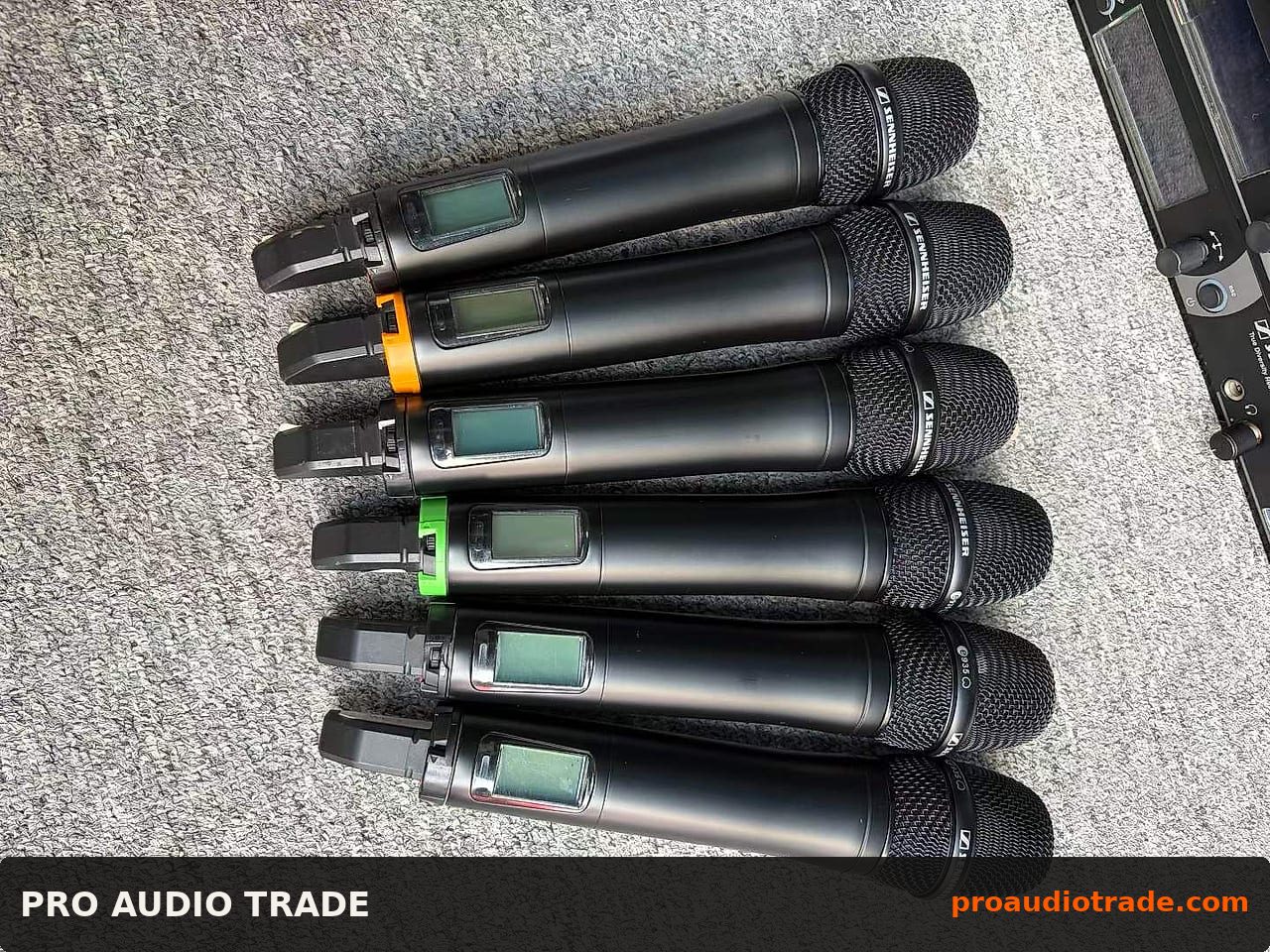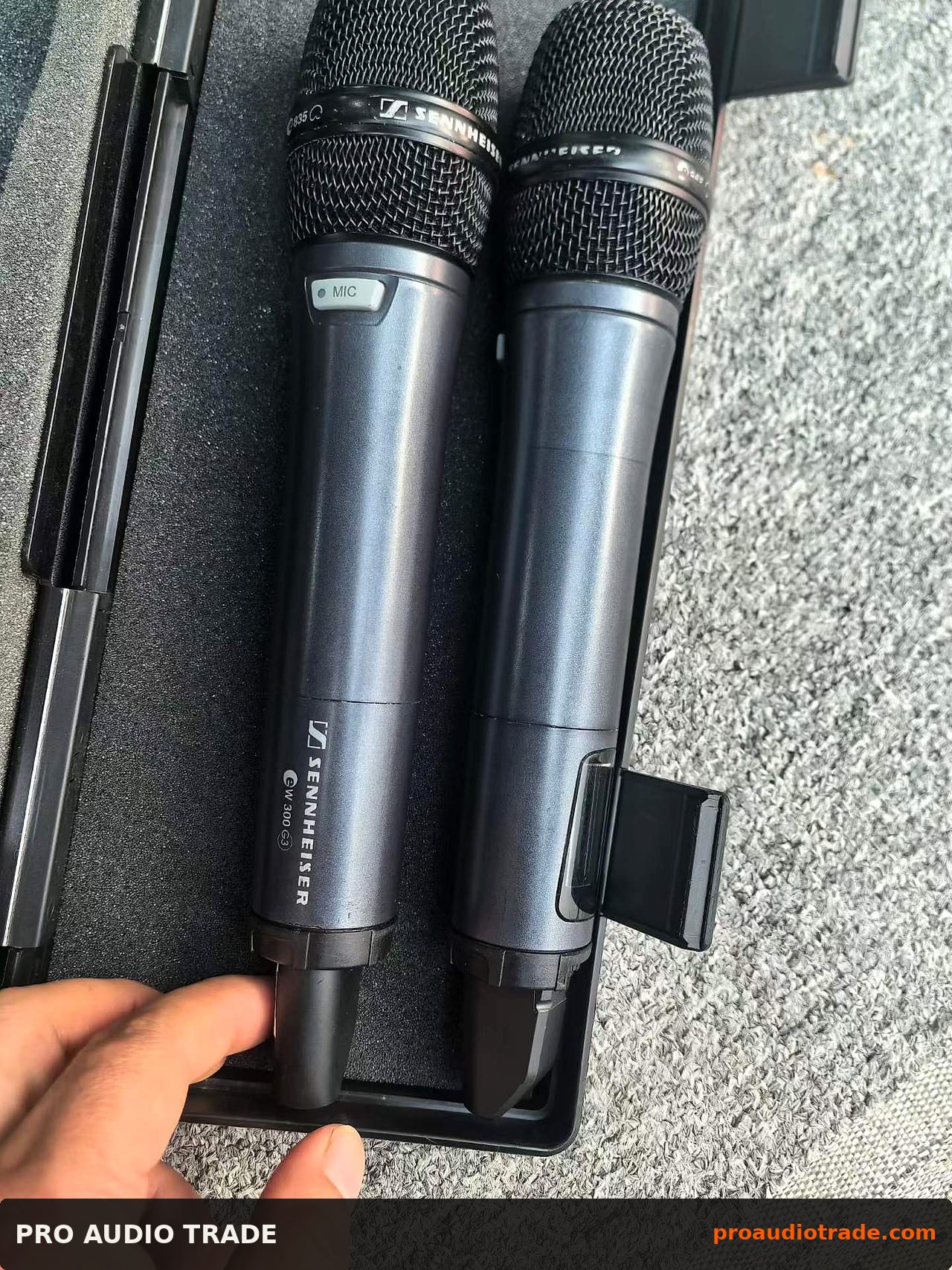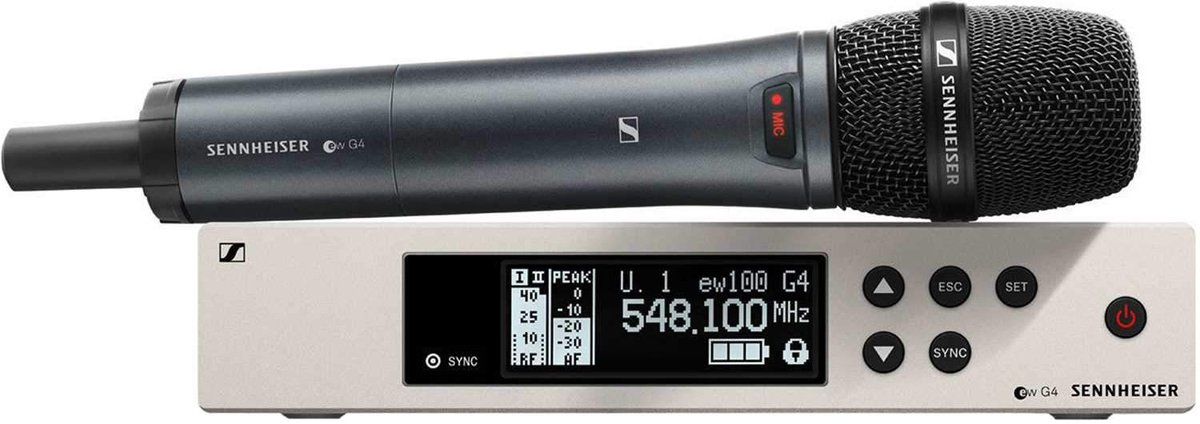
If you are sourcing wireless microphone systems for rental fleets, installed sound, or touring rigs, the Sennheiser ew 100 G4 is often the first name on the shortlist. It has become a de facto standard in the mid-tier professional segment thanks to its robust build, reliable RF performance, and wide availability of used units. But in the wholesale used market, supply and pricing fluctuate, and several alternatives can deliver comparable or better value depending on your region, frequency coordination needs, and client expectations. This comparison is written for audio engineers, rental firms, and integrators who buy in volume and need to make quick, informed decisions.
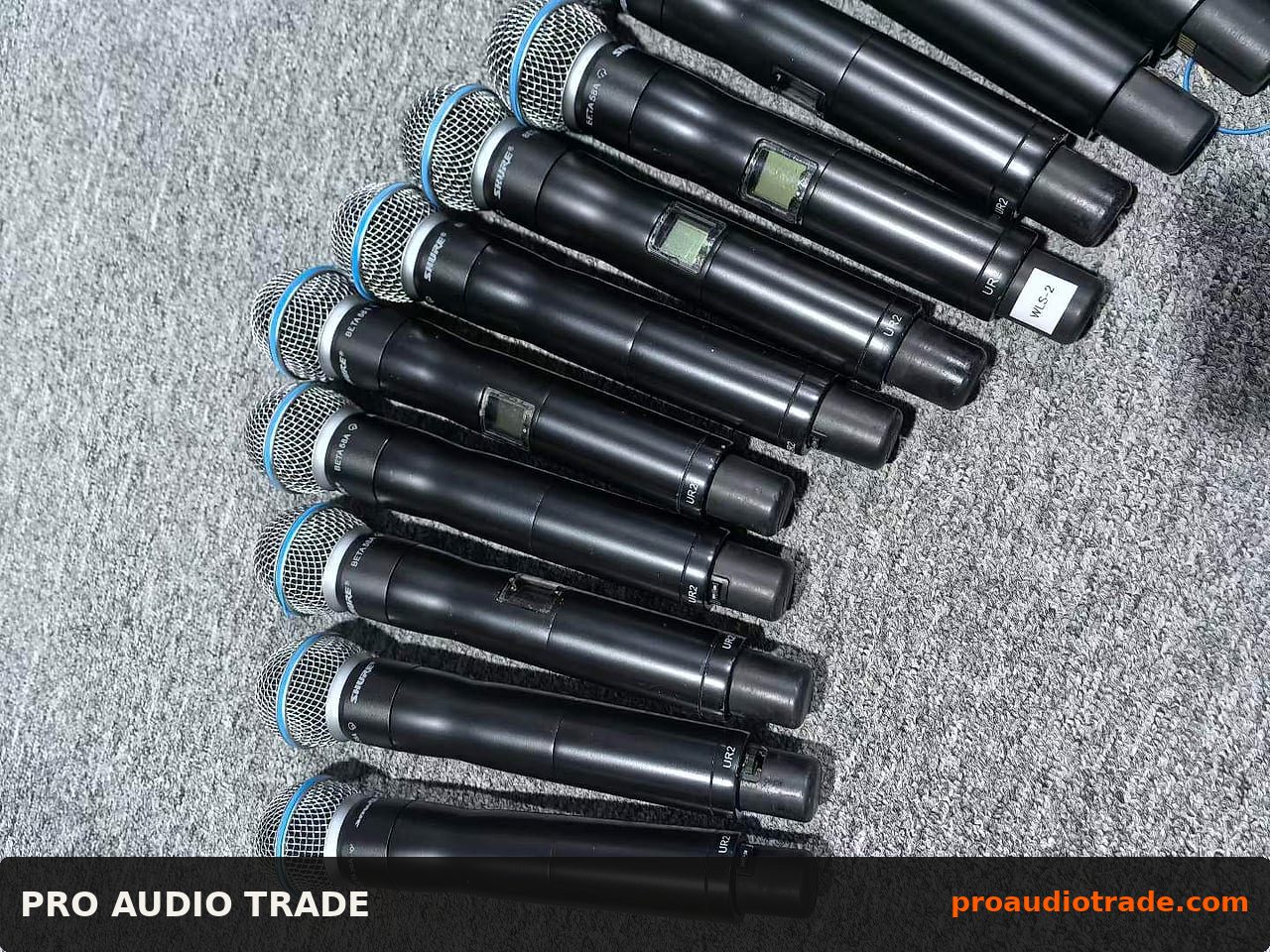
Key specs set the ew 100 G4 apart: it offers up to 20 compatible channels per band, 42 MHz switching bandwidth, and a transmission power of 30 mW (50 mW in some regions). The EM 100 G4 receiver is a half-rack unit with a clear OLED display, and the SKM 100 G4 handheld and SK 100 G4 bodypack transmitters use standard AA batteries with up to 8 hours of runtime. Compared to the Shure BLX and QLXD series, the G4 sits between them in price and features: BLX is simpler and cheaper but lacks networked control and has narrower tuning; QLXD adds digital audio and AES-256 encryption but costs significantly more. The Sennheiser ew 100 G3 remains a popular used alternative, often 20–30% cheaper, but it lacks the G4’s improved RF front-end and slightly better battery life. For budget-focused rentals, the Shure BLX is a common entry point, while for premium corporate work, QLXD or Sennheiser ew 500 G4 are the step-ups. In fixed ranking order for used B2B value: 1) Sennheiser ew 100 G4 — best all-round balance of reliability, parts availability, and rider acceptance; 2) Shure QLXD — best digital upgrade if clients demand encryption and cleaner RF; 3) Sennheiser ew 100 G3 — best budget Sennheiser option with wide used supply; 4) Shure BLX — best low-cost entry for small rentals; 5) Sennheiser ew 500 G4 — best premium analog choice for high-profile events.
When inspecting used ew 100 G4 units, check the battery compartment for corrosion and the battery door latch for cracks — both are common wear points. Test the RF scan and sync functions on the receiver, and verify that the transmitter’s display is bright with no dead pixels. Ask for the frequency band and confirm it is legal in your target market; CIS, Middle East, South America, and Africa have different spectrum regulations. Inspect the antenna connectors for looseness, and test the mute switch on the handheld (if present) for reliable operation. For bodypack units, check the input connector for wear and confirm the belt clip is intact. Also verify that the receiver’s power supply is original or a compatible regulated unit, as cheap replacements can introduce noise. If buying in bulk, request a photo of the serial numbers and a short video of each unit powering on and syncing.
Your next step depends on volume and urgency. For a single replacement or a small batch, the ew 100 G4 is the safest bet for rider acceptance and parts availability. If you need 10+ units for a rental fleet, consider mixing G4 with G3 to lower cost while keeping Sennheiser accessories common. For digital workflows or corporate clients requiring encryption, price out QLXD and compare total cost of ownership, including battery and antenna accessories. Always request a frequency coordination chart for your region before committing, and confirm the seller’s return policy on used RF gear. Finally, factor in the cost of fresh AA batteries or rechargeable kits, as used units rarely include them.