Skip to content
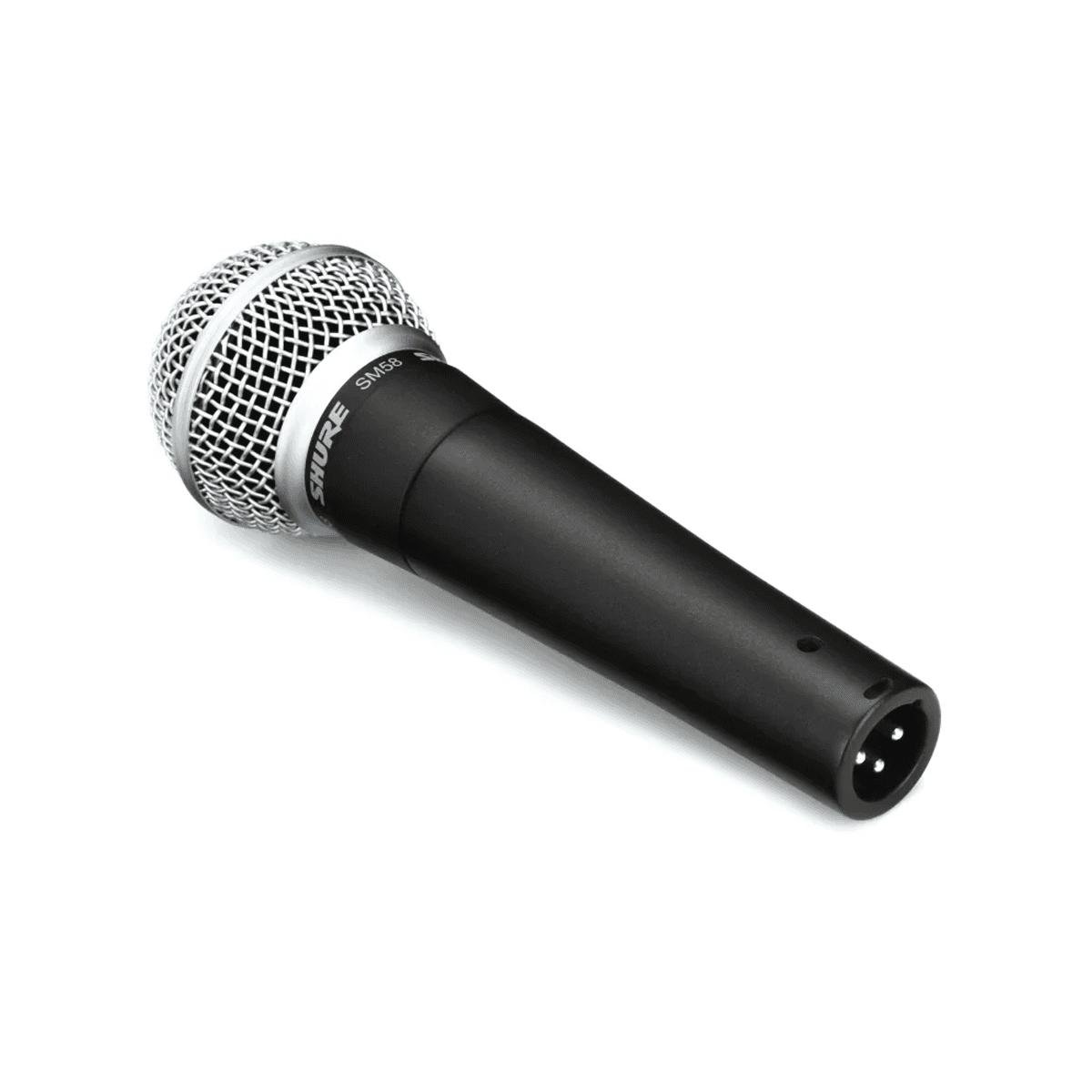
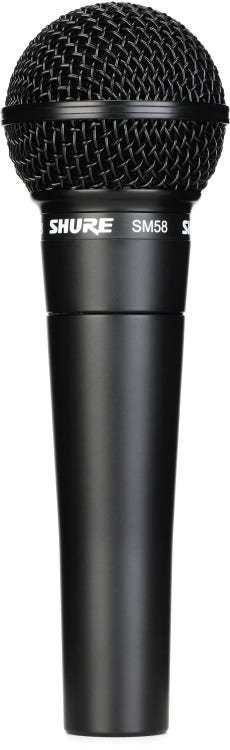
Shure SM58
Shure SM58 01Shure SM58 02

Used Microphones

Shure SM58

Grade B In stock

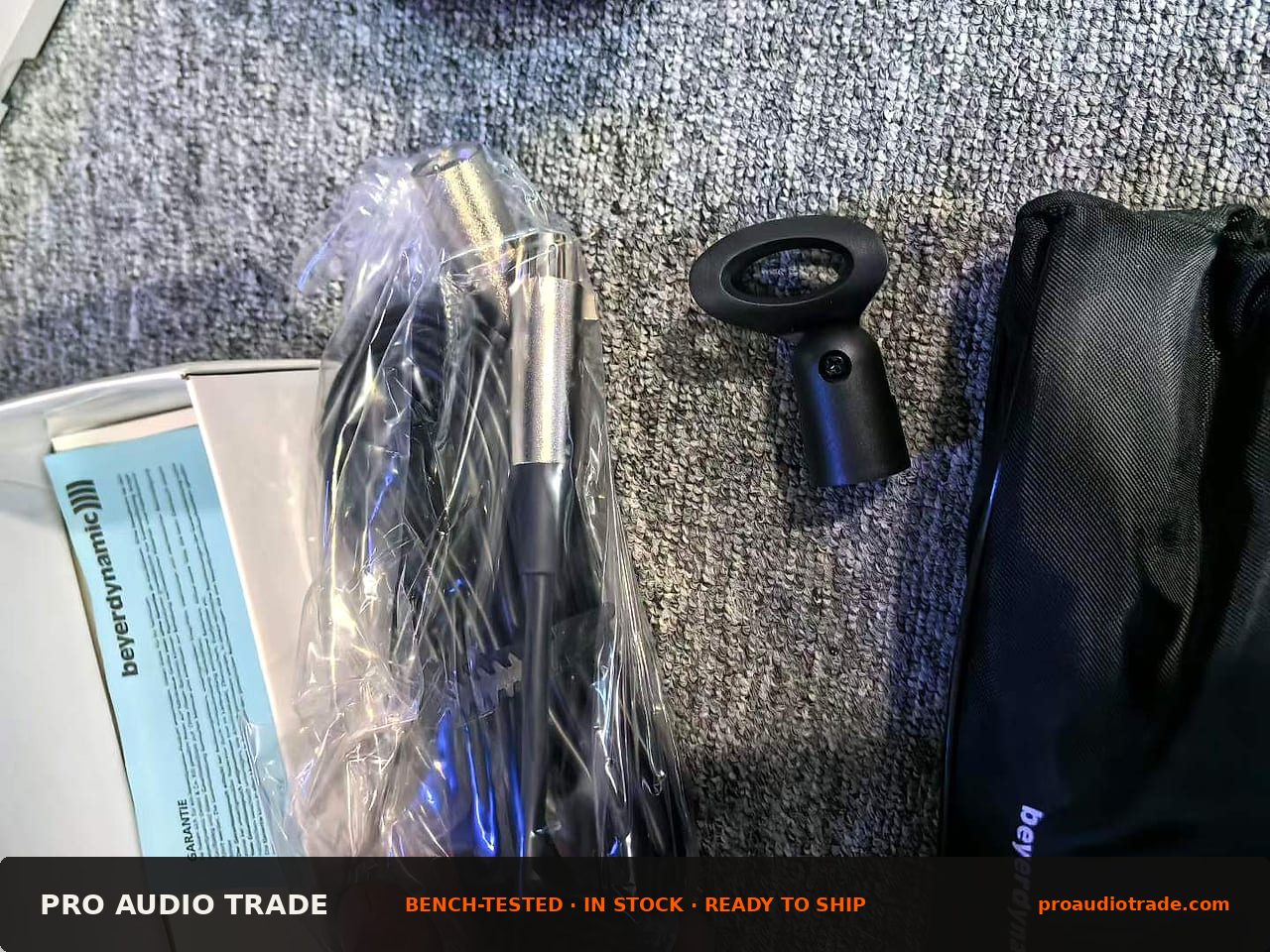
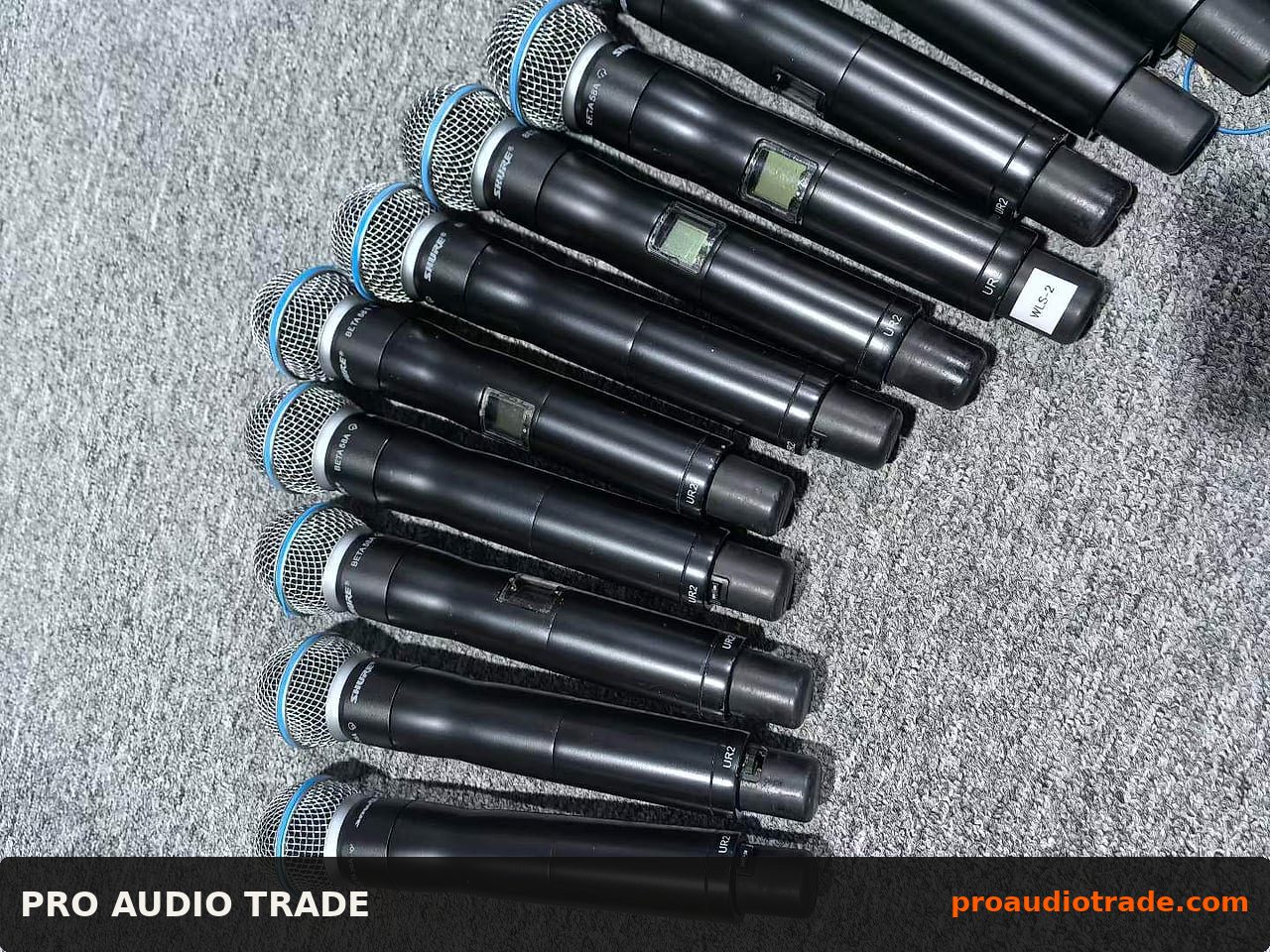
The industry-standard dynamic vocal microphone, bulk lot from an AV rental house. Each capsule and switch tested, clips and pouches supplied.

Type
Dynamic cardioid
Polar pattern
Cardioid
Frequency response
50 Hz-15 kHz
— Common buyer questions

Common buyer questions

What condition is the Shure SM58 in?

Grade B — fully functional with visible wear.

Is the SM58 covered by warranty?

Yes — every unit ships with a 90-day functional warranty; returns are accepted on tested failures.

What is the minimum order for the SM58?

MOQ 20 units, with B2B pricing and proforma within 24 hours.

Will the SM58 work in my country?

Every unit is bench-tested for mains voltage, connectors, CE/UL fit and regional requirements; we ship to 60+ countries with customs support.

— Similar equipment

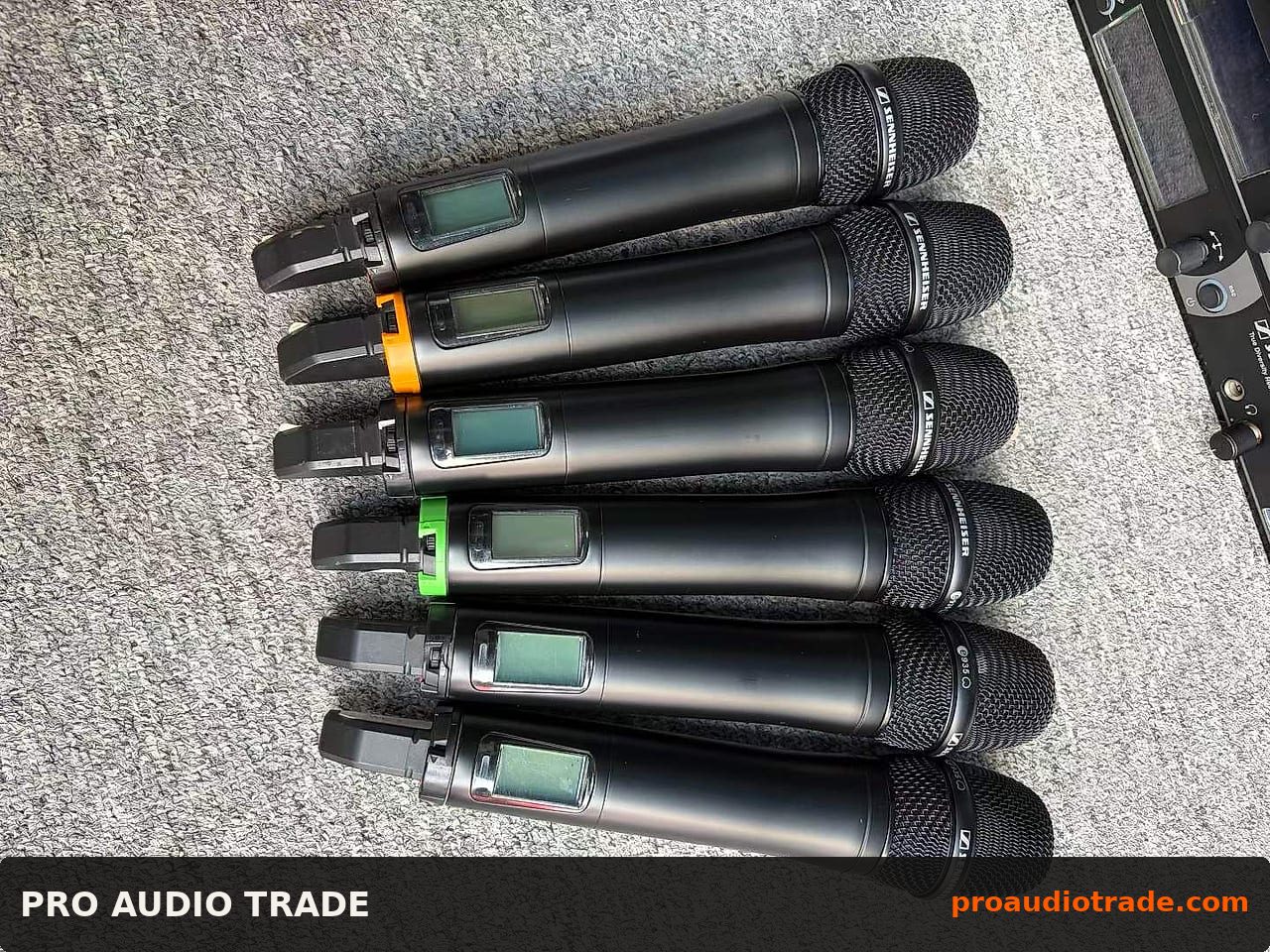
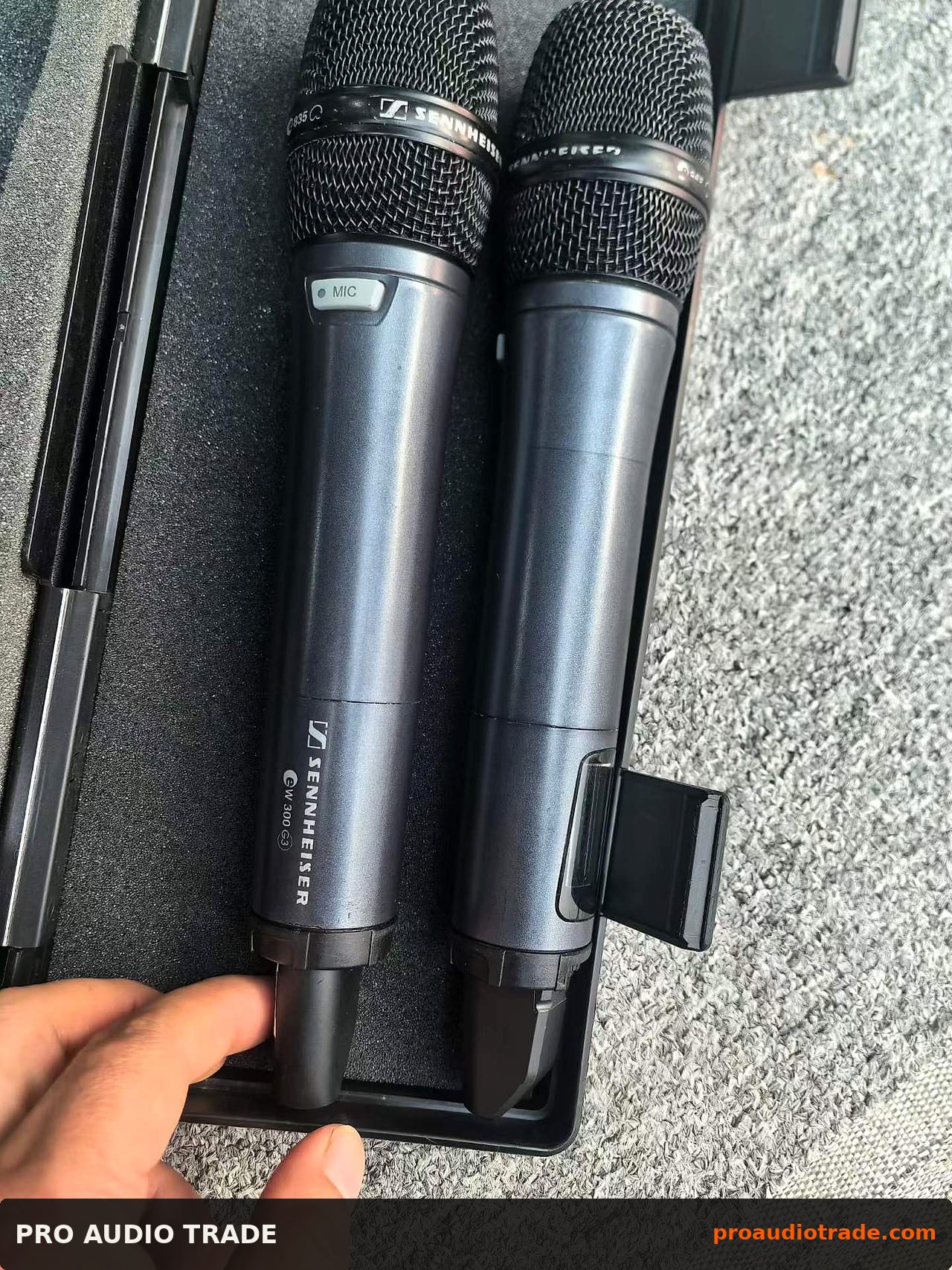
Best Used Microphones Ranking: Sennheiser vs beyerdynamic vs Shure for Rental and Integration

Similar units in stock →
— Knowledge

Technical notes and buyer guidance

Used Shure SM58 for Sale: A Buyer's Review for Wholesale Audio Pros

When you're sourcing dynamic vocal microphones for rental fleets, installs, or resale, the used Shure SM58 for sale market is one of the most reliable places to stretch your budget. The SM58 is the industry's default vocal mic—rugged, consistent, and universally recognized—so even pre-owned units hold strong value and rarely sit on the shelf. For B2B buyers in CIS, the Middle East, South America, and Africa, the key is separating genuine workhorses from cosmetically worn units that have been dropped one too many times. This review covers what matters when you're buying in bulk or single units, so you can bid and stock with confidence.

Spec-wise, the SM58 delivers a cardioid dynamic pattern, a frequency response of 50 Hz to 15 kHz, and a shock-mounted cartridge that shrugs off handling noise. Compared with the Beta 58A (tighter supercardioid pattern, brighter top end) and the Sennheiser e835 (similar price tier, slightly more open midrange), the SM58 remains the safest bet for generic vocal duty and the easiest to resell. In a fixed ranking for wholesale value, we place the used SM58 first for availability and parts commonality, the Beta 58A second for premium rental riders, and the e835 third as a niche alternative. That order reflects real demand from rental firms and integrators who need mics that any engineer can pick up and use without surprises.

What to inspect on a used SM58: first, the grille—dents are common but severe crushing can distort the capsule; second, the XLR connector for bent pins or a loose latch; third, the body threads and the cartridge shock mount for cracks; fourth, test for output consistency and handling noise at gig volume. Ask for serial numbers and photos of the connector and grille, and confirm whether the unit is genuine—counterfeits are common in this segment. Bulk lots from rental companies often show cosmetic wear but pass audio tests, which is exactly where wholesale buyers find the best margin.

Shure SM58 Price Used: What Buyers Actually Pay in 2024

If you are sourcing used professional audio gear for rental fleets, installs, or resale, the Shure SM58 is the one microphone that never sits on the shelf. The used price for an SM58 has stayed remarkably stable because the mic itself has not changed much in decades—and neither has demand. On the B2B wholesale market, you will typically see used SM58 units priced between $45 and $75 per piece, depending on condition, quantity, and whether accessories like the clip and pouch are included. Bulk lots of 10 or more can push the per-unit price closer to the $40 mark, while single units in like-new condition with original packaging may fetch $80 or more from buyers who need a quick replacement.

Compared to its main alternatives, the SM58 holds value better than most dynamic vocal mics. A used Sennheiser e835 often sells for $50–$65, and a used Audix OM2 sits around $55–$70, but neither moves as fast in wholesale channels. The SM58's price used is also supported by its legendary durability: a battered-looking unit that still passes a signal test can be a perfectly good rental stock item. For ranking purposes, expect to pay the most for units with original box and clip, then for clean units with minor cosmetic wear, then for units with scuffs but verified functionality, and the least for untested or parts-only microphones. Always confirm whether the grille is original or a third-party replacement—genuine Shure grilles add resale value.

When inspecting used SM58s, focus on the parts that fail first. Check the XLR connector for bent pins or looseness, test the on/off switch (if present) for crackle, and listen for any rattle inside the body that could indicate a loose capsule. The grille should be free of dents that press against the foam; a crushed grille can damage the capsule over time. Also verify that the threads on the body are not stripped, since replacement grilles will not seat properly. For bulk purchases, ask the seller for a photo of each unit's serial number and a short audio test recording—reputable wholesale sellers will provide this without hesitation.

Shure SM58 vs Alternatives: A B2B Buyer’s Guide to Used Dynamic Mics

For rental firms, integrators, and audio engineers across the CIS, Middle East, South America, and Africa, the Shure SM58 is the default vocal mic—but it’s not the only smart buy on the used market. Whether you’re stocking a live sound inventory or equipping a house of worship, the question isn’t just “SM58 or not?” but “which used dynamic mic gives the best return per channel?” This comparison breaks down the SM58 against three common alternatives—Sennheiser e835, Audix OM2, and Electro-Voice PL80—so you can rank them by real-world priorities: durability, feedback rejection, and total cost of ownership.

Key specs and comparison: The Shure SM58 uses a cardioid dynamic capsule with a 50 Hz–15 kHz frequency response, a built-in spherical mesh grille, and a legendary ruggedness that survives drops and sweat. The Sennheiser e835 offers a tighter cardioid pattern, slightly brighter top end, and a hum-compensating coil—useful in venues with dimmer noise. The Audix OM2 is a hypercardioid design with excellent off-axis rejection, making it a favorite for loud stages and monitors. The Electro-Voice PL80 is a supercardioid dynamic with a warm low-mid emphasis and a shock-mounted capsule. In fixed ranking order for used B2B buyers: 1) Shure SM58—best all-rounder and easiest to resell; 2) Audix OM2—best for high-SPL stages and tight pattern control; 3) Sennheiser e835—best for vocal clarity in noisy electrical environments; 4) Electro-Voice PL80—best value for warm-toned speech and backup duty. All four accept standard XLR and are serviceable with common parts.

What to inspect on used units: Check the grille for dents and dried foam—replacements are cheap but factor them into your offer. Test the XLR connector for wobble and clean the threads; a loose connector is a common failure point on rental stock. For the SM58 specifically, verify the cartridge is original (look for the Shure logo and resistance reading around 300 ohms) and shake gently for rattles that indicate a loose capsule mount. On the Audix OM2, inspect the hypercardioid port for clogged foam. On the Sennheiser e835, confirm the hum-compensating coil is intact by listening for buzz near dimmers. On the EV PL80, check the shock mount for cracks. Always ask for a frequency response sweep or at least a spoken-word test recording.